








 Contact Platform Support
 Help Center
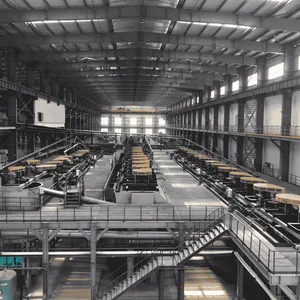
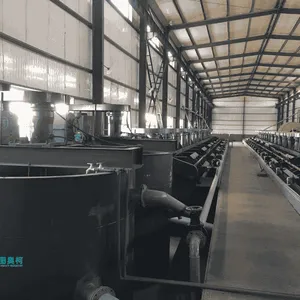
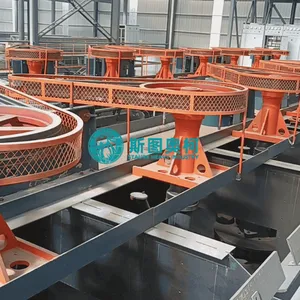
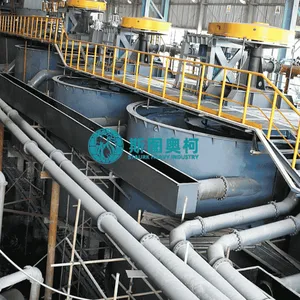
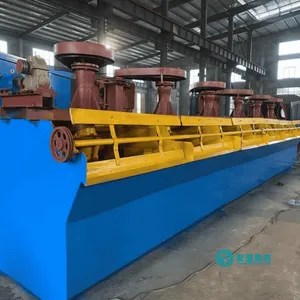
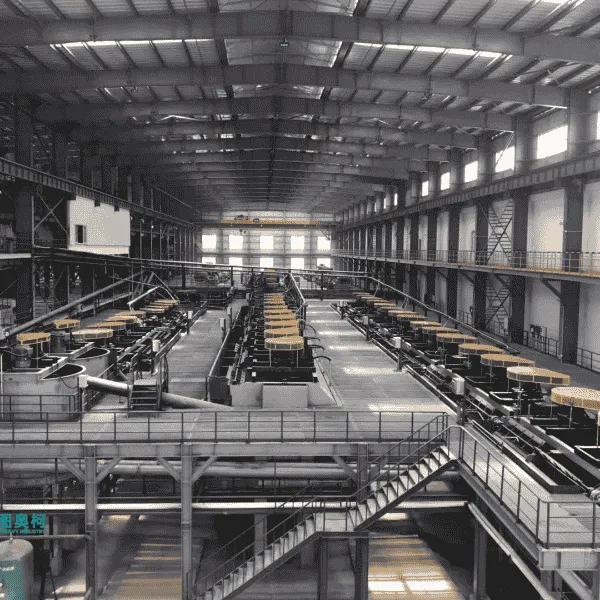
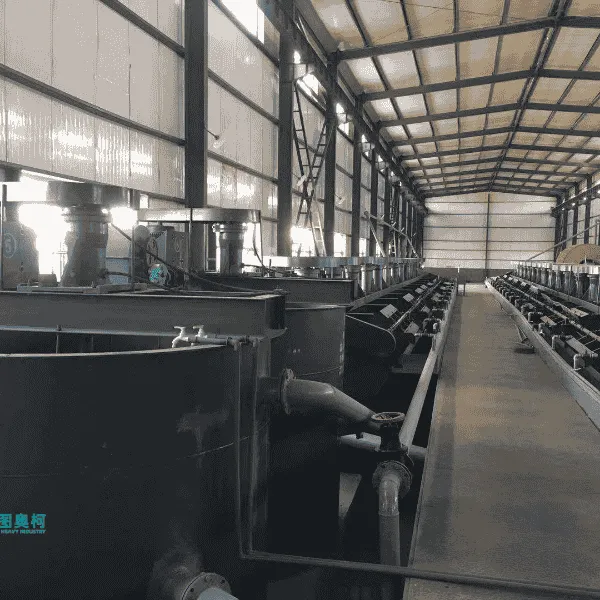
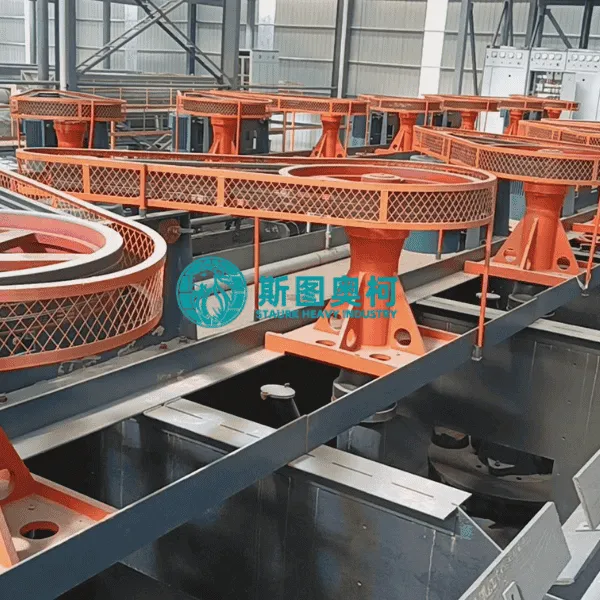
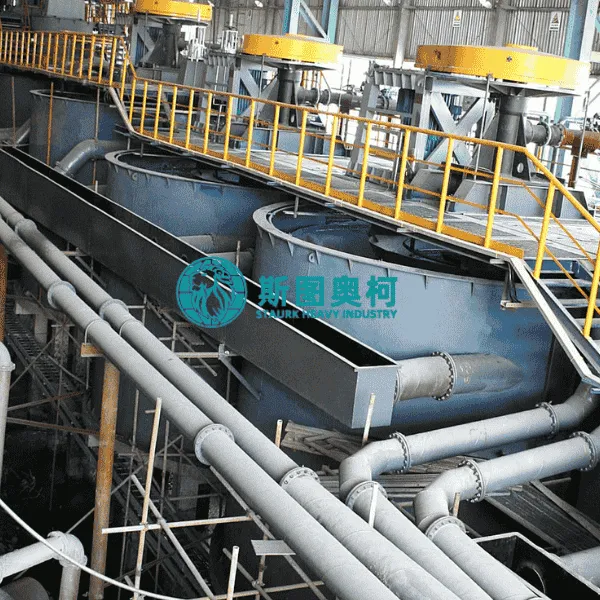
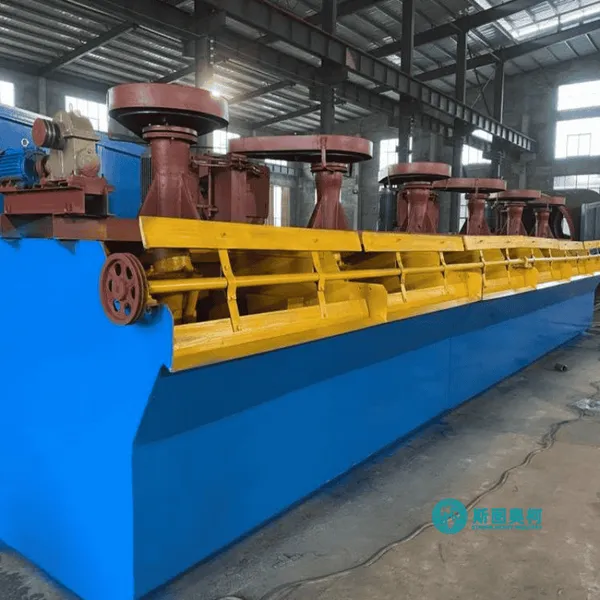
Flotation Cell for Gravity Flotation Plant
Product Spotlights



Related Products
-
 Flotation Cell for Gold Ore Concentration PlantNegotiableMOQ: 1 Set
 -
Flotation Cell for Copper Ore Processing PlantNegotiableMOQ: 1 Set
-
Flotation Cell for Zinc Lead Flotation PlantNegotiableMOQ: 1 Set
-
36、flotation Cell for Refractory Gold OreNegotiableMOQ: 1 Set
-
Flotation Cell for Complex Ore BeneficiationNegotiableMOQ: 1 Set
Product Introduction Flotation cell for gravity flotation plant
A flotation cell for a gravity flotation plant is a specialized separation unit integrated into circuits that combine density-based separation and froth flotation. This combined approach is engineered to process complex ores containing both coarse, high-density minerals and finely disseminated target particles, preventing the losses that often occur when using only a single separation method.
Application Flotation cell for gravity flotation plant
This hybrid configuration is widely utilized in mineral processing circuits where a single ore body exhibits highly variable particle sizes and mineral liberation characteristics. The system is suitable for the following typical materials: Precious Metal Ores: Such as gold and silver ores. Gravity concentrators (like jigs or centrifugal concentrators) capture the coarse, free-milling gold early in the circuit, while downstream flotation cells recover the fine, sulfide-associated gold particles from the gravity tailings. Tin and Tungsten Ores: Where gravity separation effectively recovers heavy, coarse minerals like cassiterite or wolframite, and specialized flotation cells are deployed to capture the fine-grained fractions that escape gravity circuits. Coal Preparation: Used to process fine coal streams. Coarse coal is cleaned via heavy media cyclones or jigs, while the ultra-fine coal slurry is directed to flotation cells to separate clean coal from ash-forming shale.
Working Principle Flotation cell for gravity flotation plant
The integrated plant design relies on a sequential routing of slurry based on mineral size and density characteristics. Gravity Pre-concentration: The crushed and ground ore slurry first passes through gravity separation equipment. Because heavy, valuable minerals can become over-ground and lost in traditional circuits, they are recovered as a high-grade concentrate as early as possible. Slurry Conditioning: The remaining tailings from the gravity circuit, which still contain finely dispersed valuable minerals, are transferred to a conditioning tank where specific collectors, frothers, and modifiers are thoroughly mixed into the pulp. Flotation Recovery: The conditioned slurry enters the flotation cells. Air is introduced to create fine bubbles, and the hydrophobic target minerals attach to these bubbles, rising to the surface to form a rich froth layer. This ensures that the fine particles missed by the gravity stage are successfully recovered.
Advantages Flotation cell for gravity flotation plant
Maximization of Overall Recovery: By treating both coarse and fine mineral fractions with their ideal separation methods, the plant minimizes mineral losses across the entire size spectrum and boosts total recovery rates. Prevention of Over-Grinding: Capturing coarse minerals in the gravity stage eliminates the need to grind the entire ore body down to ultra-fine sizes, which saves significant energy and prevents the creation of unrecoverable ultra-fine slimes. Enhanced Concentrate Grade: The dual-mechanism approach allows the plant to produce distinct, high-grade concentrates from different sections of the circuit, optimizing the economic return from downstream smelting and refining.
Technical Specifications
Category |
Model |
Effective Volume |
Capacity |
Impeller |
Impeller RPM Motor Power |
(kW)-Agitating |
Motor Power |
Single Weight (t) |
XJK type |
XJK-0.35 |
0.35 |
0.18-0.4 |
300 |
480 |
1.5 |
0.75 |
0.6 |
XJK-0.62 |
0.3-0.9 |
350 |
400 |
3 |
1.1 |
0.9 |
||
XJK-1.1 |
0.6-1.6 |
500 |
330 |
5.5 |
1.1 |
1.3 |
||
XJK-2.8 |
1.5-3.5 |
600 |
280 |
11 |
1.5 |
2.5 |
||
XJK-5.8 |
5.8 |
5-7 |
750 |
240 |
15 |
1.5 |
3.6 |
|
SF type Flotation |
SF-0.37 |
0.37 |
0.2-0.4 |
300 |
352-442 |
1.5 |
0.55 |
0.5 |
SF-0.65 |
0.65 |
0.3-1.0 |
350 |
336 |
3 |
1.1 |
1 |
|
SF-1.2 |
1.2 |
0.6-1.6 |
450 |
298 |
5.5 |
1.1 |
1.5 |
|
SF-2.8 |
2.8 |
1.5-3.5 |
550 |
268 |
11 |
1.5 |
2.3 |
|
SF-4 |
4 |
2-4 |
650 |
237 |
15 |
2.2 |
2.8 |
|
SF-8 |
8 |
4-8 |
760 |
191 |
30 |
2.2 |
4.3 |
|
SF-10 |
10 |
5-10 |
760 |
191 |
30 |
3 |
4.6 |
|
SF-16 |
16 |
6-16 |
850 |
180 |
45 |
3 |
7.8 |
|
SF-20 |
20 |
8-20 |
730 |
186 |
55 |
3 |
9.8 |
|
| JJF type Flotation machine | JJF-2 |
2 |
1-3 |
370 |
400 |
11 |
1.1 |
1.9 |
JJF-4 |
4 |
2-4 |
410 |
305 |
15 |
1.5 |
2.3 |
|
JJF-8 |
8 |
4-8 |
540 |
233 |
22 |
2.2 |
4.5 |
|
JJF-10 |
10 |
5-10 |
540 |
233 |
22 |
2.2 |
4.9 |
|
JJF-16 |
16 |
5-16 |
700 |
180 |
37 |
2.2 |
8.2 |
|
JJF-20 |
20 |
5-20 |
730 |
180 |
37 |
2.2 |
10.5 |

Send Inquiry to This Supplier



You May Also Like
-
Flotation Cell for Low Grade Ore UpgradeNegotiableMOQ: 1 Set
-
Flotation Cell for Mining Plant OptimizationNegotiableMOQ: 1 Set
-
Flotation Cell for Metallurgical PlantNegotiableMOQ: 1 Set
-
Flotation Cell for Mineral Processing EngineeringNegotiableMOQ: 1 Set
-
Flotation Cell for Mining Plant ExpansionNegotiableMOQ: 1 Set
-
Flotation Cell for South America Mining ProjectsNegotiableMOQ: 1 Set
-
Flotation Cell for Bolivia Mining PlantNegotiableMOQ: 1 Set
-
Flotation Cell for Peru Mining ProjectsNegotiableMOQ: 1 Set
-
Flotation Cell for Africa Mining IndustryNegotiableMOQ: 1 Set
-
Flotation Cell for Asia Mining PlantNegotiableMOQ: 1 Set


