








 Contact Platform Support
 Help Center
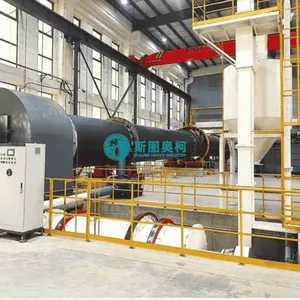
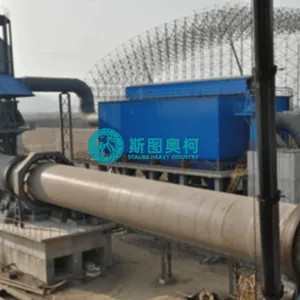
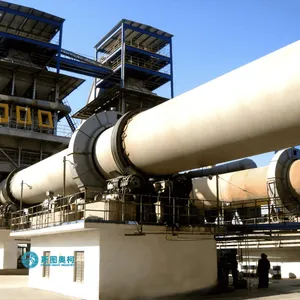
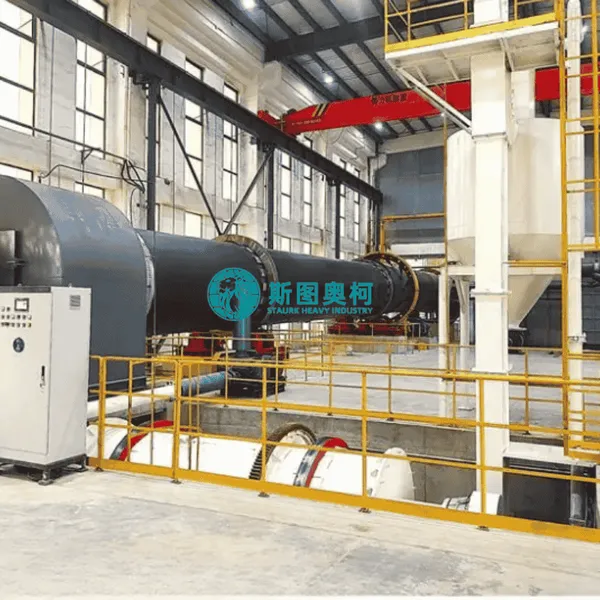
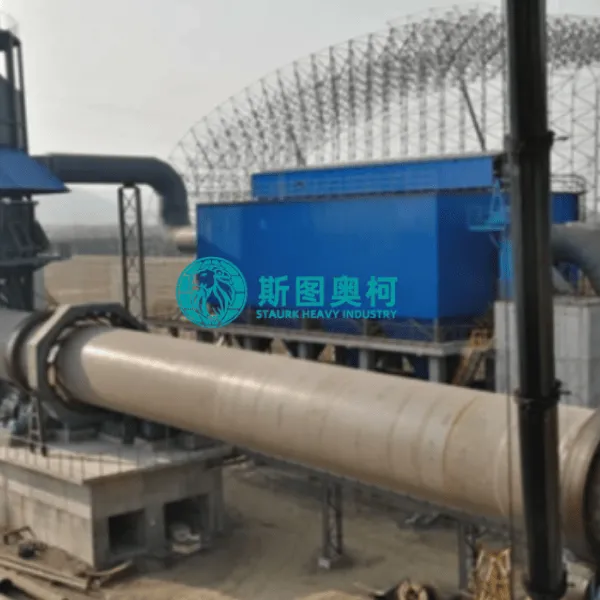
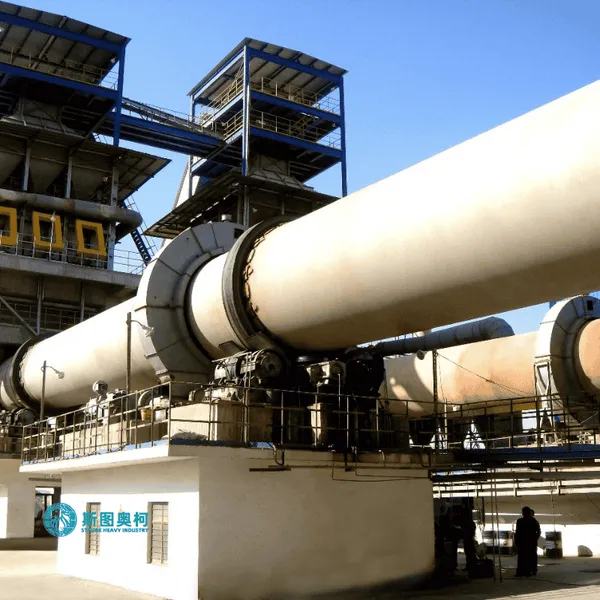
Rotary Kiln for Fluorite Ore Processing 200 Tpd



Related Products
-
 Rotary Kiln Complete Production Line 800 TpdUS$ 2000 - 80000MOQ: 1 Set
 -
Rotary Kiln Mineral Processing Plant 1000 TpdUS$ 2000 - 80000MOQ: 1 Set
-
Rotary Kiln for Silica Sand Processing 500 TpdNegotiableMOQ: 1 Set
-
Rotary Kiln Mining EPC Solution 500 TpdUS$ 2000 - 80000MOQ: 1 Set
-
Rotary Kiln Industrial Plant Solution 300 TpdUS$ 2000 - 80000MOQ: 1 Set
rotary kiln for fluorite ore processing 200 tpd
1. Introduction
The 200 TPD (Tons Per Day) Rotary Kiln for Fluorite Ore Processing is a heavy-duty chemical thermal reactor engineered for the processing of fluorite (fluorspar, ). It plays a critical dual role depending on the plant stage: either as a high-efficiency rotary dryer/calciner to remove flotation chemicals and moisture from acid-grade fluorspar powder, or as an acid reactor kiln where finely ground fluorite ore reacts with concentrated sulfuric acid to produce hydrofluoric acid gas—the baseline molecule for fluorochemicals, polymers, and semiconductor etchants.
With a highly versatile daily capacity of 200 tons, this rotary kiln configuration is heavily optimized to withstand the severely abrasive and corrosive environments characteristic of halogen mineral processing. It ensures precise heat distribution to achieve high-purity chemical conversion and moisture elimination.
2. Working Principle
When deployed for the primary chemical synthesis of hydrofluoric acid (the most technically demanding application of a fluorite kiln), the system operates as an indirectly heated rotary reactor running a continuous thermochemical process:
Material Mixing and Feeding: High-purity acid-grade fluorite powder ( concentrate) is pre-mixed with concentrated sulfuric acid in a specialized pug mill or pre-reactor. This sticky paste is continuously forced into the inlet of the rotary kiln through a corrosion-resistant screw feeder at the elevated kiln tail.
Indirect Thermal Activation : The kiln shell is enclosed within a heating jacket or furnace housing. Hot combustion gases from an external burner flow around the outside of the rotating drum, transferring heat through the shell walls into the material bed. As the inclined kiln turns, the paste tumbles forward. Maintaining a strict temperature profile between and provides the exact activation energy required for the endothermic reaction:
Gas-Solid Phase Separation: The reaction generates crude hydrofluoric acid gas, which is continuously drawn off through a gas manifold at the upper end under slight negative pressure. This gas moves directly to downstream scrubbing, condensation, and distillation towers to create anhydrous .
Calcium Sulfate Discharge: The solid byproduct, synthetic anhydrous calcium sulfate (anhydrite/gypsum, ), continues down the length of the rotating drum, acting as a dry powder that keeps the internal walls clean before continuously discharging from the kiln head through a gas-tight double flap valve.
3. Advantages
Specialized Corrosion-Resistant Metallurgy: The combination of hydrogen fluoride and sulfuric acid forms an exceptionally aggressive chemical environment. The internal kiln shell is fabricated from specialized heavy-duty carbon steel or lined with exotic alloy inserts (such as Monel or Hastelloy in high-wear zones) that form a passive, protective metal-fluoride layer, drastically reducing chemical corrosion.
Internal Mechanical Scraping Systems: Raw fluorite-acid paste becomes highly sticky during the intermediate stages of the reaction, posing a severe risk of wall caking and heat transfer loss. The rotary kiln is equipped with heavy internal scraper chains, heavy-duty loose rails, or continuous mechanical clean-out flights that dynamically peel away deposits as the drum rotates.
Exceptional Conversion Efficiency: The continuous turning and dynamic cascading action of the material bed ensures perfect contact between the solid fluorite grains and the liquid acid. This uniform mass and heat transfer drives the chemical reaction to near-absolute completion ( conversion yield), minimizing raw material waste.
Tight Multi-Zone Indirect Thermal Tuning: Because the heat source is external, the kiln is split into multiple independent heating zones. Operators can fine-tune the heat input across the drying, reaction, and cooking zones to prevent localized overheating, which would accelerate equipment wear and cause side reactions with silica impurities.
Commercial 200 TPD Modular Scale: This scale fits perfectly into regional fluorite mining beneficiation centers or mid-sized downstream chemical complexes. It provides high volume capabilities without requiring the immense capital expenditures associated with massive hyper-scale infrastructure.
Robust Hermetic Gas-Tight Seals: To completely contain the highly toxic and volatile process gas and prevent dangerous ambient air infiltration, the kiln is fitted with state-of-the-art double mechanical graphite face seals running under a positive nitrogen purge barrier. This ensures strict adherence to local and international workplace safety and environmental emissions standards.

Send Inquiry to This Supplier



You May Also Like
-
Rotary Kiln Ore Processing Turnkey System 600 TpdUS$ 2000 - 80000MOQ: 1 Set
-
Rotary Kiln Mineral Calcination Plant 800 TpdUS$ 2000 - 80000MOQ: 1 Set
-
Rotary Kiln Engineering Solution 1000 TpdUS$ 2000 - 80000MOQ: 1 Set
-
Rotary Kiln Plant Design Solution 500 TpdUS$ 2000 - 80000MOQ: 1 Set
-
Rotary Kiln Project Feasibility Solution 300 TpdUS$ 2000 - 80000MOQ: 1 Set
-
Rotary Kiln for Ceramic Material Calcination 200 TpdNegotiableMOQ: 1 Set
-
Rotary Kiln for Rare Earth Ore Roasting 100 TpdUS$ 2000MOQ: 1 Set
-
Rotary Kiln for Cement Clinker Production 2000 TpdNegotiableMOQ: 1 Set
-
Rotary Kiln Installation Commissioning 800 TpdUS$ 2000 - 80000MOQ: 1 Set
-
Rotary Kiln Equipment Customization 500 TpdUS$ 2000 - 80000MOQ: 1 Set


