








 Contact Platform Support
 Help Center
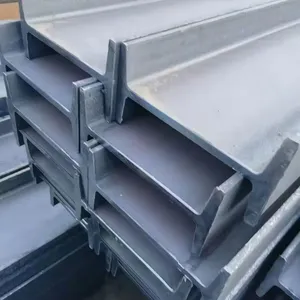
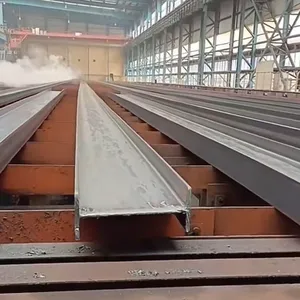
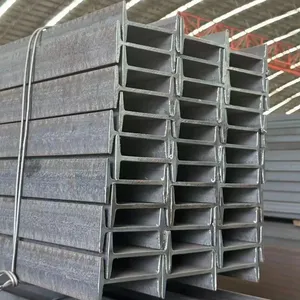
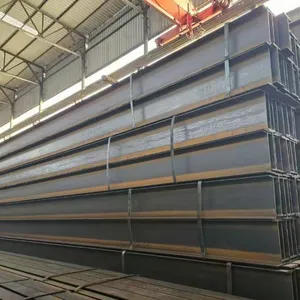
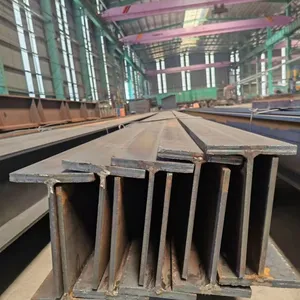
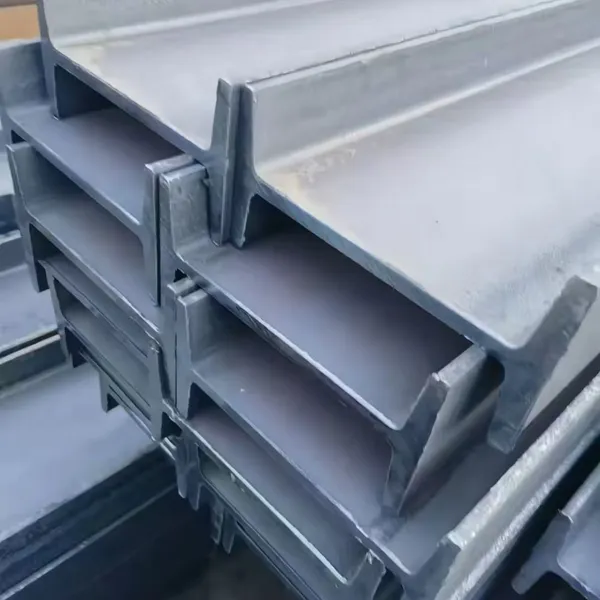
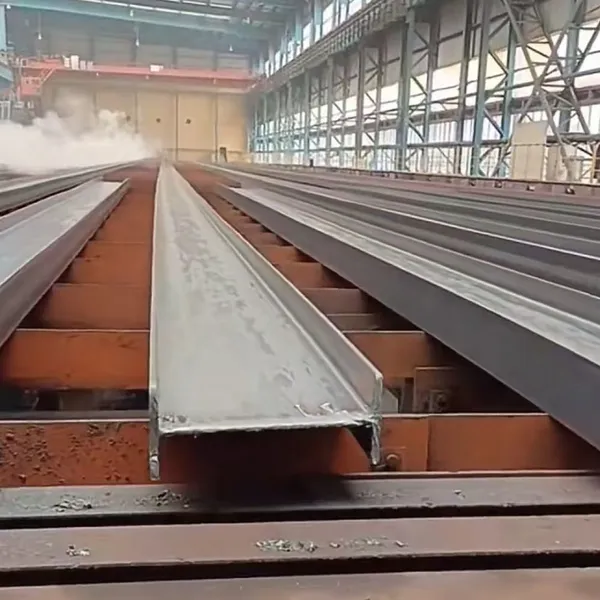
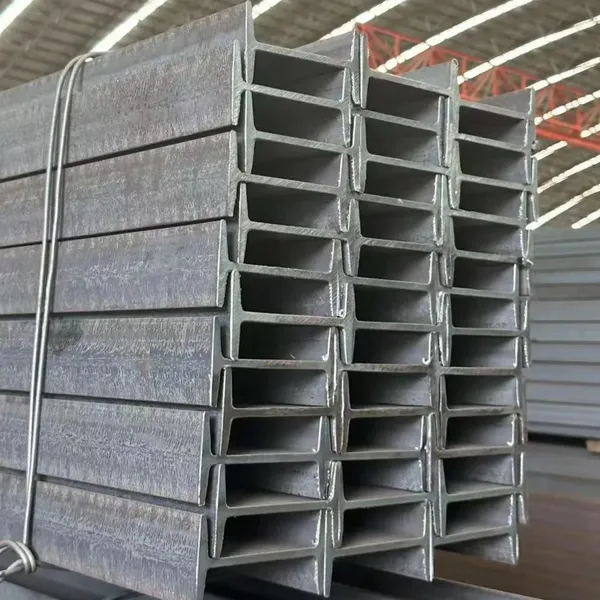
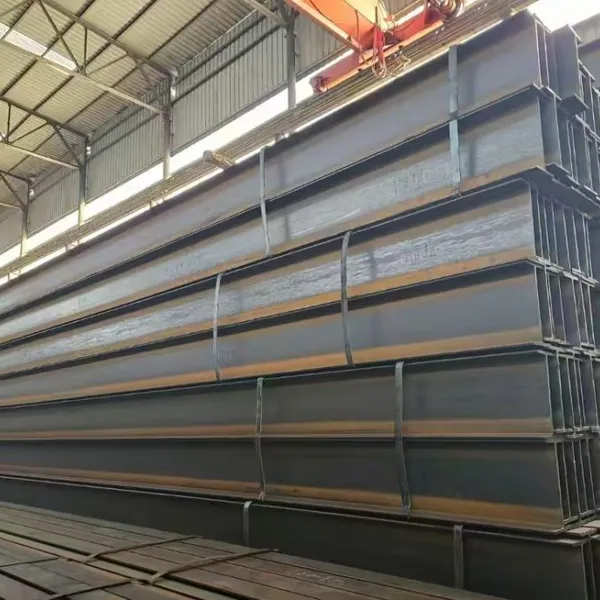
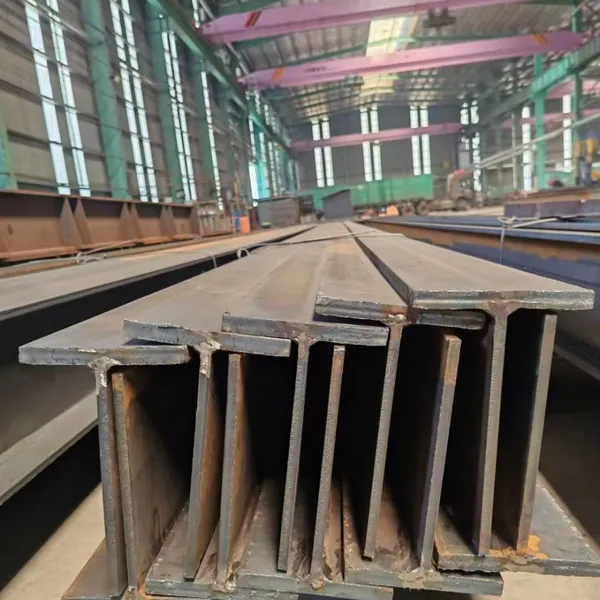
Steel H Beam & H Beam,Q235B、Q355B、Q235C/D、Q355C/D


Related Products
-
 Steel Pipe & Tube & Hot Dipped Galvanized Steel Pipe,ASTM A53/A53M、BS1387、EN10240、JIS G3444NegotiableMOQ: 5 Metric Tons
 -
Steel Pipe & Tube & Alloy Steel Pipe,12Cr1MoVG、15CrMoG、SA335 P22/P91、1Cr5Mo、15CrMo、42CrMo、20CrMoNegotiableMOQ: 5 Metric Tons
-
Steel Pipe & Tube & OCTG Oil Country Tubular Goods,API 5CT, API 5B, API 5DP, API 5L, GB/T 19683, SY/T 6194NegotiableMOQ: 5 Metric Tons
-
Steel Pipe & Tube & High Pressure Boiler Tube,20G、15CrMoG、12Cr1MoVG、T91/P91, T92/P92NegotiableMOQ: 5 Metric Tons
-
Steel Pipe & Tube & Precision Steel Tube,10#,20#,35#,45#,16Mn,40Cr,42CrMo,27SiMn,20CrMnTiNegotiableMOQ: 5 Metric Tons
1. Product Overview
An H-beam is an economical structural steel with an H-shaped cross-section, composed of two parallel flanges and a vertical middle web. Featuring parallel inner and outer flange surfaces and straight edges, it delivers reasonable sectional stress distribution and high structural stability. Compared with traditional I-beams, H-beams provide superior bending resistance, overall rigidity, and load-bearing capacity with lighter self-weight and less material consumption. As a core main material for steel structure engineering, they are widely used in construction, municipal engineering, industrial equipment, bridges and other fields.
H-beams are mainly divided into two categories:hot-rolled H-beams and welded H-beams. Hot-rolled H-beams are standardized mass-produced products with high precision and stable performance. Welded H-beams are custom-processed products that meet the requirements of oversized and special non-standard cross-sections.
2. Product Classification and Characteristics
2.1 Hot-rolled H-beams (Mainstream National Standard Products)
According to the flange width ratio, hot-rolled H-beams are classified into HW, HM and HN series, as well as the thin-walled HT series to adapt to different stress scenarios:
Wide-flange H-beam (HW): The section height is approximately equal to the flange width (h≈b), featuring a square section with excellent compression and torsion resistance. It is mainly used for vertical load-bearing components such as steel structure bearing columns, frame columns, stiffened steel columns and equipment supports.
Medium-flange H-beam (HM): The section height is 1.5 to 2 times the flange width (h=1.5~2b) with balanced stress performance, combining good bending and compression resistance. It is suitable for primary and secondary frame components of factory buildings, beam-column members of multi-story buildings, bridge supports and large-scale equipment frames.
Narrow-flange H-beam (HN): The section height is much larger than the flange width (h>2b), offering extremely high vertical bending efficiency and light weight. As the most widely used type in building steel structures, it is mainly applied to long-span floor beams, roof beams, platform beams and curtain wall keels.
Thin-walled H-beam (HT): It features thinner webs and flanges with outstanding lightweight advantages, suitable for light load conditions. It is commonly used in light steel factories, temporary buildings, roof purlins and small steel structure supports.
2.2 Welded H-beams
Welded H-beams are fabricated through steel plate cutting, welding and straightening. Without fixed standard specifications, their height, flange width and plate thickness can be customized on demand. With flexible section size and strong adaptability to super-long spans, they are widely used in non-standard large-scale steel structures, heavy-duty factories, large-span venues and steel structure renovation and reinforcement projects.
3. Specification and Model Marking Rules
3.1 Standard Marking Format
Unified marking formula for H-beams: Height H × Flange Width B × Web Thickness t1 × Flange Thickness t2 (Unit: mm)
Example: HN300×150×6.5×9 refers to a narrow-flange H-beam with a section height of 300mm, flange width of 150mm, web thickness of 6.5mm and flange thickness of 9mm.
3.2 Common Standard Specifications
Conventional mass production specifications cover a height range of 100mm to 900mm and a flange width range of 50mm to 400mm, with thicknesses complying with national standard tolerance requirements. Standard fixed lengths are 6m, 9m and 12m, and customized cutting lengths are available.
4. Core Materials and Technical Parameters
4.1 Common Material Grades
Q235B: A common carbon structural steel with good toughness and weldability and high cost performance. It is applicable to ordinary factories, low-rise buildings and light steel structures, serving as the mainstream general-purpose material.
Q355B: A low-alloy high-strength steel with better strength, wear resistance and low-temperature toughness than Q235B. It is suitable for high-rise steel structures, long-span bridges, heavy-duty factories and projects in low-temperature areas.
Special materials: Q235C/D and Q355C/D (low-temperature resistant grades), weathering steel and fire-resistant steel, adapting to severe working conditions such as alpine environments, outdoor corrosion and fire prevention requirements.
4.2 Implementation Standards
National Standard: GB/T 11263-2017 Hot-rolled H-beams and Split T-beams; Welded H-beams comply with GB 50205 Code for Acceptance of Construction Quality of Steel Structure Engineering. All products have passed ISO9001 quality system certification and CE certification, with dimensional tolerances and mechanical properties fully meeting national standard specifications.
4.3 Core Performance Advantages
Excellent structural performance: Equipped with wide flanges and large section moment of inertia, H-beams feature strong bending, compression and torsion resistance with uniform structural stress and low deformation risk.
High construction efficiency: Standard and precise sections eliminate secondary processing. The products can be directly cut, welded and bolted, greatly shortening the construction period.
Light weight and material saving: Under the same load-bearing capacity, H-beams are 15%~30% lighter than I-beams and ordinary section steels, effectively reducing the foundation load and engineering cost.
Wide adaptability: Complete specifications meet the needs of various steel structure projects including light and heavy loads, short and long spans, as well as low-rise and high-rise buildings.
5. Main Application Scenarios
1. Construction Engineering: Frame beam and column members of high-rise and super high-rise buildings, steel structure factories, light steel villas, stadiums, parking garages and prefabricated building main structures;
2. Municipal and Bridge Engineering: Highway bridges, pedestrian overpasses, municipal supports, tunnel supports and steel structure guardrails;
3. Industrial Equipment: Bases and load-bearing supports of large mechanical equipment, production line frames and main bodies of storage shelves;
4. Other Fields: Port and wharf steel structures, tower crane foundations, photovoltaic supports and engineering reinforcement and reconstruction projects.
6. Quality Acceptance Standards
1. Appearance Quality: Smooth and flat surface without cracks, air holes, slag inclusions, folds, rust peeling and other defects; no burrs or deformation on edges;
2. Dimensional Tolerance: The height, flange width, thickness, flatness and torsion degree all comply with national standard tolerance requirements with accurate section dimensions;
3. Mechanical Properties: The yield strength, tensile strength, elongation and impact toughness meet standard requirements with stable welding performance and no hidden dangers of brittle fracture or deformation;
4. Material Certification: Each batch of products is equipped with material certificates, factory qualification certificates and test reports for full traceability.
7. Packaging, Transportation and Storage
1. Packaging: Finished products are bound and fixed with steel strips with end protection to avoid collision and deformation during transportation; customized protective packaging is available for non-standard specifications;
2. Transportation: Products are delivered by trucks and semi-trailers. Oversized-length products can be delivered in sections. All goods are firmly fixed during loading to prevent sliding and torsion;
3. Storage: Store in dry and ventilated indoor yards with a height of more than 30cm off the ground to avoid rust caused by ground moisture. Classify and stack products with clear labels for different specifications and materials. Cover with tarpaulins for outdoor storage.
8. Customization and Processing Services
We provide one-stop deep processing services including customized fixed-length cutting, punching, beveling, bending, welding, derusting, painting and galvanizing. Non-standard welded H-beams can be processed according to construction drawings to meet the needs of various special engineering projects.

Send Inquiry to This Supplier



You May Also Like
-
Steel Pipe & Tube & Cast Steel Pipe,K7/K8/K9/K10/K11/K12NegotiableMOQ: 5 Metric Tons
-
Steel Coil & Strip & Hot Rolled Steel Coil,Q355B/Q355C/Q355D、Q390、Q420、Q195、Q215B、Q235BNegotiableMOQ: 5 Metric Tons
-
Steel Coil & Strip & Cold Rolled Coil,SPCC/SPCD/SPCE、DC01/DC03/DC04/DC05/DC06、CS、DS、DDQNegotiableMOQ: 5 Metric Tons
-
Galvanized Flat Bar&Flat Steel,GB/T 704, GB/T 13912, ASTM A123, JIS G3302NegotiableMOQ: 5 Metric Tons
-
Steel Rebar&Deformed Steel Bar,HRB400、HRB400E、HRB500、HRB500E、Grade 40、Grade 60NegotiableMOQ: 5 Metric Tons
-
Steel Angle&Galvanized Angle Steel,Q235B, Q355B, S235JR, S355JR, A36, A572 Gr50NegotiableMOQ: 10 Metric Tons
-
Steel H Beam&H Beam ,Q235B, Q355B, S235JR, S235J0, S235J2, S355JR, S355J0, S355J2, A36, A572 Grade 50, A992NegotiableMOQ: 10 Metric Tons
-
Steel Pipe & Tube&Seamless Steel Pipe,Q235B, Q355B, 10#, 20#, 16Mn, L245, L360, SS330, SS400, A53 Gr.BNegotiableMOQ: 5 Metric Tons
-
Steel Wire&Galvanized Steel Wire,Q195, Q235, 45#, 55#, 60#, 65#, 70#, 72A, 82BNegotiableMOQ: 5 Metric Tons
-
Steel Coil & Strip&Cold Rolled Steel Coil,Q195, Q215, Q235B, Q355B, SPCC, SPHC, DC01, DC04NegotiableMOQ: 5 Metric Tons


