








 Contact Platform Support
 Help Center
WPC80 Concentrated Whey Protein Powder Production Line Membrane Filtration Concentration Equipment
Product Spotlights
2. High Retention of Protein Activity & Functionality
3. Efficient Impurity Removal & High Product Purity
4. Energy-Saving & Environmental Protection
5. Strong Adaptability & Intelligent Operation


Related Products
-
 100kg/hour WPC80 Concentrated Whey Protein Powder Production Line Membrane Filtration Concentration EquipmentUS$ 50000 - 500000MOQ: 1 Set
 -
Ns8040-24X 120-160tpd Low Temperature Nanofiltration Concentration System Energy Saving Industrial NF Membrane Concentration EquipmentUS$ 50000 - 500000MOQ: 1 Set
-
Brown Sugar Whole Product Line Membrane Filtration Purification and Concentration EquipmentUS$ 50000 - 500000MOQ: 1 Set
-
Goat Milk Sterilization and Concentration SystemUS$ 50000 - 500000MOQ: 1 Set
-
Colloid Refining and Concentration Equipment / Membrane Concentration EquipmentUS$ 5000 - 50000MOQ: 1 Set
Product Overview
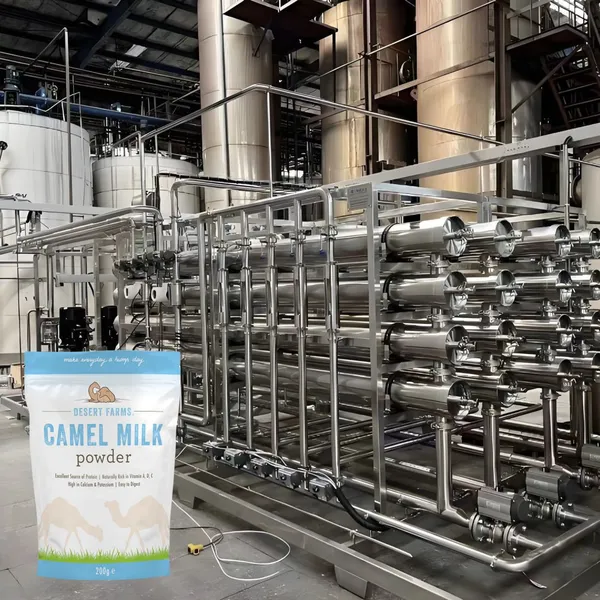
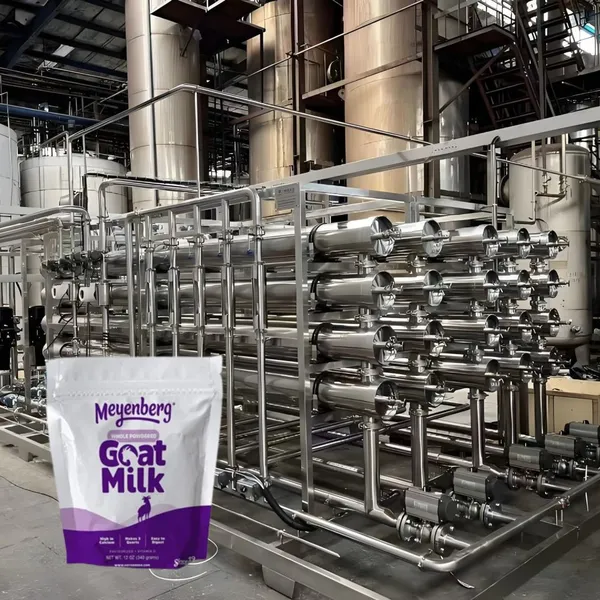
The WPC80 Concentrated Whey Protein Powder Production Line Membrane Filtration Concentration Equipment is a high-precision, energy-efficient integrated solution independently developed by Zhengzhou Chlory Technology Co., Ltd.—a National High-tech Enterprise with over 20 years of membrane separation and food/biopharmaceutical processing expertise. Tailored for protein standardization in food, beverage, pharmaceutical, and feed industries, this equipment addresses the core pain points of traditional protein processing: fluctuating protein content across raw material batches, loss of protein activity due to high-temperature treatment, poor solubility of finished products, and difficulty in precise content control.
Integrating advanced ultrafiltration (UF) membrane technology, high-speed centrifugation, and low-temperature concentration systems, the equipment covers the entire process chain from raw material pretreatment, protein enrichment, impurity removal, desalination to concentration and standardization. It realizes molecular-level physical separation, effectively retaining target proteins while removing small-molecule impurities such as water, salts, and sugars. The finished product achieves precise protein content control (customizable to target standards) with high solubility, stable functionality, and retained biological activity. Fully compliant with GMP, FDA, and relevant national standards, the equipment is widely applicable to small-batch R&D, pilot production, and large-scale industrial production of protein products such as whey protein, soy protein, and animal-derived proteins.
The system adopts a "pre-treatment + multi-stage membrane separation + concentration" integrated process, realizing precise separation and purification based on molecular weight differences between target products and impurities:
Core Advantages
1. Precise Protein Standardization & Consistent Quality
Adopts ultrafiltration membranes with a molecular weight cut-off (MWCO) of 10–50 kDa, precisely intercepting protein molecules while allowing small-molecule impurities to pass through. The protein content can be accurately adjusted to the preset standard (e.g., 80% for whey protein isolate, 40–50% for feed protein), ensuring consistent product quality across batches.
2. High Retention of Protein Activity & Functionality
Operates at low temperatures (25–35℃) throughout the process, avoiding thermal denaturation of proteins. The activity retention rate of functional proteins (e.g., enzymes, active peptides) reaches ≥95%, and key functional properties such as solubility, emulsibility, and gelation are fully preserved, meeting the requirements of high-end product production.
3. Efficient Impurity Removal & High Product Purity
Combines high-speed centrifugation and multi-stage ultrafiltration for synergistic purification. Effectively removes non-protein impurities such as fats, starches, colloids, and mineral salts with an impurity removal rate of ≥99%. The finished protein product has high purity, clear appearance, and no secondary precipitation during storage.
4. Energy-Saving & Environmental Protection
Membrane separation technology consumes only 30–40% of the energy of traditional thermal concentration processes, significantly reducing production costs. The pure physical separation process requires no chemical additives, avoiding chemical residues and secondary pollution, in line with clean production requirements.
5. Strong Adaptability & Intelligent Operation
Customizes membrane configurations and process parameters for different protein types:
Dairy proteins (whey protein, casein): Optimized ultrafiltration flux to balance concentration efficiency and protein retention.
Plant proteins (soy protein, pea protein): Enhanced anti-fouling design to address high-viscosity raw materials.
Animal-derived proteins (blood protein, gelatin): Low-temperature process to protect heat-sensitive active components.
Equipped with a PLC automatic control system, real-time monitoring of key parameters such as filtration pressure, concentration, and protein content. Supports automatic adjustment and fault alarm, minimizing manual intervention and ensuring stable operation.
Main Features
Integrated Process Design:
Integrates pretreatment, centrifugal separation, membrane concentration, desalination, and CIP cleaning into one system. Reduces floor space by 30% compared to split equipment and simplifies production workflows.
Advanced Membrane Application:
Uses food-grade/ pharmaceutical-grade PVDF and ceramic membranes with uniform pore size distribution and high protein retention rate. Membrane modules feature large filling area and cross-flow operation, reducing fouling and extending service life.
Compliance & Safety Assurance:
All wetted parts are made of 304/316L stainless steel and FDA-compliant materials, meeting GMP, FDA, and national food/ pharmaceutical safety standards. Ensures product safety and compliance.
Flexible Capacity Configuration
Offers multiple series models with processing capacities ranging from 50 Kg/h to 8000 Kg/h, adapting to small-batch R&D, pilot production, and large-scale industrial needs.
Turnkey Service Capability
Provides one-stop services from on-site raw material testing, process design, equipment manufacturing, installation, and commissioning to operator training and after-sales maintenance.
Technical Parameters
Parameter Category |
Specification Range |
Processing Capacity |
50 Kg/h – 8000 Kg/h (customizable according to production scale) |
Membrane Configuration |
Ultrafiltration (UF): 10–50 kDa; Optional Nanofiltration (NF): 200–500 Da (for desalination) |
Operating Pressure |
UF: 0.3–0.8 MPa; Centrifugation: 0.2–0.5 MPa |
Operating Temperature |
25–35℃ (low-temperature operation to protect protein activity) |
Key Treatment Efficiency |
Protein retention rate: ≥98%; Impurity removal rate: ≥99%; Desalination rate (optional): ≥90% |
Product Quality Indicators |
Protein content: Customizable (30–95%); Solubility: ≥95%; Moisture content ≤3%; Complies with GMP/FDA standards |
Material in Contact with Product |
Food-grade 304/316L stainless steel, PVDF/ceramic membrane, FDA-compliant seals |
Control System |
PLC automatic control + touchscreen; Real-time monitoring of pressure, concentration, protein content |
Power Consumption |
0.8–2.5 kW·h/m³ of treated material (varies by process configuration) |
Membrane Service Life |
2–3 years (under normal operation and maintenance) |
Core Configuration
System Module |
Core Equipment/Technology |
Function Description |
Pretreatment Unit |
High-speed centrifuge, precision filter |
Remove large-particle impurities (e.g., plant residues, fat globules) and suspended solids; reduce membrane load |
Protein Enrichment & Purification Unit |
UF membrane module (10–50 kDa), circulation pump |
Precisely intercept proteins, concentrate protein content, and remove small-molecule impurities |
Desalination Unit (Optional) |
NF membrane module (200–500 Da), electrodialysis system |
Remove excess mineral salts to improve product purity and functionality |
Auxiliary Unit |
CIP cleaning system, buffer tank, protein content detector |
Online cleaning of membrane modules to prevent fouling; stabilize process parameters; real-time monitoring of protein content |
Concentration & Drying Matching Unit |
Low-temperature concentrator, spray dryer (optional) |
Concentrate protein solution to target solid content; match subsequent drying process |
Application Scenarios
Dairy Protein Standardization:
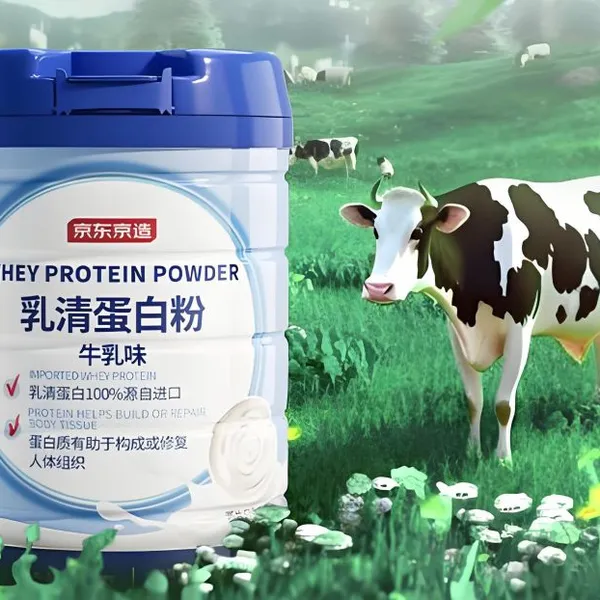
Application: Production of whey protein concentrate (WPC35), whey protein isolate (WPI80), and standardized milk powder (e.g., infant formula with adjusted whey/casein ratio).
Process Solution: Raw milk/whey → centrifugal degrease → UF concentration → desalination (optional) → spray drying → finished product.
Value: Precise protein content control, high solubility, and retained nutritional activity, meeting dairy industry quality standards.
Plant Protein Processing:
Application: Production of soy protein isolate (protein content ≥90%), pea protein concentrate, and plant-based meat raw materials.
Process Solution: Plant raw material → extraction → centrifugal separation → UF purification → concentration → drying → finished product.
Value: Efficient removal of anti-nutritional factors and impurities; improved protein functionality, suitable for high-end plant protein products.
Animal-Derived Protein Utilization:
Application: Recovery and standardization of blood protein, gelatin, and animal plasma protein from meat processing by-products.
Process Solution: Raw material → hydrolysis/ extraction → centrifugal separation → UF concentration → desalination → drying → finished product.
Value: Converts by-products into high-value protein products; reduces environmental pollution and increases resource utilization.
Feed Protein Standardization:
Application: Uniform adjustment of protein content in feed raw materials (e.g., fish meal, soybean meal) to 40–50% for balanced nutrition.
Value: Stable feed quality, improved animal digestion and absorption, and reduced feed waste.
Company Profile
With 20+ years of experience in chlorination system manufacturing, Chlory is a certified (ISO 9001, ISO 14001, ISO 18001) original equipment manufacturer (OEM) specializing in water treatment solutions. We offer:
1. Customized package design (AutoCAD, SolidWorks-supported engineering).
2. After-sales services: On-site inspection, electrolyzer refurbishment, and capacity upgrades.
3. Membership in China's Chlorine Committee, ensuring compliance with global industry standards.

Send Inquiry to This Supplier



You May Also Like
-
Pectin Refining and Concentration EquipmentUS$ 50000 - 500000MOQ: 1 Set
-
Printer Toner Membrane Separation EquipmentUS$ 50000 - 500000MOQ: 1 Set
-
Instant Tea Whole Product Line Membrane Filtration, Concentration and Dehydration EquipmentUS$ 50000 - 500000MOQ: 1 Set
-
12-15% High Concentration Sodium Hypochlorite Generator for Water TreatmentUS$ 50000 - 300000MOQ: 1 Set
-
12%-15% Industrial 10TPD On-Site Sodium Hypochlorite Electrolyzer PlantUS$ 50000 - 300000MOQ: 1 Set
-
12%-15% 2000L/H High Purity Hypochlorite Dosing System With Metering PumpUS$ 50000 - 300000MOQ: 1 Set
-
12% - 15% Adjustable Concentration Sodium Hypochlorite Production MachineUS$ 50000 - 300000MOQ: 1 Set
-
12%-15% 500GPH Commercial Sodium Hypochlorite Generator for Swimming PoolsUS$ 50000 - 300000MOQ: 1 Set
-
High Strength 12-15% NaOCl Electrolyzer for Disinfection ApplicationsUS$ 50000 - 300000MOQ: 1 Set
-
12% - 15% 1000L Tank High Concentration Hypochlorite Dosing Skid SystemUS$ 50000 - 300000MOQ: 1 Set


