








 Contact Platform Support
 Help Center
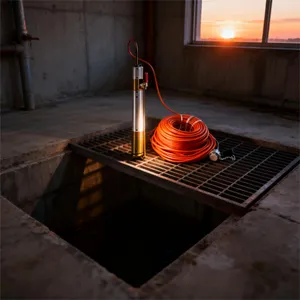
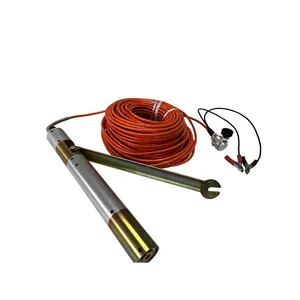
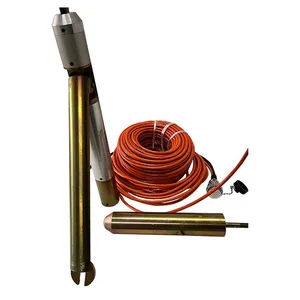
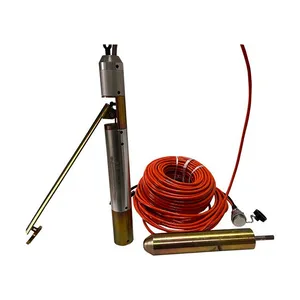
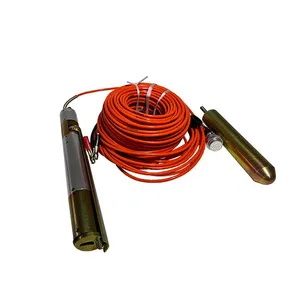
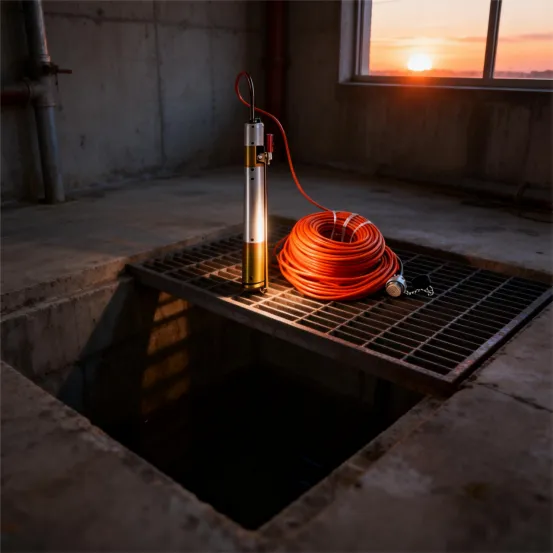
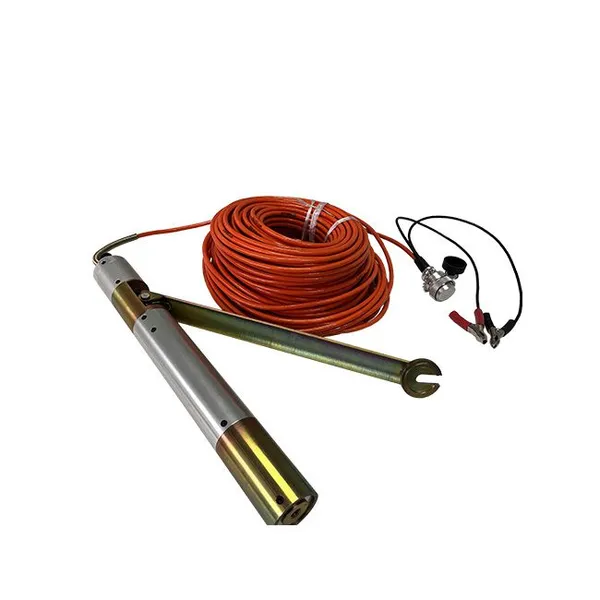
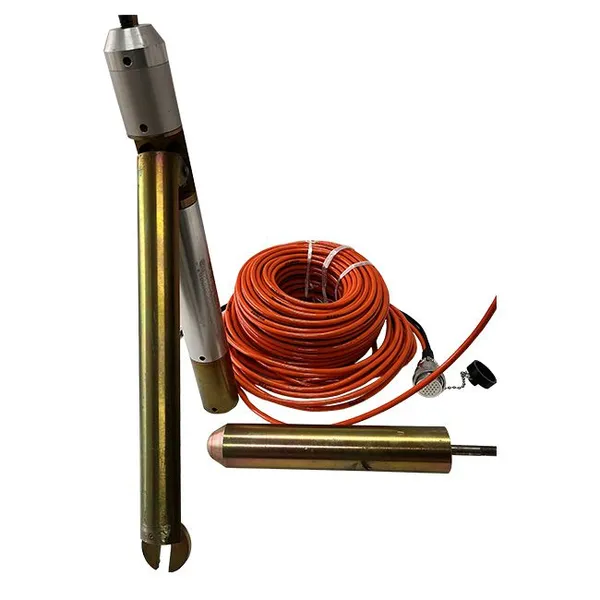
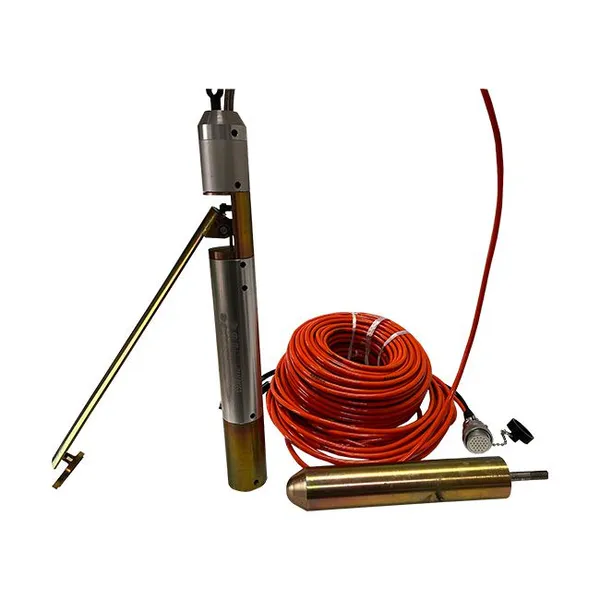
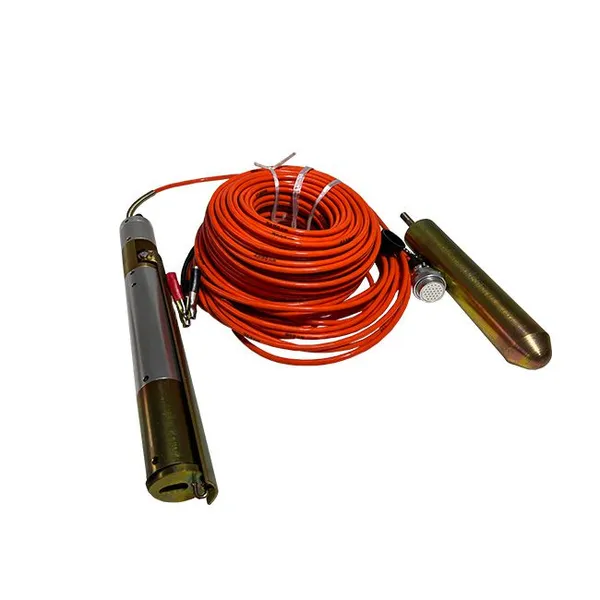
Borehole Geophone For VSP Survey High Temperature Borehole Geophone



Related Products
-
 Transformer Coupled Hydrophone Voltage Sensitivity HydrophoneNegotiableMOQ: 1 Set
 -
Environmental EM Survey Magnetotellurometer Geotechnical Investigation Sounding EquipmentNegotiableMOQ: 1 Set
-
Deep Water Well Inspection Camera Underground Underwater Borehole Inspection CameraUS$ 1 - 1MOQ: 1 Piece
-
360 Degree Rotation Underwater Deep Water Well Inspection CameraUS$ 1 - 1MOQ: 1 Piece
-
Waterproof Underwater Manhole and Borehole Inspection CameraUS$ 1 - 1MOQ: 1 Piece
What Working Geophysicists Say About the Borehole 3C Geophone
After hundreds of downhole surveys across six continents, field crews have learned what works and what fails. This article shares practical field advice about three models of the Borehole 3C Geophone: the electromagnetic GDJ DJ, the piston type GDJ JG, and the non adjacent GDJ JF. The advice comes from real operators. Read it before your next survey.
The Electromagnetic Model (GDJ DJ) – Best for Steel Cased Wells
Field operators love the electromagnetic version because it locks onto casing with zero effort. You lower it to depth, and the magnets grab the steel. No moving parts to jam. The 55 millimeter diameter slides easily inside 70 millimeter casing. The 465 millimeter height is fine for vertical wells. Weight with 60 meter cable is 10 kilograms. One person can manage it.
Practical tip: clean the magnetic surfaces before each deployment. Rust or mud reduces holding force. Also, do not use this tool in PVC casing. It will not stick. The working borehole diameter range is 70 to 120 millimeters. Outside that range, magnetic force weakens. Temperature limit is 55 degrees Celsius. Field tests show reliable operation up to 54 degrees.
The Piston Type Model (GDJ JG) – Best for Open Hard Rock Holes
This model uses a mechanical arm that pushes against the borehole wall. Operators say it provides the strongest coupling of all three series. The 50 millimeter diameter fits holes as small as 50 millimeters. The working range goes up to 110 millimeters. Height is 500 millimeters which is tall but acceptable in straight holes. Weight is 12 kilograms for 60 meter cable and 17 kilograms for 120 meters. Heavier than the others, so use a winch.
Field advice: before lowering, cycle the piston arm several times to ensure smooth motion. In rough holes, the arm may scratch but still works. Do not use this in soft clay or sand. The arm will push into the formation and get stuck. Also be careful in deviated wells; the arm may not fully extend due to gravity. Vertical holes are ideal.
The Non Adjacent Model (GDJ JF) – The Crew Favorite
Ask any field technician which borehole geophone they prefer, and most say the non adjacent series. Why? Because it is foolproof. 45 millimeter diameter fits almost any borehole down to NQ size. 300 millimeter height navigates doglegs and horizontal sections easily. Weight is only 6 kilograms for 60 meter cable and 10 kilograms for 120 meters. One person can lower it by hand without a winch.
Does it work without wall contact? Yes, for most applications. The signal amplitude is slightly lower than clamped tools, but modern recorders compensate with gain. In large diameter holes (over 120 millimeters) the signal may be weak. In holes between 50 and 120 millimeters, performance is excellent. Use this in soft sediment, PVC casing, deviated wells, or any situation where you cannot risk sticking the tool.
Repeating the Key Specifications That Matter in the Field
From a field operator‘s perspective, the most important numbers are: three component (always needed), frequency 4 to 100Hz (order the right one for your depth), tool diameter (55, 50, or 45 mm) (must fit your borehole), tool height (465, 500, or 300 mm) (shorter is better for crooked holes), weight (6 to 17 kg) (lighter saves your back), and temperature 25 to 55 C (check your bottom hole temperature). Also remember the working mini diameter for electromagnetic (70 to 120 mm) and piston (50 to 110 mm).
Parameter Table – Keep This in Your Field Notebook
| Model | GDJ DJ | GDJ JG | GDJ JF |
|---|---|---|---|
| Series Type | Electromagnetic Borehole Geophone | Piston Type Borehole Geophone | Non Adjacent Borehole Geophone |
| Frequency (Hz) | 4 to 100 Optional | 4 to 100 Optional | 4 to 100 Optional |
| Working Mini Diameter (mm) | 70 to 120 | 50 to 110 | Not Needed |
| Working Temperature (C) | 25 to 55 | 25 to 55 | 25 to 55 |
| Tool Diameter (mm) | 55 | 50 | 45 |
| Tool Height (mm) | 465 | 500 | 300 |
| Weight 60m Cable (kg) | 10 | 12 | 6 |
| Weight 120m Cable (kg) | 14 | 17 | 10 |
Common Field Mistakes and How to Avoid Them
Mistake one: using the electromagnetic model in a PVC cased well. Result: zero coupling, no data. Fix: use the non adjacent model instead.
Mistake two: using the piston model in soft sediment. Result: tool gets stuck, you lose it. Fix: use non adjacent or electromagnetic if casing exists.
Mistake three: using the non adjacent model in a very large diameter hole (over 150 mm). Result: weak signals. Fix: add centralizers to keep the tool near the wall, or switch to piston model.
Mistake four: ignoring temperature rating. Result: geophone fails at depth. Fix: measure bottom hole temperature before ordering.
Final Field Advice
Keep a spare non adjacent geophone in your truck. It works in 80 percent of situations. Use the electromagnetic model for cased wells when you need maximum signal strength. Use the piston model for open hard rock holes when you have a winch strong enough for 17 kilograms. And always, always check your borehole diameter before selecting a tool. The Borehole 3C Geophone series gives you options. Choose wisely.

Send Inquiry to This Supplier


You May Also Like
-
Borehole Water Well Inspection CCTV Camera Well LoggerNegotiableMOQ: 1 Piece
-
Resistivity Calibration Instrument Geophysical Resistivity Sensor Array Resistivity Data LoggerNegotiableMOQ: 1 Set
-
Mineral Exploration Data Interpretation Geophysical Prospecting Consulting Service Underground Cavity Detection SystemNegotiableMOQ: 1 Set
-
Multi Functional Pipe Inspection Camera Wireless Drain Inspection Camera Monitor High Pressure Waterproof Borehole CameraNegotiableMOQ: 1 Set
-
Resistivity Cable Testing System Time Domain IP Measurement SystemNegotiableMOQ: 1 Set
-
Passive Source Seismic Sensor Borehole Seismic Sensor Node Seismic Sensor for Dam MonitoringUS$ 500MOQ: 1 Set
-
ARM FPGA Data Acquisition System Remote Reference MT Station IP Resistivity Imaging EquipmentNegotiableMOQ: 1 Set
-
4-20mA Water Level Transmitter Sewage Level Sensor Liquid Level SwitchNegotiableMOQ: 1 Piece
-
SP Measurement System VES Resistivity Survey KitNegotiableMOQ: 1 Set
-
Seismic Impact System Geotechnical Seismic Source Surface Wave Seismic SourceUS$ 500MOQ: 1 Set
