








 Contact Platform Support
 Help Center
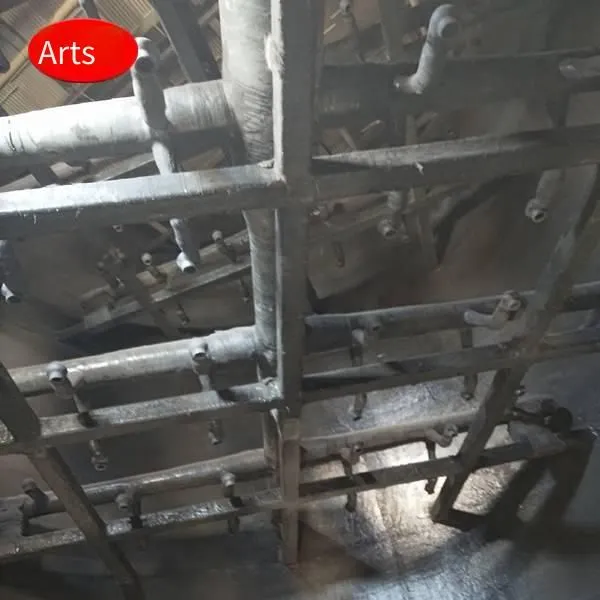
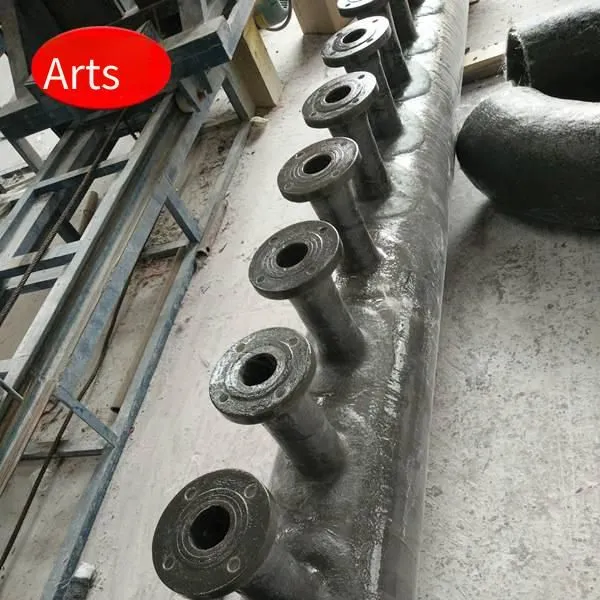
Frp Spraying Layer for Power Plants, Frp Spraying Pipes, and Frp Pipes for Desulfurization Towers


Related Products
-
![Frp Raw Water Tank, Fiberglass Reinforced Plastic Ultrapure Water Storage Tank, Fiberglass Reinforced Plastic Nitrogen Sealed Water Tank [yike], Customized by Model](https://res.goldsupplier.com/img/env2/common/load/circle-loading.svg) Frp Raw Water Tank, Fiberglass Reinforced Plastic Ultrapure Water Storage Tank, Fiberglass Reinforced Plastic Nitrogen Sealed Water Tank [yike], Customized by ModelUS$ 1794.77 - 1828.92MOQ: 1 Unit
Frp Raw Water Tank, Fiberglass Reinforced Plastic Ultrapure Water Storage Tank, Fiberglass Reinforced Plastic Nitrogen Sealed Water Tank [yike], Customized by ModelUS$ 1794.77 - 1828.92MOQ: 1 Unit -
Double-layer Oil Tanks for Inner Lining Renovation of Nanjing Gas StationsUS$ 1001.69MOQ: 1 Unit
-
Reinforcement and Transformation of the Spray Layer of the Desulfurization Tower in Power Plants. Manufacturer With 15 Years of Construction ExperienceUS$ 1538.46 - 3076.92MOQ: 1 Unit
-
Desulfurization Tower Frp Pipes, Frp Spray PipesUS$ 1025.54 - 1367.38MOQ: 1 Unit
-
Frp Desulfurization Tower for Brick Factories @ Frp Desulfurization Tower for Brick Factories in Handan @ Manufacturer of Frp Desulfurization Towers for Brick FactoriesUS$ 12307.69 - 15384.62MOQ: 1 Unit
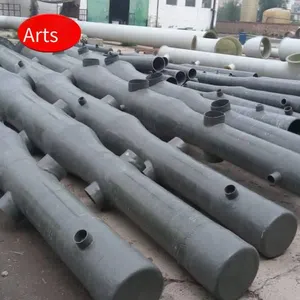
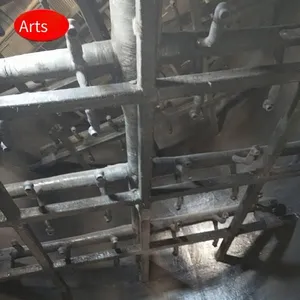
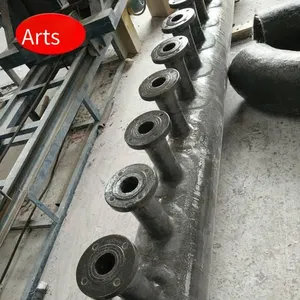
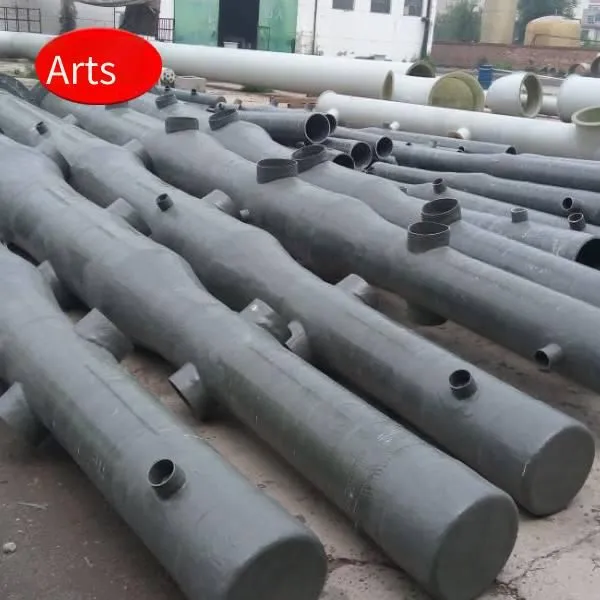
The fiberglass reinforced plastic (FRP) slurry spray pipes used in the desulfurization tower spray layer project are usually manufactured in sections and components during the manufacturing process for easy transportation. When installing on-site, the parts are then connected using the winding and bonding process. Currently, the connection between the slurry nozzles and the fiberglass reinforced plastic (FRP) spray pipes has also basically changed from the previous flange connection to the winding and bonding process. The winding and bonding process has the advantages of high connection strength, low leakage risk, simple process, convenient construction, and low cost. The structural design of the desulfurization tower spray layer includes the design of the slurry storage section, flue gas inlet, spray layer, flue gas outlet, spray layer spacing, the distance between the spray layer and the demister and the desulfurization tower inlet, nozzle characteristics (angle, flow rate, particle size distribution, etc.), the number of nozzles, and the nozzle orientation. The design, manufacturing, inspection, and testing of the spray pipes, oxidation air pipes, and baffle pipes (made of FRP material) shall comply with relevant international standards and domestic standard specifications. Before processing and manufacturing, the requirements of this technical specification shall be followed.
After desulfurization and washing, the flue gas is dehydrated by the demister at the top of the desulfurization absorption tower and then enters the chimney to be discharged into the atmosphere. The desulfurization circulating liquid flows into the sedimentation tank through the pipeline at the bottom of the tower. The supernatant overflows from the upper part and enters the reaction regeneration tank, where it undergoes a regeneration reaction with the lime emulsion. The regenerated liquid flows into the pre-pump circulation tank and Na2CO3 is added. It is then pumped into the top of the desulfurization tower to remove SO2 for recycling. The desulfurization product is finally gypsum slurry CaSO4 after oxidation. The desulfurization efficiency is ≥90%. The resistance of the desulfurization system is ≤800Pa. The regeneration reaction of the circulating liquid is sufficient. The wear amount of the inner and outer wear-resistant layers of the spray pipes should not be greater than 0.0123g/cm2. The inside of the pipes needs to be polished to ensure sufficient smoothness to minimize the flow resistance.

Send Inquiry to This Supplier


You May Also Like
-
Reconstruction of Double-layer Oil Tanks in Gas Stations Using the Lining MethodUS$ 1040.92 - 1056.31MOQ: 1 Piece
-
Desulfurization Tower Spray Layer a, Manufacturer of Desulfurization Tower Spray Layer in HengshuiUS$ 1025.54 - 1367.38MOQ: 1 Unit
-
Maintenance and Renovation of the Spray Layer of the Desulfurization Tower in the Power Plant - a Cooperative Manufacturer With Guodian [yike]US$ 905.85 - 1059.69MOQ: 1 Unit
-
Desulfurization Tower Spray Layer a, Heshun Desulfurization Tower Spray Layer a, Desulfurization Tower Spray Layer FactoryUS$ 2582.77 - 2598.15MOQ: 1 Unit
-
Underground Oil Tank Lining Renovation for Gas StationsUS$ 1001.69MOQ: 1 Set
-
2018 Gas Station ff Double-walled Tanks With ul CertificationUS$ 15384.62MOQ: 1 Unit
-
Double-layer Lining Renovation of Old Buried Oil Tanks at Gas StationsUS$ 1030.77MOQ: 1 Piece
-
Reconstruction of the Lining of Single-layer Buried Steel Oil Tanks in Gas Stations - Transformation of Old Tanks Into New Double-layer TanksUS$ 1000MOQ: 1 Unit
-
Anti - Seepage Renovation of the Inner Lining of Fuel Station Storage Tanks, ul CertifiedUS$ 992.31 - 1000MOQ: 1 Piece
-
Underground Oil Tank Double-layer Gap Anti-leakage Lining, Gas Station Oil Storage Tank RenovationUS$ 1538.46MOQ: 1 Piece
