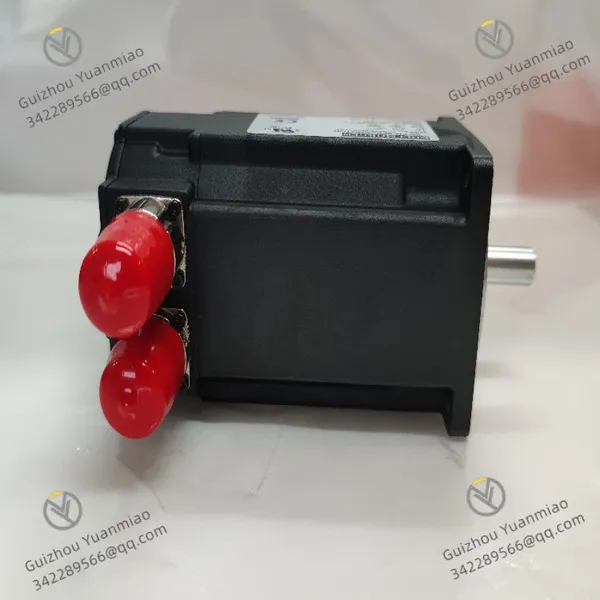
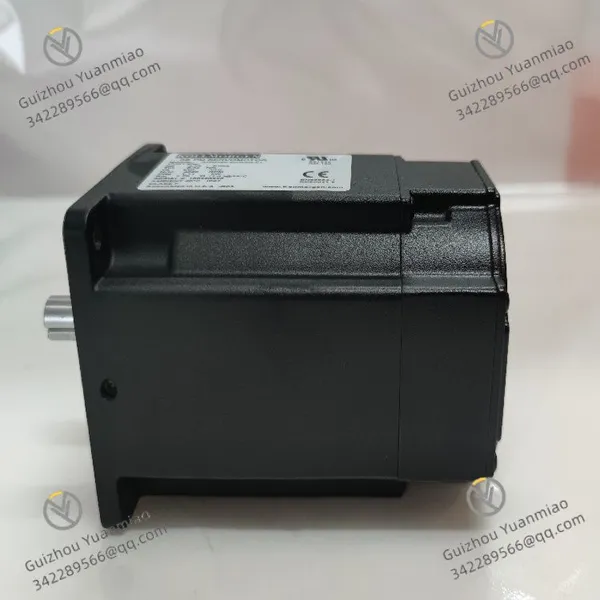
I. Overview
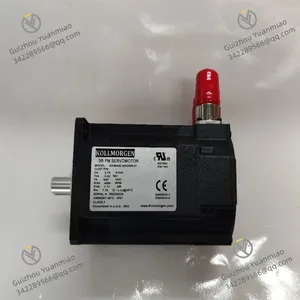
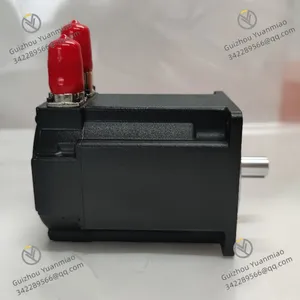
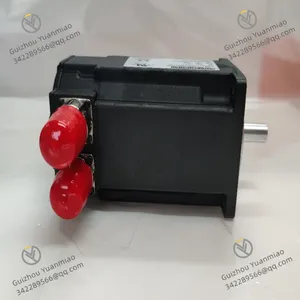
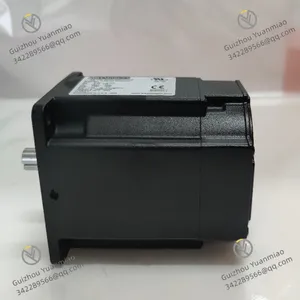
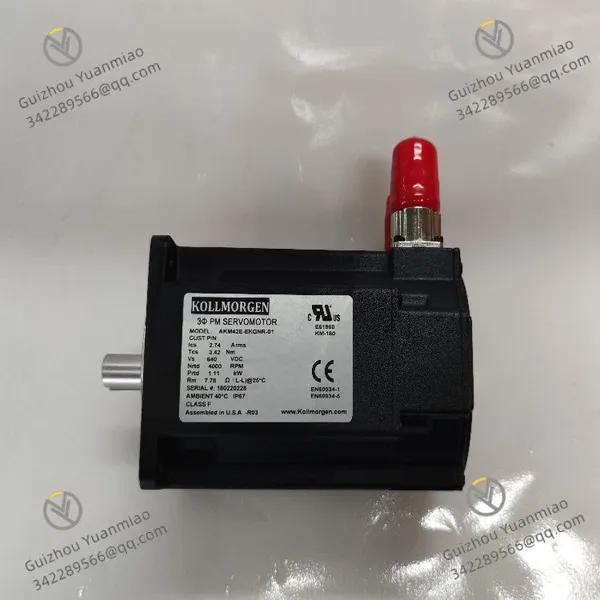
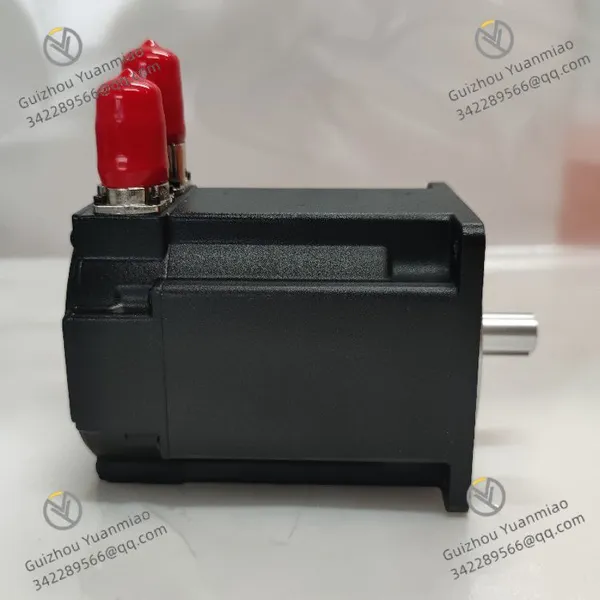
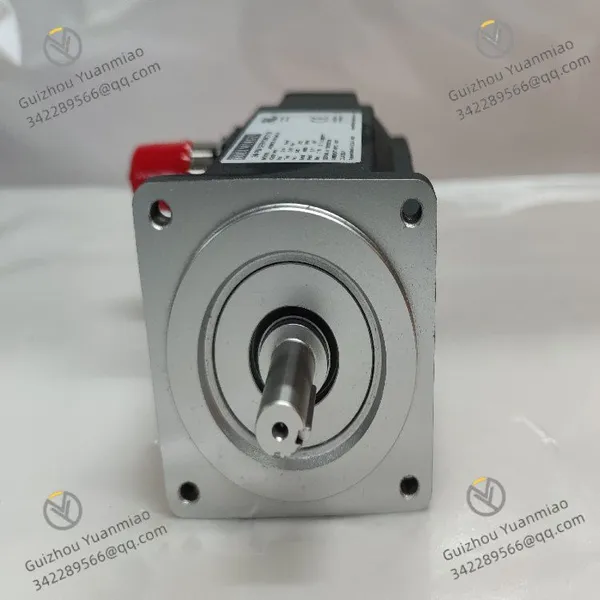
The KOLLMORGEN AKM42E-EKGNR-01 is a high-performance permanent magnet synchronous servo motor in the AKM series. It is specifically designed for scenarios in the industrial automation field that have strict requirements for "high-precision motion control, high power density, and strong environmental adaptability". Its core positioning is "a core drive component that provides stable power output and precise motion execution for various precision mechanical equipment".
As a classic model in the AKM series, this motor integrates Kollmorgen's core technologies in the field of motion control. It adopts high-performance permanent magnet materials and optimized electromagnetic design, achieving excellent dynamic performance and control precision within a compact structural size. It is widely used in fields such as electronic manufacturing (e.g., chip packaging equipment, PCB precision processing equipment), automated production lines (e.g., multi-axis linkage robotic arms, high-precision conveying systems), printing and packaging (e.g., high-speed register printing machines, film slitting machines), medical equipment (e.g., surgical robots, precision testing instruments), and high-end machine tools (e.g., small CNC machining centers).
In practical applications, the AKM42E-EKGNR-01 undertakes the key task of "receiving instructions from the servo driver, efficiently converting electrical energy into mechanical energy, and driving mechanical structures to complete precise position positioning, speed adjustment, and torque output". At the same time, it transmits real-time operating status data back through the built-in high-precision feedback device and cooperates with the driver to realize closed-loop control, ensuring the precision and stability of equipment operation. Compared with traditional asynchronous motors, it has core advantages such as "high power density, low torque ripple, fast dynamic response, and long service life". It can effectively solve pain points in industrial production such as "excessive equipment volume, insufficient operation precision, and high failure rate under complex working conditions", helping enterprises improve production efficiency and product quality.

II. Technical Parameters
(I) Dynamic Performance Parameters
(II) Electrical and Feedback Parameters
(III) Structural and Environmental Parameters

III. Functional Features
(I) High Precision and Stability, Adapted to Precision Control Scenarios
Low Torque Ripple Design
With a torque ripple of ≤±1%, which is far superior to traditional motors (usually more than ±5%), the motor outputs extremely stable torque during operation. In vibration-sensitive scenarios such as electronic component packaging and optical lens processing, it can effectively avoid machining errors caused by torque ripple, improving product precision and yield rate.
High Dynamic Response Capability
Adopting a low moment of inertia (0.0012kg·m²) and optimized electromagnetic structure, it takes less than 30ms to accelerate from a standstill to the rated speed, and the speed adjustment is smooth without jitter. In the material sorting link of automated production lines, it enables robotic arms to start quickly and position accurately, shortening the single working cycle; in the register printing process of printing machines, it can match the printing speed in real time to avoid register deviation.
Precise Feedback and Closed-Loop Control
Equipped with a built-in 2048-line incremental encoder, it has high resolution and strong anti-interference ability, and can accurately detect the rotor position (angular precision ≤0.18°) and speed in real time. Cooperating with the servo driver, it can realize triple closed-loop control of position, speed, and torque. For example, in multi-axis linkage robotic arms, it ensures the coordinated movement of each axis, improving motion precision.
(II) High Power Density and Compact Structure, Saving Installation Space
Efficient Electromagnetic Design
Using high-performance neodymium-iron-boron permanent magnet materials and optimized stator winding structure, it achieves a rated power of 1.5kW and a continuous torque of 4.8N·m within the compact size of frame 42 (outer diameter 108mm). The power density is more than 30% higher than that of traditional motors of the same size. It is suitable for scenarios with limited installation space such as medical equipment and small CNC machining centers, helping to realize the miniaturized design of equipment.
Standardized Installation Interface
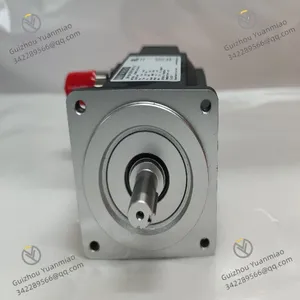
The flange mounting method complies with IEC standards and is compatible with the installation interfaces of most mechanical equipment on the market. Whether for new equipment integration or motor replacement in old equipment, there is no need for major modifications to the mechanical structure, which reduces installation costs and time costs.

(III) Strong Environmental Adaptability and High Reliability, Reducing Maintenance Costs
IP65 High Protection Class
The housing adopts a sealed design, which completely blocks dust intrusion and can withstand low-pressure water spray (such as workshop cleaning spray). In humid and dusty environments such as food processing workshops and textile mills, the motor can still operate stably for a long time, reducing failures caused by dust and water vapor intrusion.
Long-Life Component Selection
Industrial-grade high-precision deep groove ball bearings are selected, with a service life of ≥10,000 hours; the windings are made of Class F insulation materials and impregnated with special insulating paint, improving temperature resistance and corrosion resistance. In automated production lines that operate continuously for 24 hours, it can greatly reduce the frequency of motor maintenance and replacement.
Built-in Overheat Protection
Integrated with a PTC thermistor, it monitors the winding temperature in real time. When the temperature exceeds 130℃, it will immediately send a signal to the driver, triggering protective actions such as speed reduction and shutdown, preventing the motor from being burned due to overheating and prolonging its service life.
(IV) Practical Additional Functions, Improving Operation Convenience
Configurable Braking Option
Supports external electromagnetic brakes (to be selected separately), which take effect automatically when power is off, providing stable braking force (usually ≥5N·m). In vertical lifting equipment (such as small material elevators), it can prevent heavy objects from sliding down due to power failure; in precision positioning equipment, it can keep the mechanical structure stably at the target position, avoiding inertial deviation.
Compatibility with Multi-Brand Drivers
Through parameter configuration, it can be adapted to mainstream servo drivers such as Kollmorgen AKD series, Siemens SINAMICS series, and Mitsubishi MR-J series. No dedicated driver is required, which reduces system integration costs and improves selection flexibility.

IV. Application Fields
Electronic Manufacturing Field
In chip packaging equipment, it drives the packaging head to complete precise chip picking, positioning, and welding actions. The low torque ripple (≤±1%) ensures stable welding pressure and avoids chip damage; in PCB drilling machines, it drives the drill spindle to rotate at high speed (3000rpm) and move accurately, improving drilling precision (≤±0.01mm).
Automated Production Lines
It provides power for multi-axis linkage robotic arms. The high dynamic response (acceleration time
Printing and Packaging Industry
In high-speed register printing machines, it drives the plate cylinder and substrate to run synchronously. The low moment of inertia design realizes rapid speed adjustment and avoids register deviation; in film slitting machines, it controls the precise displacement and speed of the slitting knife, ensuring the slitting size error is ≤±0.1mm.
Medical Equipment Industry
In surgical robots, it drives the joints of the robotic arms to complete delicate movements. The low torque ripple and high positioning precision (angular error ≤0.18°) ensure the safety and accuracy of surgical operations; in precision testing instruments, it drives the testing probe to move smoothly, improving the reliability of testing data.

V. Common Faults and Solutions
(I) Startup Faults: Motor Fails to Start or Shuts Down Immediately After Startup
(II) Operation Faults: Excessive Motor Vibration, Abnormal Noise, or Unstable Speed
(III) Protection Faults: Motor Overheating or Driver Alarm
(IV) Feedback Faults: Deterioration of Position or Speed Control Precision