








 Contact Platform Support
 Help Center
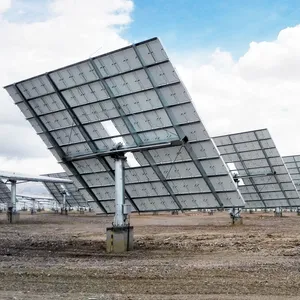
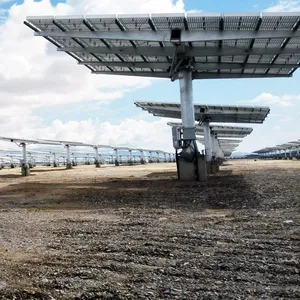
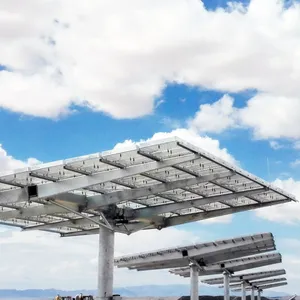
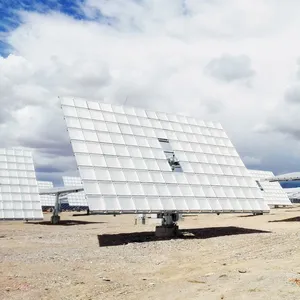
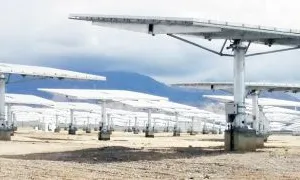
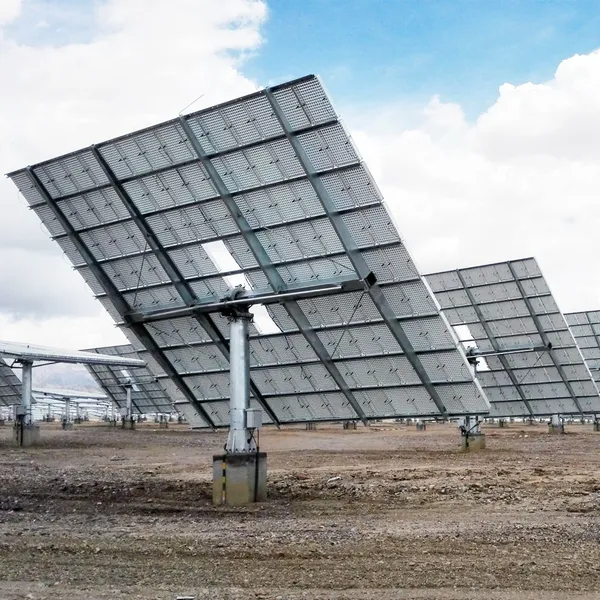
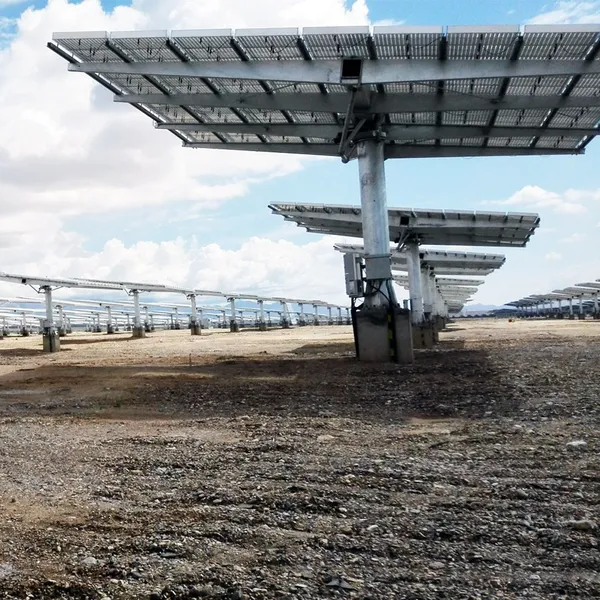
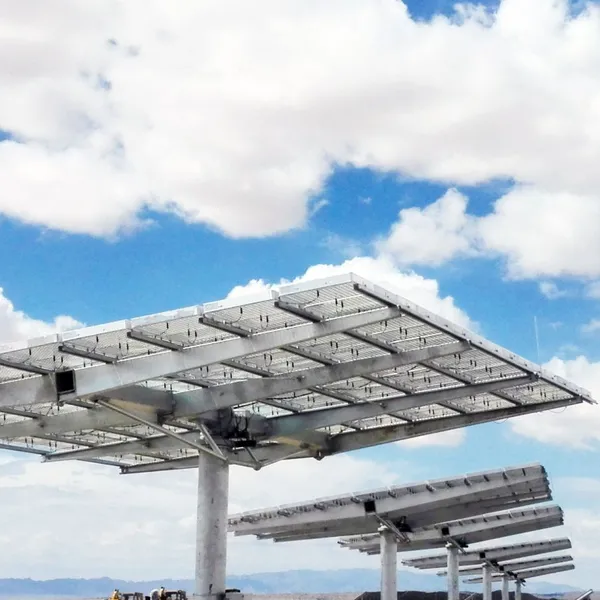
Solar Tracking System Solution HCPV Panel ODM Bracket 2 Axies Tracking



Related Products
-
 Solar on Grid Tracking System Solution 30KW PV Panel Bracket Single Axies TrackingUS$ 614.9 - 726.7MOQ: 30 Kilowatts
 -
NSI01 8P DC 1500V Isolator Switch Protection Device IsolationUS$ 13.56 - 13.79MOQ: 100 Pieces
-
3MW Solar On Grid System One Stop SolutionUS$ 0.44 - 0.46MOQ: 3000 Kilowatts
-
Solar DC Y Cable Harness 1500V 2 in 1 Panels Parallel Branch Wire Solution 45A 50AUS$ 8 - 12MOQ: 1 Pair
-
Solar PV Y Cable Fuse Connector Wire Harness DC 1500V IP68 XLPE 16sqmm Max 500mm LengthUS$ 17.98 - 19.65MOQ: 2 Pieces
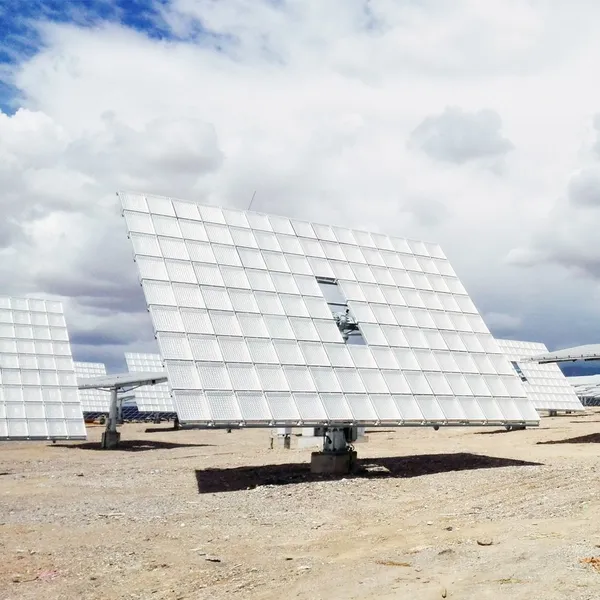
HCPV Sun-Tracking System Solution (Newsun PV Technology) NSPV
High Concentrated Photovoltaics (HCPV) is a technology designed to achieve the highest efficiency in converting solar energy into electricity. It utilizes optical systems to concentrate sunlight hundreds of times onto small, high-efficiency multi-junction solar cells (typically made from III-V materials like GaAs). A critical component of HCPV is its high-precision sun-tracking system, which ensures that sunlight is continuously and accurately focused onto the tiny solar cells.
🔍 Why HCPV Requires Precise Tracking
Unlike conventional solar panels, HCPV systems only utilize direct normal irradiance (DNI). The optical concentrators (e.g., Fresnel lenses or parabolic mirrors) must focus sunlight precisely onto the small solar cells. Even a small tracking deviation (typically less than 0.5°) can significantly reduce power output because misdirected light misses the cell. This requires the tracking system to be highly accurate.
📐 Types of Sun-Tracking Systems
Sun-tracking systems for HCPV generally fall into two categories: open-loop and closed-loop control.
Open-Loop Tracking (Passive Tracking): This method calculates the sun's position based on astronomical algorithms using the tracker's geographical coordinates (latitude, longitude), date, and time. The control system then drives motors (like stepper motors) to adjust the tracker's angle accordingly. Its advantage is that it isn't affected by temporary weather changes like cloud cover. However, its accuracy can be influenced by initial installation errors, mechanical wear over time, or slight errors in the calculation model.
Closed-Loop Tracking (Active Tracking): This method uses sensors to provide real-time feedback for tracking.
Common sensors include:
Optical Sensors: Such as quadrant photodiodes or cameras, which detect the sun's position and provide error signals to the controller.
Solar Cell-Based Feedback: Some systems use the short-circuit current of a small, dedicated solar cell as a reference signal. The system slightly perturbs its position and measures the current change to find the maximum power point, thus correcting the track. This method can compensate for mechanical inaccuracies and doesn't require highly precise initial installation.
Hybrid Tracking: Many modern HCPV trackers combine both open-loop and closed-loop strategies. The open-loop algorithm provides the main positioning, while the closed-loop feedback offers periodic corrections for higher accuracy and reliability.
⚙️ Key Components and Technologies
A typical HCPV sun-tracking system involves:
Mechanical Structure: A dual-axis tracker is essential for HCPV to adjust both azimuth (horizontal) and elevation (vertical) angles, precisely following the sun's path across the sky throughout the day and year.
Drive Motors: Stepper motors or servo motors are commonly used for their precise control.
Controller: The brain of the system. It runs the tracking algorithm (solar position calculations or processing sensor signals) and sends commands to the motors. These are often implemented on microcontrollers or PCs with specialized software (e.g., LabVIEW).
Sensors (for closed-loop): Optical sensors or reference cells for feedback.
Accuracy Measurement: Tools like collimating tubes (with an accuracy of around 0.1°) and digital cameras are sometimes used to measure and validate tracking precision during development and setup.
🧠 Technical Challenges and Considerations
Developing HCPV tracking systems involves addressing several challenges:
High Precision Requirement: Maintaining tracking accuracy within ±0.5° is crucial for HCPV performance.
Environmental Factors: Wind loads can affect the mechanical stability of large trackers. The system must be robust enough to handle these forces, sometimes requiring stowing in extreme weather.
Cost and Reliability: The tracking system adds to the complexity and cost of the HCPV system. Designing reliable, durable, and cost-effective trackers is key for commercialization.
🌍 Applications and Future Outlook
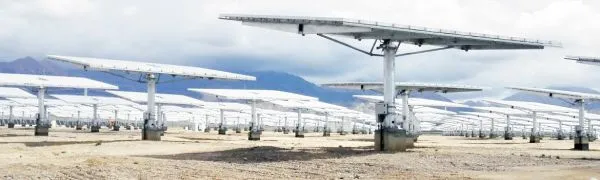
HCPV with high-precision sun-tracking is particularly suited for utility-scale solar power plants in regions with abundant direct sunlight (high DNI resources), such as deserts. Its primary advantage is the potential for lower Levelized Cost of Energy (LCOE) due to very high efficiency, although initial costs might be higher than traditional PV.
Ongoing research focuses on improving tracking algorithms (e.g., using image processing with cameras), developing more reliable and cost-effective sensors, and optimizing hybrid control strategies to further enhance accuracy and reliability while reducing costs.

Send Inquiry to This Supplier

You May Also Like
-
EC1A NSPV Solar PV Mini Junction Box Plug Type ConnectorsUS$ 3.26 - 3.35MOQ: 1000 Pairs
-
Solar PV Panel Mini Junction Box EC1A and EC03M With Plug Type Mini Connector Easy ReplacementUS$ 4.7 - 4.88MOQ: 500 Pairs
-
IPC Insulation Piercing Connector NSPV IPC4116120 Main Cable 10-120mm2 Tap Cable 2.5-16mm2US$ 7.44 - 9.55MOQ: 1 Piece
-
IPC Insulation Piercing Connector NSPV IPC4116120 Main Cable 10-120mm2 Tap Cable 2.5-16mm2US$ 7.44 - 9.55MOQ: 1 Piece
-
Wholesales NSPV 5 Pole Solar Inverter Alternating Current AC 5P ConnectorUS$ 7.44 - 7.66MOQ: 500 Pairs
-
Solar DC Y Cable Harness 1500V 4 in 1 Panels Parallel Wire Solution 65AUS$ 6 - 6.8MOQ: 5 Pairs
-
Solar Inverter AC Connector 5P NSPV Brand IP68 Waterproof Rated Current Max 65A (10sqmm)US$ 7.44 - 7.66MOQ: 100 Pairs
-
Solar RPF Roof Pipe Flashing (50mm to 100mm or 2in to 4in) by NSPVUS$ 4.6 - 5MOQ: 10 Pieces
-
Wholesales NSPV Solar PV Plug 1500V DC Cable Wire 50A Fuse ConnectorUS$ 4.6 - 5MOQ: 100 Pieces
-
Solar DC Y Cable Harness Wiring 1500V 3 in 1 Panels Parallel Wire Solution 30cm LenghtUS$ 10.27 - 10.85MOQ: 5 Pairs


