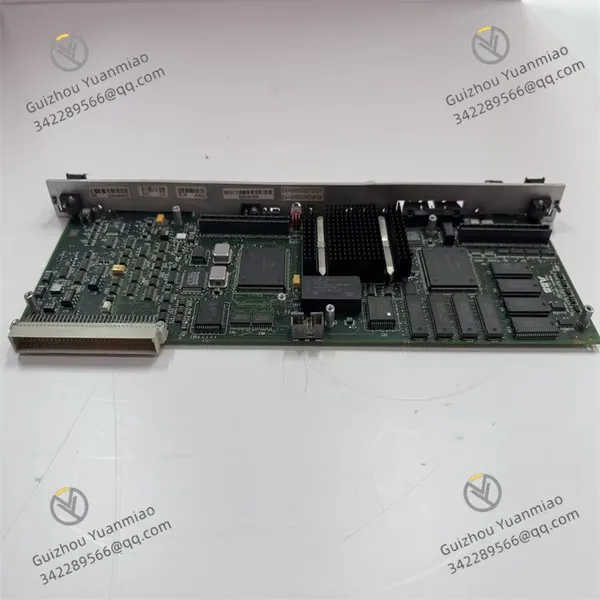
I. Product Overview
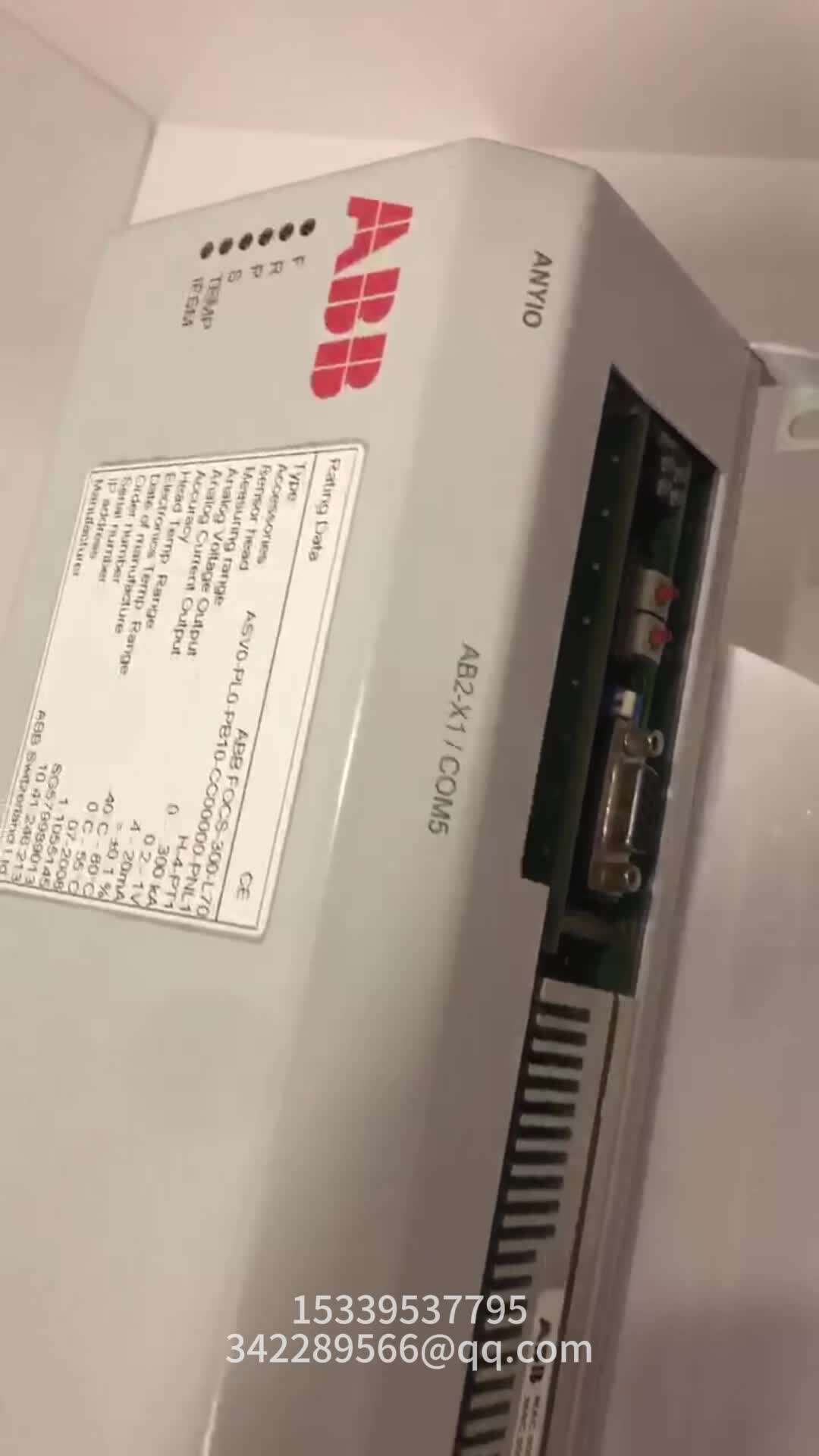
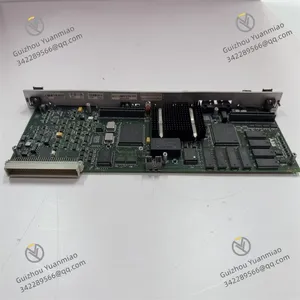
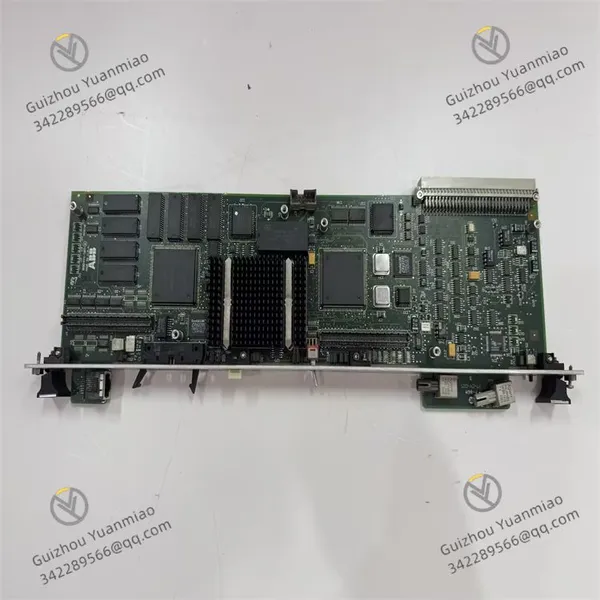
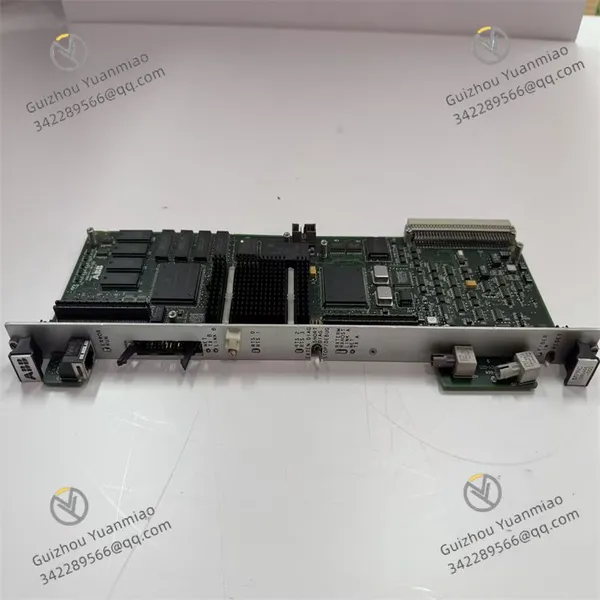
ABB 086444-005, also known as the MPRC 086444-005 Measurement Process Board, is a device that plays a crucial role in the field of industrial automation. It is meticulously developed by ABB Group, a world-renowned industrial technology enterprise. Its core positioning is to achieve accurate measurement, efficient processing, and stable transmission of complex signals in industrial sites, providing reliable front-end data support for various automated control systems. It serves as a vital "signal hub" in the industrial control closed loop.
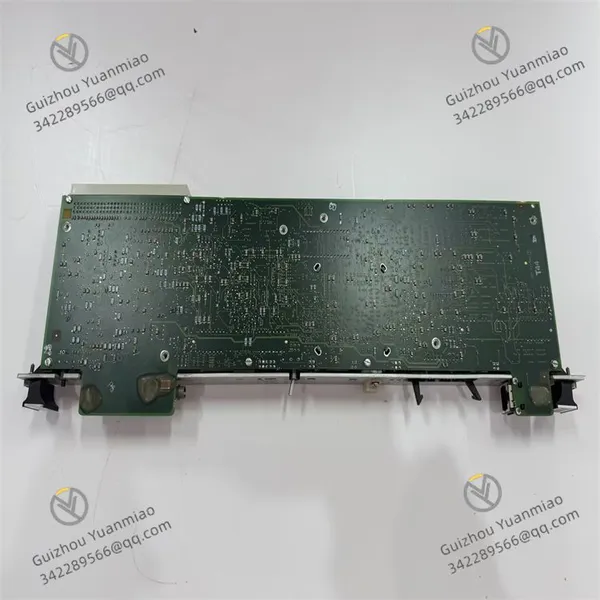
This product features a compact and robust design with precisely calculated dimensions, which is compatible with the internal space layout of various industrial cabinets and facilitates integration into different industrial control systems. The housing is made of high-quality fire-resistant and dust-proof materials, meeting relevant industrial standards for protection class. It can effectively resist dust, moisture, and accidental mechanical impacts in industrial environments, ensuring stable operation under harsh working conditions. In terms of internal structure, it adopts an advanced multi-layer circuit board design with a compact and reasonable circuit layout and clear division of functional modules, which greatly improves the efficiency and stability of signal processing. For heat dissipation, through the clever layout of heat sinks and the design of air circulation channels, the internal heat can be quickly dissipated, ensuring that the core chips and circuits remain within the appropriate operating temperature range even when the device is running at high load for a long time.

II. Technical Parameters
1. Electrical Parameters
2. Environmental and Reliability Parameters
3. Communication and Configuration Parameters
III. Functional Characteristics
Accurate Measurement and Processing of Multiple Types of Signals
Analog Signal Processing
ABB 086444-005 has strong analog signal processing capabilities and can simultaneously access multiple types of analog sensor signals, such as millivolt-level signals from temperature sensors, 4-20mA current signals from pressure sensors, and 0-5V voltage signals from liquid level sensors. It integrates a high-precision A/D conversion module with a resolution of up to 16 bits, which can accurately convert analog signals into digital signals and control the conversion error within a very small range. Taking the temperature monitoring of a reaction kettle in chemical production as an example, it can accurately capture the weak voltage changes output by the temperature sensor. Even if the temperature fluctuates by only 0.1℃, it can accurately measure and convert it into a digital quantity, providing precise temperature data for the control system and facilitating the accurate regulation of the production process. At the same time, in view of the susceptibility of analog signals to interference, the module is internally designed with multiple filtering circuits, including low-pass filtering, high-pass filtering, and band-pass filtering, which can be flexibly configured according to actual application scenarios. These circuits effectively filter out various interference signals generated by the complex electromagnetic environment in industrial sites, ensuring the accuracy and stability of measurement data.
Digital Signal Processing
The module also performs excellently in digital signal processing. It supports the input of multiple types of digital signals, such as dry contact signals, wet contact signals, and TTL level signals. Equipped with a high-speed digital signal acquisition circuit, it can quickly respond to changes in digital signals, with a signal response time of less than 1ms, making it suitable for application scenarios that require highly accurate capture of signal changes, such as the monitoring of equipment start-stop status in high-speed production lines. For the logical processing of digital signals, the module has a built-in programmable logic unit. Users can program to perform logical operations (such as AND, OR, NOT) on the input digital signals according to actual control requirements, realizing complex logical control functions. For example, in an automated warehousing system, it can judge whether to execute the goods storage operation through logical operations based on multiple digital signals, such as the status of goods detection sensors, the operation status of motors, and the occupancy of storage locations, which greatly improves the automation level of warehouse management.
2. High-Speed and Stable Data Transmission
Fiber Optic Communication Interface
To meet the demand for high-speed and reliable data transmission in industrial automation systems, ABB 086444-005 is equipped with a high-performance fiber optic communication interface that supports direct fiber optic connection. Fiber optic communication has significant advantages such as high bandwidth, strong anti-interference ability, and long transmission distance. In terms of data transmission rate, its fiber optic interface can achieve a transmission rate of up to 1Gbps, which can quickly transmit a large amount of measurement data and processing results to the upper-level control system, meeting the needs of industrial application scenarios with extremely high real-time requirements. For example, in the blast furnace automation control system of a large iron and steel plant, a large amount of equipment operation parameters and process data need to be transmitted and processed quickly. The high-speed fiber optic communication interface of this module can ensure that the data is delivered in a timely and accurate manner, guaranteeing the efficient and stable operation of the production process. At the same time, since fiber optic communication is not affected by electromagnetic interference, it can reliably transmit data in industrial sites with strong electromagnetic environments, such as power substations and large motor-driven workshops, avoiding data packet loss and bit errors, and greatly improving the stability and reliability of data transmission.
Backplane Bus Communication
In addition to the fiber optic communication interface, the module also communicates with other components in the system through a high-speed backplane bus. The backplane bus adopts an advanced communication protocol with a data transmission rate of up to 30MB/s, enabling low-latency data interaction with the main controller, other I/O modules, and other devices. In industrial automation systems, data interaction between various components is frequent and has strict requirements on real-time performance. The high-speed backplane bus can ensure smooth communication between ABB 086444-005 and other devices, realizing fast data sharing and collaborative work. For example, in the automation control system of an automobile manufacturing production line, through the backplane bus, the module can quickly transmit the collected equipment operation status, production process parameters, and other data to the main controller. After analysis and processing, the main controller can quickly issue control commands to the executive mechanisms through the backplane bus, realizing the efficient and automated operation of the production line.
3. Comprehensive Fault Diagnosis and Self-Protection
Real-Time Fault Monitoring
ABB 086444-005 has a powerful real-time fault monitoring function, which can conduct comprehensive and real-time monitoring of its own operation status. At the hardware level, through a variety of built-in sensors, it real-time monitors key parameters such as power supply voltage, chip temperature, and operating current of each functional module. Once it detects that the power supply voltage is outside the normal operating range (e.g., lower than 18V DC or higher than 32V DC), the chip temperature is too high (exceeding 70℃), or the operating current of a certain functional module is abnormal, the module will immediately trigger the corresponding fault alarm signal. At the software level, it uses advanced algorithms to conduct real-time analysis of input and output signals, enabling timely detection of abnormal situations such as signal loss and signal errors. For example, when it detects that an analog input signal remains unchanged for a long time or a digital input signal has abnormal jumps, the system will judge it as a signal fault and issue a corresponding fault prompt.
Fault Diagnosis and Reporting
When a fault occurs, the module can not only detect it in a timely manner but also has accurate fault diagnosis capabilities. Through the built-in fault diagnosis program, it can quickly locate the location and cause of the fault and generate a detailed fault report. The fault report contains rich information, such as the time when the fault occurred, the fault type (e.g., hardware fault, software fault, signal fault), the specific fault location (e.g., fault of the A/D conversion module of a certain channel, short circuit of a certain digital input pin), and the analysis of possible causes of the fault. This detailed fault information provides strong support for maintenance personnel to quickly troubleshoot and resolve faults, greatly shortening the fault troubleshooting time and improving the maintainability of the system. For example, in a petrochemical production device, when ABB 086444-005 detects an abnormal signal in a certain channel, it can quickly diagnose that the signal loss is caused by a fault in the front-end sensor of that channel, and clearly indicate the location and fault type of the faulty sensor in the fault report. Maintenance personnel can quickly replace the faulty sensor according to the report to restore the normal operation of the system.
Self-Protection Mechanism
To prevent the further expansion of faults, ABB 086444-005 is also equipped with a complete self-protection mechanism. When a serious fault is detected, the module will automatically take corresponding protective measures, such as cutting off the circuits that may be affected by the fault to prevent the fault from spreading to other components. For some recoverable faults, the module will attempt to repair them automatically. For example, when it detects that the module operates abnormally due to an instantaneous fluctuation of the power supply voltage, the module will automatically activate the internal voltage stabilization circuit to adjust the voltage, and automatically resume normal operation after the voltage returns to normal. In terms of communication, when a fault is detected in the communication link, the module will automatically switch to the backup communication link (if available) to ensure the continuity of data transmission. For example, in the substation automation monitoring system of the power system, when a communication link fails due to external interference, the module can quickly switch to the backup fiber optic link to ensure the continuous upload of substation equipment operation data, avoiding monitoring blind spots caused by communication interruptions and ensuring the safe and stable operation of the power system.









 Contact Platform Support
 Help Center