








 Contact Platform Support
 Help Center
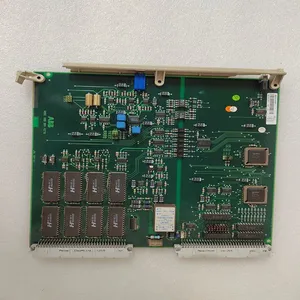
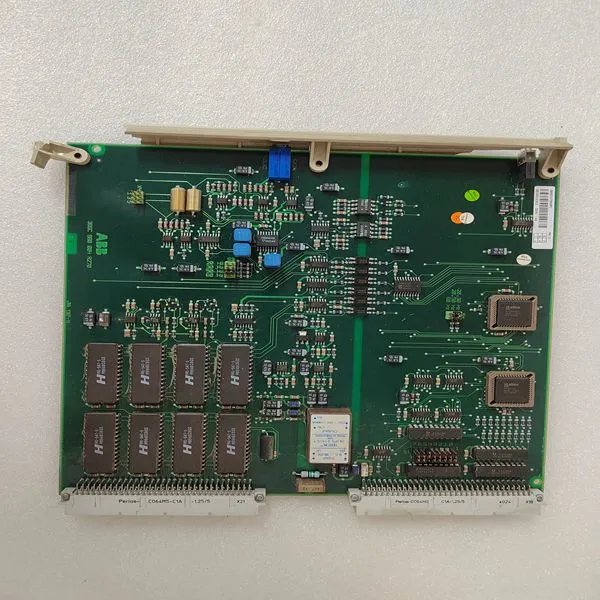
DSDI146 3BSE007949R1


Related Products
Brand: ABB
Type:DSDI146 3BSE007949R1
Origin: the Swiss
Warranty: 365 days
Colour: new/used
Shipping method: Courier delivery
Module of PLC, DCS, ESD system card, the card is a vibration monitoring system, steam turbine control system module, the advantages of the gas generator spare parts brand: Allen Bradley, BentlyNevada, ABB, Emerson Ovation, Honeywell DCS, Rockwell ICS Triplex, FOXBORO, Schneider PLC, GE Fanuc, Motorola, HIMA, TRICONEX, Prosoft etc. Various kinds of imported industrial parts of our products are widely used in metallurgy, petroleum, glass, aluminum manufacturing, petrochemical industry, coal mine, papermaking, printing, textile printing and dyeing, mechanical, electronic manufacturing, automobile manufacturing, plastic machinery, electric power, water conservancy, water treatment/environmental protection, boiler heating, energy, power transmission and distribution and so on.
The following remote auxiliary control indications are available through the Modbus links: Remote Aux is Enabled, Remote Aux is Active, Remote Aux is In Control, Remote Aux is Inhibited, and Remote Aux Input Failed Alarm. In addition to these indications, the Remote Aux Input Setpoint is also available. NOTE Relay indications can be programmed to indicate Remote Aux Control Active and Remote Aux Control Enabled status parameters. Remote / Speed Bias (RMT) Key Screens For this key to be active, the Remote Speed Setting, Synchronizing, or Load Sharing functions must be programmed. The Synchronizing and Load Sharing functions are configured by programming the respective function to an analog input. Figure 5-13 shows the possible screens that may appear if the RMT key is pressed. Only the screens related to the functions programmed will be displayed. Screens 3 and 4 appear when the Synchronizing analog input is programmed, screens 1 and 2 appear when Sync/Load Sharing analog input is programmed, and screens 5 and 6 appear when Remote Speed Setpoint input is programmed.
Remote Speed Setpoint The Speed PID setpoint can be remotely set by an analog input, if programmed. This Remote Speed Setpoint input can be enabled by pressing the front panel YES key from the Remote Speed Status screen (screen 6), closing the Remote Speed Setpoint Enable/ Disable contact (if programmed), or selecting Enable Remote Speed Setpt Control from either Modbus communications link (see Table 5-9). Remote Speed Setpoint input is disabled by pressing the front panel NO key from the Remote Speed Status screen (screen 6), opening the Remote Speed Control Enable/ Disable contact (if programmed), or selecting Disable Remote Speed Setpt Control from either Modbus communications link. MESSAGE 4 MEANING Disabled Remote is not selected Inhibited Remote is inhibited and cannot be enabled Enabled Remote is enabled but not in control of the Setpt Active Remote is in control of the Setpt but not in control of the actuator output In Control Remote is in control of the Setpt and in control of the actuator output Table 5-9. Remote Speed Messages The following Remote control indications are available through the Modbus links: Remote Speed Setpt is Enabled, Remote Speed Setpt is Active, Remote Speed Setpt is In Control, Remote Speed Setpt is Inhibited, and the Remote Speed Setpt Input Failed Alarm. In addition to these indications, Remote Speed Setpt Input analog value is also available. Relay indications can be programmed to indicate Remote Speed Setpt Active and Remote Speed Setpt Enabled status parameters. Synchronizing and/or Loadsharing The Synchronizing feature allows an analog input to bias the speed setpoint when using a DSLC for synchronization. The Synchronizing analog input is enabled by pressing the front panel YES key from the Sync Status screen (screen 4), closing the Sync Enable contact (if programmed), issuing an enable demand through an “F” key, or selecting Sync Enable from either Modbus communications link. The Synchronizing & Load Sharing feature allows an analog input to bias the speed setpoint when using a DSLC for synchronizing and load sharing.  Load sharing is enabled automatically based on the generator and utility tie breaker status inputs. The Sync/Load Share input is enabled by pressing the front panel YES key from the Sync Status screen (screen 4), closing the Sync/Ld Share Enable contact (if programmed), issuing an enable command through an “F” key, or selecting Sync Enable from either Modbus communications link.

Send Inquiry to This Supplier


You May Also Like
-
RF522 3BSE000743R1US$ 1067 - 2058MOQ: 1 Piece
-
TC512V1 3BSE018059R1US$ 1067 - 2058MOQ: 1 Piece
-
TK803V018US$ 1067 - 2058MOQ: 1 Piece
-
5SHX2645L0004 3BHL000389P0104US$ 1067 - 2058MOQ: 1 Piece
-
UNITROL 1020 UNS0119A-Z,V1 3BHE030579R0003US$ 1067 - 2058MOQ: 1 Piece
-
TP830 3BSE018114R1US$ 1070 - 2061MOQ: 1 Piece
-
5SHX1445H0001 3BHL000391P0101US$ 1070 - 2061MOQ: 1 Piece
-
3BHB003230R0101 5SXE05-0152US$ 1070 - 2061MOQ: 1 Piece
-
REF615C_C HCFFAEAGANB2BAN1XCUS$ 1070 - 2061MOQ: 1 Piece
-
SK827005 SK827100-ASUS$ 1070 - 2061MOQ: 1 Piece


