








 Contact Platform Support
 Help Center
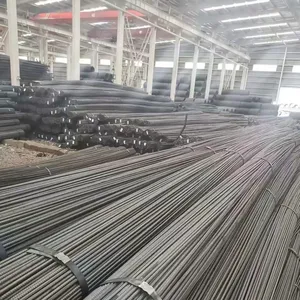
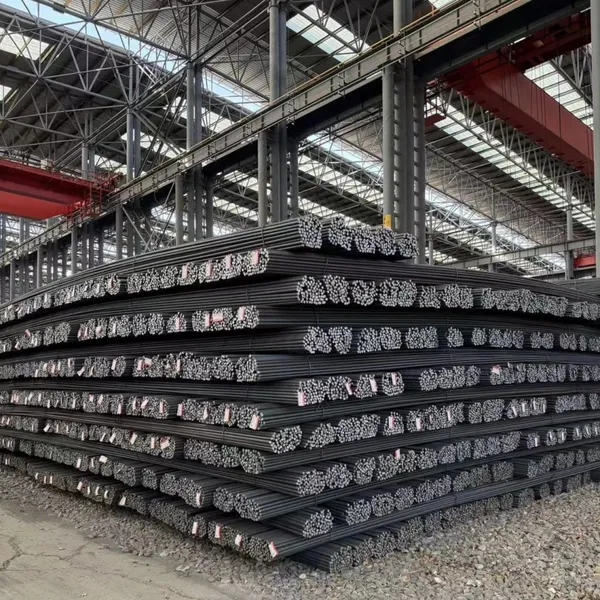
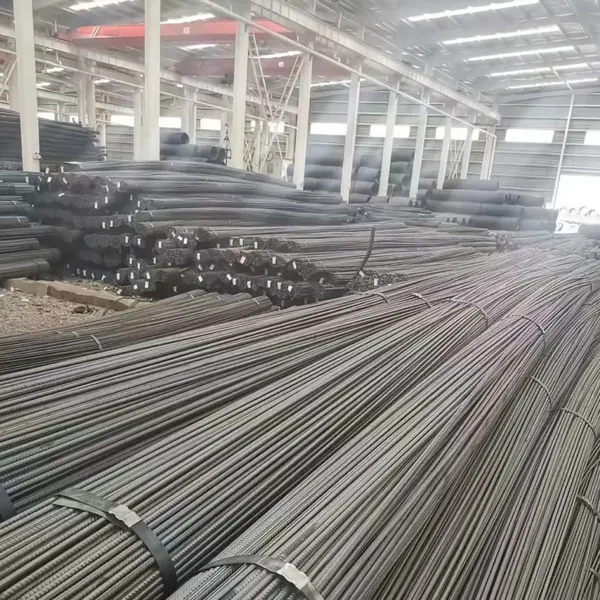
Steel Rebar & Deformed Steel Bar,Φ12/14/16/18/20/22/25/28/32mm


Related Products
-
 Steel Wire & Electro Galvanized Wire,Q195、Q235、Q235B、SWC、SWP-BNegotiableMOQ: 5 Metric Tons
 -
Flat Steel & Flat Steel Bar,20×3、25×4、30×4、40×4、40×5、50×5、50×6、60×6、80×8、100×10NegotiableMOQ: 5 Metric Tons
-
Steel Angle & Light Thin Wall Angle Iron,20#、25#、30#、40#、50#、63#、70#、80#、100#NegotiableMOQ: 5 Metric Tons
-
Steel H Beam & H Section Steel / Wide Flange H Beam,100×100、150×150、200×100、250×250、300×150、300×300、400×200、400×400、500×300、600×300、700×300、900×300NegotiableMOQ: 5 Metric Tons
-
Galvanized Flat Bar&Flat Steel,GB/T 704, GB/T 13912, ASTM A123, JIS G3302NegotiableMOQ: 5 Metric Tons
1. Basic Product Definition
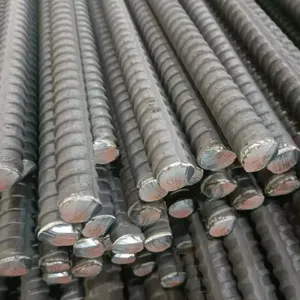
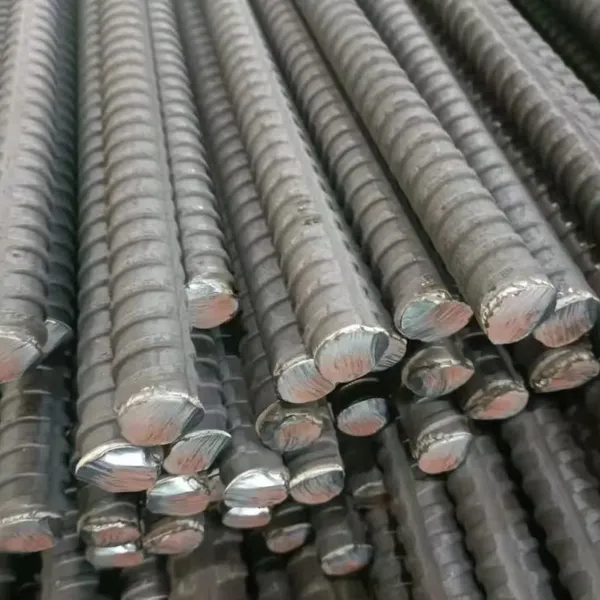
The formal name of deformed steel bar is Hot Rolled Ribbed Steel Bar (Rebar). Its surface is equipped with two longitudinal ribs and evenly distributed crescent or spiral transverse ribs. The ribs greatly enhance the bonding force with concrete. As the core load-bearing steel for reinforced concrete structures, it is widely applied in civil construction, infrastructure, bridges, tunnels, high-rise buildings and other projects.
Explanation of Grade Markings
HRB: Hot-Rolled Ribbed Bar
Numbers: Standard yield strength value (MPa)
Suffix E: Seismic rebar (meets special seismic mechanical indicators)
Suffix F: Fine grain hot rolled rebar
Main grades: HRB400, HRB400E (commonly used in the market), HRB500, HRB500E, HRB335 (gradually phased out)
2. Applicable Standards
Domestic National Standard: GB 1499.2-2024 Steel for Reinforced Concrete — Part 2: Hot Rolled Ribbed Bars
International Export StandardsAmerican Standard ASTM A615/A615M, European Standard BS4449, Japanese Standard JIS G3112, Australian Standard AS4671, UK CARES Certified Standard, general TMT standard for Middle East and Southeast Asia markets
3. Specification Parameters
3.1 Nominal Diameter (mm)
Coiled Rebar: Φ6, Φ8, Φ10
Straight Rebar: Φ12, 14, 16, 18, 20, 22, 25, 28, 32, 36, 40, 50
3.2 Standard Fixed Lengths
Regular stock lengths: 9m, 12m; Custom lengths available: 5.8m, 6m, 10m, 11m or lengths specified by clients
3.3 Theoretical Weight per Meter (Industry Standard)
Φ12=0.888kg/m, Φ16=1.58kg/m, Φ20=2.47kg/m, Φ25=3.85kg/m, Φ32=6.31kg/m
3.4 External Structure
Crescent-shaped transverse ribs distributed symmetrically with an inclination angle ≥45° to guarantee anchoring force. Brand, specification and mill logo are clearly rolled on the surface for quality traceability.
4. Material & Chemical Composition
The base material is low-alloy structural steel, mainly 20MnSiV. Main chemical composition control range:C≤0.25%, Si≤0.80%, Mn≤1.60%, S≤0.045%, P≤0.045%.Seismic rebar (Grade E) adopts stricter control on harmful impurities sulfur and phosphorus, with optimized yield-to-tensile ratio and uniform elongation to resist brittle fracture under seismic load.
5. Core Mechanical Properties (National Standard)
HRB400E Seismic Rebar (Main Product)
Yield Strength Re ≥400MPa
Tensile Strength Rm ≥540MPa
Elongation after Fracture A ≥16%
Special Seismic Indexes: Tensile-yield ratio Rm/Re ≥1.25; Ratio of measured yield strength to standard yield strength ≤1.30; Uniform elongation Agt ≥9%
HRB500E High-Strength Seismic Rebar
Minimum yield strength 500MPa, minimum tensile strength 630MPa. Suitable for super high-rises, long-span bridges and heavy-duty factories, which can reduce steel consumption by about 20% under the same bearing capacity.
6. Complete Production Process
Smelting: Blast furnace ironmaking → Converter/EAF steelmaking, precise alloy proportioning and removal of sulfur & phosphorus impurities
Continuous Casting: Molten steel cast into standard square steel billets
High-Temperature Rolling: Billets heated above 1100℃, integrated rough rolling, intermediate rolling and finish rolling to form surface ribs
Cooling & Finishing: Air cooling / Water penetration temperature control, straightening and fixed-length cutting
Full Inspection & Warehousing: Random inspection of tensile, bending, metallographic and dimensional deviation, original mill quality certificate issued
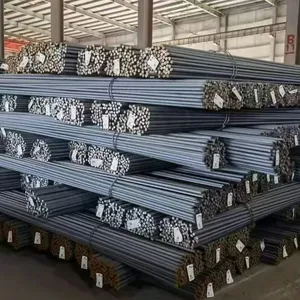
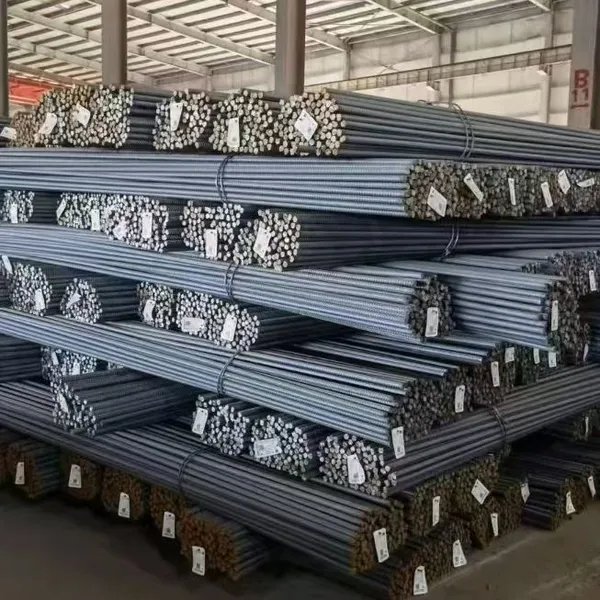
Bundling & Marking: Packed in bundles with metal tags marked with material grade, size, heat number and batch number
7. Product Classification
7.1 By Delivery Form
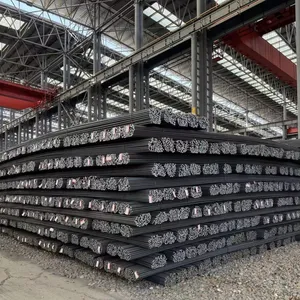
Straight Rebar: Φ12 and above, fixed lengths of 9/12m, main material for beams, columns and foundation piles in civil engineering
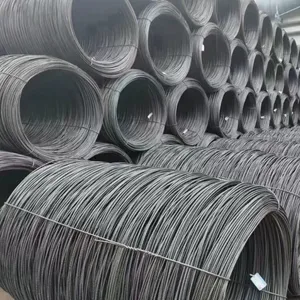
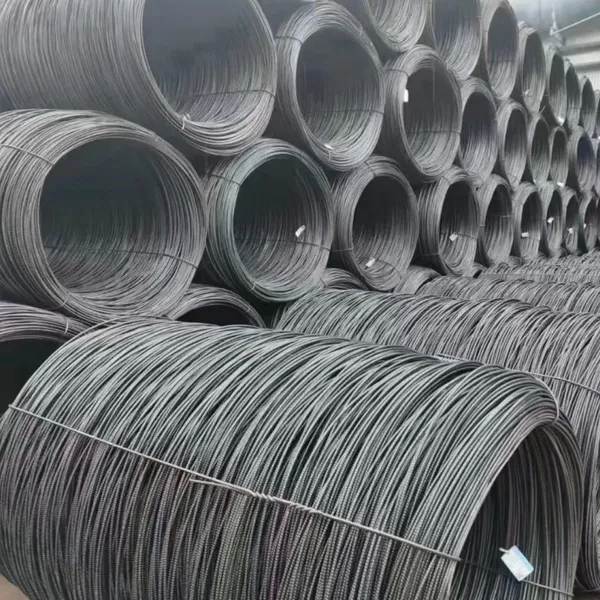
Coiled Rebar: Φ6/8/10 delivered in coils, used for floor slabs, stirrups and small components, straightenable on construction site
7.2 By Strength Grade
Ordinary HRB series, seismic HRBE series, fine grain HRBF series, high-grade HRB500/600
7.3 By Manufacturing Process
Ordinary hot rolled ribbed rebar, thermo-mechanical treated TMT rebar (main export grade), fine rolled rebar (special for prestressing)
8. Product Advantages
Strong Anchoring Performance: Surface ribs tightly interlock with concrete to avoid sliding under force, far safer than plain round bars for structural projects
Balanced Comprehensive Mechanical Performance: High strength, good ductility, excellent cold bending and welding performance, compatible with binding, welding and mechanical splicing construction techniques
Stable Seismic Resistance: HRB400E complies with domestic building seismic codes, resisting brittle fracture under earthquake conditions
High Cost Performance: HRB400 replaces old Grade 2 rebar, cutting steel consumption per project and lowering overall construction cost
Export Compatibility: Manufacturable to multiple international standards with CARES, ISO and other export certifications. Shipment available from Tianjin Port.
9. Main Application Fields
Civil Buildings: Beams, columns, floor slabs, shear walls and foundation piles of residential buildings, office towers and shopping malls
Transportation Infrastructure: Expressways, railway bridges, tunnels, docks and airport terminals
Municipal Works: Underground pipe galleries, sewage treatment plants, reservoirs, dams and retaining walls
Industrial Projects: Heavy-duty workshops, warehouses, large equipment foundations and wind power bases
10. Surface Quality & Packaging
Surface Standards
No cracks, seams, folds or delamination on surface; slight iron oxide scale is acceptable; no oil or excessive rust defects; flat cutting ends for each bar.
Packaging Methods
Straight Rebar: 2–3 tons per bundle, fastened with 4–6 steel straps. Metal tags hung on both ends marked with steel mill, grade, size, heat batch and weight
Coiled Rebar: Single coil weight 1.8–2.5 tons, bound with steel wires and attached with paper labels
Export Packaging: Custom anti-rust oil, plastic end caps and rainproof tarpaulins available to prevent moisture during sea transportation
11. Delivery Supporting Information
Loading Port: Tianjin Port, Lead Time: 5–7 working days
Payment Term: 30% TT advance deposit + 70% balance against copy of Bill of Lading
Attached Documents: Original mill test certificate, material report, commodity inspection certificate, export customs clearance documents (CO / FTA Certificate of Origin available)

Send Inquiry to This Supplier



You May Also Like
-
Steel Rebar&Deformed Steel Bar,HRB400、HRB400E、HRB500、HRB500E、Grade 40、Grade 60NegotiableMOQ: 5 Metric Tons
-
Steel Angle&Galvanized Angle Steel,Q235B, Q355B, S235JR, S355JR, A36, A572 Gr50NegotiableMOQ: 10 Metric Tons
-
Steel H Beam&H Beam ,Q235B, Q355B, S235JR, S235J0, S235J2, S355JR, S355J0, S355J2, A36, A572 Grade 50, A992NegotiableMOQ: 10 Metric Tons
-
Steel Pipe & Tube&Seamless Steel Pipe,Q235B, Q355B, 10#, 20#, 16Mn, L245, L360, SS330, SS400, A53 Gr.BNegotiableMOQ: 5 Metric Tons
-
Steel Wire&Galvanized Steel Wire,Q195, Q235, 45#, 55#, 60#, 65#, 70#, 72A, 82BNegotiableMOQ: 5 Metric Tons
-
Steel Coil & Strip&Cold Rolled Steel Coil,Q195, Q215, Q235B, Q355B, SPCC, SPHC, DC01, DC04NegotiableMOQ: 5 Metric Tons
-
Ship Plate&Normal-Strength Ship Plates, A, B, D, E, AH32, DH32, EH32, AH36, DH36, EH36NegotiableMOQ: 5 Metric Tons
-
Hot-dip Galvanized Square Tubes&Steel Pipe & Tube,Q195, Q215, Q235B, Q355B, API 5L Gr.BNegotiableMOQ: 5 Metric Tons
-
Carbon Steel Pipe&Seamless Steel Pipe, A53 Gr.B, API 5L Gr.B, Q235B, Q355B, 10#, 20#NegotiableMOQ: 5 Metric Tons
-
Vessel Plate&Steel Sheet & Plate,A, B, D, E, AH32, DH32, EH32, AH36, DH36, EH36NegotiableMOQ: 5 Metric Tons


