








 Contact Platform Support
 Help Center
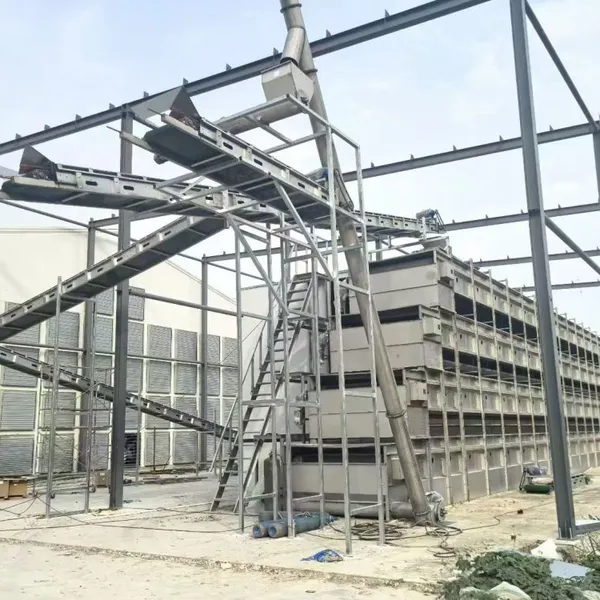
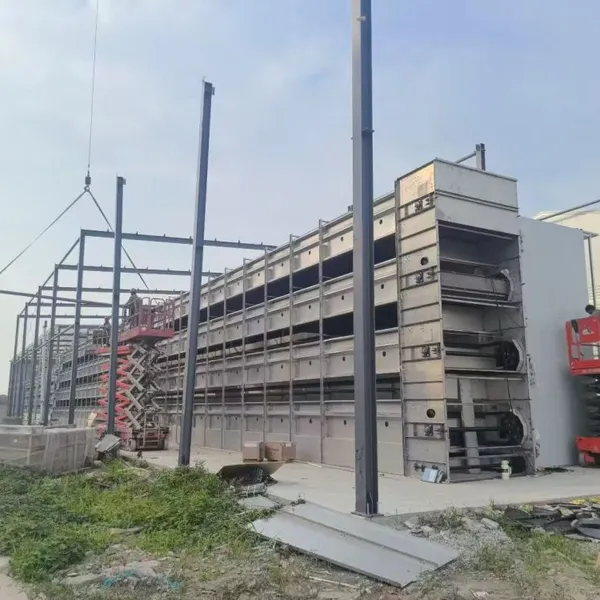
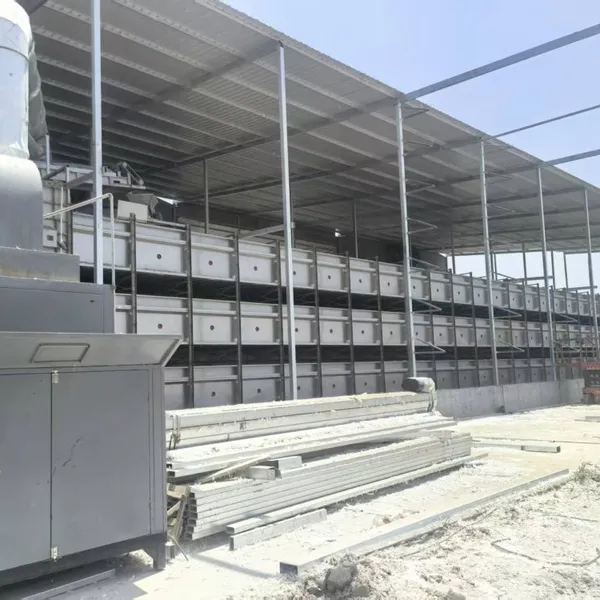
Technical Process of Air Energy Grain Drying Machine
Product Spotlights
Outdoor fans draw in ambient air. The refrigerant in the evaporator absorbs heat from the air, and liquid refrigerant evaporates into low-temperature, low-pressure gas.
Compression and Temperature Rise



Related Products
-
 Low-temperature Sludge Drying Equipment - Shandong Sludge Treatment Equipment ManufacturerNegotiableMOQ: 0
 -
Shandong Fuhang Environmental Protection - Manure Treatment Equipment, Organic Fertilizer Fermentation Equipment, Fermentation TankNegotiableMOQ: 0 Set
-
Sludge Fermentation Tank - Shandong Fuhang Environmental Protection Tank-type Fermentation EquipmentNegotiableMOQ: 0 Unit
-
Sludge Drying Equipment - Sludge Fermentation Treatment EquipmentNegotiableMOQ: 0 Unit
-
Electric Ride-on Floor Sweeper - Shandong Fuhang Environmental ProtectionNegotiableMOQ: 0 Unit
I. Basic Working Principle (Reverse Carnot Heat Pump Cycle)
The air-energy grain dryer relies mainly on an air-source heat pump to transfer low-grade heat from ambient air. Only a small amount of electric power is consumed to drive the compressor, and one unit of electricity can capture 3 to 4 units of free heat from the air. This is different from coal-fired, oil-fired and pure electric heating modes that generate heat directly.
Complete Refrigerant Circulation Process
Heat Absorption & EvaporationOutdoor fans draw in ambient air. The refrigerant inside the evaporator absorbs heat from the air, and liquid refrigerant evaporates into low-temperature and low-pressure gas.
Compression & Temperature RiseGaseous refrigerant enters the compressor for pressurization and turns into high-temperature, high-pressure gas at 80~100℃.
Heat Release & Hot Air GenerationHigh-temperature refrigerant flows through the condenser to heat circulating air and form low-temperature drying hot air of 40~50℃.
Throttling & CirculationAfter releasing heat, the refrigerant liquefies. It is cooled and depressurized through the expansion valve before returning to the evaporator to repeat the heat absorption cycle.
Hot air operates in a closed loop inside the drying tower together with waste heat recovery. Heat from high-humidity exhaust gas is recycled for secondary use without direct waste heat discharge, which is the core energy-saving principle.
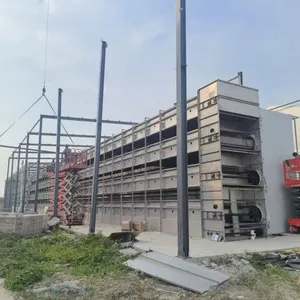
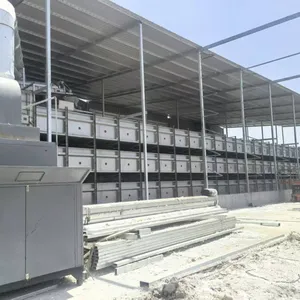
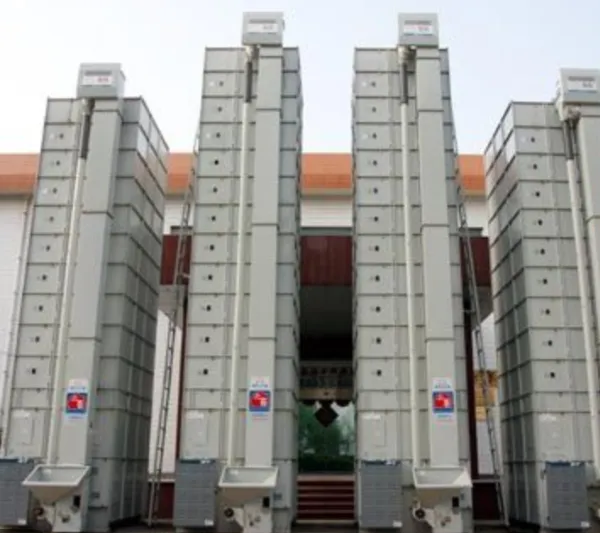
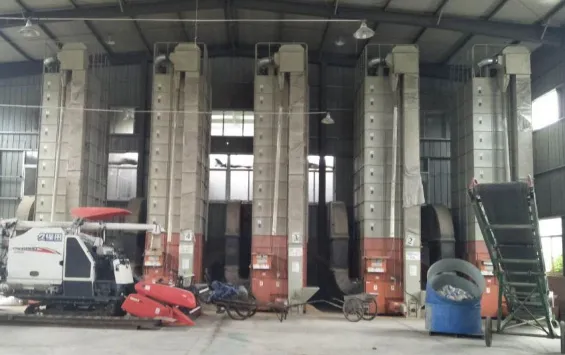
Complete Set of Air-Energy Drying Tower Equipment
Air-source Heat Pump Main Unit
II. Complete Standardized Drying Process (Applicable to Paddy, Corn and Wheat)
Process 1: Raw Grain Pretreatment, Impurity Removal and Feeding
High-moisture raw grain (22%~30%) passes through a vibrating cleaner to remove straw, dust and stones, avoiding air duct blockage and grain contamination.A bucket elevator transports cleaned grain into the storage bin of the drying tower with a filling volume controlled at 70%~80% to ensure uniform grain falling.An online moisture sensor automatically collects the initial moisture content, and the PLC matches the dedicated drying curve for corresponding crops.
Process 2. Staged Low-temperature Drying (Core Process for Quality Improvement)
The heat pump achieves precise temperature control with safe low-temperature limits for different grains to prevent crack formation and scorching caused by high temperature:
Paddy: Drying hot air ≤45℃
Corn / Wheat: ≤50℃
Seeds: Ultra-low temperature of 38~42℃
The tower body adopts two heat exchange structures: mixed-flow and counter-flow:
Mixed-flow Tower: Hot air penetrates the grain layer in an S-shaped cross flow. Grain falls slowly and uniformly from top to bottom for even heating across the whole bin, suitable for conventional drying.
Counter-flow Tower: Hot air performs reverse heat exchange from bottom to top with a larger temperature difference, delivering higher efficiency for super high-moisture grain with moisture content over 30%.
Hot air carries away free water on the grain surface and discharges saturated exhaust gas with relative humidity of 85%~95%.
Process 3: Exhaust Gas Dust Removal & Waste Heat Recovery (Key to Energy Saving)
Saturated humid exhaust gas first goes through bag / pulse dust removal to trap grain dust with zero dust emission, complying with environmental protection standards.High-temperature and high-humidity exhaust gas enters the heat pump evaporator, cools down to dew point to condense water vapor for drainage, and recovers latent heat from exhaust gas simultaneously.Dehumidified and cooled cold air re-enters the condenser for secondary heating to realize recycled hot air, drastically cutting heating energy consumption.
Process 4: Layered Tempering (Core Process to Reduce Breakage Rate)
Grain after drying section is conveyed to the tempering bin and kept static for 30 to 60 minutes:After surface moisture of grain evaporates, uneven internal moisture distribution occurs. Tempering enables internal water to diffuse outward slowly and balance moisture content of each grain kernel.Repeat the "drying-tempering" cycle for 2 to 4 times. The crack rate of paddy is controlled below 1%, head rice rate increases by 8%~15%, and corn cracking and wheat breakage are greatly reduced.
Process 5: Cold Air Cooling & Automatic Discharging
When moisture reaches the standard (paddy ≤14.5%, corn ≤14%, wheat ≤13%), normal-temperature cold air is switched on to cool grain down to ambient temperature.This prevents dew formation and mildew when hot grain is directly put into warehouses and extends storage life.The system automatically starts the bottom screw conveyor for grain discharge and transfers grain to the storage area. The whole process is fully automatic without manual grain turning.
III. Core Structural Composition of Equipment
Air-source Heat Pump Main UnitEquipped with an enhanced vapor injection compressor, it stably generates heat under low temperature of -5℃. Adopting patented sliding vane defrosting technology, its heating capacity does not decline in winter.
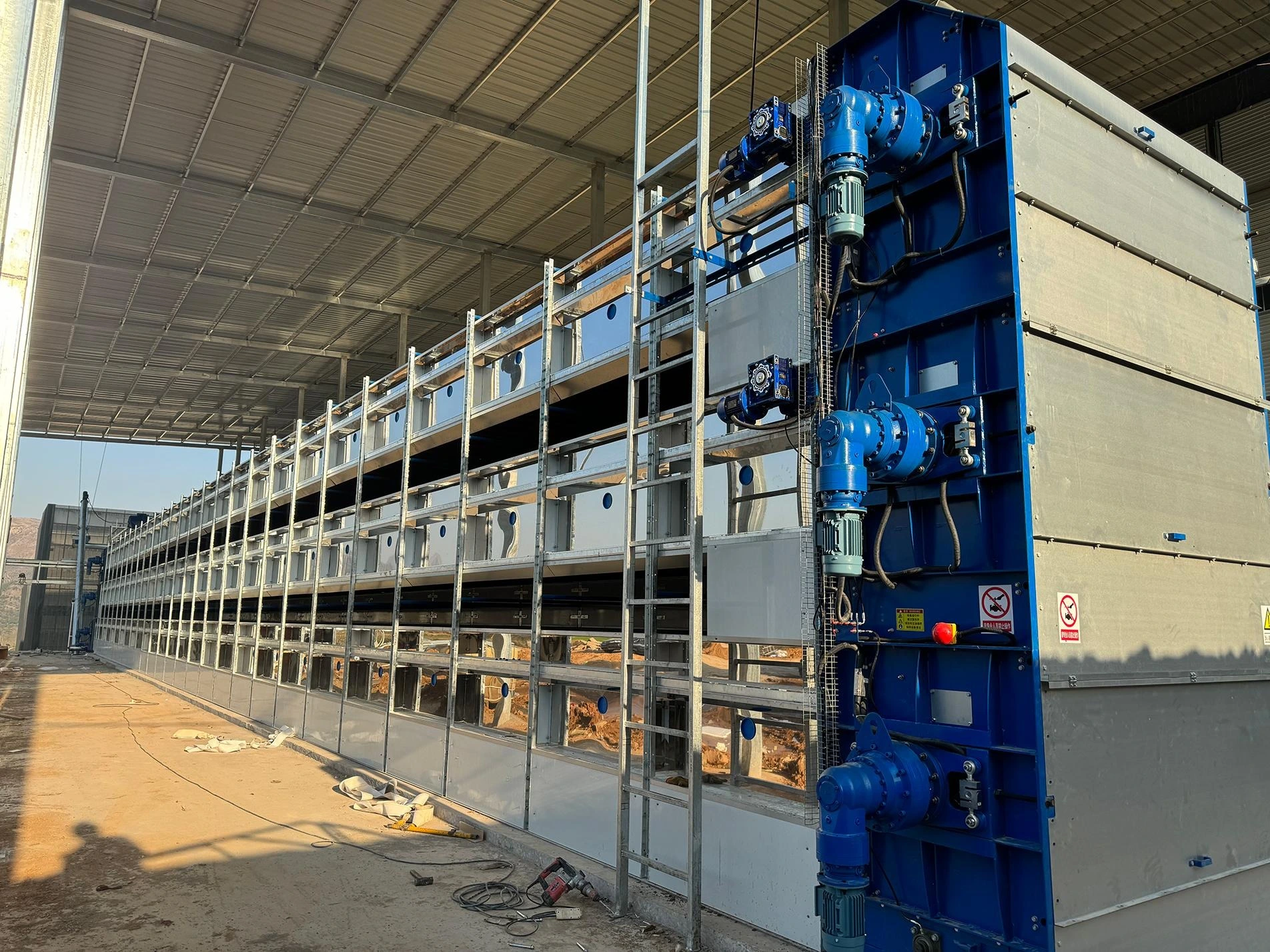
Drying Tower BodyComposed of layered drying zones, large-capacity tempering bins, conical uniform feeding bottom bins and angular tube air equalizing ducts.
Conveying SystemSealed elevator and bottom discharging screw conveyor with fully enclosed structure and zero dust leakage.
Heat Recovery & Dehumidification ModuleIntegrated evaporator waste heat recovery, condensate drainage and dust removal functions.
Intelligent Electric Control SystemPLC touch screen, online moisture meter, temperature & humidity sensors and DTU remote transmission module.
Auxiliary ComponentsCirculation fans, grain cleaners, bag filters and drainage assemblies.
IV. Summary of Core Selling Points in All Dimensions (5 Categories for Sales Promotion)
(1) Ultra-low Energy Consumption & Sharply Reduced Operating Costs
Coefficient of Performance (COP): 3.0~4.5; 1 unit of electricity produces 3~4 units of heat.
Saves 65%~70% energy compared with coal-fired dryers, over 70% compared with electric heating dryers, and 50% operating cost compared with gas-fired dryers.
Closed-loop waste heat recovery realizes 100% recycling of exhaust heat without heat loss.
Electricity cost for drying one ton of grain is only CNY 18~30, while coal-fired drying costs over CNY 60 per ton. Large-scale drying can save tens of thousands of yuan in operating expenses every year.
(2) Low-temperature Drying for Greatly Improved Grain Quality (Core Demand of Grain Depots & Rice Mills)
Constant low-temperature process at 40~50℃ avoids grain scorching and protein denaturation caused by high temperature.
Staged tempering technology limits paddy crack rate within 1%, significantly raising head rice rate and sales price of rice.
No corn cracking, less wheat breakage, and seed germination rate maintained above 95%.
Clean hot air free of smoke dust and sulfide pollution delivers even grain color, meeting high-quality grain purchasing standards.
(3) Zero Pollution & High Safety with Smooth Environmental Inspection Pass
No coal / oil combustion, zero exhaust gas, zero dust, zero residue and zero sulfur dioxide emission, free from environmental production restriction orders.
Open flame-free design without oil storage tanks or gas explosion risks, eliminating hidden dangers of fire and carbon monoxide poisoning.
Closed drying plus exhaust dust removal keeps the factory dust-free with clean workshop working environment.
Applicable to regions with strict national environmental control; no coal-fired pollutant discharge permit required.
(4) Fully Automatic & Intelligent Design to Cut Labor Cost with 24-hour Unattended Operation
Pre-installed exclusive drying curves for paddy, corn, wheat, soybean and seeds; one-click startup for automatic operation.
Real-time online moisture measurement automatically adjusts hot air temperature, dehumidification wind speed and drying duration; automatic discharging and shutdown when moisture standard is met.
Mobile APP remote monitoring: real-time viewing of moisture content, temperature, energy consumption and fault alarms for off-site management.
Precise temperature control of ±0.1~±0.5℃, far more stable than traditional coal furnaces with 5~8℃ temperature difference.
No full-time on-site attendant required, cutting labor cost by 70%; suitable for individual farmers, agricultural cooperatives and large grain depots.
(5) Stable All-weather Operation for All Scenarios with Policy Subsidies Support
Enhanced vapor injection heat pump supports normal drying in subzero winter weather, free from restrictions of rainy days and severe cold for year-round non-stop operation.
Full series of models available: small 3-ton units for individual farmers, 10~30-ton units for cooperatives and over 50-ton large units for grain depots.
Included in national agricultural machinery subsidy catalog; purchasers can enjoy 30%~40% subsidy to lower equipment investment threshold.
Alternating compressor operation reduces unit wear with easy maintenance; only regular filter cleaning needed, no costs for furnace ash cleaning or fuel storage & transportation.
Small floor space without supporting coal yards, oil tanks or flues, resulting in low plant renovation investment.

Send Inquiry to This Supplier

You May Also Like
-
Sludge Dehumidification and Drying All-in-one Machine - Shandong Fuhang Environmental ProtectionNegotiableMOQ: 0 Unit
-
Supply of Model F-90sa Organic Fertilizer Equipment for Rapid Sludge Fermentation Without Added ExcipientsNegotiableMOQ: 0 Unit
-
Sludge Low-temperature Drying Machine Equipment - Shandong Fuhang New Energy Environmental Protection Co., Ltd.NegotiableMOQ: 0 Unit
-
Sludge Drying Equipment - Pharmaceutical Sludge Treatment Equipment (fuhang Dryer)NegotiableMOQ: 0 Unit
-
Sludge Fermentation Equipment - Organic Fertilizer EquipmentNegotiableMOQ: 0 Unit
-
Sludge Fermentation Organic Fertilizer Equipment - Sludge Fermentation for Fertilizer ProductionNegotiableMOQ: 0 Unit
-
Sludge Treatment Process - Sludge Drying Equipment - Sludge Fermentation and Fertilizer Production EquipmentNegotiableMOQ: 0 Unit
-
Sludge Drying and Dehumidifying All-in-one Equipment - Shandong Provincial Sludge Technology r & d CenterNegotiableMOQ: 0 Unit
-
Sludge Drying and Dehumidifying All-in-one Machine EquipmentNegotiableMOQ: 0 Unit
-
Sludge Low-temperature Drying Equipment - Integrated Drying and Dehumidification MachineNegotiableMOQ: 0 Unit


