








 Contact Platform Support
 Help Center
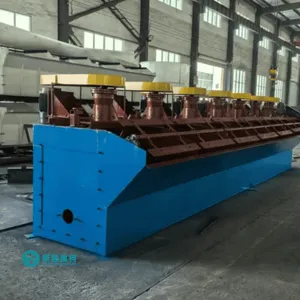
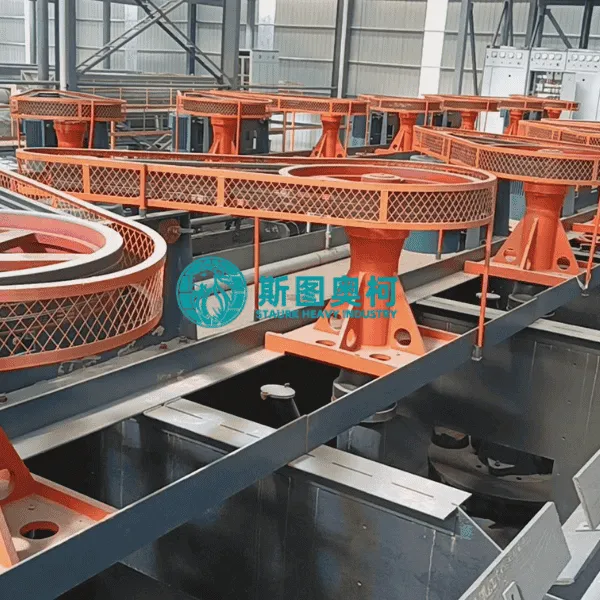
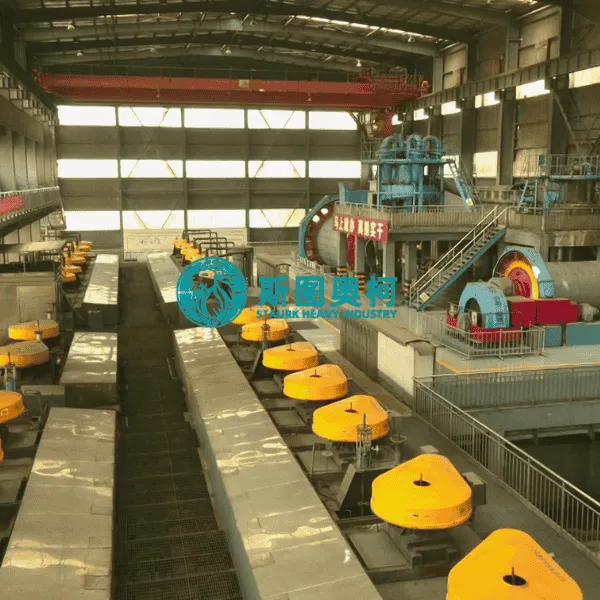
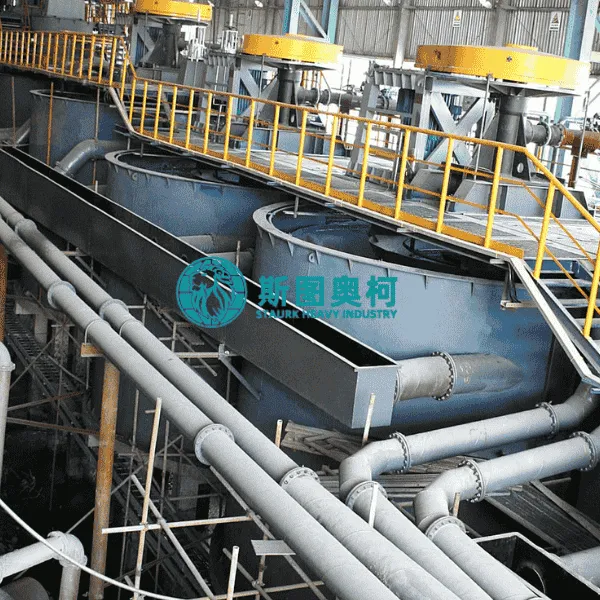
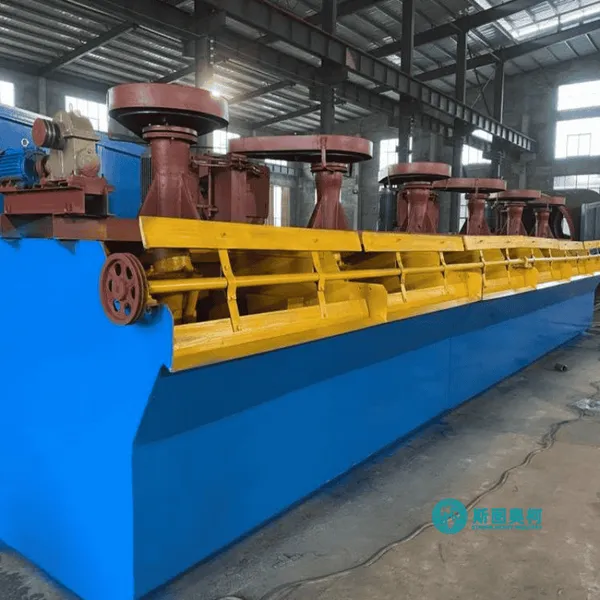
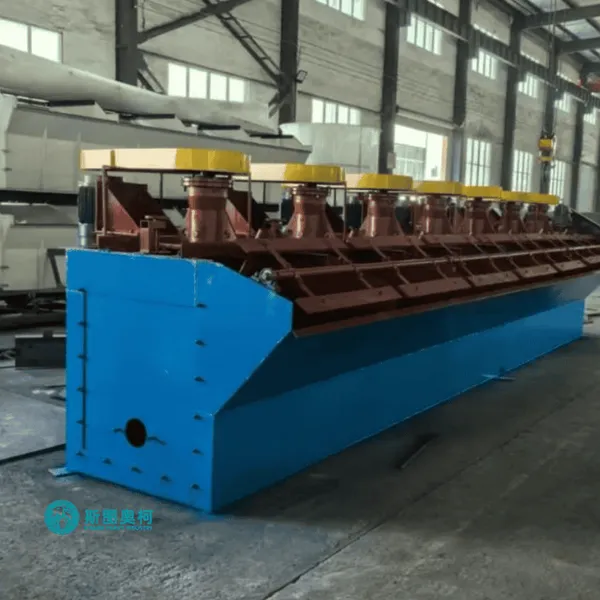
Flotation Cell for Gold CIP Plant
Product Spotlights



Related Products
-
 Flotation Cell for Small Scale Mining PlantNegotiableMOQ: 1 Set
 -
Flotation Cell for 50 TPD Mining PlantNegotiableMOQ: 1 Set
-
Flotation Cell for 500 TPD Mining ProjectNegotiableMOQ: 1 Set
-
Flotation Cell for Mining Turnkey SolutionNegotiableMOQ: 1 Set
-
Flotation Cell Plant Design for Mineral ProcessingNegotiableMOQ: 1 Set
1.Product Introduction
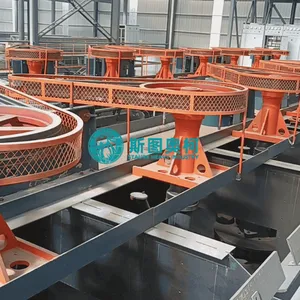
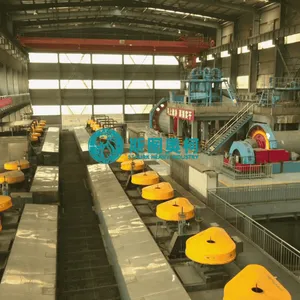
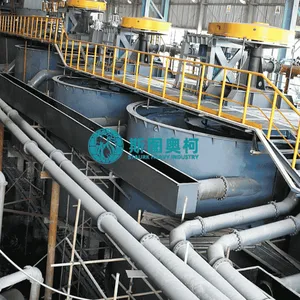
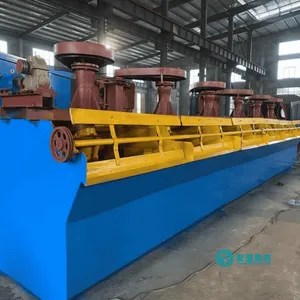
Flotation cell for gold CIP plant The flotation cell for a gold CIP (Carbon-in-Pulp) plant is a vital pre-concentration equipment designed to separate gold-bearing sulfide minerals from barren gangue rock. By floating and collecting gold-associated minerals into a high-grade concentrate, it drastically reduces the volume of material that requires downstream cyanidation, optimizing the efficiency of the carbon adsorption process.
2.Application
Flotation cell for gold CIP plant In modern gold extraction processing, integrating a flotation circuit ahead of the CIP plant is highly effective for specific ore types. The flotation cell is suitable for the following typical materials: Sulfide-Associated Gold Ores: Such as ores containing pyrite, arsenopyrite, and chalcopyrite where gold is finely disseminated within the sulfide matrix. Flotation recovers these sulfides efficiently, preventing them from consuming excessive cyanide in the CIP circuit. Gravity Circuit Tailings: Rejects from centrifugal or shaking table gravity concentrators. Flotation cells capture the fine and ultra-fine gold particles that escaped gravity separation before the remaining slurry progresses to leaching. Refractory Gold Ores: Ores requiring pre-treatment like roasting or bio-leaching. The flotation cell concentrates the refractory minerals into a fraction of the original mass, making the subsequent oxidation and CIP leaching steps economically viable.
3.Working Principle
Flotation cell for gold CIP plant A gold flotation cell utilizes differences in surface hydrophobicity to separate gold-bearing minerals from waste rock in a continuous slurry flow. Slurry Preparation: Ground gold ore is mixed with water and conditioned with specific reagents, such as xanthate collectors and frothers, which selectively coat the gold-bearing sulfide particles to make them water-repellent. Aeration and Collision: The conditioned slurry is fed into the flotation cell where a mechanical impeller or air sparger introduces finely dispersed air bubbles. The hydrophobic gold-sulfide particles attach to these rising bubbles. Concentrate Collection: The bubble-mineral aggregates rise to the top of the cell, forming a stable, gold-rich froth layer. This froth is laundered out as a high-grade concentrate for regrinding and CIP leaching, while the barren silicate gangue is discharged from the bottom.
4.Advantages
Flotation cell for gold CIP plant Capital Cost Reduction: Concentrating the gold into 5% to 10% of the original ore mass allows the downstream CIP leaching tanks, carbon regeneration systems, and detoxification circuits to be designed significantly smaller, saving millions in plant construction. Reagent Consumption Savings: Because the vast majority of barren waste rock is discarded prior to cyanidation, the consumption of expensive chemicals like sodium cyanide and lime is drastically reduced. Overall Recovery Maximization: The combination of flotation and CIP ensures a double-barrier recovery system. Flotation handles complex sulfide-locked gold efficiently, ensuring the highest possible total gold recovery from difficult ore bodies.

Send Inquiry to This Supplier



You May Also Like
-
Flotation Cell Circuit for Ore BeneficiationNegotiableMOQ: 1 Set
-
2flotation Cell With Ball Mill Grinding SystemNegotiableMOQ: 1 Set
-
Flotation Cell With Crusher Grinding CircuitNegotiableMOQ: 1 Set
-
Flotation Cell for Flotation Plant LayoutNegotiableMOQ: 1 Set
-
Flotation Cell EPC Mining Project SupplierNegotiableMOQ: 1 Set
-
Flotation Cell for Gravity Flotation PlantNegotiableMOQ: 1 Set
-
Flotation Cell for Gold Ore Concentration PlantNegotiableMOQ: 1 Set
-
Flotation Cell for Copper Ore Processing PlantNegotiableMOQ: 1 Set
-
Flotation Cell for Zinc Lead Flotation PlantNegotiableMOQ: 1 Set
-
36、flotation Cell for Refractory Gold OreNegotiableMOQ: 1 Set


