








 Contact Platform Support
 Help Center
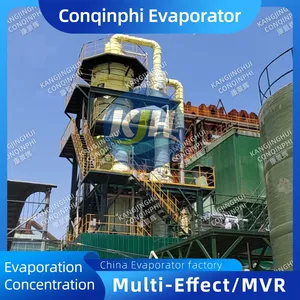
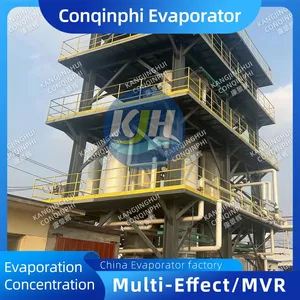
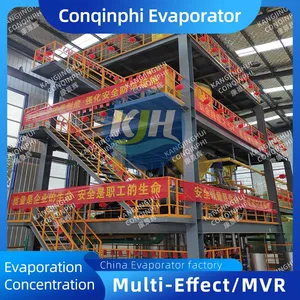
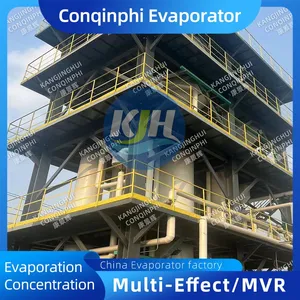
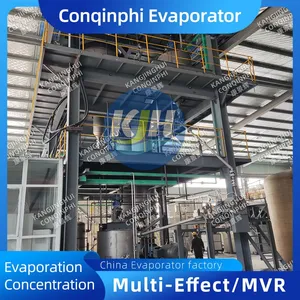
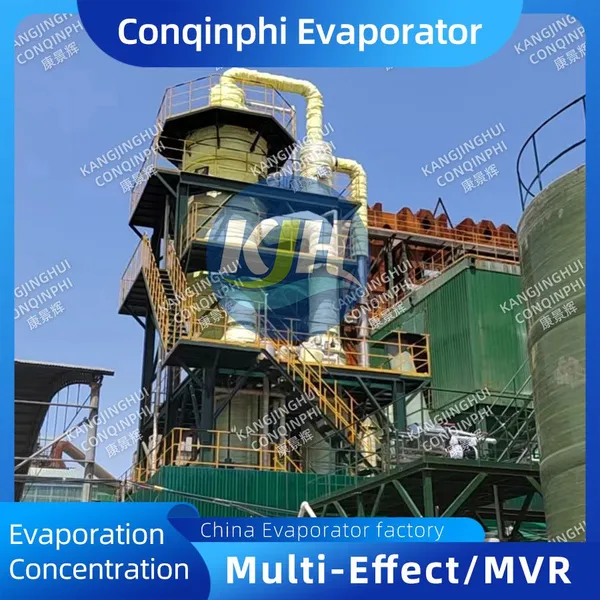
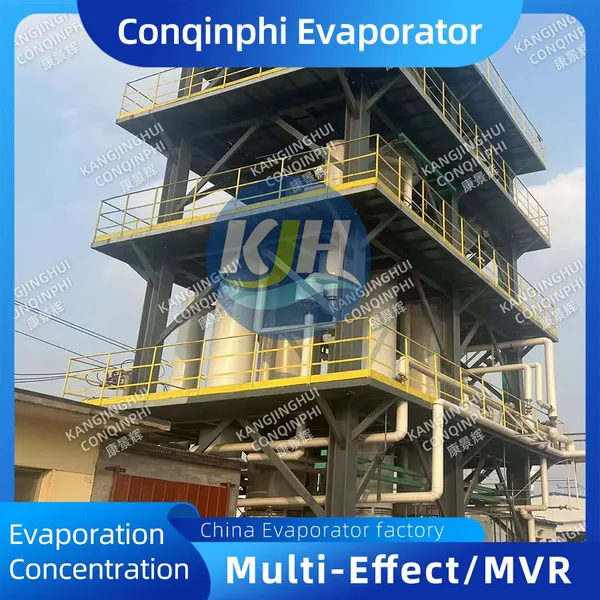
MVR Evaporator Unit for Fruit Juice Concentration and Dairy Processing
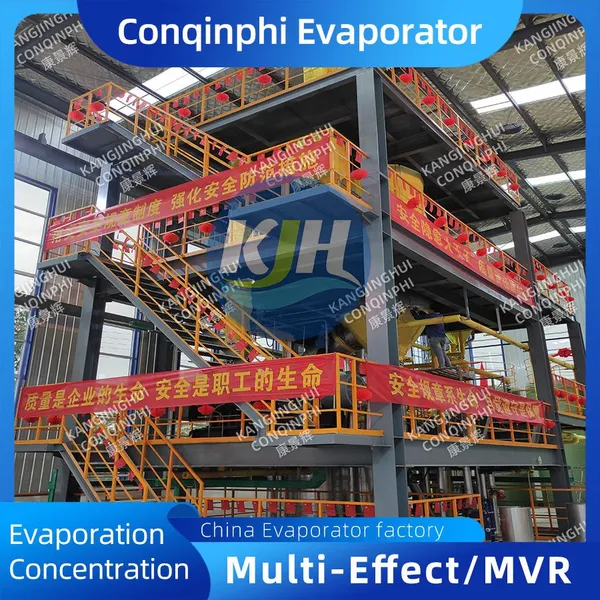
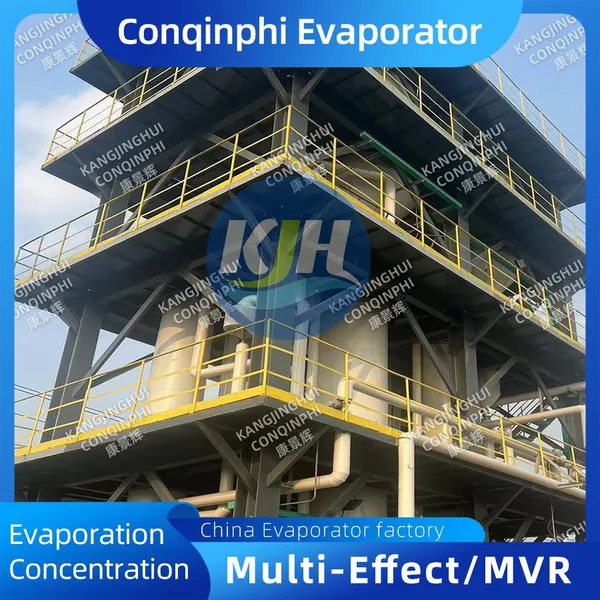
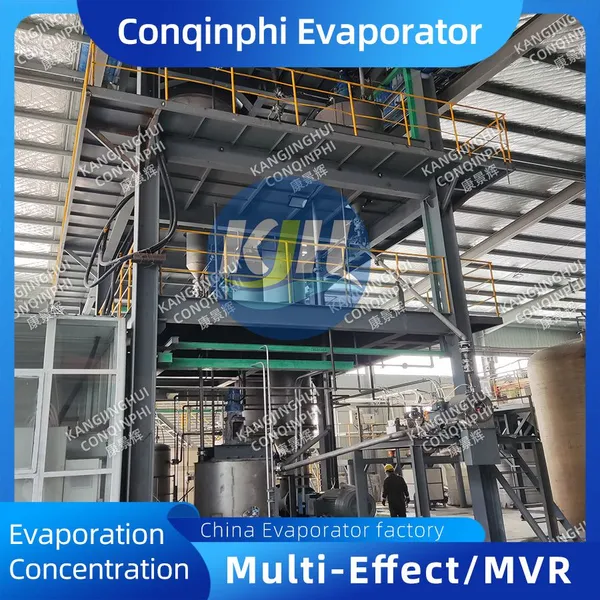
Product Spotlights



Related Products
-
 High-Efficiency MVR Falling Film Evaporator With Titanium Tubes for Corrosive LiquidsUS$ 42600 - 58000MOQ: 1 Combo
 -
Compact MVR Falling Film Evaporator for Pharmaceutical and Food Grade ApplicationsUS$ 42600 - 58000MOQ: 1 Combo
-
Durable MVR Falling Film Evaporator With Comprehensive Technical Support and Spare Parts ServiceUS$ 42600 - 58000MOQ: 1 Combo
-
MVR Falling Film Evaporator With Mill Test Report and 18-Month Core Component WarrantyUS$ 42600 - 58000MOQ: 1 Combo
-
Reliable MVR Falling Film Evaporator With On-Site Installation and Operator Training IncludedUS$ 42600 - 58000MOQ: 1 Combo
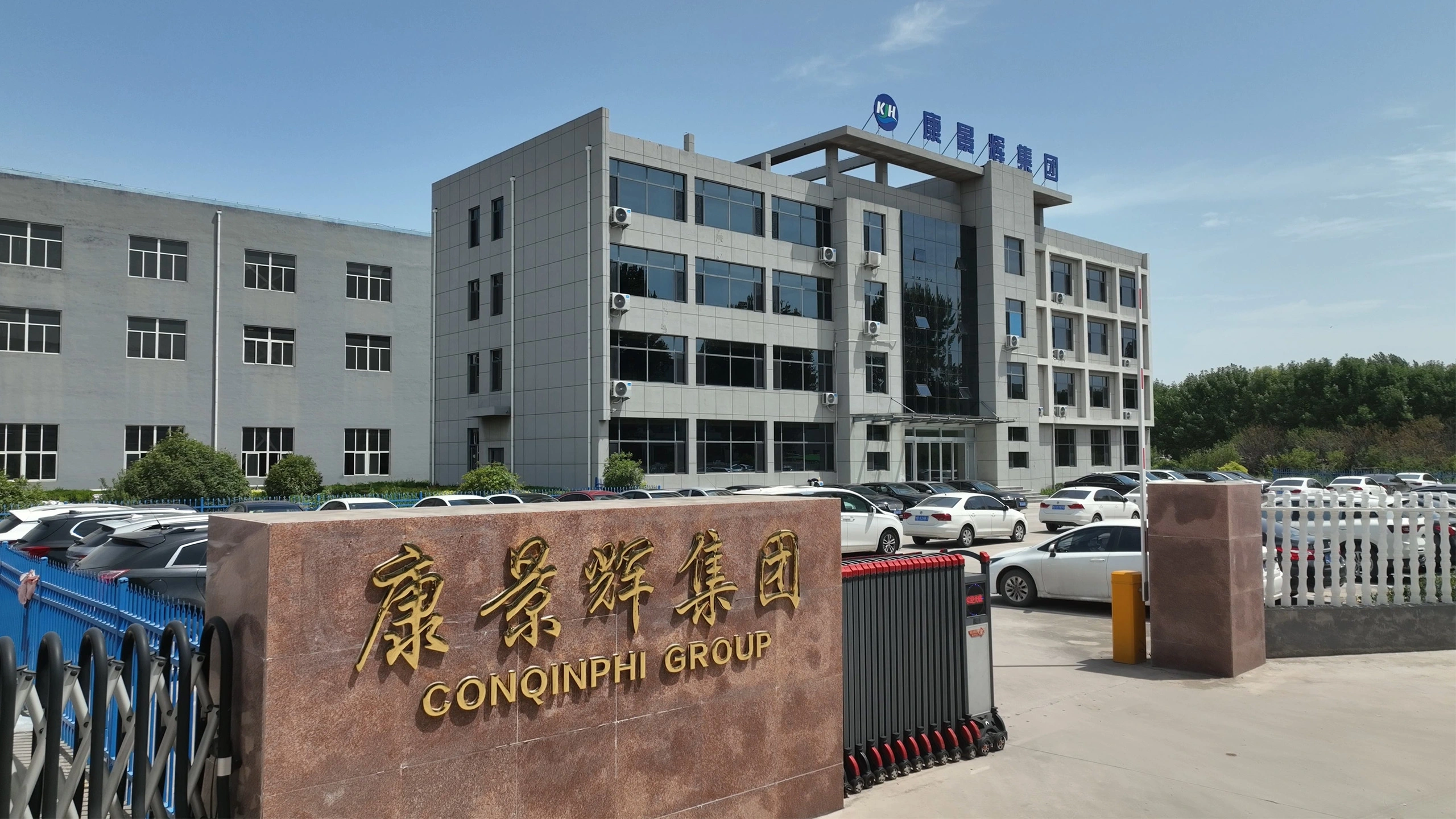
As a leading manufacturer in environmental and food processing technology, Qingdao Conqinphi Environmental Technology Group is proud to present our specialized MVR Evaporator Unit. Engineered specifically for the demanding requirements of fruit juice concentration and dairy processing, this system represents a significant advancement in evaporation technology. With our factory spanning 10,000-30,000 square meters and a dedicated team of 201-300 professionals, we have developed an evaporator that combines energy efficiency with exceptional product quality preservation. Our extensive experience in serving global markets across North America, South America, Europe, Asia, Africa, and Oceania has informed the design of this versatile unit.
The MVR (Mechanical Vapor Recompression) technology at the heart of this system represents a paradigm shift in thermal separation processes. Unlike traditional evaporators that rely on substantial steam input, our unit recycles and recompresses vapor generated during evaporation, dramatically reducing energy consumption. This makes it particularly suitable for the food industry where both operational costs and product integrity are paramount concerns. The system is designed to handle the unique characteristics of fruit juices and dairy products, including their viscosity, heat sensitivity, and foaming tendencies.
Core Technical Advantages:
- Exceptional Energy Efficiency: By recompressing vapor rather than generating new steam, the system typically reduces energy consumption by 60-80% compared to conventional multi-effect evaporators.
- Gentle Product Treatment: Lower operating temperatures and shorter residence times help preserve heat-sensitive components in fruit juices and dairy products, including vitamins, enzymes, and flavor compounds.
- Compact Footprint: The elimination of multiple effects and ancillary steam systems results in a more space-efficient installation, an important consideration for expanding production facilities.
- Operational Flexibility: The system can be configured for different feed materials and concentration requirements, with the ability to switch between products with minimal downtime.
- Reduced Water Consumption: The closed-loop design minimizes cooling water requirements, addressing both environmental concerns and operational costs.
- Automated Operation: Advanced control systems maintain optimal operating parameters, ensuring consistent product quality while reducing labor requirements.
Technical Specifications and Configuration:
Our MVR Evaporator Unit is engineered with specific attention to the requirements of food processing applications. The following table outlines key technical parameters:
| Parameter | Typical Range | Application Notes |
| Evaporation Capacity | 500 - 50,000 kg/h water removal | Customizable based on production requirements |
| Final Concentration | Up to 70° Brix for juices, 40-50% TS for dairy | Dependent on product characteristics |
| Operating Temperature | 70-95°C (varies with product) | Lower than traditional systems for quality preservation |
| Energy Consumption | 20-40 kWh per ton of evaporated water | Significantly lower than conventional evaporators |
| Material of Construction | SS304/SS316L stainless steel | Food-grade, corrosion-resistant surfaces |
| Control System | PLC with touchscreen interface | Optional SCADA integration available |
System Components and Design Features:
- Vapor Recompressor: The heart of the system, typically a centrifugal compressor or high-pressure fan designed specifically for vapor handling at the required temperature and pressure conditions.
- Heat Exchanger/Calandria: Specially designed falling film or forced circulation evaporator tubes that maximize heat transfer efficiency while minimizing fouling.
- Separation Chamber: Efficient vapor-liquid separator designed to prevent product entrainment and ensure pure vapor reaches the compressor.
- Preheating System: Integrated heat recovery system that uses condensate and product streams to preheat incoming feed, further improving energy efficiency.
- Cleaning System (CIP): Built-in Clean-in-Place system with strategically placed spray balls and appropriate chemical dosing capability for thorough sanitation.
- Instrumentation Package: Comprehensive sensors for temperature, pressure, flow, concentration (refractometer or density meter), and level control throughout the system.
Application-Specific Considerations:
For fruit juice concentration, the system is particularly effective with:
- Apple, Orange, and Grape Juices: Gentle evaporation preserves delicate aromas and prevents cooked flavors.
- Tropical Fruit Juices: Efficient handling of viscous concentrates like mango and banana purees.
- Berry Concentrates: Low-temperature operation helps maintain color stability and antioxidant content.
For dairy processing applications, the system excels in:
- Milk and Whey Concentration: Efficient water removal while minimizing protein denaturation.
- Lactose Reduction: Effective preconcentration before crystallization processes.
- Specialty Dairy Products: Gentle concentration of infant formula bases, cream, and other value-added products.
Frequently Asked Questions:
1. How does the MVR system compare to traditional multi-effect evaporators in terms of operating costs?
The primary advantage lies in significantly reduced energy consumption. While multi-effect evaporators use steam in successive stages, MVR systems mechanically recompress vapor, typically using only electrical energy for the compressor. This can result in energy savings of 60-80%, though the exact figure depends on local energy prices and system configuration.
2. What maintenance is required for the vapor compressor?
The centrifugal compressor or fan is designed for continuous operation with minimal maintenance. Regular activities include bearing lubrication monitoring, vibration analysis, and seal inspection. Most systems include predictive maintenance features in the control system to alert operators to potential issues before they affect production.
3. Can the system handle products with high fouling tendencies?
Yes, the design incorporates features to address fouling. These include optimized tube design for falling film operation, appropriate fluid velocities, and integrated CIP systems. For particularly challenging products, forced circulation designs or special surface treatments can be specified.
4. How quickly can the system reach operating concentration when starting from water?
Start-up time varies with system size and design but typically ranges from 30 minutes to 2 hours to reach steady-state operation at target concentration. The control system manages this transition automatically, gradually increasing concentration while maintaining stable operation.
5. What level of automation is typically included?
Standard systems include PLC-based control with recipe management, automatic start-up and shutdown sequences, concentration control, and safety interlocks. Optional features include remote monitoring, advanced data logging, and integration with plant-wide control systems.
6. How does the system handle different feed concentrations?
The control system automatically adjusts operating parameters based on feed concentration. Sensors monitor key parameters, and the system modulates compressor speed, feed flow, and heating parameters to maintain consistent product quality regardless of feed variations.
7. What are the space requirements for installation?
MVR systems generally have a smaller footprint than equivalent multi-effect evaporators since they don't require multiple bodies or large steam supply systems. A typical system for medium-scale operation might require approximately 50-100 square meters of floor space, plus utility connections and access for maintenance.
8. Can the system be integrated with existing evaporation or drying processes?
Yes, MVR evaporators often work effectively as preconcentrators before spray dryers or other finishing processes. They can be integrated into existing production lines with appropriate piping, controls, and product handling interfaces.
With an annual export value between US$10-50 million and a comprehensive approach to quality management, Qingdao Conqinphi Environmental Technology Group brings substantial manufacturing expertise to every MVR Evaporator Unit we produce. Our systems are designed with the practical realities of food processing in mind, balancing technical performance with operational reliability. The energy savings alone typically justify the investment within a reasonable timeframe, while the product quality benefits provide additional competitive advantage. We invite you to contact our technical team to discuss how this advanced evaporation technology can enhance your fruit juice or dairy processing operations, reduce your environmental footprint, and improve your bottom line.

Send Inquiry to This Supplier



You May Also Like
-
MVR Falling Film Evaporator for Chemical and Salt Concentration With Standard Compliant DesignUS$ 42600 - 58000MOQ: 1 Combo
-
Industrial MVR Falling Film Evaporator for High-Concentration Wastewater TreatmentUS$ 42600 - 58000MOQ: 1 Combo
-
MVR Falling Film Evaporator System With PLC Control and 304 Stainless Steel ConstructionUS$ 42600 - 58000MOQ: 1 Combo
-
Custom-Designed MVR Falling Film Evaporator for Zero Liquid Discharge (ZLD) ProjectsUS$ 42600 - 58000MOQ: 1 Combo
-
Automatic MVR Falling Film Evaporator With Integrated CIP Cleaning SystemUS$ 42600 - 58000MOQ: 1 Combo
-
MVR Evaporator With 2-Year Warranty and Technical SupportUS$ 520 - 85000MOQ: 1 Combo
-
304 Stainless Steel MVR Evaporator Equipment With PLC ControlUS$ 520 - 85000MOQ: 1 Combo
-
Automatic MVR Evaporator Equipment for Salt ProductionUS$ 520 - 85000MOQ: 1 Combo
-
MVR Evaporator for Food and Beverage ConcentrationUS$ 520 - 85000MOQ: 1 Combo
-
MVR Evaporator Equipment With Mill Test Report and Installation GuideUS$ 520 - 85000MOQ: 1 Combo
