








 Contact Platform Support
 Help Center
Automatic MVR Falling Film Evaporator With Integrated CIP Cleaning System
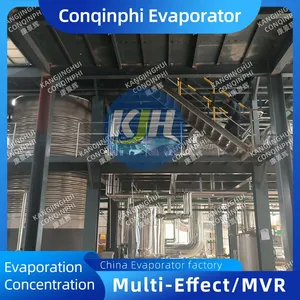
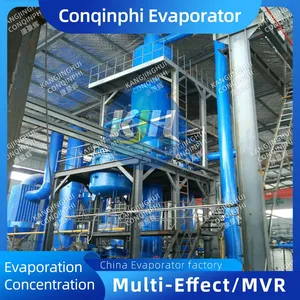
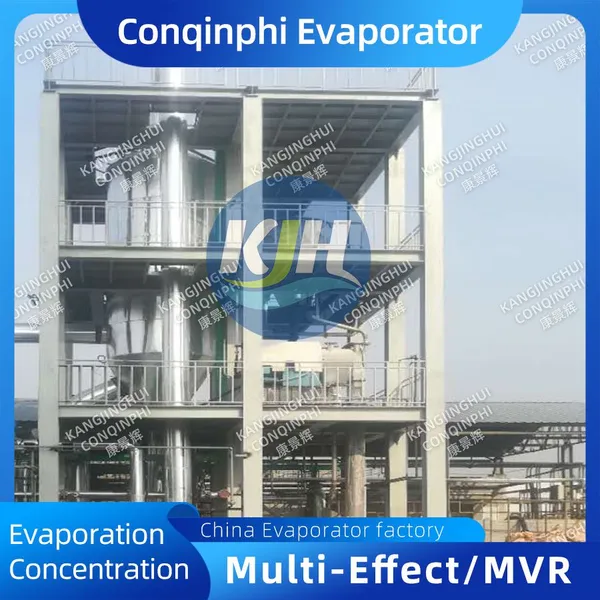
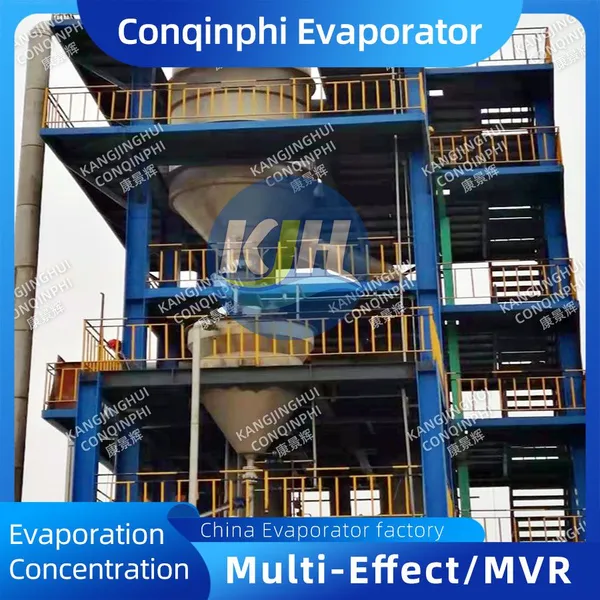
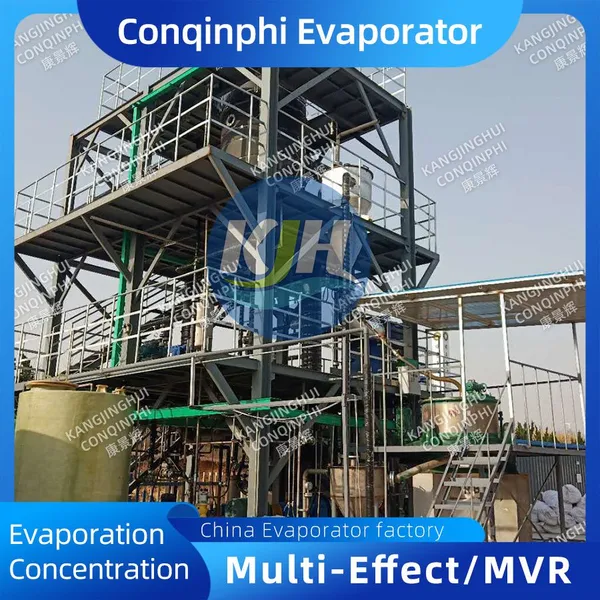
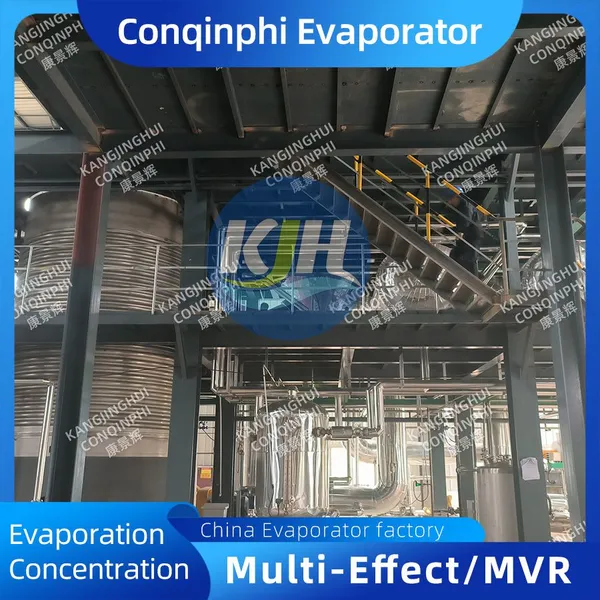
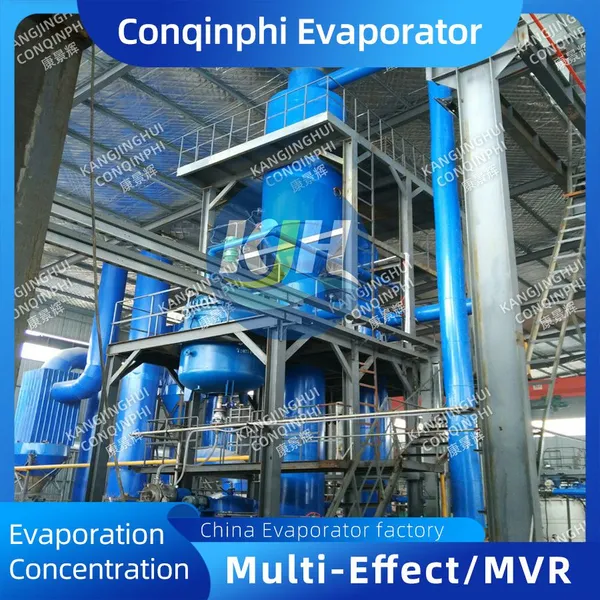
Product Spotlights



Related Products
-
 MVR Evaporator With 2-Year Warranty and Technical SupportUS$ 520 - 85000MOQ: 1 Combo
 -
304 Stainless Steel MVR Evaporator Equipment With PLC ControlUS$ 520 - 85000MOQ: 1 Combo
-
Automatic MVR Evaporator Equipment for Salt ProductionUS$ 520 - 85000MOQ: 1 Combo
-
MVR Evaporator for Food and Beverage ConcentrationUS$ 520 - 85000MOQ: 1 Combo
-
MVR Evaporator Equipment With Mill Test Report and Installation GuideUS$ 520 - 85000MOQ: 1 Combo
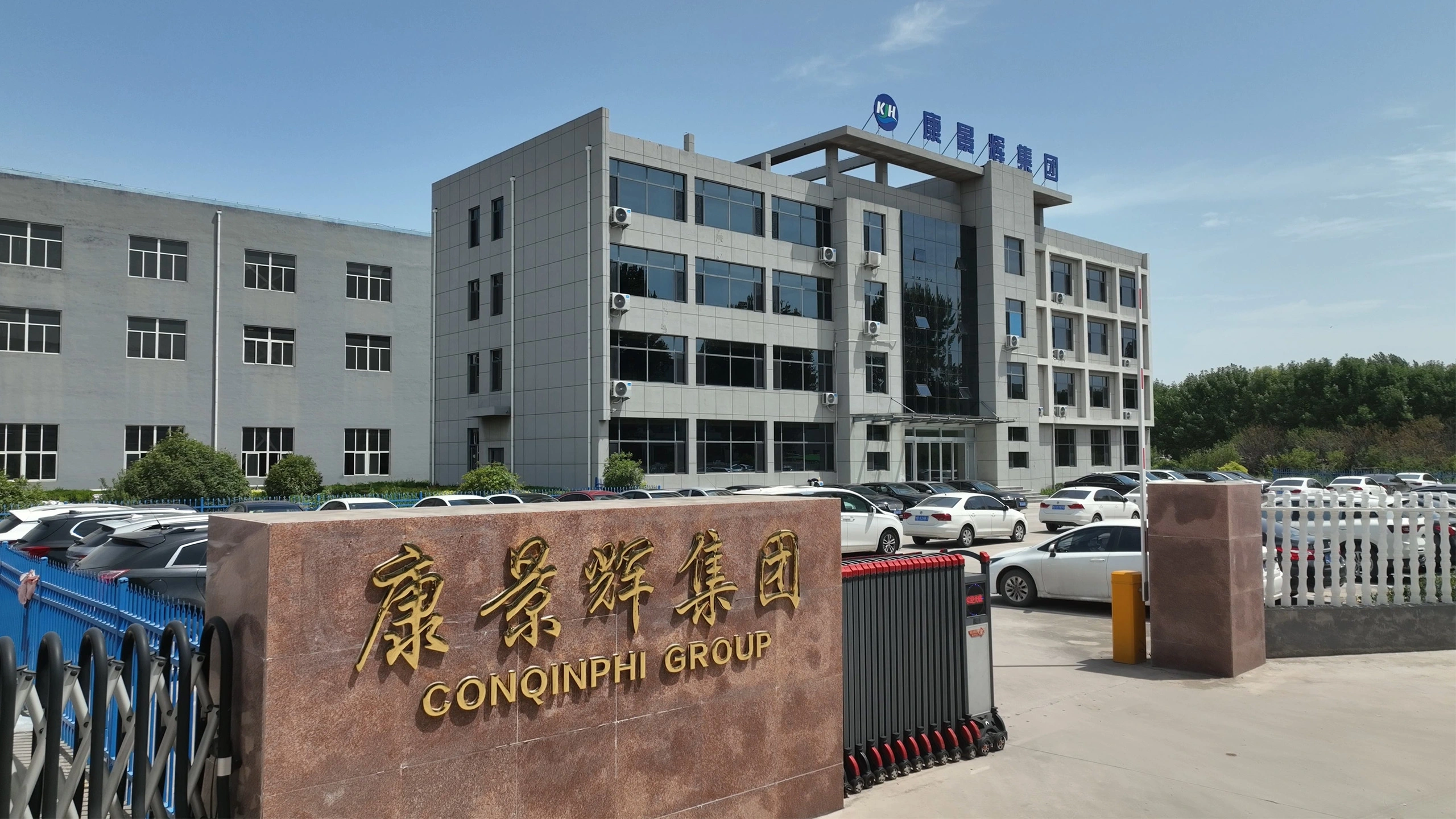
As a leading manufacturer with extensive experience in environmental technology solutions, Qingdao Conqinphi Environmental Technology Group is proud to present our advanced Automatic MVR Falling Film Evaporator with Integrated CIP Cleaning System. Engineered for superior efficiency and operational reliability, this system represents our commitment to providing industrial clients with cutting-edge concentration and separation technology. Our design focuses on maximizing energy recovery while minimizing operational costs, making it an ideal solution for businesses seeking sustainable process improvements. With a manufacturing footprint spanning 10,000-30,000 square meters and a dedicated team of 201-300 professionals, we ensure every unit meets rigorous quality standards before reaching global markets across North America, South America, Europe, Asia, Africa, and Oceania.
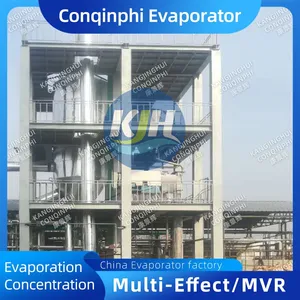
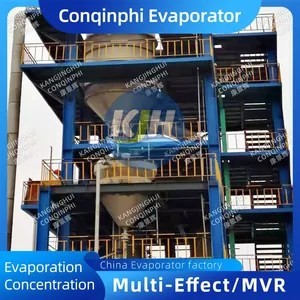
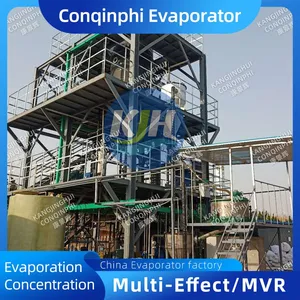
The core innovation of our evaporator lies in its intelligent integration of Mechanical Vapor Recompression (MVR) technology with a falling film evaporation mechanism. This combination creates a highly efficient thermal process where the liquid product forms a thin film as it descends along heated tubes, while vapor generated during evaporation is mechanically recompressed and reused as heating steam. The result is a dramatic reduction in external energy requirements compared to traditional multi-effect evaporators.
- Energy Efficiency: MVR technology typically achieves steam economy ratios of 20:1 to 30:1, reducing energy consumption by 80-90% compared to single-effect evaporation.
- Gentle Product Treatment: The falling film design operates at lower temperatures (often 40-70°C) with short residence times, preserving heat-sensitive components in food, pharmaceutical, and biochemical applications.
- Compact Footprint: Integrated design eliminates the need for multiple effects, requiring significantly less floor space than conventional evaporation systems.
- Automated Operation: PLC-based control system manages all parameters including flow rates, temperatures, pressures, and concentration endpoints with minimal operator intervention.
- Hygienic Construction: All product-contact surfaces utilize polished stainless steel with sanitary fittings, meeting stringent requirements for food and pharmaceutical applications.
- Scalable Design: Modular construction allows for capacity expansion through additional tube bundles or parallel units as production requirements grow.
The integrated Clean-in-Place (CIP) system represents a significant advancement in operational maintenance. Unlike traditional systems requiring manual disassembly for cleaning, our CIP system circulates cleaning solutions through the entire evaporator circuit without opening the equipment. This feature not only reduces downtime from days to hours but also ensures consistent cleaning results, prevents cross-contamination between batches, and enhances operator safety by minimizing exposure to chemicals and hot surfaces.
| Parameter | Standard Range | Customization Options |
| Evaporation Capacity | 500 - 50,000 kg/h | Available upon request |
| Operating Temperature | 40 - 95 °C | Material dependent |
| Final Concentration | Up to 65% TDS | System specific |
| Steam Consumption | 20-50 kg/ton evaporated | Process dependent |
| Compressor Type | Centrifugal / Turbo | Application specific |
| CIP Cycles | Pre-rinse, Alkaline, Acid, Sanitize | Programmable sequences |
Our technical approach addresses common industrial challenges through several innovative features. The falling film distribution system ensures uniform liquid loading across all heating tubes, preventing dry spots and scaling. The vapor compressor incorporates frequency control to match energy input precisely to evaporation demand, avoiding unnecessary power consumption. The heat exchanger design maximizes surface area for efficient heat transfer while maintaining accessibility for inspection. All these elements work together within an automated control framework that monitors performance indicators and adjusts operations for optimal results.
For processing facilities, the benefits translate directly to operational advantages. Reduced energy costs significantly impact the bottom line, with many users reporting payback periods under two years. Consistent product quality results from precise temperature control and minimal thermal degradation. Lower maintenance requirements stem from the CIP system's effectiveness at preventing fouling and scaling. Enhanced safety comes from automated operation that reduces manual handling of hot materials. Environmental compliance is supported by the system's ability to concentrate waste streams for proper disposal or recovery.
With an annual export value between US$10-50 million and shipments departing from Qingdao port to markets worldwide, Qingdao Conqinphi has established itself as a reliable partner for industrial evaporation solutions. Our manufacturing capabilities, supported by multiple quality management systems, ensure that each Automatic MVR Falling Film Evaporator delivers consistent performance in demanding applications. The integrated CIP system represents our understanding of modern production requirements where cleaning efficiency directly impacts overall equipment effectiveness. We invite you to explore how this technology can transform your concentration processes through substantial energy savings, improved product quality, and reduced operational complexity.
Q: What distinguishes MVR technology from traditional multi-effect evaporation?
A: MVR (Mechanical Vapor Recompression) uses a compressor to recycle vapor from evaporation, raising its temperature and pressure so it can be reused as heating steam. This creates a nearly closed thermal loop with minimal external energy input, whereas multi-effect systems cascade steam through multiple stages with diminishing temperature differences.
Q: How does the falling film design benefit heat-sensitive products?
A: The falling film configuration allows rapid evaporation at lower temperatures (typically 40-70°C) with very short product residence time (seconds rather than minutes). This combination minimizes thermal exposure, preserving vitamins, proteins, flavors, and other sensitive components that might degrade in other evaporator types.
Q: What maintenance is required for the integrated CIP system?
A: The CIP system requires periodic inspection of spray devices, verification of chemical concentration sensors, and maintenance of circulation pumps. However, it significantly reduces overall maintenance compared to manual cleaning by eliminating disassembly/reassembly labor and preventing aggressive cleaning methods that can damage equipment.
Q: Can this system handle viscous or fouling materials?
A: Yes, the falling film design is particularly effective with viscous products up to approximately 500 cP. For fouling tendencies, we incorporate tube distribution systems that maintain uniform wetting, and the CIP system can be programmed for more frequent cleaning cycles. Special surface treatments or tube geometries are available for challenging applications.
Q: What control interfaces are available for integration with existing plant systems?
A: Our standard control system includes multiple communication protocols (Profibus, Modbus, Ethernet/IP) for integration with plant SCADA or DCS systems. We can provide remote monitoring capabilities and data logging for performance tracking and regulatory compliance documentation.
Q: How is capacity determined for specific applications?
A: Capacity depends on multiple factors including feed concentration, desired final concentration, product properties (viscosity, boiling point elevation), and available utilities. We typically conduct laboratory tests or process simulations using client samples to determine optimal sizing before system design.
Q: What utilities are required for operation?
A: The system primarily requires electrical power for the vapor compressor and pumps, plus cooling water for condenser duties (in some configurations). Initial heating steam is needed only for startup, after which the MVR process becomes largely self-sustaining. CIP operations require water and appropriate cleaning chemicals.
Q: What is the typical installation and commissioning timeline?
A: After design approval, manufacturing typically requires 12-20 weeks depending on size and complexity. Installation and commissioning at site generally take 2-4 weeks with our technical supervision. We provide comprehensive documentation, operator training, and ongoing technical support throughout the system lifecycle.

Send Inquiry to This Supplier



You May Also Like
-
Compact Industrial MVR Evaporator for Chemical ProcessingUS$ 520 - 85000MOQ: 1 Combo
-
MVR Evaporator Equipment for Pharmaceutical Wastewater TreatmentUS$ 520 - 85000MOQ: 1 Combo
-
Customized MVR Evaporator System for Zero Liquid DischargeUS$ 520 - 85000MOQ: 1 Combo
-
Durable MVR Evaporator With Titanium Heat ExchangerUS$ 520 - 85000MOQ: 1 Combo
-
Energy Efficient MVR Evaporator System With 1000kg/hr CapacityUS$ 520 - 85000MOQ: 1 Combo
-
Customizable Double-effect MVR Evaporator for Specific Industrial Effluent VolumeUS$ 7420 - 950000MOQ: 5 Combos
-
Double-effect MVR Evaporator With Technical Training and On-site Installation SupportUS$ 7420 - 950000MOQ: 5 Combos
-
Robust Double-effect MVR Evaporator With Integrated CIP System for Dairy IndustryUS$ 7420 - 950000MOQ: 5 Combos
-
Double-effect MVR Evaporator With Automatic Control for High-Salinity Industrial Brine TreatmentUS$ 7420 - 950000MOQ: 5 Combos
-
304 Stainless Steel Double-effect MVR Evaporator With PLC Control for Pharmaceutical WastewaterUS$ 7420 - 950000MOQ: 5 Combos
