








 Contact Platform Support
 Help Center
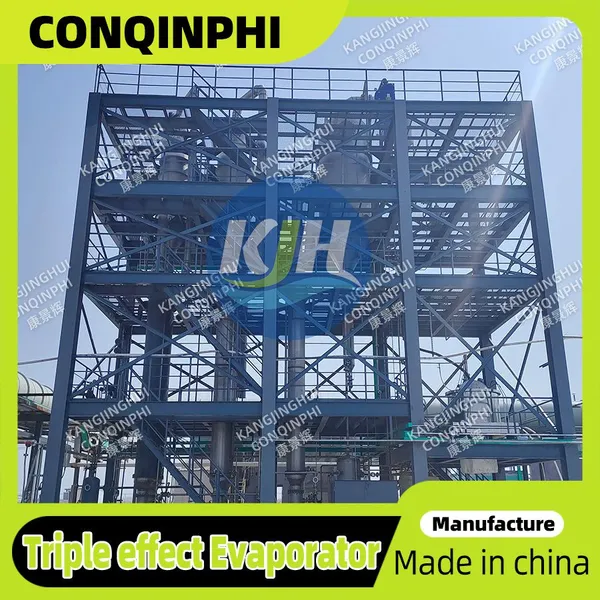
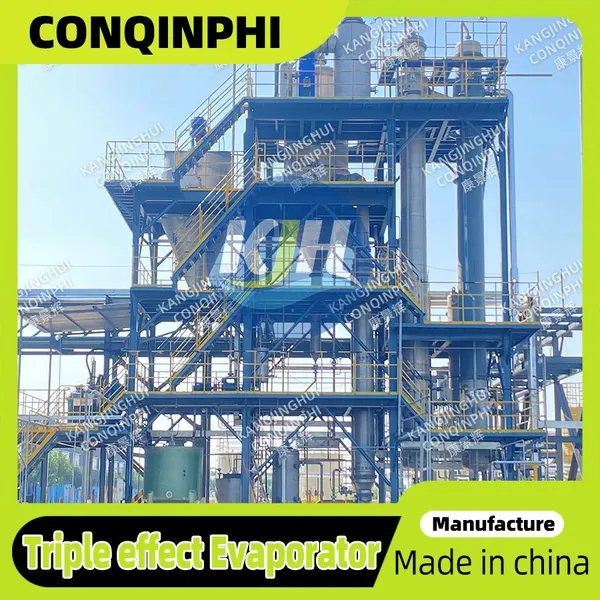
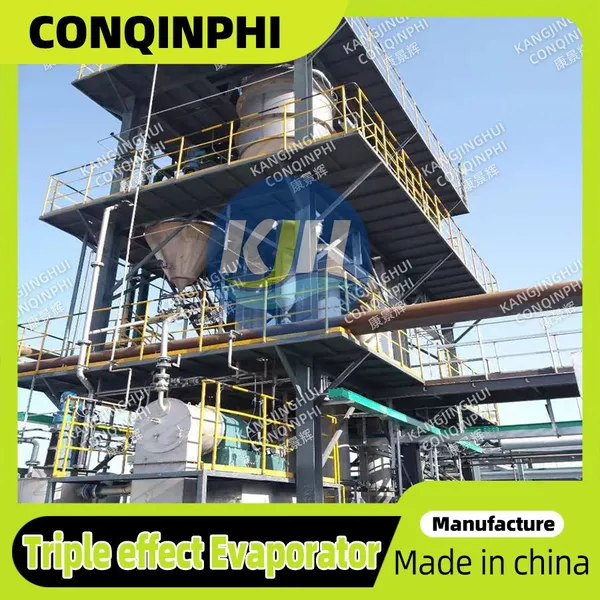
Corrosion-resistant Double Four-effect Evaporator for Wastewater Treatment
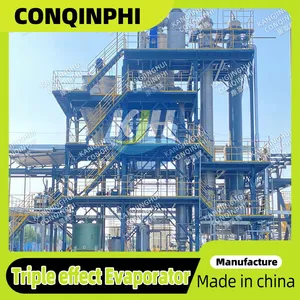
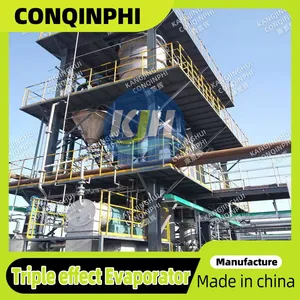
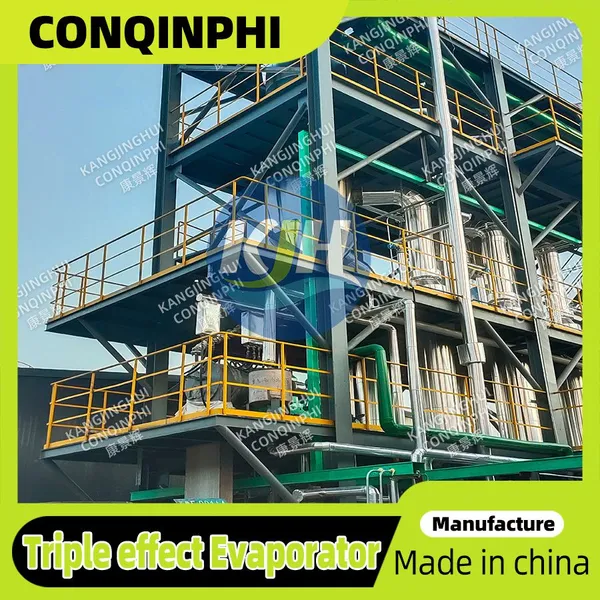
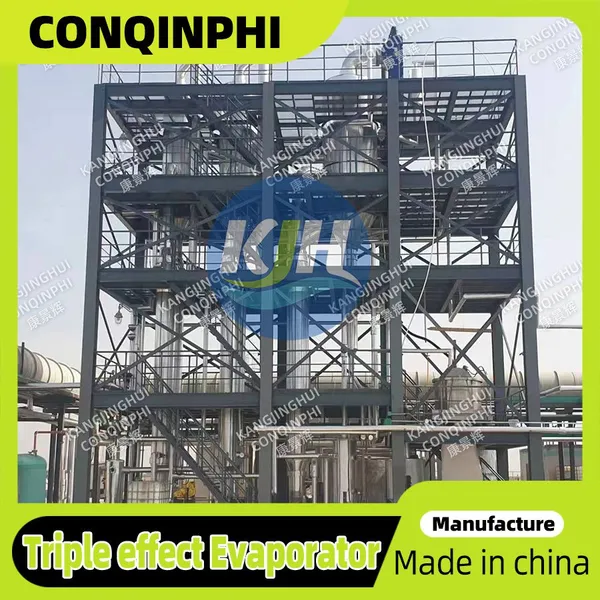
Product Spotlights



Related Products
-
 High Efficiency Double Four-effect Evaporator With Energy Recovery DesignUS$ 8790 - 487900MOQ: 1 Combo
 -
Double Four-effect Evaporator With 12-month Warranty and Technical SupportUS$ 8790 - 487900MOQ: 1 Combo
-
Automatic Double Four-effect Evaporator for Chemical Solvent RecoveryUS$ 8790 - 487900MOQ: 1 Combo
-
Double Four-effect Evaporator for Dairy Product Evaporation With CIP SystemUS$ 8790 - 487900MOQ: 1 Combo
-
Customizable Double Four-effect Evaporator for Food & Beverage ProcessingUS$ 8790 - 487900MOQ: 1 Combo
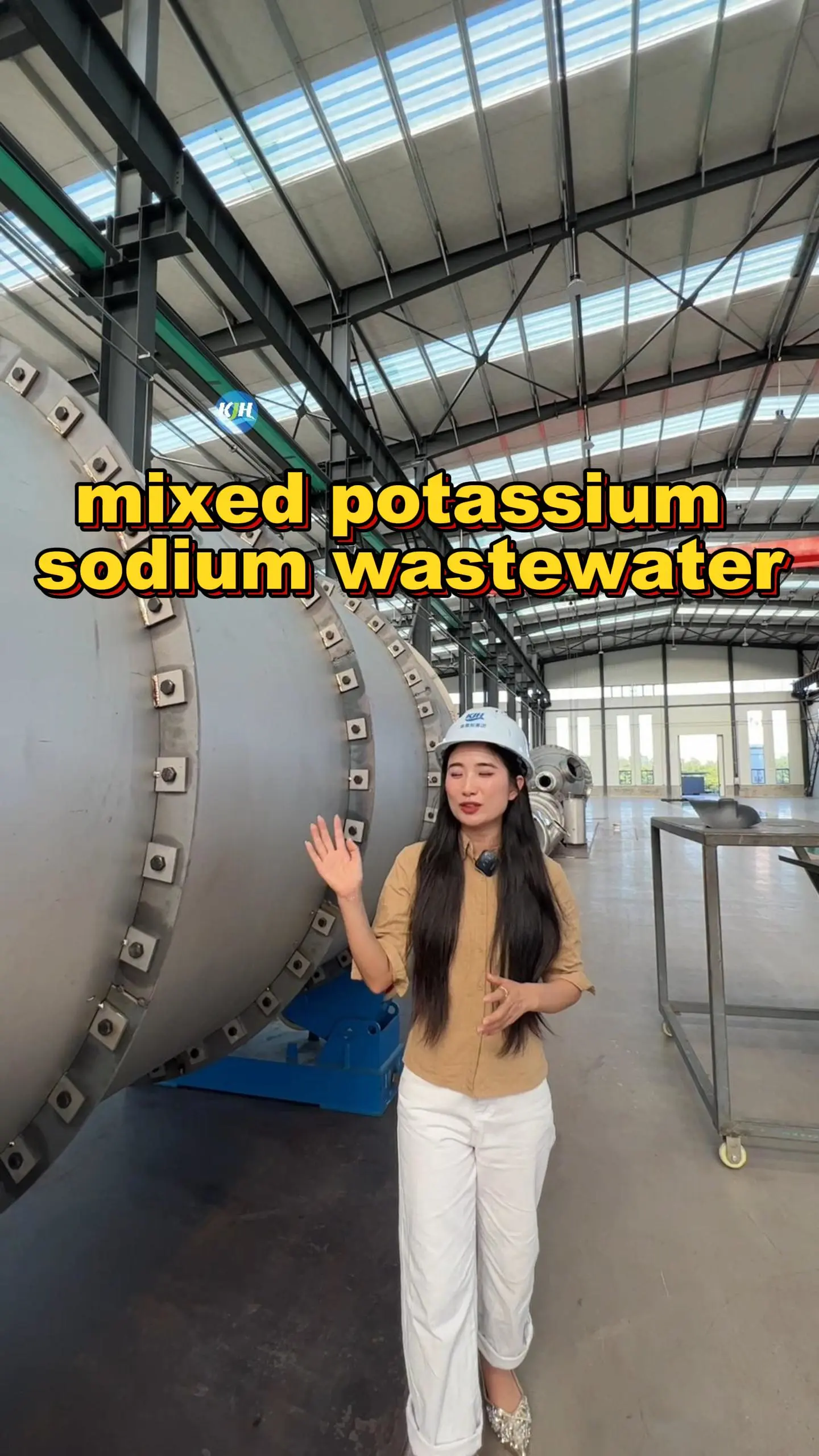
As a leading manufacturer in environmental technology since 2015, Qingdao Conqinphi Environmental Technology Group specializes in providing robust and efficient solutions for challenging industrial processes. Our Corrosion-resistant Double Four-effect Evaporator represents a significant advancement in wastewater treatment technology, engineered to handle aggressive and complex waste streams with maximum efficiency and durability. This system is designed for clients who demand reliable, high-capacity concentration and volume reduction, turning wastewater management from a cost center into a potential resource recovery operation.
The core innovation lies in its unique "double four-effect" configuration, which essentially combines two independent four-effect evaporator trains. This design offers unparalleled operational flexibility and redundancy. Key features and technical specifications include:
- Superior Corrosion Resistance: Constructed using high-grade materials such as titanium, duplex stainless steels (e.g., 2205, 2507), or Hastelloy, specifically selected based on the wastewater chemistry to withstand chlorides, acids, and other corrosive agents.
- Exceptional Energy Efficiency: The multi-effect principle reuses latent heat from vapor in preceding effects to heat the next, drastically reducing steam consumption. The double configuration allows for even greater thermal integration and potential heat recovery from external sources.
- High Concentration Ratio: Capable of concentrating wastewater to near-saturation points, significantly reducing final disposal volume and costs. It can achieve total solid concentrations often exceeding 60%.
- Adaptable Design: The system can be tailored to specific feed characteristics, capacity requirements (from pilot-scale to large industrial plants), and available utilities (steam pressure, cooling water).
The technical advantages translate into direct benefits for your operation:
- Lower Operational Costs: Dramatically reduces energy and chemical consumption compared to single-effect or thermal evaporators.
- Minimal Downtime: The corrosion-resistant materials and robust construction lead to a longer service life and reduced maintenance frequency.
- Process Stability: The automated control system ensures consistent performance, handles feed variations, and provides comprehensive data logging for process optimization and regulatory compliance.
- Space Efficiency: Despite its high capacity, the design is optimized for a compact footprint, a crucial factor for many industrial sites.
Below is a summary of typical configuration parameters:
| Parameter | Typical Specification / Range |
| Evaporation Capacity | 5 - 100 tons of water per hour (customizable) |
| Operating Pressure | Vacuum to slightly above atmospheric |
| Heat Transfer Surface Material | Titanium, 316L, Duplex, Nickel Alloys |
| Steam Consumption (approx.) | 0.10 - 0.25 kg steam / kg water evaporated |
| Control & Automation | PLC with SCADA/HMI, remote monitoring optional |
| Pre-treatment Integration | Compatible with UF, MF, or softening systems |
Our commitment to quality is backed by a modern manufacturing facility spanning 10,000-30,000 square meters and a dedicated team of over 200 professionals. We adhere to stringent management systems, ensuring every evaporator is built to last and perform. With an annual export value reflecting our global reach across markets from North America and Europe to Southeast Asia and Oceania, we have proven experience in delivering complex environmental projects. Choosing our evaporator means partnering with a reliable manufacturer that combines innovative engineering with practical, cost-effective solutions for your most demanding wastewater challenges. Contact us today to discuss how this system can be optimized for your specific application and start reducing your treatment costs while improving environmental performance.
Frequently Asked Questions (FAQ)
Q1: What types of wastewater is this evaporator suitable for?
A: It is highly effective for high-salinity brines, RO rejects, landfill leachate, chemical process wastewater, pharmaceutical effluents, and metal finishing rinsates. The material selection is customized based on a detailed analysis of your feed water.
Q2: How does the "double four-effect" design differ from a standard four-effect unit?
A: It provides two parallel four-effect trains. This offers operational flexibility (running one train for lower capacity), redundancy (maintenance on one train without full shutdown), and potential for handling two different feed streams simultaneously.
Q3: What is the expected payback period for such an investment?
A: Payback depends on local disposal costs, energy prices, and feed concentration. Typically, significant savings on hauling and disposal fees, combined with low energy consumption, can lead to a payback period of 1.5 to 3 years.
Q4: Can the system recover valuable by-products from the wastewater?
A: Yes. The concentrated stream can allow for the crystallization and recovery of salts, metals, or other chemicals, turning waste into a potential revenue stream.
Q5: What level of operator attention is required?
A: The system is designed for largely unattended operation. The fully automated PLC controls all critical parameters (levels, temperatures, pressures), with alarms and remote monitoring options. Routine checks and preventive maintenance are required.
Q6: Do you provide pilot testing or feasibility studies?
A: Yes, we offer laboratory testing, pilot-scale rental units, and comprehensive process design support to validate performance and economics for your specific wastewater before scaling up.
Q7: How do you ensure the corrosion resistance for my specific application?
A: We conduct a thorough analysis of your wastewater composition and operating conditions. Based on this, our engineers recommend the most suitable alloy (titanium, specialized stainless steel, etc.) and may suggest protective coatings or cathodic protection for critical components.
Q8: What are the key maintenance requirements?
A: Primary maintenance involves periodic cleaning of heat exchanger tubes to remove scaling, inspection of pumps and valves, and calibration of instruments. The robust construction minimizes unscheduled repairs. A detailed maintenance schedule and training are provided.

Send Inquiry to This Supplier



You May Also Like
-
Standard-Compliant Multi-Effect Evaporator With Remote Monitoring and Technical Support PackageUS$ 5470 - 768000MOQ: 1 Combo
-
Multi-Effect Evaporator for Pharmaceutical and Chemical Processing With CIP SystemUS$ 5470 - 768000MOQ: 1 Combo
-
Customized Multi-Effect Evaporator With Automatic Control for Food and Beverage IndustryUS$ 5470 - 768000MOQ: 1 Combo
-
High-Efficiency Multi-Effect Evaporator System With MVR Technology for Energy SavingsUS$ 5470 - 768000MOQ: 1 Combo
-
304 Stainless Steel Multi-Effect Evaporator With PLC Control for Industrial ConcentrationUS$ 5470 - 768000MOQ: 1 Combo
-
Multi-Effect Evaporator With 316L Stainless Steel Construction for Corrosive LiquidsUS$ 5470 - 768000MOQ: 1 Combo
-
Multi-Effect Evaporator With Comprehensive Warranty and On-Site Technical TrainingUS$ 5470 - 768000MOQ: 1 Combo
-
Multi-Effect Evaporator for Wastewater Treatment and Zero Liquid Discharge (ZLD) ApplicationsUS$ 5470 - 768000MOQ: 1 Combo
-
Multi-Effect Evaporator for Dairy and Sugar Concentration With Mill Test Report ProvidedUS$ 5470 - 768000MOQ: 1 Combo
-
Multi-Effect Evaporator System Featuring Falling Film Design and Heat RecoveryUS$ 5470 - 768000MOQ: 1 Combo
