








 Contact Platform Support
 Help Center
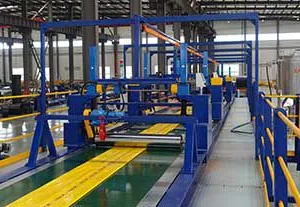
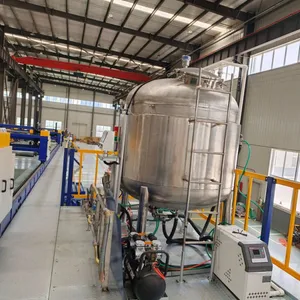
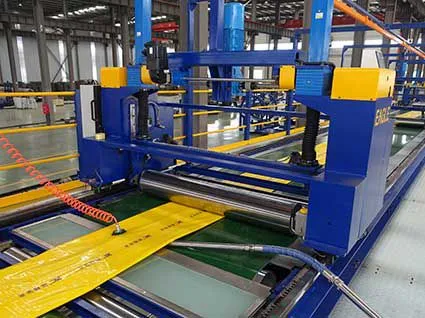
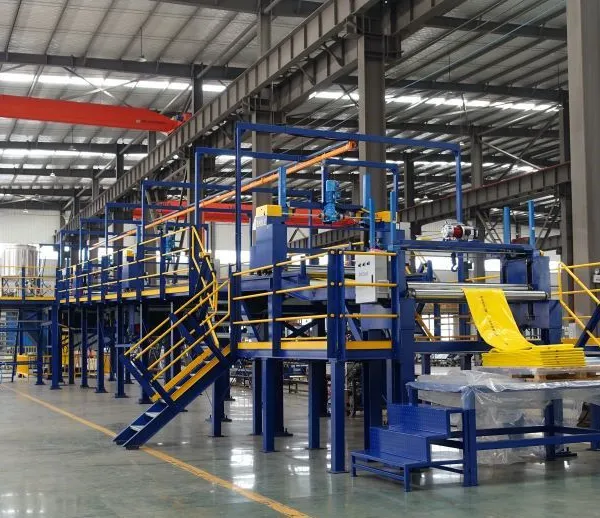
Industrial CIPP Felt Liner Production Line for Sewer Pipe Rehab
Product Spotlights


Related Products
-
 High Efficiency CIPP Felt Liner Machine for Pipeline RehabilitationNegotiableMOQ: 1 Set
 -
High-Quality CIPP Felt Liner Machine for Sewer and Pipeline RehabilitationNegotiableMOQ: 1 Set
-
UV CIPP Liner System for Municipal Sewer and Stormwater Pipe RepairNegotiableMOQ: 1 Set
-
UV CIPP Liner Installation for Industrial Process Pipe Corrosion ProtectionNegotiableMOQ: 1 Set
-
Municipal Pipeline Repair Machinery CIPP Felt Liner Production UnitNegotiableMOQ: 1 Piece
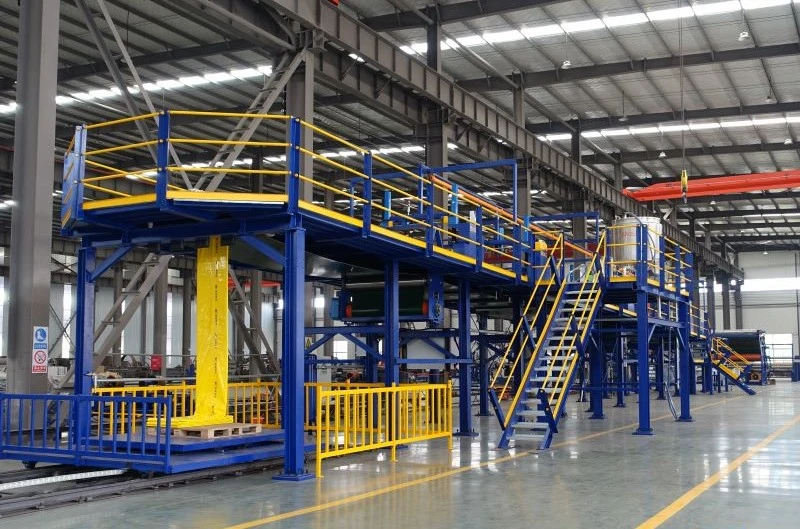
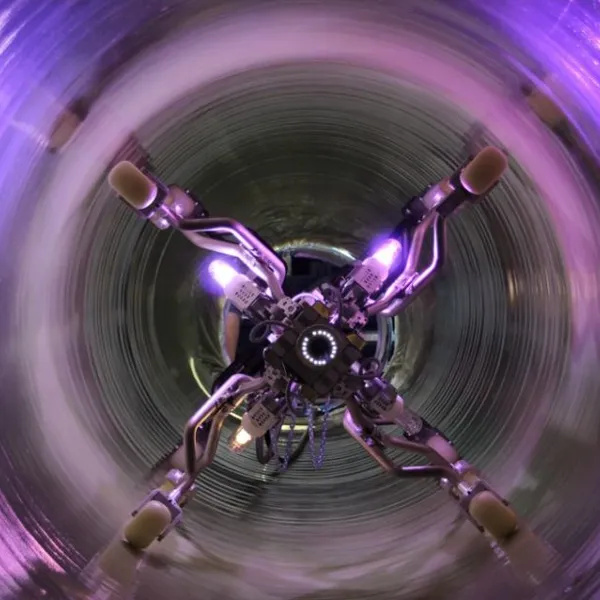
As a leading manufacturer with over a decade of experience, Qingdao Yongke Machinery Co., Ltd. specializes in providing advanced trenchless rehabilitation solutions. Our Industrial CIPP Felt Liner Production Line represents our commitment to engineering excellence, designed to empower contractors and municipalities with reliable, in-house manufacturing capability for sewer pipe repair materials. This integrated system transforms raw felt materials into high-quality, resin-impregnated liners ready for installation, offering a cost-effective and efficient alternative to outsourcing.
Product Features and Technical Advantages:
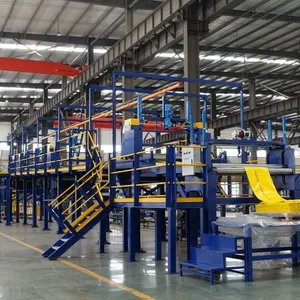
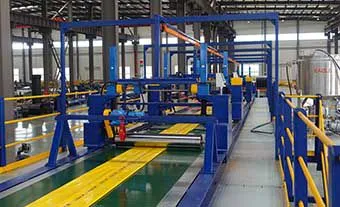
Integrated Production Flow: The line seamlessly combines material unwinding, precision cutting, resin impregnation, quality control, and winding into a continuous, efficient process, minimizing manual handling and maximizing output consistency.
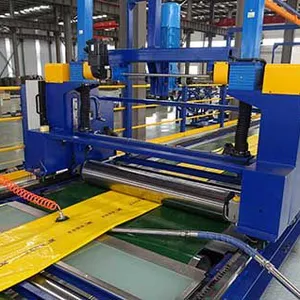
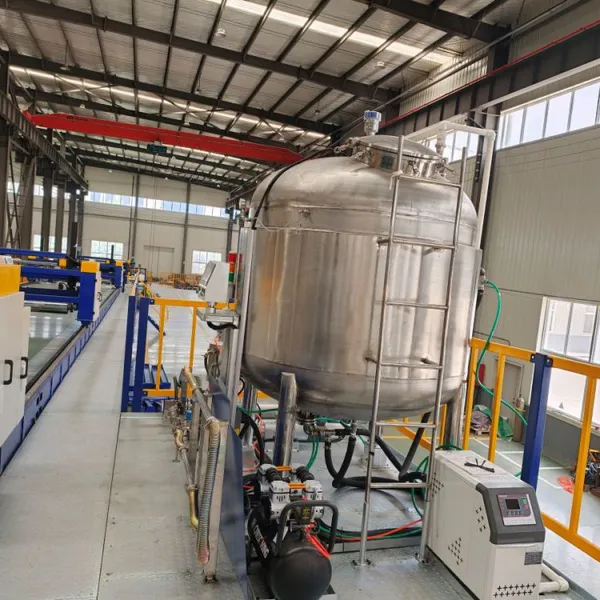
Precision Impregnation System: Equipped with advanced metering and mixing units for resins and catalysts, ensuring uniform saturation of the felt liner. This is critical for achieving consistent cure properties and final pipe strength.
Adaptable Design: The production line can be configured to manufacture liners for a wide range of pipe diameters, typically from 100mm to 1200mm, accommodating various project requirements.
Robust Construction: Built with high-grade steel and industrial-grade components, the machinery is designed for durability and continuous operation in demanding industrial environments.
User-Friendly Control: Features a centralized PLC control panel with a human-machine interface (HMI), allowing operators to monitor the entire process, adjust parameters, and log production data for quality assurance.
Key Technical Specifications:
| Parameter | Specification / Capability |
|---|---|
| Applicable Liner Material | Non-woven polyester felt, fiberglass, composite fabrics |
| Liner Width Range | Customizable, typically up to 2.5 meters |
| Resin Impregnation Method | Vacuum-assisted or roller coating systems available |
| Production Speed | Adjustable, commonly 2-8 meters per minute |
| Main Power Requirement | 380V, 50Hz, 3-phase (other voltages available upon request) |
| Control System | PLC with touch-screen HMI, optional data logging |
| Machine Footprint | Varies with configuration; detailed layout provided upon inquiry |
Benefits for Your Business:
Cost Control: Produce liners on-demand, reducing dependency on suppliers, lowering material costs, and improving project margins.
Quality Assurance: Maintain complete control over the impregnation process, ensuring every liner meets your specific project standards and performance criteria.
Project Flexibility: Respond quickly to urgent repair needs and custom liner specifications (length, diameter, resin type) without lead-time delays.
Operational Efficiency: The automated line reduces labor intensity and increases production throughput compared to manual methods.
FAQ (Frequently Asked Questions)
What is the lead time for delivery and installation of a complete production line?
Lead times vary based on the specific configuration and current order book. Typically, standard lines can be delivered within 60-90 days after order confirmation. We provide detailed project planning and on-site installation support.Can this line handle different types of resins (e.g., epoxy, polyester, vinyl ester)?
Yes, the impregnation system is designed to be compatible with various thermosetting resins commonly used in CIPP rehabilitation. The resin mixing and application units can be specified or adjusted for your chosen chemistry.What level of training and technical support do you provide?
We offer comprehensive operational training for your team, either at our facility or on-site after installation. Ongoing technical support is available via remote assistance and a library of documentation.Is the production line suitable for both small contractors and large municipal operations?
Absolutely. We offer scalable solutions. Smaller, semi-automatic models are ideal for contractors, while fully automated, high-capacity lines are designed for large-scale municipal or industrial rehabilitation programs.How does the line ensure consistent resin-to-felt ratio?
Consistency is achieved through precision metering pumps for resin/catalyst and controlled tensioning of the felt during the impregnation process. The PLC system monitors and adjusts these parameters in real-time.What are the main utility requirements (water, compressed air, etc.)?
The line primarily requires electrical power. Some configurations may need a clean, dry compressed air supply for pneumatic components. Specific utility requirements are detailed in the technical proposal.Can we produce liners with custom outer coatings or films?
Yes, the line can be integrated with optional modules for applying outer protective coatings, films, or calibration layers during the winding process.What safety features are incorporated into the design?
Standard safety features include emergency stop buttons along the line, protective guarding on moving parts, ventilation for resin fumes (if required), and electrical safety systems compliant with international standards.
Backed by our ISO9001, ISO14000, and OHSAS18001 certified manufacturing processes in our 10,000-30,000 square meter facility, every CIPP Felt Liner Production Line is built to exacting quality and safety standards. With an annual export value demonstrating global trust, and a presence across markets from North America to Southeast Asia, our machinery is proven in diverse operating conditions. This investment not only brings production capability in-house but also provides long-term reliability and support from an established manufacturer with over 100 skilled employees dedicated to your success. Contact us today to discuss how this production line can become the cornerstone of your sewer rehabilitation business.

Send Inquiry to This Supplier


You May Also Like
-
High Efficiency Cipp Felt Liner Machine for Pipe Rehab SuppliersNegotiableMOQ: 1 Piece
-
High-Speed CIPP Felt Liner Production Line With PLC Control & 5-Ton TensionNegotiableMOQ: 1 Piece
-
Cipp Felt Liner Production Line Industrial Manufacturing EquipmentNegotiableMOQ: 1 Piece
-
CIPP Felt Liner Line for Municipal Sewer Rehabilitation ProjectsNegotiableMOQ: 1 Piece
-
Complete CIPP Liner Production Line for Water & Gas Pipeline RepairNegotiableMOQ: 1 Piece
-
Production Line for CIPP Felt Liners Compliant With ASTM F1216 StandardsNegotiableMOQ: 1 Piece
-
Automated CIPP Felt Liner Production System With Integrated Quality InspectionNegotiableMOQ: 1 Piece
-
CIPP Felt Liner Production Line for Trenchless Sewer RehabilitationNegotiableMOQ: 1 Piece
-
Customizable CIPP Felt Production Line for High-Temperature Curing ResinsNegotiableMOQ: 1 Piece
-
CIPP Inversion Liner Machine for Municipal Sewer Pipe Rehabilitation and Drainage System RepairNegotiableMOQ: 1 Piece


