Contact Platform Support
 Help Center
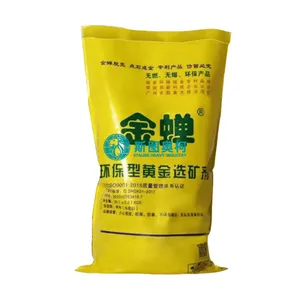
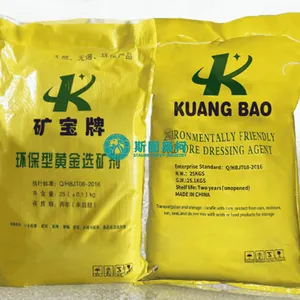
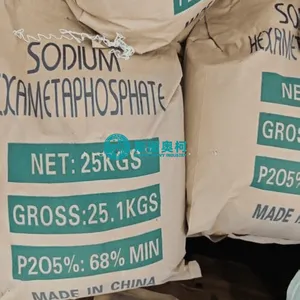
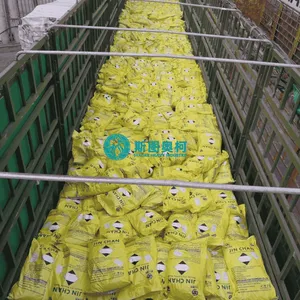
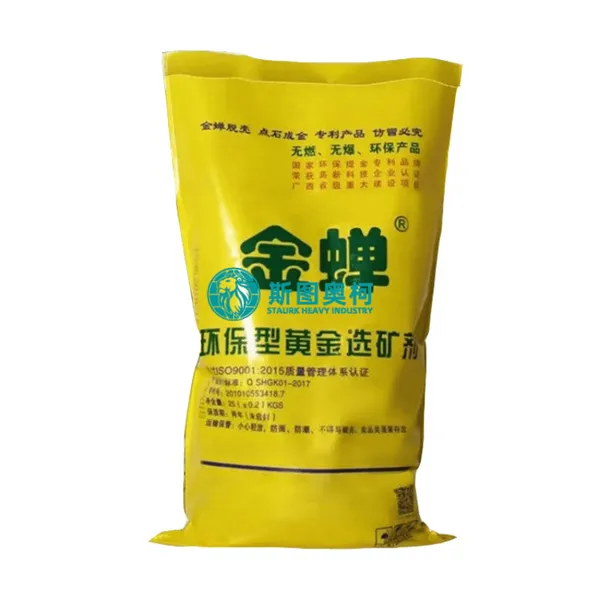
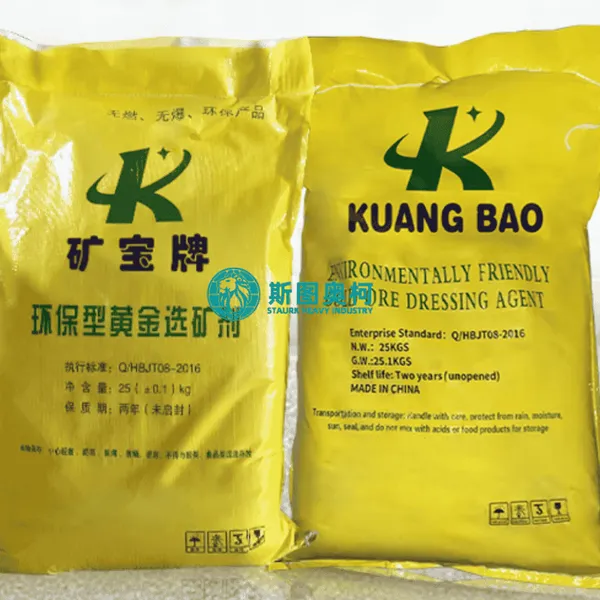
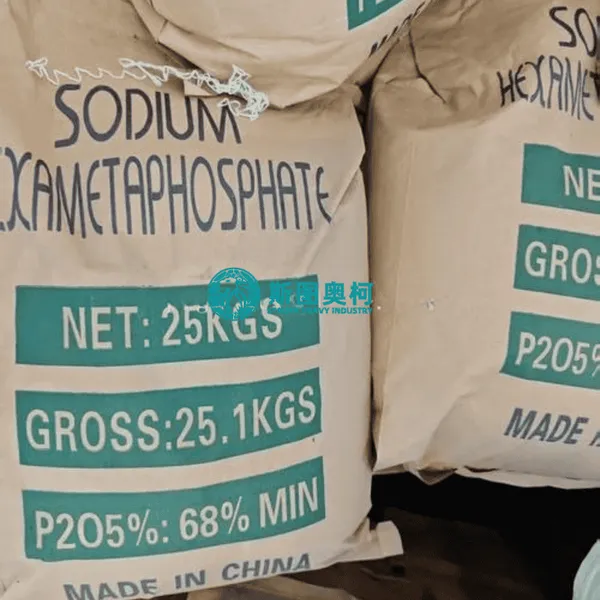
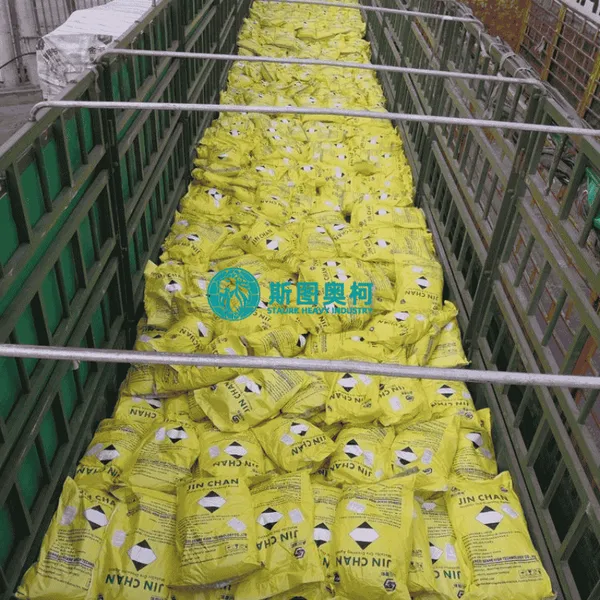
Ore Dressing Agent Mineral Processing Reagent Gold Leaching Agent Eco-friendly Non-cyanide Alternative for Gold & Silver Extraction High Recovery Rate



Related Products
-
 Gold CIP CIL Production Line Gold Leaching Plant Carbon-in-Pulp & Carbon-in-Leach Processing Plant for Gold Ore Extraction – 90–98% Recovery RateNegotiableMOQ: 1 Set
 -
Gold Elution & Electrowinning System Carbon Stripping & Electrowinning System for Gold RecoveryNegotiableMOQ: 1 Set
-
Agglomerator for Heap Leaching Agglomeration Drum Rotary Agglomerator Ore Preparation Equipment for Gold, Silver & Copper Heap Leaching OperationsNegotiableMOQ: 1 Unit
-
5 Tons Per Hour Gold Ore CIP/CIL Processing PlantNegotiableMOQ: 1 Set
-
100-200 TPD Zinc, Lead, Silver Flotation LineNegotiableMOQ: 1 Set
1.Product Introduction
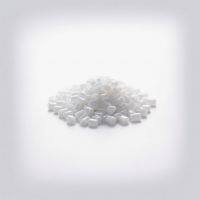
Mineral processing reagents are a series of chemical agents used in mineral processing, primarily to alter the physicochemical properties of mineral surfaces and facilitate the separation of target minerals from gangue minerals. Based on their specific functions, mineral processing reagents can be categorized into various types such as collectors, frothers, inhibitors, activators, and pH adjusters. They are extensively applied in the separation processes of metallic ores (e.g., copper, lead, zinc, gold, silver, iron, aluminum) and certain non-metallic ores.
2.Application
Collectors: Selectively adsorb onto target mineral surfaces, rendering them hydrophobic and readily attachable to bubbles.
Foamers: Reduce water's surface tension to generate stable, appropriately sized bubbles that carry hydrophobic minerals to the surface.
Suppressants: Inhibit the floatability of gangue minerals, minimizing their inclusion in the concentrate.
Activators: Activate certain minerals that are difficult to float, enhancing their floatability.
pH Adjusters: Modulate the acidity or alkalinity of the pulp to create an optimal environment for specific reagents to function.
3.Working Principle
The working principle of mineral processing agents is based on their regulation of mineral surface properties. Taking a typical flotation process as an example: after grinding, the ore forms a slurry. Upon adding a collector, the target mineral surfaces undergo chemical or physical adsorption, becoming hydrophobic (gas-loving). Simultaneously, the addition of a frother generates a large number of stable bubbles within the slurry. Within the flotation equipment, hydrophobic target mineral particles adhere to ascending bubbles and rise to the liquid surface to form a froth layer. This froth is then skimmed off or washed out to produce the concentrate. Hydrophilic (gas-repellent) gangue minerals, however, remain in the pulp, settle, and are discharged as tailings.
4.Advantages
Enhance Sorting Efficiency and Recovery Rate: By leveraging the selective action of reagents on minerals, it effectively separates low-grade or complexly disseminated ores, significantly boosting the recovery rate of target minerals.
Improved Product Grade: The addition of inhibitors reduces impurity minerals entering the concentrate, yielding higher-grade concentrate products.
High Adaptability: Different reagent combinations can be formulated or selected based on varying ore types and mineral properties, ensuring high process flexibility.
Significant Economic Benefits: Compared to relying solely on physical separation methods, chemical flotation can process a wider variety of ores, improving resource utilization and reducing overall production costs.
Continuous Technological Advancement: The development of new mineral processing agents, such as frothers utilizing production by-products as raw materials, further lowers production costs and simplifies processes while maintaining performance.

Send Inquiry to This Supplier



You May Also Like
-
Flotation Cell for Gold Ore Processing PlantNegotiableMOQ: 1 Set
-
Flotation Cell for Copper Mining PlantNegotiableMOQ: 1 Set
-
Flotation Cell for Zinc Ore BeneficiationNegotiableMOQ: 1 Set
-
Flotation Cell Machine for Mineral ProcessingNegotiableMOQ: 1 Set
-
Mining Flotation Cell Equipment for SaleNegotiableMOQ: 1 Set
-
Flotation Cell Supplier for Mining PlantNegotiableMOQ: 1 Set
-
Flotation Cell Manufacturer From ChinaNegotiableMOQ: 1 Set
-
High Efficiency Flotation Cell for Ore RecoveryNegotiableMOQ: 1 Set
-
Industrial Flotation Cell for Mineral SeparationNegotiableMOQ: 1 Set
-
Flotation Cell for Lead Zinc Ore ProcessingNegotiableMOQ: 1 Set