








 Contact Platform Support
 Help Center
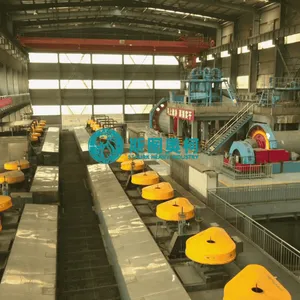
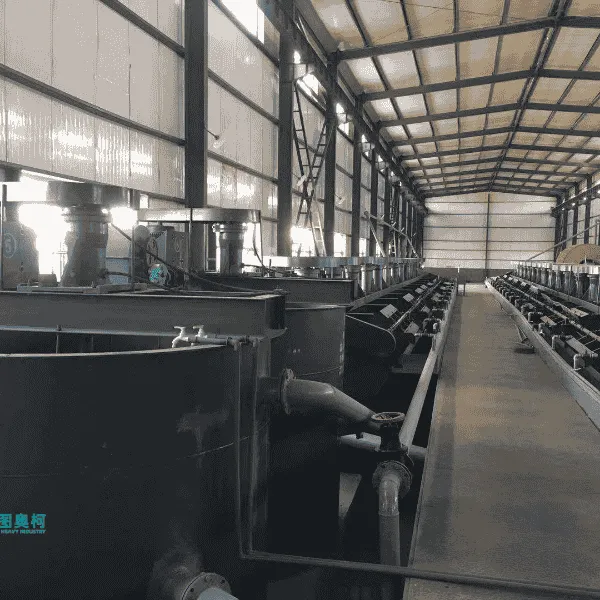
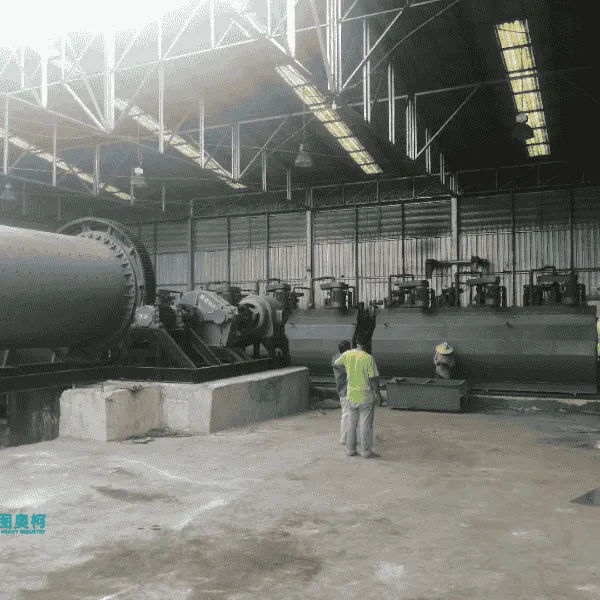
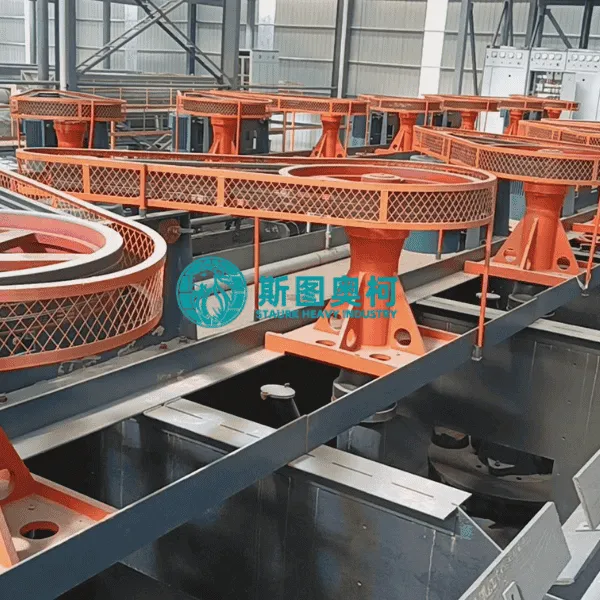
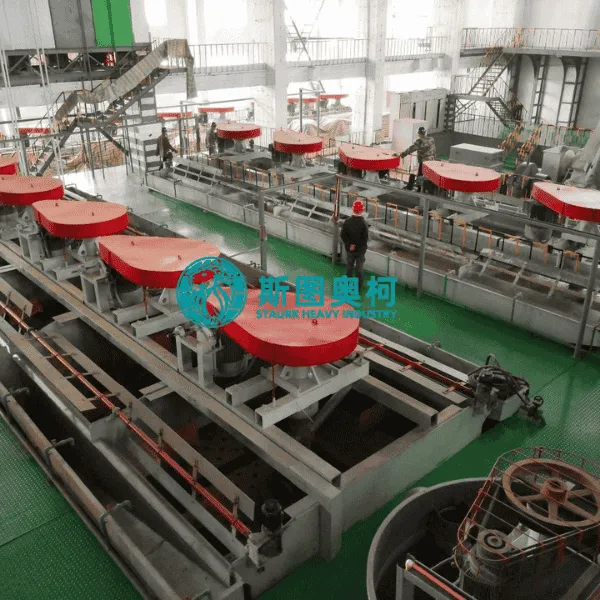
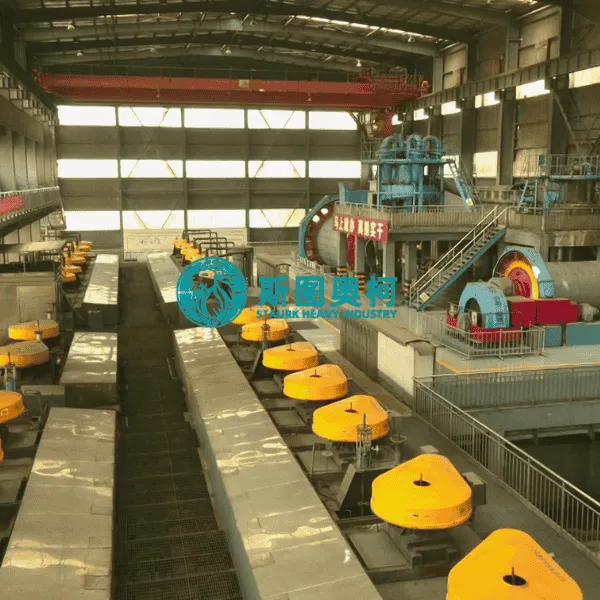
Flotation Cell for Zinc Ore Beneficiation
Product Spotlights



Related Products
-
 Flotation Cell Machine for Mineral ProcessingNegotiableMOQ: 1 Set
 -
Mining Flotation Cell Equipment for SaleNegotiableMOQ: 1 Set
-
Flotation Cell Supplier for Mining PlantNegotiableMOQ: 1 Set
-
Flotation Cell Manufacturer From ChinaNegotiableMOQ: 1 Set
-
High Efficiency Flotation Cell for Ore RecoveryNegotiableMOQ: 1 Set
Flotation Cell for Zinc Ore Beneficiation
1.Product Introduction
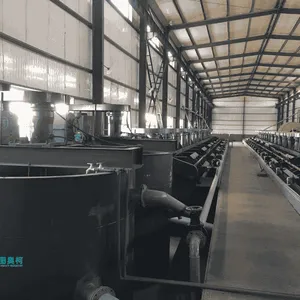
The flotation cell for zinc ore beneficiation is a high-efficiency mineral separation machine engineered specifically to handle the distinct electrochemical and surface properties of zinc-bearing minerals, most notably sphalerite (zinc sulfide) and smithsonite (zinc carbonate). Its core function involves optimizing the hydrodynamic environment within the tank to achieve precise air dispersion and uniform bubble distribution. Because zinc flotation typically follows copper or lead flotation in polymetallic circuits, these cells are designed to handle highly conditioned pulps with specialized activation reagents (such as copper sulfate). Modern configurations ensure high-velocity pulp circulation and precise froth level management to maximize zinc concentrate grades while minimizing recovery losses.
2.Application
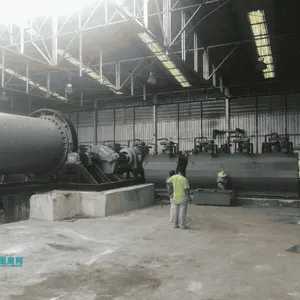
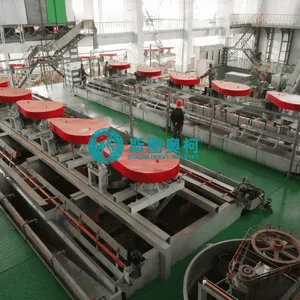
This equipment is widely utilized in the roughing, scavenging, cleaning, and re-cleaning stages of zinc and lead-zinc beneficiation plants. It successfully processes a wide array of ore profiles, including volcanogenic massive sulfide (VMS) deposits, Mississippi Valley-Type (MVT) lead-zinc ores, and complex sedimentary-exhalative (SEDEX) deposits. The flotation cell excels at recovering sphalerite, marmatite, and oxidized zinc minerals like smithsonite and hemimorphite. Furthermore, it is highly effective in complex differential flotation circuits, where it selectively separates zinc minerals from associated galena (lead sulfide), chalcopyrite (copper sulfide), and abundant iron sulfide gangue (pyrite and pyrrhotite).
3.Working Principle
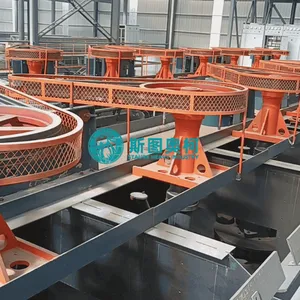
The operation is based on the selective attachment of pre-activated zinc minerals to induced air bubbles within the slurry. After lead or copper minerals are removed, the remaining pulp is conditioned with activators and zinc-specific collectors before entering the zinc flotation cell. As the impeller rotates, it draws in atmospheric or pressurized air, shearing it against the stator into a dense population of micro-bubbles. The activated, hydrophobic zinc particles collide with and firmly adhere to these rising bubbles, ascending through the pulp to form a thick, mineralized zinc froth layer at the surface. This froth is continuously collected into concentrate launders, while the hydrophilic gangue minerals—primarily quartz, calcite, and depressed iron sulfides—remain in the pulp and are discharged as tailings.
4.Advantages
High selectivity and recovery efficiency: Provides optimal gas-dispersion and bubble-size distribution, allowing for a highly selective separation of zinc minerals from iron-rich gangue and achieving exceptional zinc recovery rates and concentrate grades.
Robust and flexible processing capacity: Available in a vast range of volumetric sizes, from standard mechanical units to ultra-large intelligent models, seamlessly adapting to the throughput demands of medium to mega-scale zinc concentrators.
Low energy consumption and stable operation: Employs an advanced backward-curved blade impeller and open-blade stator design that maximizes slurry circulation at low head pressure, yielding low specific power consumption ($kW/m^3$) during continuous, 24-hour full-load operations.
Superior wear-resistant configuration: To resist the abrasive scouring action of dense, sulfide-heavy zinc slurries, high-wear internal components—including the rotor, stator, and tank bottom—are heavily lined with premium thick vulcanized rubber or high-performance polyurethanes.
Convenient operation and maintenance: Features a highly accessible modular design with advanced dart valve assemblies, enabling operators to easily manage pulp levels, perform routine inspections, and replace worn parts with minimal circuit downtime.
High intelligence and automation: Fully integrated with an intelligent automation suite featuring automated pulp level sensors, electronic air mass flow controllers, real-time vision systems for froth velocity tracking, and remote cloud-based diagnostic platforms to maintain optimal process stability.
Optimized structural design: Incorporates an advanced internal pulp circulation loop that eliminates dead zones and sand-out risks, paired with specialized froth launders that accelerate the removal of fragile zinc froths to prevent mineral drop-off.

Send Inquiry to This Supplier



You May Also Like
-
Industrial Flotation Cell for Mineral SeparationNegotiableMOQ: 1 Set
-
Flotation Cell for Lead Zinc Ore ProcessingNegotiableMOQ: 1 Set
-
Flotation Cell for Polymetallic Ore PlantNegotiableMOQ: 1 Set
-
Flotation Cell for Sulfide Ore BeneficiationNegotiableMOQ: 1 Set
-
Flotation Cell for Gold Silver Ore RecoveryNegotiableMOQ: 1 Set
-
Flotation Cell for Copper Concentrator PlantNegotiableMOQ: 1 Set
-
Flotation Cell for Fine Particle FlotationNegotiableMOQ: 1 Set
-
Flotation Cell for Mining Beneficiation LineNegotiableMOQ: 1 Set
-
Flotation Cell System for Ore Processing PlantNegotiableMOQ: 1 Set
-
Flotation Cell for Mineral Separation PlantNegotiableMOQ: 1 Set


