








 Contact Platform Support
 Help Center
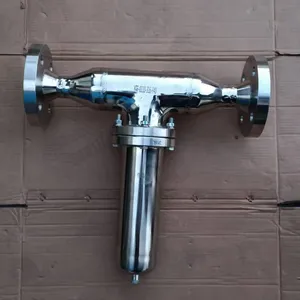
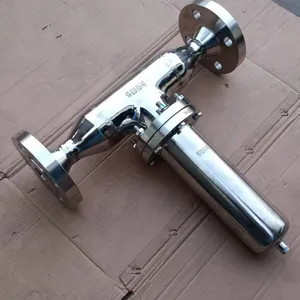
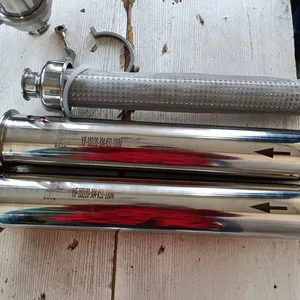
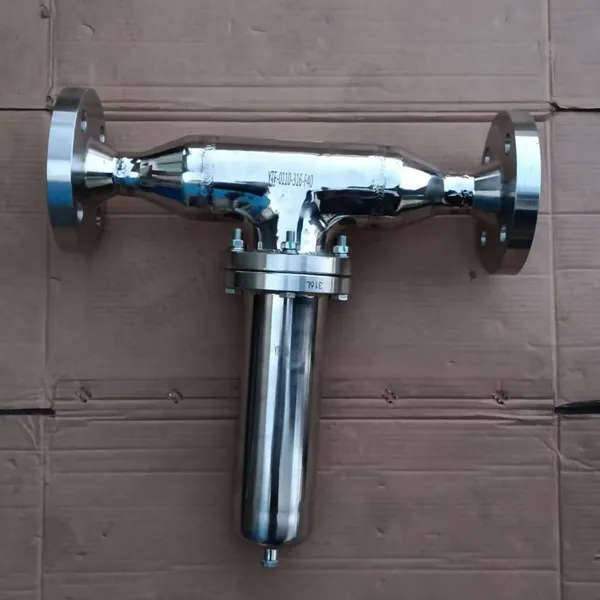
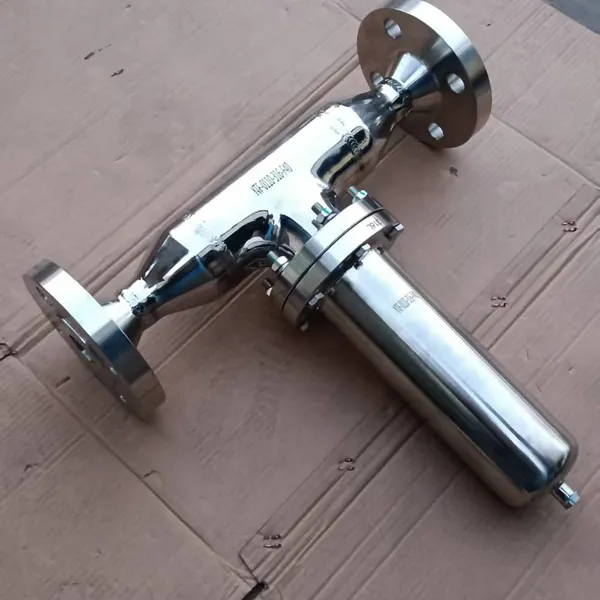
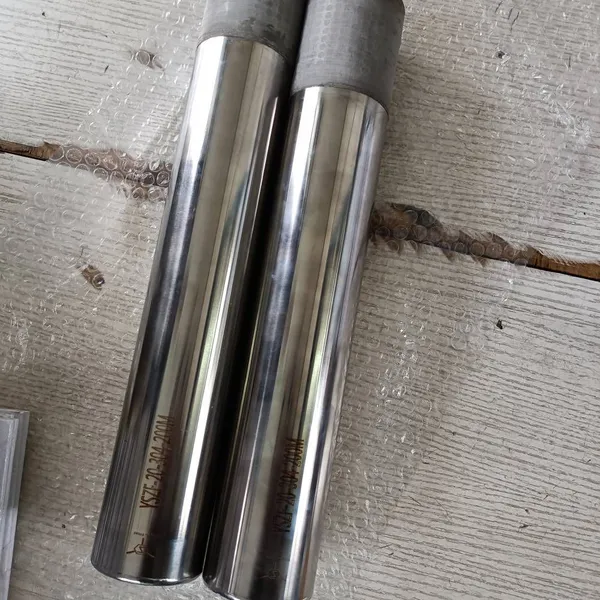
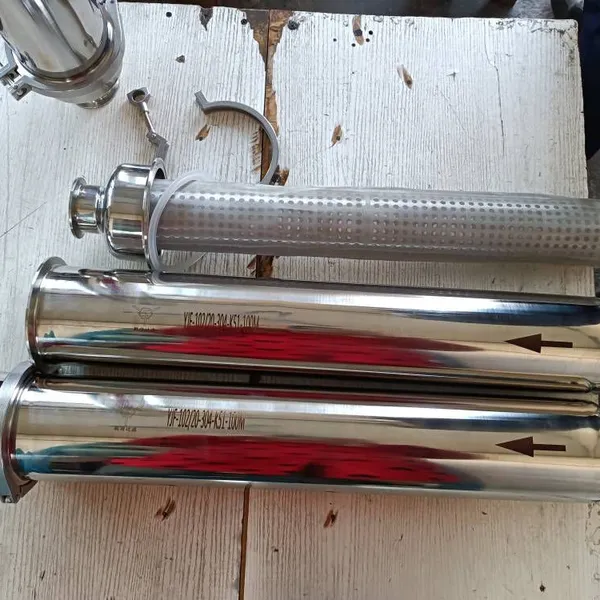
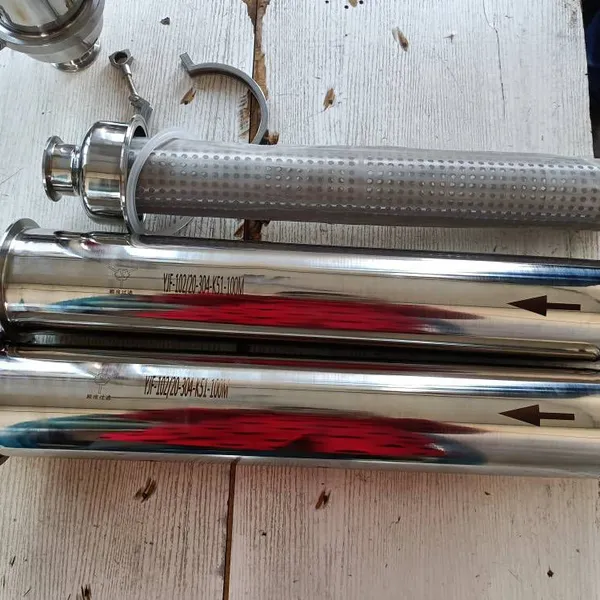
T-type Filter Yjf-102/20-304-k51-100m, Hygienic Pipeline Filter Produced by Yingsu


Related Products
-
 Yingsu-produced Sanitary Grade Pipeline Filter Yjf-102/20-304-k51-100m With Resin Filter Element, Etc.NegotiableMOQ: 0 Piece
 -
Y-type Filter Produced by Yingsu, Ytsf-500-304-k50p0.6 Decolorizing Filter, Stainless Steel FilterNegotiableMOQ: 0 Piece
-
Ycf-0125gs-304-f20 Magnetic Filters, Decolorizing Filters, Bag Filters, Etc. Produced by YingsuNegotiableMOQ: 0 Piece
-
Basket Filters Produced by Yingsu, Including Yjf - 219 - 316l - K50 Titanium Rod Filters, Magnetic Filters, Etc.NegotiableMOQ: 0 Piece
-
Ying Su's Bag Filters Including Single-bag Filters and Multi-bag Filters, Model Ydf-s1-304-51NegotiableMOQ: 0 Piece
Sanitary pipeline filters play a crucial role in industries with extremely high hygiene requirements, such as food, pharmaceuticals, and beverages. They can effectively filter out impurities, particles and other substances in the pipeline to ensure the purity of the fluid. The following will provide a detailed introduction to the specifications of sanitary pipeline filters from different aspects.
Pipe diameter specifications
The pipe diameter specifications of sanitary pipeline filters are diverse to meet the needs of different pipeline systems and flow rates. Common pipe diameters include DN15, DN20, DN25, DN32, DN40, DN50, DN65, DN80, DN100, etc. Among them, DN15 - DN25 are usually suitable for some small laboratory equipment, small food processing production lines, etc. The flow rate of filters with these pipe diameters is relatively small, but they can meet the local small - flow filtration needs. For example, in a small juice production line, a sanitary pipeline filter with a DN20 pipe diameter may be used to filter out impurities such as pulp residues in the juice.
DN50 - DN100 are more commonly used in large - scale industrial production pipeline systems, such as the liquid medicine delivery pipelines in large pharmaceutical factories and the raw water delivery pipelines in large beverage factories. The filters with these pipe diameters have a large flow rate and can handle a large amount of fluid to ensure the smooth progress of the entire production process. For instance, in the raw water pretreatment stage of a large beverage factory, a sanitary pipeline filter with a DN80 or DN100 pipe diameter will be used to remove impurities such as sediment and suspended solids in the water.
Filtration accuracy specifications
Filtration accuracy is a key specification index of sanitary pipeline filters, which determines the minimum particle size that the filter can filter out. Common filtration accuracies are 1μm, 5μm, 10μm, 20μm, 50μm, 100μm, etc. High - precision filtration of 1μm - 5μm is suitable for occasions with extremely high requirements for fluid purity, such as the production of injections in the pharmaceutical industry, where extremely small bacteria, viruses and other impurities need to be filtered out to ensure the safety and effectiveness of drugs.
A filtration accuracy of 10μm - 50μm is usually used in the food and beverage industries, which can filter out larger particulate matter, such as fibers in food and sediments in beverages. For example, in the beer production process, a sanitary pipeline filter with a 20μm filtration accuracy can be used to remove sediments such as yeast and protein in beer, improving the clarity of the beer. A filtration accuracy of around 100μm can be used in some occasions with relatively low filtration requirements, such as the preliminary filtration of industrial water to remove larger sediment particles in the water.
Material specifications
The material of sanitary pipeline filters directly affects their corrosion resistance, hygiene performance and service life. Common materials are stainless steel 304 and stainless steel 316L. Stainless steel 304 has good corrosion resistance and mechanical properties, and is relatively affordable. It is widely used in general sanitary filtration occasions, such as the filtration of clean water in food processing and the filtration of ordinary solutions in beverage production.
Stainless steel 316L has higher corrosion resistance, especially better tolerance to some fluids containing acid - base substances. In the pharmaceutical industry, since the liquid medicine may be corrosive to a certain extent, sanitary pipeline filters made of stainless steel 316L are usually selected to ensure that the filter will not affect the filtration effect and hygiene performance due to corrosion during long - term use. The material of the filter's sealing parts is also very important. Common ones include silicone rubber, EPDM rubber, etc. These sealing part materials have good elasticity and chemical corrosion resistance, which can ensure the sealing performance of the filter and prevent fluid leakage.
Connection method specifications
The connection method specifications of sanitary pipeline filters mainly include quick-connect, welding connection, and threaded connection. The quick-connect method is characterized by convenient installation and disassembly, enabling rapid replacement of filter cartridges. It is suitable for occasions that require frequent cleaning and maintenance, such as filters in food processing production lines. During the production process, the filter cartridges need to be replaced regularly to ensure the filtering effect, and the quick-connect method can greatly improve work efficiency.
Welding connection has the advantages of firm connection and good sealing performance, and is suitable for occasions with extremely high sealing requirements, such as the aseptic pipeline system in the pharmaceutical industry. Welding connection can prevent fluid leakage at the connection and prevent external pollutants from entering the pipeline system. Threaded connection is relatively simple and is suitable for some small-scale, low-pressure pipeline systems, such as the filter connection in laboratory equipment.
Pressure specifications
The pressure specifications of sanitary pipeline filters refer to the working pressure they can withstand. Common pressure specifications are 1.0MPa, 1.6MPa, 2.5MPa, etc. When selecting a filter, it is necessary to determine the appropriate pressure specification according to the actual working pressure of the pipeline system. If the working pressure of the pipeline system is high while the selected filter has a low pressure specification, it may lead to filter damage, affecting the filtering effect and production safety.
For example, in some high-pressure industrial production pipeline systems, such as filters in high-pressure steam transmission pipelines, a sanitary pipeline filter with a pressure specification of 2.5MPa or higher needs to be selected to ensure that the filter can work normally in a high-pressure environment. In some low-pressure pipeline systems, such as ordinary tap water transmission pipelines, a filter with a 1.0MPa pressure specification can meet the requirements.
The specifications of sanitary pipeline filters cover multiple aspects such as pipe diameter, filtration accuracy, material, connection method, and pressure. In practical applications, it is necessary to comprehensively consider factors such as the specific usage occasion, fluid properties, and flow requirements to select a sanitary pipeline filter of the appropriate specification to ensure that it can effectively play a filtering role and guarantee the hygiene and safety of the production process.

Send Inquiry to This Supplier

You May Also Like
-
Stainless Steel Filter Element Yjf-219-316l-300um, Stainless Steel Filter, Precision Filter Element, Etc. Produced by YingsuNegotiableMOQ: 0 Piece
-
Yjf-102/20-304-k51-100m Precision Filter Produced by Yingsu, Sanitary Pipeline FilterNegotiableMOQ: 0 Piece
-
Model Ykf-0510-304-f40 Steam Filter, Basket Filter and Bag Filter Produced by YingsuNegotiableMOQ: 0 Piece
-
Ycxf-0520-316-f51 Stainless Steel Magnetic Rod Filter, Magnetic Filter, Etc.NegotiableMOQ: 0 Piece
-
Stainless Steel Filters Produced by Yingsu, Model Yjf - 133 - 316 - K40 and Yjf - 219 - 316l - K50NegotiableMOQ: 0 Set
-
Ytf-0110-316-f40 High-pressure Hydrogen Filter, T-type Filter, Etc. Produced by YingsuNegotiableMOQ: 0 Piece
-
Stainless Steel Precision Filter of Model Yjf-219-316l-k76-300um and Yjf-0110-304-20umNegotiableMOQ: 0 Set
-
Yjf-0520-304-f50 Precision Filter, Stainless Steel Filter Element Filter, Cartridge Precision FilterNegotiableMOQ: 0 Piece
-
Yjf-219-316l-k76-300um Stainless Steel Filter, Precision Filter Produced by YingsuNegotiableMOQ: 0 Set
-
Anti-corrosion Parallel Filter Ybaf-4840-304-f100 Produced by Yingsu, Ybf-1100-304-f40NegotiableMOQ: 0 Set


