Contact Platform Support
 Help Center
Laser-cut Circular Flange | Pipe Connection Fitting, Customizable in Stainless Steel or Carbon Steel as Required


Related Products
-
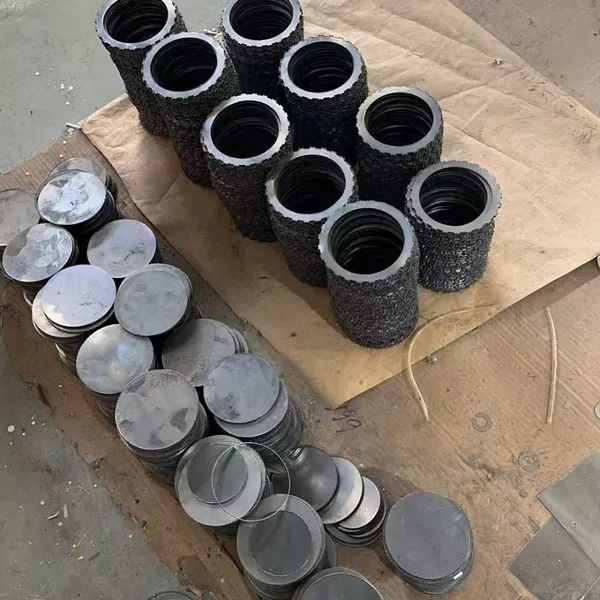
 Stainless Steel, Copper, and Steel Laser Cutting | Hole Drilling for Guardrail Posts / Angle Cutting for Stair Handrails, Special for EngineeringNegotiableMOQ: 0
 -
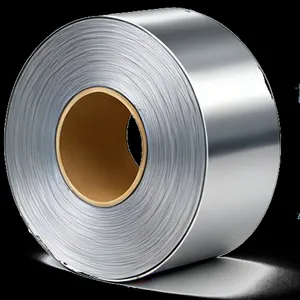
Laser Cutting of 3003 Aluminum Strip | Precision Cutting of Ultra-thin Parts for Electronic Heat Sinks / Battery ShellsNegotiableMOQ: 0
-
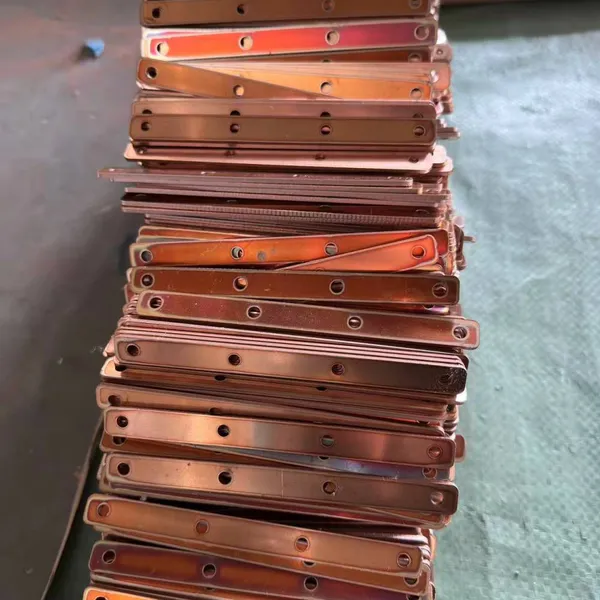
t2 Red Copper Laser Cutting | Copper Busbars for Distribution Cabinets / Conductive Sheets With Integrated Slotting and Bending ProcessingNegotiableMOQ: 0
-
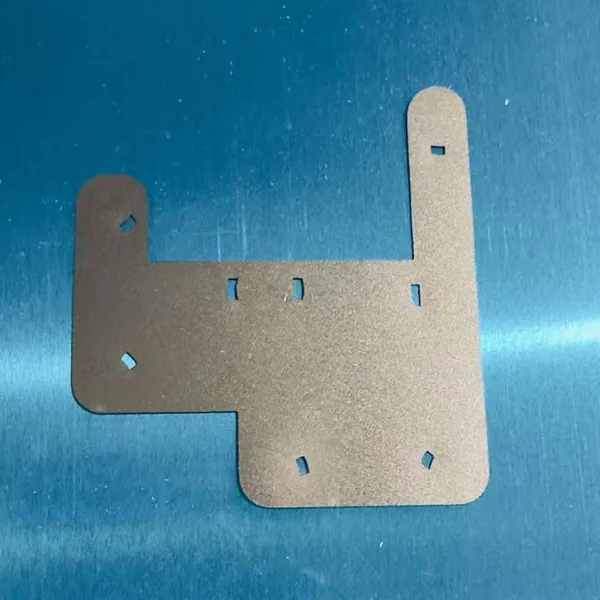
Laser-cut Triangular Brackets | for Building Curtain Walls / Equipment Support, Thickened Plate ProcessingNegotiableMOQ: 0
-
Cutting of 316 Stainless Steel Special-shaped Parts | Flanges/filter Screens for Chemical Equipment, Corrosion-resistant ProcessingNegotiableMOQ: 0
Laser-cut circular flange - A guide to customizing high-efficiency and precise pipe connection fittings
Hello everyone, I'm Xiao Li. I've been in charge of procurement at a medium-sized valve manufacturing company for several years. Recently, our company received a large project that requires a large number of circular flanges. Moreover, the materials are required to be all stainless steel or carbon steel, and the size, hole position, and thickness need to be customized according to the actual drawings. At first, we hesitated: should we choose traditional stamping and welding or go straight for laser cutting? After multiple comparisons, we finally chose laser cutting. Today, I'll share this "practical experience" with you. By the way, I'll teach you how to select a suitable custom manufacturer for pipe connection fittings to make it more SEO-friendly!
1. Why choose laser-cut circular flanges?
High precision: The error of laser cutting is basically within ±0.1mm. The sealing surface and bolt hole positions of the flange are formed in one go, avoiding post-processing.
Fast delivery: From the CAD drawing to the finished product, the goods can be shipped in as fast as 48 hours, greatly shortening the project cycle.
Non-destructive to materials: Laser cutting is a non-contact processing method with a small heat-affected zone, which can fully preserve the corrosion resistance of stainless steel and the strength of carbon steel.
Complex shapes: Whether it's a single-hole, double-hole, multi-hole, or reinforced structure, laser cutting can handle it easily to meet "non-standard" requirements.
"Previously, we used stamping. Not only was the mold cost high, but the offset of the hole positions often led to rework. After switching to laser cutting, it's formed in one go, saving time and effort."
—— Project Manager Mr. Zhang
2. Choose the right material to match the working conditions
| Material | Applicable scenarios | Key advantages |
|---|---|---|
| Stainless steel (304/316) | Chemical, marine, food, pharmaceutical industries | Corrosion-resistant, high-temperature resistant, easy to clean |
| Carbon steel (Q235, 20#) | Petroleum, natural gas, heating, pressure vessels | High strength, low cost, good weldability |
Tip: If the site is often exposed to strong acids and alkalis, it is recommended to choose 316L (low-carbon) stainless steel to further reduce the risk of intergranular corrosion.
3. Customize as needed: Process and key points
Drawing confirmation: Provide CAD/SolidWorks files and clarify the outer diameter, inner diameter, thickness, hole diameter, hole position, and flange surface processing (plane, groove, welding groove).
Material selection: Select stainless steel or carbon steel according to the medium, temperature, and pressure, and confirm whether surface treatment (sandblasting, polishing, galvanizing) is required.
Process review: The manufacturer's technical team will conduct a feasibility analysis of laser cutting on the drawings, including thermal deformation, material utilization, and cutting path optimization.
Sample confirmation: Make the first sample, check the dimensions, hole positions, and weld quality. After passing the inspection, start mass production.
Quality inspection: Conduct a full inspection before leaving the factory, including dimensional inspection, hardness testing, and penetrant testing to ensure that each piece meets the GB/T standard.
Our partner manufacturers provide third-party inspection reports before each batch leaves the factory, which gives us more confidence when bidding.

Send Inquiry to This Supplier


You May Also Like
-
304 Stainless Steel Laser Cutting | Customized Shelf Brackets / Chassis Enclosures With Right Angles / Round HolesNegotiableMOQ: 0 Kilogram
-
316 Stainless Steel Laser-cut U-shaped Card Slot, Profile Cutting and BendingNegotiableMOQ: 0
-
Laser-cut and Hollowed-out Filter Mesh With High-precision HolesNegotiableMOQ: 0
-
Laser Cutting of Stainless Steel Sheets | Customized Hollow Carved Kitchenware Panels / Decorative LatticeworkNegotiableMOQ: 0
-
Extra-large Format Laser Cutting Factory | 3m × 1.5m Sheet Metal Full Sheet ProcessingNegotiableMOQ: 0
-
Laser Cutting of Stainless Steel Composite Plates | Integrated Processing of Multi-layer MaterialsNegotiableMOQ: 0
-
7075 Aviation Aluminum Laser Cutting | High-strength Aluminum Parts Precision MachiningUS$ 1.54MOQ: 1 Piece
-
Mirror Stainless Steel Laser Cutting | Decorative Parts Processing, Scratch-free and Burr-freeNegotiableMOQ: 0
-
201 and 304 Stainless Steel Laser Cutting | Decorative Plate Carving, Low-cost CustomizationNegotiableMOQ: 0
-
Laser Cutting of Copper and Aluminum Sheets | Bulk Processing Offers Better Discounts. Tolerance ≤ ±0.1mmNegotiableMOQ: 0