








 Contact Platform Support
 Help Center
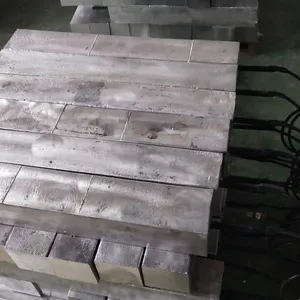
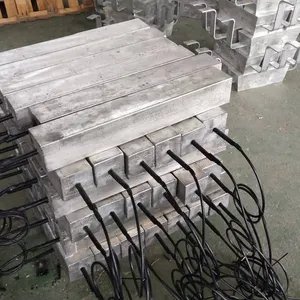
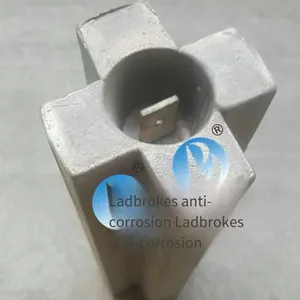
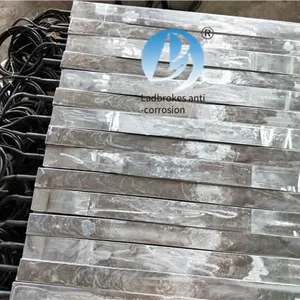
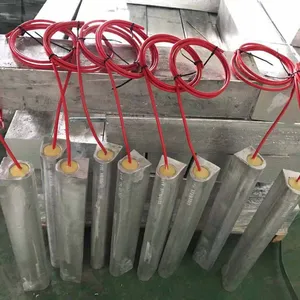
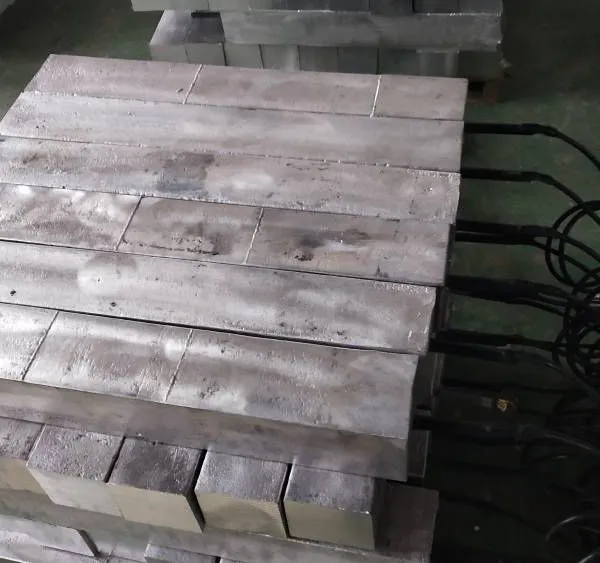
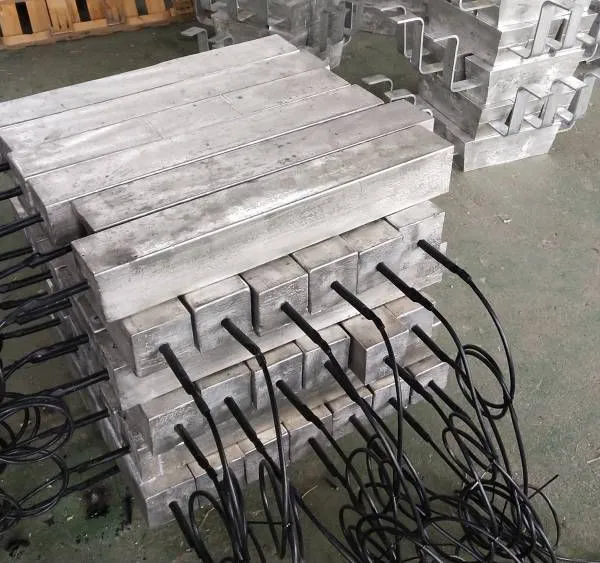
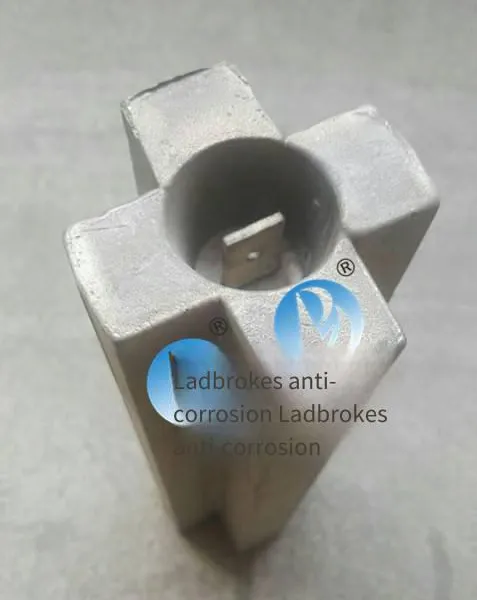
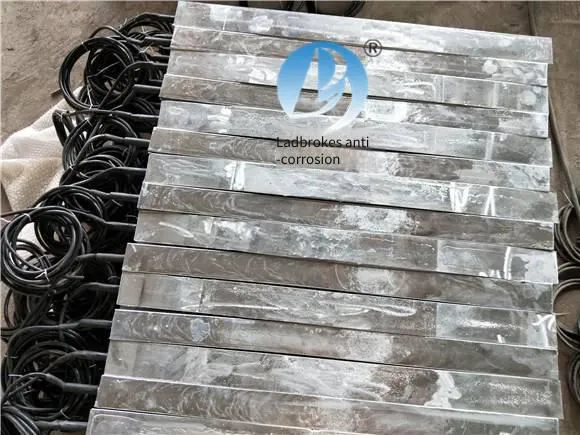
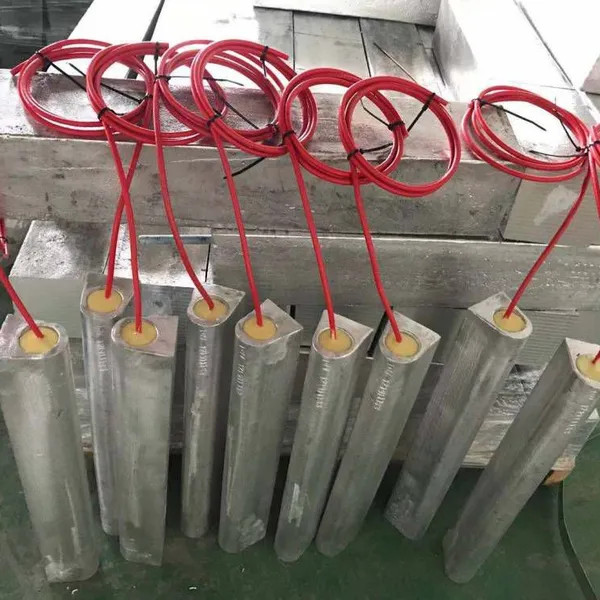
8kg Magnesium Alloy Anode for Reservoir Gates



Related Products
-
 High-quality Magnesium Anodes, Magnesium Alloy Sacrificial Anodes for Drainage Pipelines, Libo Anti-corrosionUS$ 3.23 - 3.54MOQ: 2 Kilograms
 -
Manufacturer of Aluminum Alloy Sacrificial Anodes, Anti-corrosion Bracelet-type Aluminum Anodes, 142.2kgUS$ 3.54 - 3.85MOQ: 2 Kilograms
-
Bolt-type Zinc Anode, Bolt-connected Zinc Alloy Sacrificial Anode for Ship Hull, 400*100*40mmUS$ 3.54 - 4MOQ: 2 Kilograms
-
Zinc-aluminum-cadmium Alloy Sacrificial Anode, Zinc Anode, Hull Zh-1 Zinc Block, 800*140*60mmUS$ 3.69 - 4.31MOQ: 2 Kilograms
-
21.5kg High-temperature-resistant Aluminum Sacrificial Anode, Single Iron Leg Welded Aluminum Alloy Sacrificial Anode for Liquid TanksUS$ 3.54 - 3.85MOQ: 2 Kilograms
8kg Magnesium Alloy Anode for Reservoir Gates
Applications of Magnesium Alloy Sacrificial Anodes by Jiaozuo Libo Light Alloy Co., Ltd.: Suitable for anti-corrosion protection of projects such as oil and gas pipelines, water supply and drainage pipelines, underground cables, chemical industry, communication, harbors, ships, and reservoir gates in underground and fresh water environments. The company's main products include: magnesium alloy sacrificial anodes, aluminum alloy sacrificial anodes, zinc alloy sacrificial anodes, magnesium strips, zinc strips, pre-packaged high-silicon cast iron anodes, precious metal oxide anodes, deep well anodes, insulating joints/flanges, heat-shrinkable tapes/sleeves, potentiostats, test piles, reference electrodes, thermite welding fluxes and cathode protection supporting products, magnesium alloy rods, and deep-processed magnesium alloy products, with hundreds of specifications.
How to explain the origin of the name of sacrificial anode?
Answer: According to the electrochemical principle, cathode current is provided from the magnesium alloy anode material body to the protected object such as steel structure through electrolytes like soil or water, making the protected steel structure cathodic and achieving cathode protection. As the current keeps flowing, the anode material is continuously consumed. This is the origin of the name of sacrificial anode.
Jiaozuo Libo Light Alloy Co., Ltd.'s complete set of magnesium sacrificial anodes consists of 1 magnesium sacrificial anode ingot, 1 piece of VV-10㎜? cable with a length of 3 meters, 50kg of backfill material, 1 cotton cloth bag, and 1 plastic woven bag. That is, there is 1 magnesium sacrificial anode ingot in the cotton cloth bag, with 1 piece of VV-10㎜ cable with a length of 3 meters welded to its iron core. The welding part is insulated and covered with a heat-shrinkable tube. 50kg of backfill material is evenly distributed around the magnesium sacrificial anode ingot. A plastic woven bag is put over the cotton cloth bag. Magnesium anodes are suitable for the cathode protection of steel facilities working in media such as soil, fresh water and seawater.
■ Main applications:
Magnesium alloy sacrificial anodes are suitable for anti-corrosion protection of projects such as oil and gas pipelines, water supply and drainage pipelines, underground cables, chemical industry, communication, harbors, ships, and reservoir gates in underground and fresh water environments.
■ Execution standard:
GB/T 17731-2009
The main sacrificial anode material used in soil is magnesium, while in seawater, it is zinc and aluminum. In order to keep the current output as stable as possible and reduce the anode grounding resistance, chemical backfill materials should be used around the sacrificial anodes in soil, which are mainly composed of a mixture of 75% calcium sulfate, 20% bentonite and 5% sodium sulfate. Sacrificial anodes should not be buried in coke. When used in groups, the anode spacing should be at least 3m. The thickness of the soil covering layer on the top of the anode should be at least 0.6m. In order to measure the off-potential, the sacrificial anode should be connected to the pipeline through a measuring box. When the sacrificial anode is used in the area near the AC traction system, the continuous AC induced voltage on the anode body should not exceed 20V.
Scope of use
In the cathode protection method using magnesium alloy sacrificial anodes, magnesium anodes can be used in soil or fresh water environments with a resistivity ranging from 20 ohm·m to 100 ohm·m.
Magnesium sacrificial anodes can generally be used in soil or fresh water environments with a resistivity of 20 ohm/m to 50 ohm/m. Magnesium sacrificial anodes are generally not used in environments with a resistivity of less than 10 ohm/m. 100 is the temperature that can be reached when using magnesium sacrificial anodes. The utilization rate of magnesium sacrificial anodes is 85%. Therefore, when the weight of the anode remains at 15%, it can be considered that the anode has failed. The normal resistivity of magnesium sacrificial anodes is 50%, but it may be lower due to various constraints.
Under the influence of saltwater or brine, when using magnesium sacrificial anodes, the temperature should not exceed 30 degrees Celsius. In a freshwater environment, the temperature should also not exceed 45 degrees Celsius when using magnesium sacrificial anodes. Therefore, magnesium sacrificial anodes are not suitable for use in seawater because their corrosion rate is too fast and their service life is very short.

Send Inquiry to This Supplier


You May Also Like
-
Custom Processing of High-efficiency Aluminum Alloy Sacrificial Anodes. High-efficiency Aluminum Anodes. High-quality SupplierUS$ 3.85 - 4MOQ: 2 Kilograms
-
35kg Aluminum Alloy Sacrificial Anode for Anti - Corrosion of Sewage Tanks, Aluminum Anode With Iron FeetUS$ 3.54 - 3.85MOQ: 2 Kilograms
-
What Specifications Are Available for Aluminum Alloy Sacrificial Anodes Used in Power Plants? 35kg Aluminum Sacrificial AnodeUS$ 3.85 - 4MOQ: 2 Kilograms
-
80kg Aluminum Anode for Storage Tanks, Aluminum Alloy Sacrificial Anode, How to Use Aluminum Sacrificial Anodes for Storage TanksUS$ 3.85 - 4MOQ: 2 Kilograms
-
Bracelet-style Aluminum Sacrificial Anodes, Reliable Cooperation Manufacturers, Aluminum-zinc-indium Sacrificial AnodesUS$ 3.85 - 4MOQ: 2 Kilograms
-
22kg Magnesium Anode for Oil Pipeline, Magnesium Alloy Sacrificial Anode for Long - Distance Pipeline Anti - Corrosion, Libo Anti - CorrosionUS$ 3.23 - 3.38MOQ: 2 Kilograms
-
Magnesium Sacrificial Anode With Cable, Libo Anti-corrosion, Buried Magnesium Anode 14kgUS$ 3.23 - 3.38MOQ: 2 Kilograms
-
Pre-packaged 11kg Magnesium Alloy Sacrificial Anode, Anti-corrosion Material for Buried Pipelines, Libo Anti-corrosionUS$ 3.23 - 3.38MOQ: 2 Kilograms
-
Complete Set of 22kg Magnesium Alloy Sacrificial Anodes, Libo Anti - Corrosion, Quality Guaranteed, Worry - Free After - Sales ServiceUS$ 3.23 - 3.38MOQ: 2 Kilograms
-
22kg Magnesium Alloy Sacrificial Anode for Tank Exterior Wall, Magnesium Anode. Choose Us, Choose Peace of MindUS$ 3.23 - 3.38MOQ: 2 Kilograms
