








 Contact Platform Support
 Help Center
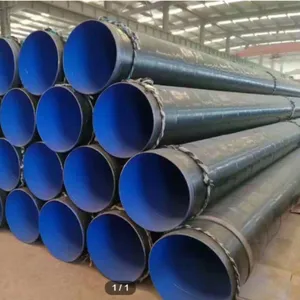
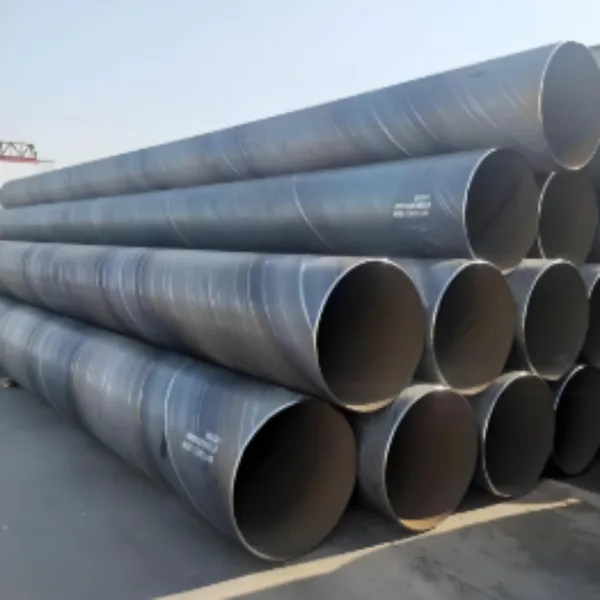
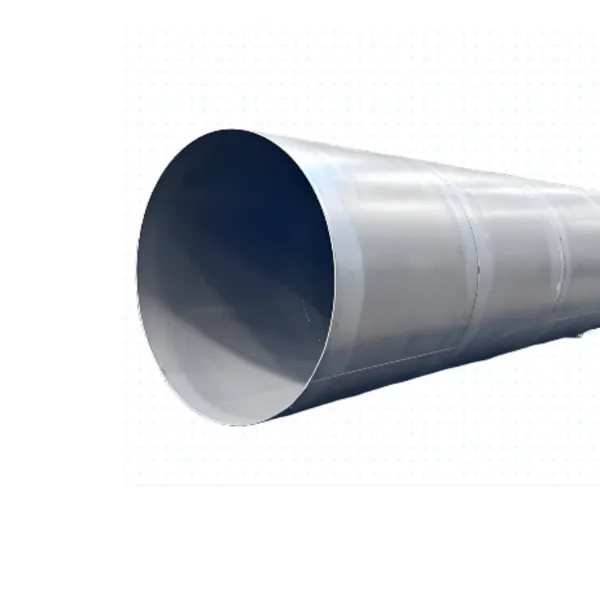
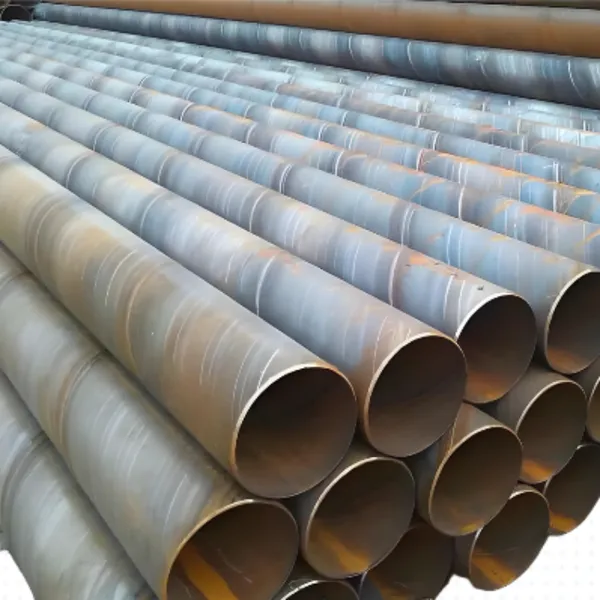
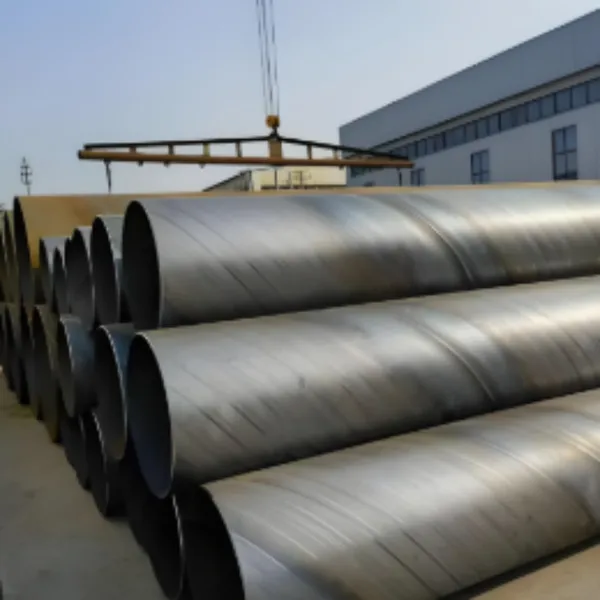
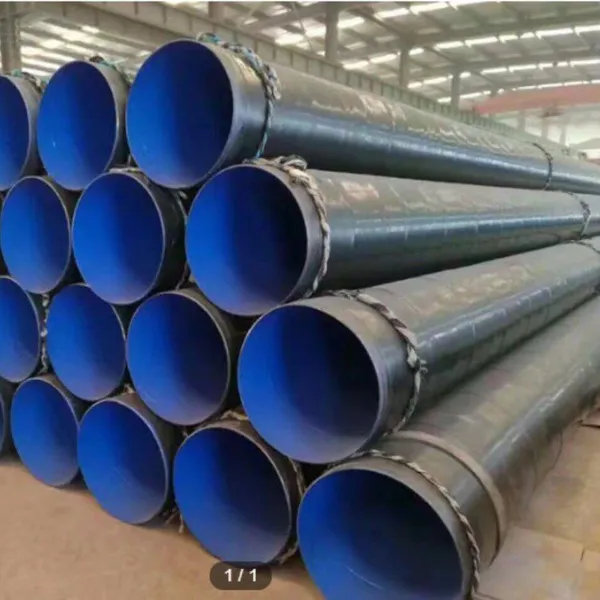
Anti-corrosion Spiral Steel Pipe

Related Products
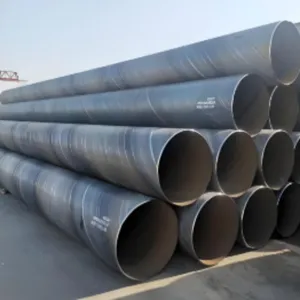
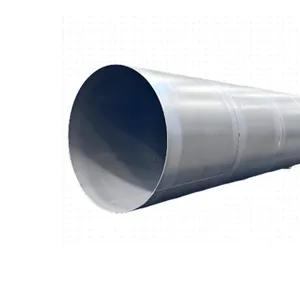
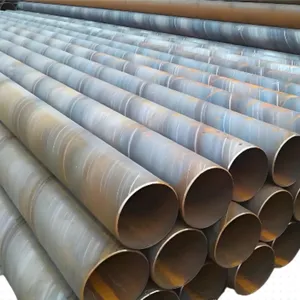
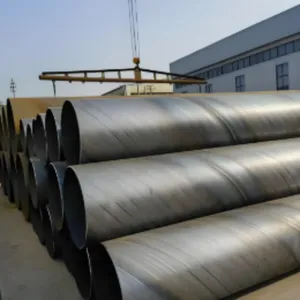
Industrial pipe spiral pipes are mainly used in oil and gas transmission pipelines, and their specifications are expressed by outer diameter * wall thickness. The spiral pipe has single-sided welding and double-sided welding, and the welded pipe should ensure that the hydraulic test, tensile strength and cold bending performance of the weld meet the regulations.
The raw materials of the production process are strip coils, welding wires, fluxes. It must be strictly inspected physically and chemically before being put into operation. (2) The strip head and tail are docked, using single or double wire submerged arc welding, and automatic submerged arc welding and supplementary welding are used after coiling into steel pipes. (3) Before forming, the strip is leveled, trimmed, planed, and the surface is cleaned and conveyed and bent. (4) The pressure of the cylinder is controlled by the electric contact pressure gauge to control the pressure of the cylinder on both sides of the conveyor to ensure the smooth conveying of the strip. (5) External control or internal control roller molding. (6) The weld gap control device is used to ensure that the weld gap meets the welding requirements, and the pipe diameter, the amount of misalignment and the weld gap are strictly controlled. (7) Both internal and external welding are soldered or double-wire submerged arc welding by Lincoln electric welding machine in the United States, so as to obtain stable welding specifications. (8) The welded welds have been inspected by online continuous ultrasonic automatic wound meter, which ensures 100% non-destructive testing coverage of spiral welds. If there is a defect, it will automatically alarm and spray the mark, and the production workers will adjust the process parameters at any time to eliminate the defect in time. (9) Use air plasma cutting machine to cut the steel pipe into single pieces. (10) After cutting into a single steel pipe, each batch of steel pipes must carry out a strict first inspection system to check the mechanical properties, chemical composition, fusion status, surface quality of the steel pipe and after non-destructive testing inspection to ensure that the pipe-making process is qualified before it can be officially put into production. (11) The part with continuous acoustic flaw detection marks on the weld seam should be manually reviewed by ultrasonic and X-ray, and if there is indeed a defect, it will be repaired and then inspected again without destructive inspection until it is confirmed that the defect has been eliminated. (12) The pipes where the strip butt weld weld and the D-type joint intersecting with the spiral weld are all inspected by X-ray TV or film. (13) Each steel pipe has been tested by hydrostatic pressure, and the pressure is sealed radially. The test pressure and time are strictly controlled by the steel pipe water pressure microcomputer detection device. Test parameters are automatically printed and recorded. (14) The pipe end is machined to accurately control the verticality, bevel angle and blunt edge of the end face.
Surface Treatment Method:
1. Cleaning The application of solvents and emulsions to clean the surface of the steel to remove oil, grease, dust, lubricating agents and similar organic matter, but it cannot remove the rust, scale, flux, etc. on the surface of the steel, so it is only used as an auxiliary measure in anti-corrosion production.
2. Tool rust removal The first use of wire brushes and other tools to polish the surface of the steel, which can remove loose or warped scale, rust, welding slag, etc. If the steel surface is attached to a strong iron oxide skin, the rust removal result of the tool is not ideal, and the anchor depth required for anti-corrosion construction cannot be reached. 3. Pickling is usually done with chemical and electrolytic methods, and the pipeline anti-corrosion only uses chemical pickling, which can remove oxide scale, rust, and old coating, and sometimes it can be used as sandblasting and rust removal. Although chemical cleaning can achieve the inevitable cleanliness and roughness of the appearance, its anchor pattern is shallow and easy to pollute the situation.
4. Spraying (throwing) rust removal Spraying (throwing) rust removal is driven by a high-power motor to drive the high-speed torsion of the spraying (throwing) blades, so that steel sand, steel shots, iron wire sections, minerals and other abrasives are sprayed (thrown) on the surface of the steel pipe under the centrifugal force effect, which can not only completely eliminate rust, oxides and dirt, but also reach the required average roughness under the effect of the ferocious impact and friction force of the steel pipe. After spraying (throwing) to remove rust, it can not only expand the physical adsorption effect of the pipe surface, but also strengthen the mechanical adhesion effect between the anti-corrosion layer and the pipe surface. Therefore, spraying (blasting) rust removal is the ideal rust removal method for pipeline corrosion prevention. Generally speaking, shot blasting (sand) rust removal is primarily used for the treatment of the inner and outer surfaces of the pipe, and shot blasting (sand) rust removal is primarily used for the surface disposal of the pipe.
How to increase the stability of spiral pipes:
1. Small and medium-sized sectional steel, wire rods, steel bars, medium-diameter steel pipes, steel wires and wire ropes, etc. can be stored in a well-ventilated material shed, but they must be covered with straw mats.
2. Some small steels, thin steel plates, steel strips, silicon steel sheets, small-diameter or thin-walled steel pipes, various cold-rolled, cold-drawn steels, and high-priced, easily corrosive metal products can be stored in the warehouse.
3. The site or warehouse for storing spiral steel pipe products should be in a clean and well-drained place, away from factories and mines that produce harmful gases or dust. Weeds and all debris should be removed on the site to keep the steel clean.
4. Large sectional steel, steel rails, steel plates, large-diameter steel pipes, forgings, etc. can be stacked in the open air.
5. It is not allowed to be stacked with acid, alkali, salt, cement and other materials that are aggressive to steel in the warehouse. Different varieties of steel should be stacked separately to prevent confusion and contact corrosion.

Send Inquiry to This Supplier


You May Also Like
-
 Sanitary Stainless Steel Clean Pipes PipeNegotiableMOQ: 1000 Meters
 -
Alloy Steel PipeUS$ 1000 - 1100MOQ: 10 Tons
-
Steel Jacket Steel Steam Insulation PipeUS$ 60 - 62MOQ: 100 Meters
-
Can be Customized on DemandNegotiableMOQ: 1000 Meters
-
Mining Double-resistant Plastic-coated Pipe Fittings Are Resistant to High TemperatureNegotiableMOQ: 1000 Meters
-
Customized Galvanized Wire Buckle FlangeNegotiableMOQ: 1000 Blades
-
Stainless Steel/alloy Steel MaterialNegotiableMOQ: 1000 Blades
-
Customized Drawings and Bending PipesNegotiableMOQ: 1000 Pieces
-
Universal CouplingNegotiableMOQ: 1000 Pieces
-
Universal CouplingNegotiableMOQ: 1000 Pieces


