








 Contact Platform Support
 Help Center
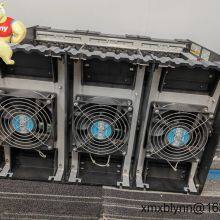
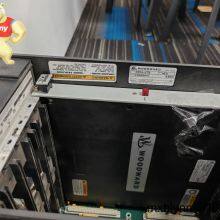
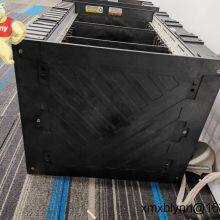
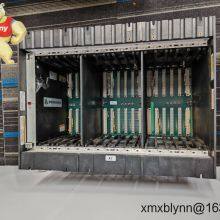
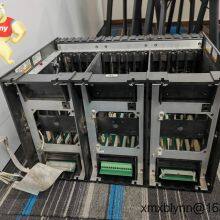
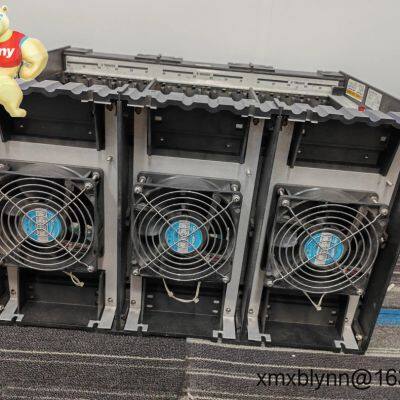
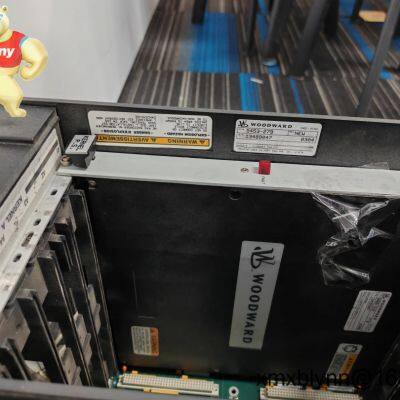
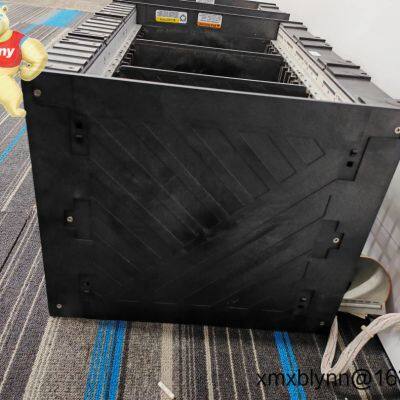
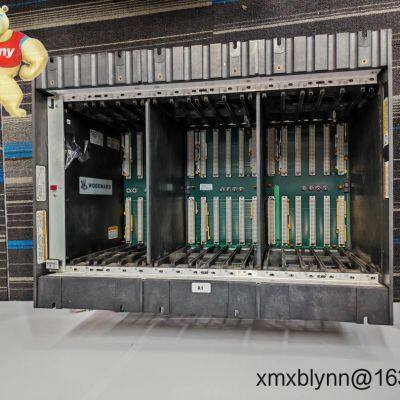
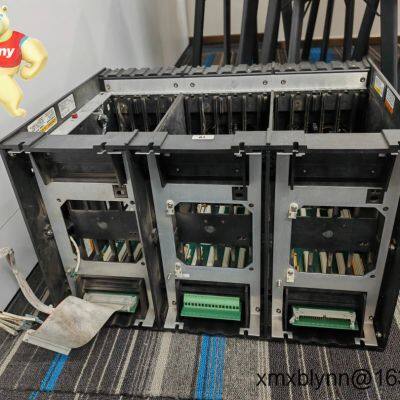
Woodward 5453-203 – Control Module for Industrial Engine and Turbine Systems



Related Products
-
 Woodward 5501-467 – Rack-Mounted Control Module for Critical Turbine/Engine ApplicationsNegotiableMOQ: 1 Bag
 -
Woodward 9905-973 – ProTech 203 Overspeed Protection for Critical Turbine ApplicationsNegotiableMOQ: 1 Bag
-
Woodward 9907-018 – Load Sharing & Speed Control for Gensets and Industrial EnginesNegotiableMOQ: 1 Bag
-
Woodward 5466-316 – MicroNet I/O Module for Turbine and Engine Control RacksNegotiableMOQ: 1 Bag
-
Woodward 9907-252 – Load Sharing & Speed Control for Engine and Generator GoverningNegotiableMOQ: 1 Bag
The Woodward 5453-203 is a plug-in control module used in Woodward industrial control platforms, typically found in turbine, engine, and generator control cabinets. It’s designed for dependable operation in harsh environments and is commonly specified as a replacement or expansion module in existing Woodward racks.
From my experience, end users choose this module when they need consistent I/O processing and tight integration with established Woodward control architectures. It appears to be favored for retrofit projects where system uptime and drop‑in compatibility matter more than feature experimentation.
Key FeaturesWoodward rack compatibility – Designed as a plug-in board for Woodward control chassis, easing field replacement and minimizing downtime.
Industrial-grade design – Built for stable performance in electrically noisy panels and varying ambient temperatures common in plant rooms.
Deterministic control behavior – Consistent processing for speed, load, and protection logic when configured within the host system.
Reliable I/O handling – Supports the typical mix of discrete and analog signals used in engine/turbine governors and auxiliaries (actual channel count depends on configuration).
Serviceable in the field – Clear front labeling and rack guides simplify module swaps; technicians can typically replace it during scheduled outages.
Lifecycle support – Suited as a spare for installed bases to reduce obsolescence risk and keep OEM logic intact.
| Parameter | Details |
|---|---|
| Brand / Model | Woodward 5453-203 |
| Power Requirements | 24 VDC nominal (typical for Woodward rack modules; confirm per system BOM) |
| Operating Temperature | Industrial range, typically −20 to +60 °C (verify against the module’s datasheet revision) |
| Signal I/O Types | Mix of discrete and analog channels, used for engine/turbine control and monitoring (varies by configuration) |
| Communication Interfaces | Typically integrated via the Woodward backplane; field protocols such as Modbus RTU/TCP may be available at system level |
| Installation Method | Plug-in module for Woodward control chassis; secured with front panel hardware and backplane connector |
| Form Factor | Rack-mounted board; dimensions align with the host Woodward system slot (consult assembly drawing) |
You’ll typically see the 5453-203 in power generation and rotating equipment controls where mature Woodward architectures are standard:
Gas and steam turbine control (speed, load, protection interlocks)
Large engine generator sets for industrial plants and utilities
Compressor and pump control skids in oil & gas and chemical processing
Marine propulsion and auxiliary power packages using Woodward governors
Drop-in serviceability – Keeps your existing logic, wiring, and cabinet layout intact, which saves time during outages.
High compatibility – Works within established Woodward racks, reducing integration risk in mixed-vintage panels.
Proven reliability – In many cases, these modules run for years with minimal drift when housed in a clean, cool cabinet.
Lower lifecycle cost – Avoids costly redesigns; maintenance teams can hold common spares across multiple units.
Backed by global support – Access to Woodward’s service network, firmware guidance, and field engineering when needed.
“We swapped in a 5453-series module during a planned stop on our cogen line. No cabinet rework, and the logic matched right up,” a maintenance lead at a Midwest plant told us. That’s fairly typical when the rack and firmware revisions are aligned.
Cabinet standards – Mount within the specified Woodward chassis; maintain IP-rated enclosure with adequate ventilation.
Power & grounding – Use a clean 24 VDC supply with proper earth bonding and segregate signal wiring from power conductors.
Wiring & backplane – Seat the module evenly into the backplane connector; tighten front panel screws to the recommended torque.
ESD precautions – Handle with ESD protection; avoid touching component surfaces during installation.
Environmental care – Keep cabinet temperature stable and free of oil mist and conductive dust; periodic filter cleaning helps.
Routine checks – Schedule visual inspections each outage; verify connectors, run a quick I/O health check, and confirm firmware alignment with the host controller.
Firmware/config – If applicable, match the module’s firmware and configuration file versions to your system revision before energizing.
CE marking and UL/cUL listing are commonly available on Woodward control modules; check the 5453-203 label and datasheet for the exact approvals.
RoHS compliance typically applies to current production variants.
Manufacturer’s warranty: commonly 12 months from shipment (region and program dependent).

Send Inquiry to This Supplier



You May Also Like
-
Woodward 9907-165 – 2301A Load Sharing & Speed Control for Engine and Generator GoverningNegotiableMOQ: 1 Bag
-
Woodward 9907-029 — 2301A Load Sharing & Speed Control for Generator SetsNegotiableMOQ: 1 Bag
-
Woodward 9907-149 – Load Sharing & Speed Control for Engines and Generator SetsNegotiableMOQ: 1 Bag
-
Woodward 9907-162 (2301E Series) – Digital Load Sharing & Speed Control for Engines and GensetsNegotiableMOQ: 1 Bag
-
Woodhead PCU2000ETH: Bridge Legacy PLCs to Modern Ethernet NetworksNegotiableMOQ: 1 Bag
-
Woodward 5466-1035 Controller Module: Rock-Solid Control for Critical Power SystemsNegotiableMOQ: 1 Bag
-
Woodward 8256-021: Reliable Speed Control for Industrial Turbines and EnginesNegotiableMOQ: 1 Bag
-
Woodward 8237-1600: Rock-Solid Speed Control for Gas Turbines When It Matters MostNegotiableMOQ: 1 Bag
-
Woodward 8256-016: Reliable Speed Control for Industrial Turbines & GeneratorsNegotiableMOQ: 1 Bag
-
Woodward 8290-184: Your Go-To Electronic Governor for Diesel Engine Speed StabilityNegotiableMOQ: 1 Bag

