








 Contact Platform Support
 Help Center
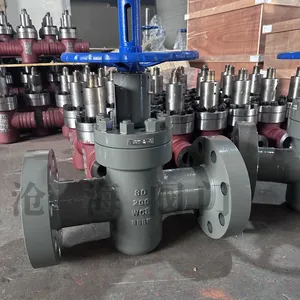
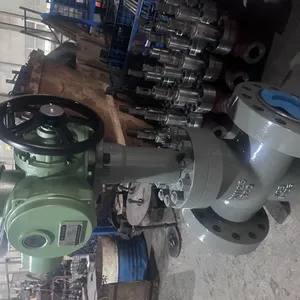
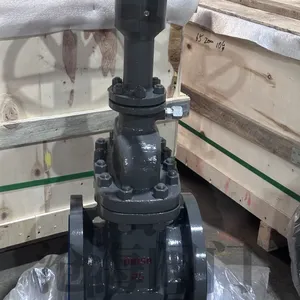
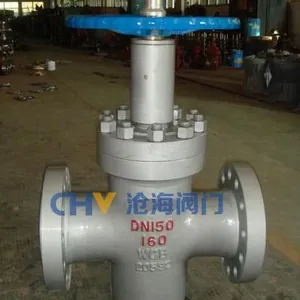
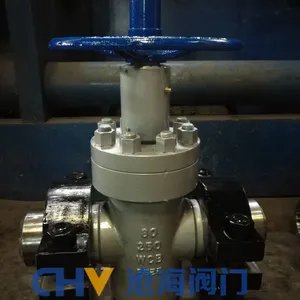
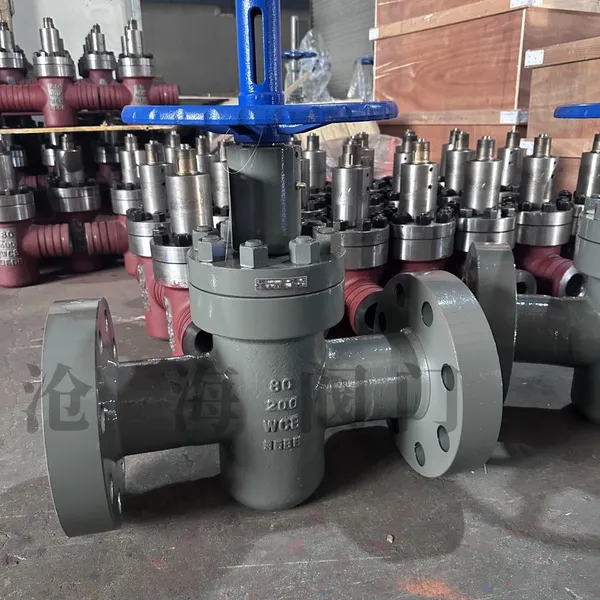
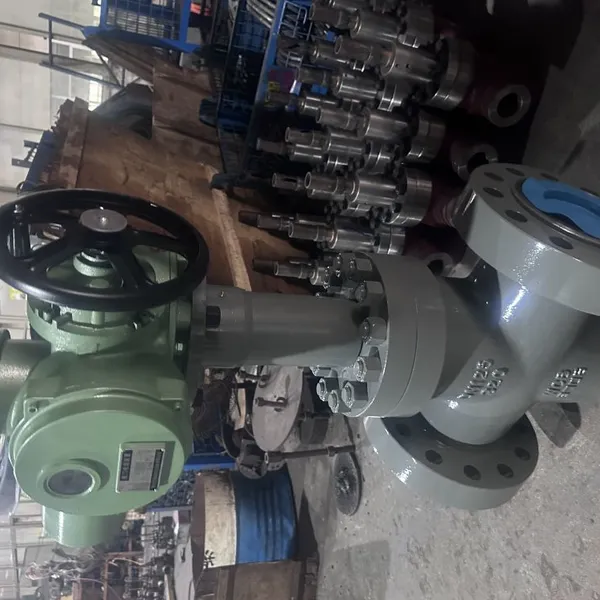
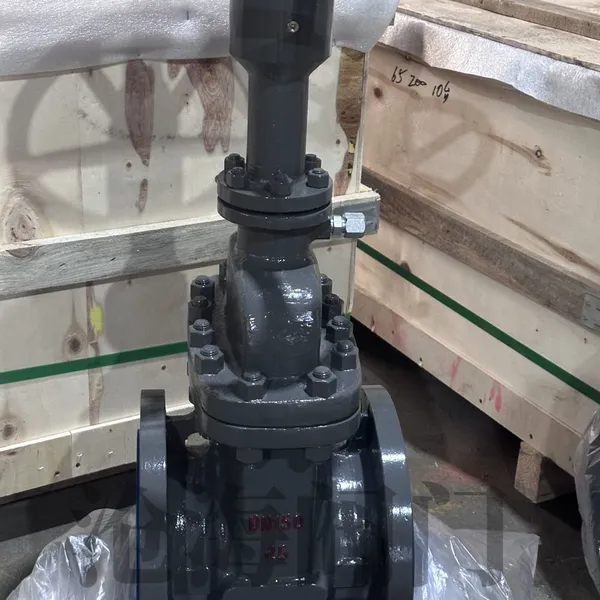
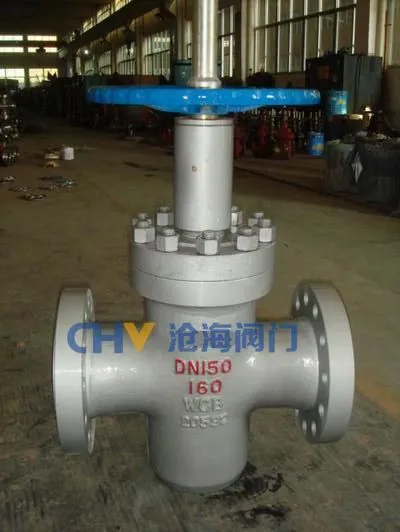
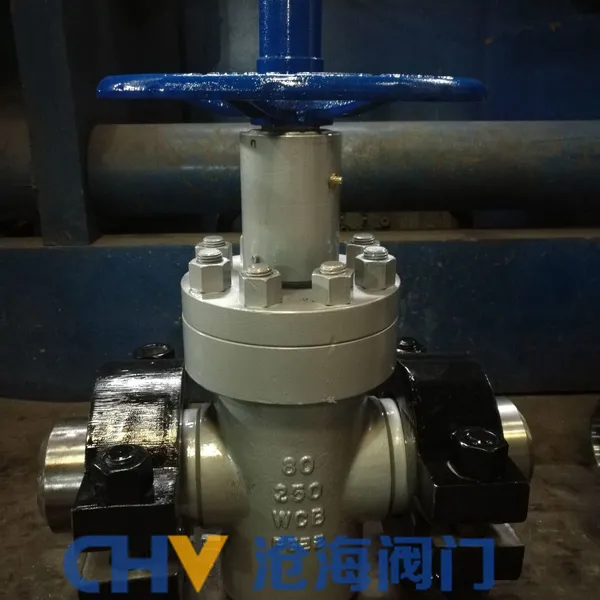
High Pressure Flange Flat Gate Valve Z43Y Cang Hai Valve


Related Products
-
 CHVJ Canghai Valve High Pressure Welded Slab Gate Valve Z63Y-160/250 Slab Gate Valve Welding Oilfield WatUS$ 3000MOQ: 15 Units
 -
High Pressure Clamp Gate ValveZ83Y-250 DN25~500NegotiableMOQ: 15 Units
-
Z23Y Forged Steel External Thread High Pressure Slurry Valve / Cang Hai Valve / Oilfield Drilling Special Gate ValveNegotiableMOQ: 20 Pieces
-
High Pressure Throttle Shut-off Valve for Oil Field J46YNegotiableMOQ: 20 Pieces
-
H62Y High Pressure Welding Rising Check ValveUS$ 3000MOQ: 15 Units
1. Parallel single gate valve: The sealing principle of the parallel single gate valve is shown in Figure 1.
Figure 1 Sealing principle of a parallel single gate valve: As shown in Figure 1(a, when the valve internal pressure is equal, the gate is in a closed state, and the PTFE seal ring on the valve seat surface forms an initial seal. When the is opened, the valve seat ring can automatically clean the attachments on both sides of the gate.
As shown in Figure 1(b), the valve is in closed state, and the medium pressure acts on the gate, pushing it close to the PTFE ring on the valve seat at the outlet end, compressing it until the gate the metal sealing surface on the valve seat mate, thus forming a double seal, with PTFE against metal sealing first, and then metal against metal sealing. The outlet end valve is also pushed into the valve seat groove in the valve body, and any rear medium flow is prevented by the O-ring seal at the rear.
As shown in 1(c), after the pressure in the valve cavity is released, an inlet seal is formed, and the pipeline pressure acts on the inlet valve seat, pushing it to against the gate, at this time, a PTFE against metal seal is formed, and at the same time, the O-ring and the valve seat groove form a tight.
As shown in Figure 1(d), the valve automatically vents. When the valve cavity pressure is greater than the pipeline pressure due to thermal expansion or factors, the inlet end valve seat will retract into the valve seat groove under the action of the cavity pressure, and the pressure in the valve cavity will be balanced with the pipeline at the inlet end.
2. Parallel double gate valves with automatic sealing: The simplest and most effective structure of the parallel double gate valve with automatic sealing is the-type structure shown in Figure 2-14. Its closing member consists of two gate plates, with a spring installed between them. The function of these springs is to maintain contact with the sealing surface upstream and downstream and to enhance the sealing force at low pressure. The gate plates are constrained within the strip holes to prevent them from spreading out without limit they are in the fully open position.
However, the effect of the springs is often not as assumed, and both sealing surfaces do not reach a pressure seal by this. A very large spring would be required to do so, and this is unnecessary in any case. Therefore, the parallel double gate valve with automatic sealing and a spring between the middle a double-sided forced seal when the medium pressure is not sufficient to overcome the spring force; but when the medium pressure is sufficient to overcome the spring force and push the gate plate press against the outlet end, it becomes a single-sided forced seal, and at this time, the function of the spring is mainly to prevent the gate plate from vibrating.
In steam pipes or other occasions where the temperature changes significantly, different expansions are inevitably produced due to different materials and section changes, which will cause certain deformation. It should be that when the two gate plates are free to expand and contract, the spring should also expand and contract with them.
3. Parallel double gate valves with spreading: structure of the parallel double gate valve with spreading is shown in Figure 2(c)~(e). Although the three structural forms are different, their sealing principle is to force two gate plates to spread to both sides through the wedge top or wedge block between the two gate plates, so that the two sides of the sealing surface are in sliding contact with respective valve seats and produce a pre-tightening pressure ratio. The greater the closing force, the greater the sealing pressure ratio, ensuring that both the inlet and outlet ends are sealed the same time, which is a double-sided forced seal. ---Zhejiang Cang Hai
Zhejiang Cang Hai Valve Technology Co., Ltd. Tel: 0577-67357191,: 18005777191, WeChat: same number

Send Inquiry to This Supplier


You May Also Like
-
High-pressure Grooved Check Valve GH91Y GroovedNegotiableMOQ: 15 Units
-
Mine Mining Accessory Pipe Clamp Joint GasketNegotiableMOQ: 20 Pieces
-
Mine-use Ultra-high Voltage Grooved Gate ValveNegotiableMOQ: 50 Pieces
-
High Pressure Flange Flat Gate Valve Z43Y Cang Hai ValveNegotiableMOQ: 20 Pieces
-
High-Pressure Flanged Ball Valve 10.0MPa With Manual/Gear OperationNegotiableMOQ: 1 Piece
-
ANSI Rising Cast Steel WCB Flange High Pressure Gate ValveNegotiableMOQ: 100 Pieces
-
High Pressure Flat Flange Gate ValveUS$ 1 - 999MOQ: 1 Piece
-
AVENTICS Pneumatic Valve Pressure Regulator R414002009 Pneumatic Pressure Control ValveNegotiableMOQ: 1 Piece
-
Marine High Pressure Gate Valve, PN64 Rating, Forged Steel Body, Flanged ConnectionNegotiableMOQ: 1 Unit
-
Din Flanged Gate ValveNegotiableMOQ: 1 Set


