Material
Other, Global universal model
Condition
Other, Global universal model
Task
Other, Global universal model
Mathematical Model
Other, Global universal model
Signal
Other, Global universal model
Customized
Non-Customized
Structure
Other, Global universal model
Operating Temperature
-40℃~+70℃
Relative Humidity
5%~95% (non-condensing)
Storage Temperature
-55℃~+85℃
Dimensions
160mm×80mm×220mm
I. Product Overview
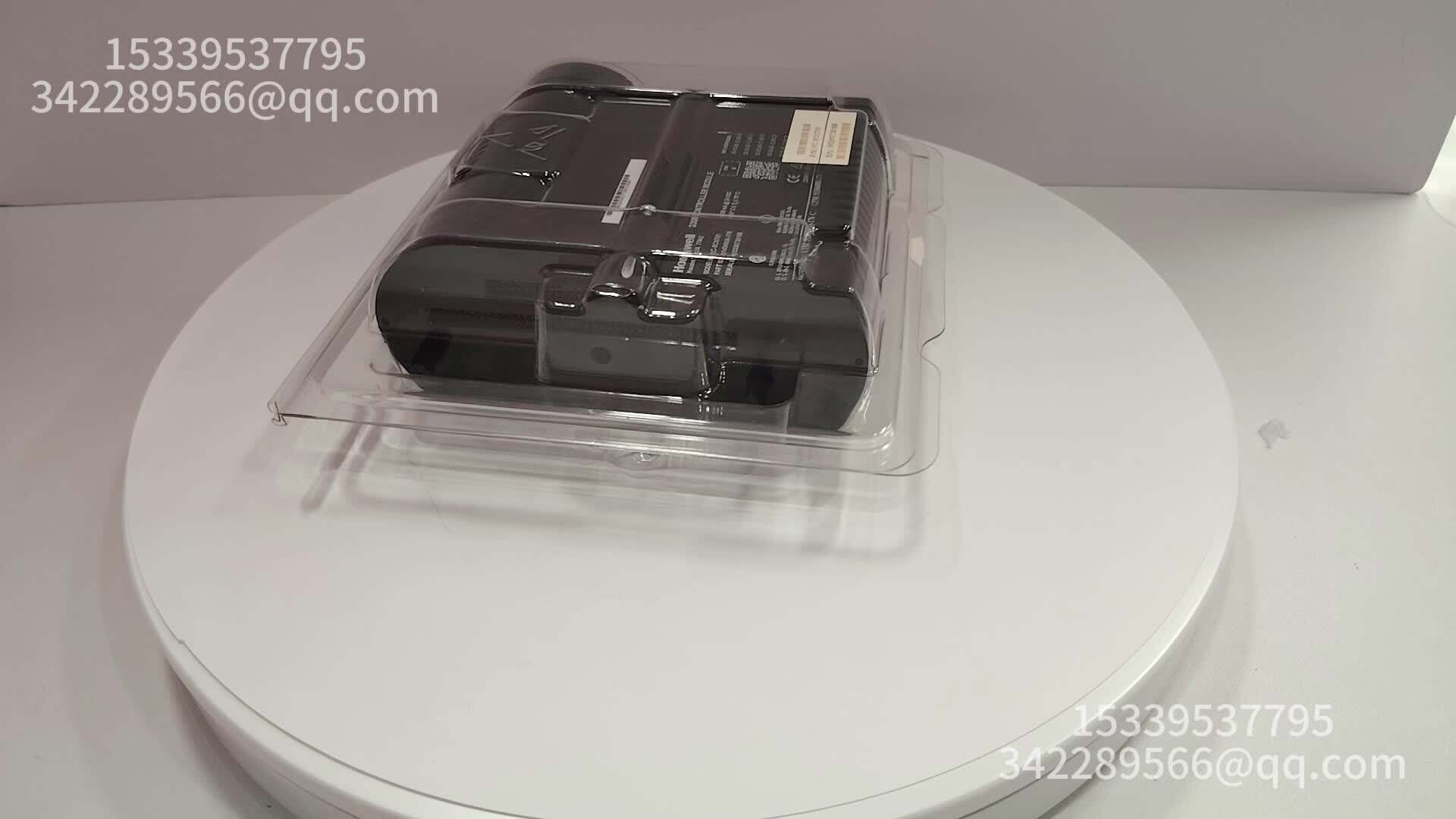
HONEYWELL MU-PSIM11 is a core control card for industrial automation systems, positioned as a "signal processing and logic control unit for DCS systems". It focuses on addressing issues such as multi-type signal acquisition, logical operation, closed-loop control, and system collaboration for large-scale industrial equipment in industries including chemical engineering, petroleum, electric power, and metallurgy. Through highly integrated hardware design, redundant architecture, and industrial-grade anti-interference capabilities, it enables efficient data interaction between on-site sensors/actuators and the DCS system. Meanwhile, it supports complex control algorithms (e.g., PID, cascade control) and safety interlock logic, providing key control support for the stable operation, process optimization, and safety protection of industrial production processes. It is a core component for building a high-reliability control network in the HONEYWELL Experion PKS system.
This product features three core advantages: "highly integrated signal processing + redundant fault-tolerant design + strong system collaboration":
Multi-type signal compatibility: Supports hybrid signal processing of 8 analog inputs (AI) + 4 analog outputs (AO) + 8 digital inputs (DI). It is compatible with mainstream industrial signals such as thermocouples (Type J/K/T), RTDs (PT100), and 4-20mA, meeting the multi-parameter monitoring and control needs of complex equipment.
Redundant fault-tolerant capability: Supports card-level hot redundancy (dual cards operating in parallel with a fault switching time ≤ 10ms) and data link redundancy. It complies with the IEC 61508 SIL 2 safety level requirements, ensuring no single point of failure in the control system.
Industrial-grade reliability: It operates within a temperature range of -40℃ to +70℃, has a vibration resistance rating of 5g (10Hz~500Hz), and provides 2500Vrms electrical isolation. The Mean Time Between Failures (MTBF) is ≥ 200,000 hours, making it suitable for harsh industrial environments such as chemical parks and large-scale power plants.
As a core card of the HONEYWELL DCS system, the MU-PSIM11 is widely used in scenarios such as temperature and pressure control of chemical reactors, liquid level adjustment of distillation towers in petroleum refining equipment, boiler feedwater control of thermal power units, and gas flow monitoring of metallurgical blast furnaces. It provides stable and reliable control services for over 60% of large-scale industrial equipment worldwide, and is a key technical equipment for improving production automation levels and reducing manual intervention.
II. Technical Specifications
(I) Core Signal Processing and Control Parameters
(II) Electrical and Power Parameters
Power Requirements: Operating voltage is 5V DC (powered by the Experion PKS system rack backplane), with an allowable voltage fluctuation range of ±5%; Operating current ≤ 200mA (single-card operation), ≤ 350mA (dual-redundancy operation); Power consumption ≤ 1W (single card);
Electrical Isolation: AI/AO channels are isolated from the backplane power supply (isolation voltage ≥ 2500Vrms for 1 minute), and there is isolation between channels (≥ 500Vrms). The Common Mode Rejection Ratio (CMRR) is ≥ 80dB (at 50Hz), which suppresses ground loop interference and electromagnetic noise;
EMC Compatibility: Complies with the EN 61000-6-2 industrial anti-interference standard; ESD (Electrostatic Discharge) protection level is ±15kV (air) / ±8kV (contact); Radio frequency radiation immunity level is 10V/m (80MHz~1GHz); Electrical fast transient burst immunity level is 2kV (power terminal) / 1kV (signal terminal), adapting to strong electromagnetic environments with dense frequency converters and high-voltage motors.

(III) Physical and Installation Parameters
Physical Dimensions: Adopts the standard rack size of HONEYWELL Experion PKS, with a length of 160mm (rack slot length), width of 80mm, and height of 220mm (including mounting clips). It is compatible with Experion PKS C300/C200 controller racks (e.g., 51304488-100 rack), and one slot can only hold one card. It is installed side by side with IO cards of the same series (e.g., 51304489-100 digital output card);
Installation Method: Rack rail mounting, locked to the rack via clips on both sides of the card. No tools are required for disassembly (the card can be pulled out by pressing the clips), and maintenance time ≤ 2 minutes; The card weighs ≤ 300g, and its lightweight design reduces rack load;
Indicator Configuration: The panel is equipped with 6 LED indicators: Power indicator (green, steady on = normal), Operation indicator (green, blinking = normal operation), Redundancy status indicator (yellow, steady on = master card, blinking = standby card), Fault indicator (red, steady on = card fault, blinking = channel fault), and AI/AO/DI channel status indicators (green, steady on = normal signal), which intuitively display the operation status of the card and channels.
(IV) Environmental and Reliability Parameters
Operating Environment: Operating temperature range is -40℃~+70℃, no preheating is required for low-temperature startup (at -40℃), and startup time ≤ 30s; Storage temperature range is -55℃~+85℃; Humidity range is 5%~95% (no condensation, complying with the IEC 60068-2-3 standard); Altitude ≤ 2000m (derating is required for altitudes exceeding 2000m, with signal accuracy decreasing by 3% for every 1000m increase in altitude);
Mechanical Resistance Performance: Vibration resistance rating is 5g (10Hz~500Hz, complying with IEC 60068-2-6), and the resonance frequency avoids the common vibration frequency range (50Hz~100Hz) of industrial equipment; Shock resistance rating is 20g (11ms pulse, complying with IEC 60068-2-27), adapting to shocks from equipment startup/shutdown and pipeline vibration;
Reliability Indicators: MTBF ≥ 200,000 hours (per Telcordia SR-332 standard at 25℃); Design life ≥ 15 years; Channel terminal insertion/extraction life ≥ 100 times to ensure long-term maintenance reliability; Data storage uses non-volatile memory (no battery required), and the configuration parameter retention life ≥ 100,000 hours.
III. Functional Features
(I) Integrated Multi-Type Signal Processing, Simplifying System Architecture
Through the "hybrid signal channel + flexible configuration" design, the 51304487-100 enables a single card to cover multi-type signal processing, solving the problems of complex wiring and high rack space occupancy of traditional discrete cards (AI cards, AO cards, DI cards):
Single-card multi-signal compatibility: The 8AI+4AO+8DI hybrid channels adapt to the needs of complex equipment. For example, in chemical reactor control, 4 AI channels collect reaction temperature (Type K thermocouple), reactor pressure (4-20mA), cooling water temperature (PT100), and feed flow (4-20mA); 2 AO channels control the feed valve (4-20mA) and exhaust valve (4-20mA); 4 DI channels collect valve limit switch (on/off status) and emergency stop button signals. Only one 51304487-100 card is needed to complete the monitoring and control of core parameters. Compared with 3 traditional discrete cards, the rack slot occupancy is reduced by 67% and wiring costs are cut by 50%.
Independent channel configuration and calibration: Each AI/AO channel can be independently set with signal type and range without hardware jumpers. For example, configure AI1 as "Type K thermocouple (0~800℃)", AI2 as "PT100 (0~100℃)", and AI3 as "4-20mA (0~2MPa)". Online configuration is completed via Experion PKS upper computer software (e.g., Control Builder) within 10 minutes. It also supports single-channel online calibration (inputting standard signals to automatically correct deviations) without disassembling the card, with a calibration accuracy of ±0.05% F.S.
Signal conditioning and anti-interference optimization: Each AI channel has a built-in Programmable Gain Amplifier (PGA) and adjustable digital filtering (0.1Hz~100Hz). For example, when collecting low-level thermocouple signals (e.g., a Type J thermocouple outputs 0mV at 0℃ and 41.27mV at 800℃), the PGA amplifies the signal by 100 times, and 0.1Hz low-pass filtering is used to suppress power frequency noise (50Hz), improving the measurement accuracy to ±0.1℃. When collecting high-frequency pressure signals (e.g., compressor outlet pressure with a change rate of 1MPa/s), the filtering frequency is set to 100Hz to ensure no signal delay and timely response to pressure surges.
(II) Redundant Fault Tolerance and Safety Control, Ensuring Uninterrupted System Operation
Through the "hardware redundancy + software fault tolerance" design, the product achieves high reliability and safety protection of the DCS system, avoiding production interruptions caused by single-point failures:
Card-level hot redundancy: Dual cards operate in parallel for seamless fault switching. In the control of petroleum refining catalytic cracking equipment, a "master-standby dual MU-PSIM11 card" configuration is adopted. The master card collects and outputs signals in real time, while the standby card synchronously receives data and stays in the "hot standby" state. When the master card triggers an alarm due to ADC failure, the standby card takes over the control function within 10ms, with no interruption to output signals, preventing temperature runaway of the catalytic cracking reactor (a single interruption may cause losses exceeding 2 million RMB). The redundancy switching process is automatically completed by the system without manual intervention.
Data link and power redundancy: Full-link redundancy design eliminates potential risks. Dual Ethernet links are used for communication between the card and the controller (e.g., C300 controller), and automatic switching to the standby link occurs if a single link fails. Meanwhile, the rack is powered by dual power modules, and the standby power supply takes over immediately if a single power supply fails, ensuring stable card power supply. CRC verification is used for data transmission to avoid control deviations caused by data loss or errors.
Safety interlock logic execution: Supports SIL 2-level safety control to meet key process requirements. In chemical styrene equipment, the card's DI channels collect "reactor high temperature (DI1)" and "high pressure (DI2)" signals, and the interlock logic is configured as "When DI1=1 and DI2=1, AO1=4mA (close the feed valve) + AO2=20mA (open the pressure relief valve)". The interlock response time is ≤ 100ms, complying with the IEC 61508 SIL 2 standard, and preventing explosion risks caused by reactor over-temperature and over-pressure.
(III) In-depth DCS System Collaboration and Third-Party Compatibility, Simplifying Integration Process
Through the "native adaptation + standard protocol" design, the card achieves seamless integration with the HONEYWELL Experion PKS system and third-party equipment, reducing system construction costs:
Native adaptation to the Experion PKS system: In-depth collaboration with controllers and upper computer software. The 51304487-100 card is directly connected to the C300 controller rack, and communicates with the Control Builder software via the Fault Tolerant Ethernet (FTE) network. It supports online download of control algorithms (e.g., downloading PID control logic to the card for local execution), reducing the controller's computing load. Meanwhile, it can call the system's built-in process library (e.g., distillation tower control module, reactor control module) to quickly build complex control loops, improving integration efficiency by 40%.
Compatibility with third-party sensors/actuators: Standard signal interfaces eliminate the need for dedicated adapters. For example, when accessing the 4-20mA signal output by a third-party pressure transmitter (e.g., Rosemount 3051), it can be directly connected to the AI channel for normal acquisition without additional signal converters. When driving third-party electric control valves (e.g., Siemens MV series), the AO channel outputs a 4-20mA signal to control the valve opening, with a compatibility rate of 99%, avoiding integration difficulties caused by brand differences.
Historical data and alarm integration: Real-time interaction with the system's historical database (e.g., PHD database). The signal data (e.g., temperature, pressure) collected by the card is automatically uploaded to the PHD database, with an adjustable storage cycle of 1s~1h, supporting historical data retrieval for the past year. Meanwhile, alarm information (e.g., "AI1 thermocouple disconnection", "AO2 output fault") is synchronized to the system alarm server (Alarm Server). Maintenance personnel can view alarm details and handling suggestions on the HMI (e.g., Operator Station), reducing fault troubleshooting time by 60%.