Contact Platform Support
 Help Center
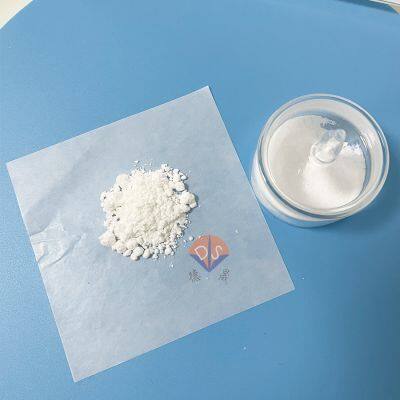
Application of Biological Buffer CAPS 1135-40-6 in Diagnostic Kit


Related Products
-
 Why Choose MOPS Buffer Produced and Developed by Desheng?US$ 26.6 - 32.8MOQ: 500 Kilograms
 -
High Quality Supply Channel for Biological Buffer TAPS 29915-38-6US$ 66.8 - 76.8MOQ: 500 Kilograms
-
The Buffering Range of GOOD'S Buffer EPPS 16052-06-5US$ 56.8 - 68.8MOQ: 500 Kilograms
-
Introduction to the Use of Biological Buffer MOPSO Buffer (CAS Number 68399-77-9)US$ 28.8 - 39.8MOQ: 500 Kilograms
-
HEPES Buffer for Cell Culture 7365-45-9US$ 26.6 - 32.8MOQ: 500 Kilograms
Accurate results are of great significance for diagnosis and treatment in modern medical diagnosis and biotechnology. In order to obtain reliable experimental results, high-quality reagents are often required, and buffer solutions are widely used in this regard. Buffer solutions, such as CAPS (3-cyclohexylamine sulfonic acid), are widely used in biochemical diagnostic kits, DNA/RNA extraction kits, and PCR diagnostic kits. Below, we will discuss in detail its key role in this regard.
The importance of CAPS buffer
In biochemical and molecular biology experiments, CAPS buffer has the function of maintaining the stability of the pH of the solution. It can help counteract the hydrogen ions or hydroxide ions that may be generated during the experimental process, thereby ensuring the stability of the reaction environment. Many biochemical reactions are highly sensitive to pH, and CAPS has good buffering performance, which is beneficial for maintaining enzyme activity and DNA/RNA extraction, while also saving operators a lot of time.
Application in Biochemical Diagnostic Kit
Biochemical diagnostic kits are tools used to determine specific biochemical components in biological samples, and they play an important role in clinical diagnosis, medical research, and biotechnology fields. The following are the key applications of CAPS in biochemical diagnostic kits:
1. Buffer for enzymatic chemical reactions: CAPS is widely used as a buffer in enzymatic chemical reactions, such as in enzyme-linked immunosorbent assay (ELISA) as a buffer for colorimetric reactions. In this case, CAPS helps to maintain the pH of the reaction within an appropriate range, promoting accurate absorbance measurement and providing reliable diagnostic results.
2. HPLC separation of alkaline drugs: Liquid chromatography (HPLC) is a commonly used technique for analyzing and detecting drugs and other compounds. For the separation of alkaline drugs, the use of CAPS buffer helps to improve separation efficiency and stabilize analysis conditions.
Application of DNA/RNA Extraction Kit
The DNA/RNA extraction kit is used to extract nucleic acids from biological samples for subsequent molecular biology experiments. The applications of CAPS in these test kits include:
1. Cell lysis buffer: Cell lysis is a critical step in DNA/RNA extraction, and using CAPS to help maintain pH and ensure nucleic acid integrity is also an ideal choice for most experimenters.
2. Washing buffer: After extracting nucleic acid, multiple washing steps are usually required to remove impurities and contaminants. CAPS buffer can be used as part of these washing steps to ensure the effectiveness of the washing.
3. Storage solution: After DNA/RNA extraction, the sample needs to be stored for subsequent experiments. CAPS is used to prepare the storage solution and maintain the stability of the nucleic acid.
Application of PCR diagnostic kit
Polymerase chain reaction (PCR) is a technique used to amplify DNA fragments and has become an important tool for molecular diagnostics. CAPS can be used as a buffer for PCR reactions to ensure that the pH of the reaction is maintained within an appropriate range, which contributes to the stability and specificity of PCR. The application of both DNA amplification and amplification product analysis can help improve the performance of PCR and obtain more reliable diagnostic results.
CAPS plays a crucial role as a biological buffer in biochemical diagnostic kits, DNA/RNA extraction kits, and PCR diagnostic kits. Its superior buffering performance and multifunctionality make it an ideal choice for various biochemical experiments, but the prerequisite is to ensure the quality of CAPS raw materials.
As a manufacturer of biological buffering agents, Desheng integrates research and development, production, and sales. The CAPS produced by Desheng has a purity of up to 99%, no impurity interference, good water solubility, and is easy to prepare and store. At present, there is stock available for sale in the warehouse, and orders will be shipped immediately. If you have any relevant intentions, please feel free to contact us for purchase at any time!

Send Inquiry to This Supplier


You May Also Like
-
Precautions for Using PIPES Buffer SolutionUS$ 26.6 - 32.8MOQ: 500 Kilograms
-
Introduction to the Use of Biological Buffer BES CAS Number 10191-18-1US$ 42.8 - 50.8MOQ: 500 Kilograms
-
The Use of 3- [N, N-di (hydroxyethyl) Amino] -2-hydroxypropanesulfonic Acid DIPSO 68399-80-4US$ 42.8 - 50.8MOQ: 500 Kilograms
-
Exploring the Synthesis Method of the Biological Buffering Agent Sodium 2-cyclohexylamineethanesulfonate (CHES Na)US$ 66.6MOQ: 500 Kilograms
-
Low Interference, High Buffering Efficiency: the Key Role of CHES 103-47-9 in Molecular BiologyUS$ 30.8 - 40.8MOQ: 500 Kilograms
-
Introduction to Biological Buffer CAPSO 73463-39-5US$ 58.8 - 66.8MOQ: 500 Kilograms
-
Introduction to Piperazine Buffer POPSO (CAS No. 68189-43-5)US$ 53.8 - 58.8MOQ: 500 Kilograms
-
Preparation and Advantages of Tris Acetate TAE as a Biological BufferUS$ 30.6 - 36.6MOQ: 500 Kilograms
-
Application of TAPSO 68399-81-5 Biological Buffer in DNA/RNA ExtractionUS$ 76.6 - 86.6MOQ: 500 Kilograms
-
Basic Information of Biological Buffer N - (2-acetamido) -2-aminoethanesulfonic Acid (ACES)US$ 30.6 - 66.6MOQ: 500 Kilograms