Submersible Pump Insights & Buyer's Guide
Efficient strategies to resolve water problems include the use of submersible pumps. These utility pumps are very useful when dealing with flooded basements, irrigation of fields, or in allowing for the management of industrial water systems without problems. This write-up is a significant exploration of submersible pumps, dredging into the advantages, range of applications, and the ease with which they can be winched for water management purposes. In the end, you will be able to understand exactly why they use these pumps both at domestic levels as well as professional ones. Read along to find out more about these water-solvers in submersible pumps.
Introduction to Submersible Pumps
What is a submersible pump?
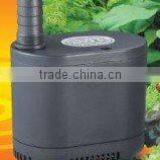
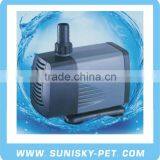
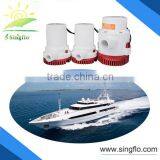
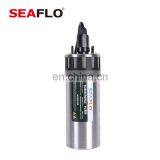
The pump referred to as "submersible" is unique in that it sits under the fluid that it is supposed to transfer. It is beneficial because instead of merely sucking fluid upward, it pushes it upward, which increases the performance and even reduces the likelihood of the pump cavitating. Submersible pumps commonly have an inbuilt drive that is closest to the driving element because the pumping house is rather integrated with the drive. That is, the delivery of pumping action is achieved by the internal pressure at the pump outlet rather than introducing an admixture to the working fluid there. Such packing can reliably sustain high speeds, in active combat, in liquids with high particle content, such as those encountered in the case of deep well pumps. And for more, it can be applied in various scenarios: sump pumps take water from basement levels, those in the industry focus on the overburden presence rather than the energy exigency. Albeit it's clear the materials with faithful service, the composition of these pumps comprises non-ferritic alloys which cannot be corroded over a long time, as they are designed for intensive utilization.
The Operation of Submersible Pumps
How do submersible pumps work? It works on a very simple, yet very effective principle. The pump being completely immersed, the surrounding liquid pressure helps to prime the pump, thus eliminating any human intervention. Unlike non-submersible types of pumps, which almost always require priming before first use. The motor, as well as the pumping mechanism, is housed in a water-tight enclosure that does not allow the pump to get immersed even partially. While operating, the impeller in the pump spins in the water and pumps the water into the pump body and thereafter, out the discharge outlet. The impeller being directly coupled to the motor ensures that there is no energy loss in the process, thus high energy input levels. It is basic in its construction as it has dirty water pumps and clean water pumps; hence, it is suitable for sewers and effluent pumping in areas where PDS bulkhead mounting submersible sewage pumps are employed. The range in which the flow rate is controlled, i.e., gallons per hour (gph) and gallons per minute (gpm), helps submersible pumps to fit the application and its needs.
Frequent Applications for Portable Submersible Pumps
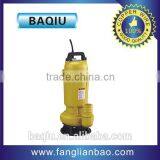
Submersible utility pumps are applied in quite a wide range of areas and in various settings, ranging from the home to even commercial use. At a domestic level, the pump drains the flood water as it serves as a sump pump for purposes such as prevention of basement flooding, which may occur at any time. This is particularly common in commercial and industrial areas where, due to construction, mining, or high water levels, a submersible water pump is widely used as a form of dewatering drainage. Slurries and others that must be kept dry in high-performance tanks require mop-ups, indicating the durability of slurry and trash pumps that also integer different features which permit the transfer of liquids that contain solid masses. Also, utility submersible pumps can equally serve in modern irrigation systems in agriculture, where there are deep-set wells of water that need to be transferred to the fields for crop production purposes. Equipped with floats, these switches are mechanical and help in energy saving as the pump shall only work and restart in case of low pressures/stops in pressures without workers' help. Inexpensive electric submersible pump technology has extended its boundaries further, providing many efficient ways of executing tasks.
Types of Submersible Pumps
Submersible Water Pumps
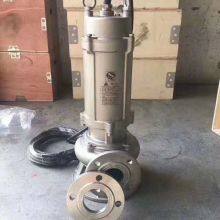
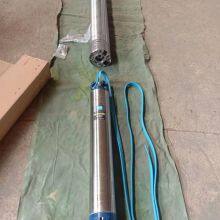
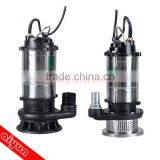
Submersible water pumps are tailor-made to aid the removal of water below the surface. These types of pumps are universal in that they can be used both in domestic water provision systems and in many other industrial applications. One distinct functional feature of submersible water pumps is that they are capable of functioning fully submerged and use the pressure of the liquid to aid in the drafting of the pump, consequently lowering the chances of cavitation. Most submersible water pumps come in a compact and efficient design by integrating the motor with the pump in a close-coupled arrangement. In addition, submersible water pumps are made of hard materials like iron and steel for durability even in extreme conditions. They are designed to provide the appropriate level of flow capacity measured in gallons per hour or minute according to the end user's requirements. It is worth noting that whether it is for pumping water from deep wells or spraying water for irrigation purposes, submersible water pumps work efficiently. They are inclusive of features such as float switches to make the pumps completely user-independent, as users do not have to worry about energy wastage when water is being pumped out or transferred.
Sewage and Drainage Pumps
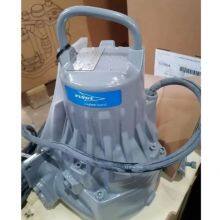
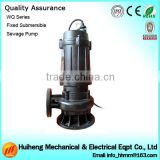
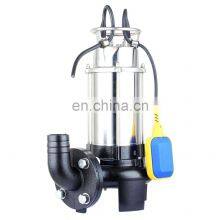
Sewage and drainage pumps are very special submersible pumps, ones which have been designed to divert wastewater and effluents. These pumps are important in sewage systems where they are used to pump liquid containing solids, avoiding blockage, and ensuring a smooth running operation. Sewage submersible pumps incorporate heavy-duty materials like cast iron so they can survive acidic conditions and are provided with strong impellers in order to manage waste waters, both liquid and solid. Their submersible capabilities allow for effective results within out-of-sight sewage systems, reducing the amount of physical effort required. Such pumps are often equipped with clog-resistant features or are able to produce high performance even under heavy load. Moreover, sewage pumping is very useful in drainage applications such as removing water from basements or construction sites, or living in flood-prone regions. Such pumps are usually installed together with sump pumps and combined into a system for water removal, providing flood control and water damage protection.
Heavy Duty and Trash Pumps
Heavy-duty pumps and trash pumps are another group of submersible pumps, characterized as the most efficient in applications dealing with large debris and harsh conditions. These pumps become necessary in those industries that need to transport slurries or any liquids with solids, for instance, construction and mining, or the disposal of municipal waste. These trash pumps effectively allow water containing large solids to be pumped through without blocking, due to the high shear deposit impellers and open design. They construct these pumps with such strength, utilizing materials like stainless steel and cast iron, made to offer maximum potential performance in continual work environments as well as a long lifespan. In a bid to minimize energy losses, the motors are integrated within the pumps, or high efficiency is achieved through close coupling of the pump Systems. Heavy-duty pumps, which are generally used for high-capacity flow moving at high gallons per minute rates, are the best pumps for fast dewatering purposes and respond effectively to emergency drainage cases that include floods. The design of the system itself allows for easier access of pumping units by employing concepts such as rapid coupling techniques, therefore improving the reliability of the system and eliminating unnecessary downtimes. Be it trying to pump out slurry and trash or dirty water, these pumps are able to take on the task of tough pumping challenges.
Key Features and Benefits
Efficiency and Performance of Submersible Pumps
The use of submersible pumps is the most effective solution in a wide range of fields due to the high quality and efficiency of the mentioned devices in use. This kind of pump is designed in a manner that allows the entire pump to be submerged in the fluid it is pumping out to the surface, lowering the energy needed to lift the liquid up to the surface and reducing the probability of pump cavitation to the lowest level. In this regard, it can be said that submersible pumps are more energy-efficient than other types of pumps that are not submerged. A motor and pump that is closely integrated helps to solve the problem of power wastage; such an arrangement makes submersible pumps function efficiently even under harsh environmental conditions. These pumps, whether residential submersible water pumps or more powerful submersible sewage pumps for those in industrial use, are all built to last. Their ability to handle both high gallons per hour (gph) and gallons per minute (gpm) flow rates has been further enhanced by the incorporation of modern impeller design. This makes them very suitable to work in situations that require dewatering and drainage of the water. Since the world of business is constantly looking for new approaches to raising the level of operations, the effectiveness and the performance of the submersible pumps come as important advantages.
Which Material is Better for Submersible Pumps: Cast Iron or Stainless Steel?
Determining if cast iron or stainless steel is more suitable for a submersible pump mainly depends on what the application is for. In other words, various factors are considered, and the cast iron submersible pump is preferred in most heavy-duty industrial applications for being hard, wear-resistant, and even cheaper. This is because such applications involve the presence of sand, grit, or other manner of ‘abrasive materials’ in their operation, hence making it necessary to provide the pump in a rugged construction.
Conversely, stainless steel submersible pumps are first advised for projects that involve water with highly aggressive contents, for example, sea and other building waters, as well as wastewater treatment. Users may settle on stainless steel if they want a more aesthetically pleasing and efficient pump design, especially in houses and institutions that demand cleanliness and appeal. Therefore, each has its benefits, and the scope of application helps a lot to pick the most suitable one.
Importance of Float Switches and Impellers
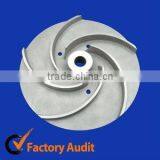
Submersible pumps include some important components, that are a float switch and an impeller. First of all, the operation of a submersible pump to a large extent is easier with float switches due to the automation of turning on the pump only when it is needed. It helps to reduce the energy consumption as well as the wear and tear on the pump. This is especially true in the case of basement sump pumps since all of them operate by sensing the water levels and require a float switch. On the other hand, impellers are utilized in the pump to propel the liquid. Since many centrifugal pump types have more advanced impeller designs, submersible pump types are made to pump liquids of different solid content and viscosity. This is very important in cases like sewage and trash pumpings, which require the use of solid-laden pumps without clogging. Thus, both float switches and impellers make sure that all submersible pumps operate optimally and for different purposes without any worries.
Frequently Asked Questions (FAQs)
What are the different types of submersible pumps?
Submersible pumps are a type of pump designed to be completely submerged in the fluid they are pumping. The most common types include sewage pumps, dewatering pumps, and submersible utility pumps. Sewage pumps are typically used for moving wastewater from a septic tank, while dewatering pumps are ideal for construction sites or fields where excess water needs to be removed. Submersible water pumps are used in various applications, including irrigation and draining. Each type is designed for specific fluid characteristics, such as viscosity and solid content, making it essential to choose the right pump for your needs.
How does a submersible sump pump work?
A submersible sump pump is designed to prevent flooding and manage water levels in basements or crawl spaces. When water fills the sump basin, the pump is activated by a float switch, which triggers the motor close-coupled to the pump. As the pump operates, it effectively draws water out of the sump pit and directs it away from the building. The pump is hermetically sealed to protect the motor from water damage, ensuring reliable performance during continuous duty. This type of pump is ideal for home use, particularly in areas prone to water accumulation.
What is a 1 hp submersible pump used for?
A 1 hp submersible pump is commonly used for applications that require significant water movement, such as deep well applications or irrigation systems. This pump size is suitable for effectively drawing water from depths that may exceed typical surface pumps. The power of a 1 hp submersible allows it to handle larger volumes of water, making it efficient for both residential and agricultural needs. Additionally, these pumps are often utilized for dewatering projects, where rapid water removal is necessary. When selecting a 1 hp submersible pump, consider factors like flow rate in gallons per minute (gpm) and the specific fluid characteristics of the application.
What are the advantages of using a submersible utility pump?
Submersible utility pumps offer several advantages, including their efficiency and versatility in various applications. Being completely submerged, they are designed to operate quietly and can effectively draw water from low levels without the risk of cavitation. These pumps are ideal for drainage and are commonly used in basements, swimming pools, and during flooding situations. Furthermore, submersible utility pumps are easy to install and maintain, making them a popular choice for home use. Their compact design allows for easy transport, and many models come equipped with features like an automatic float switch for hassle-free operation.
Can submersible pumps be used in septic tanks?
Yes, submersible pumps can be used in septic tanks, primarily for sewage treatment. These pumps are designed to handle the solids and liquids present in wastewater, making them suitable for transferring effluent from the tank to the drain field or treatment area. When selecting a pump for this application, it's crucial to choose one that can handle solid waste effectively, such as a trash pump or a heavy-duty submersible pump. Proper installation and maintenance are key to ensuring the longevity and efficiency of the pump in a septic system.