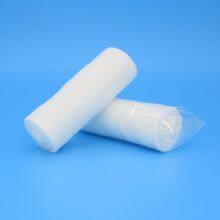
Medical Bandage Insights & Buyer's Guide
A Medical Bandage can be defined as a basic device for first aid, that is, for purposes of placing, limiting the movement of mild injuries, and buttressing pressure where considered suitable. Small cuts, scrapes, or depressions, or even an injury or post-operation care, are treated, and skin gauze is applied, and the dressing is impregnated with bandages. From simple adhesive plaster to wear on the wounds every day, to pressure bandages used for which aim at helping sustain compression, one has to make the ‘most ideal’ choice to achieve the best care on the wound. This guide explains in detail the functions of various bandaging materials, their adaptation to the body, and how even simple gauze, nonwoven materials, or waterproof bandages affect adhesion, air circulation, and restorative aspects.
Understanding Medical Bandages
Definition and Purpose of Medical Bandages
The medical bandage is a band of either cloth or synthetic material, intended to cover or manage an injury or to wrap a wound on a limb. Unfortunately, in most cases, this is used to protect a wound, secure the ointment on a patient's wound, or support a limb, enhancing the movement of compression to cause pain relief and reduction of swelling. In the practice of first aid, the sticking plaster covers the abrasion, and the elastic tubular bandage fixes the injury incurred at the joint. For sensitive wounds, use a non-adherent epidermal dressing designed with absorbent pads to aid exudate-filled masses in the healing injury. If compression bandages are already self-adhering or cohesive, they can cover any curves or vegas without the use of any bandage tape. In terms of latex substances, there are no relevant options that pose a great harm to allergic bands and even underwater varicose bands. If you were in a restricted hazard, the triangular medical bandage is likely to restrict bodied and aggravate your condition.
Types of Medical Bandages
Medical bandages come in a wide variety, each tailored to specific needs, and understanding their types can help ensure proper usage. Based on recent searches and medical trends, here are the essential types of medical bandages and their applications:
Adhesive Bandages
Adhesive bandages, also known as band-aids, are ideal for minor cuts and abrasions. They protect against dirt and bacteria while promoting healing. With waterproof and breathable options available, they are among the most commonly searched for and widely used bandages.
Elastic Bandages
Elastic bandages, such as ACE wraps, are frequently used for sprains, strains, or muscle injuries. Searches indicate that users are looking for bandages that offer compression to reduce swelling and provide support during recovery.
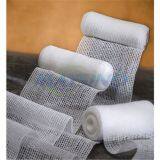
Gauze Bandages
The application of gauze bandages extends beyond the firsts of wounds; they are used for various types of bandaging. Judging by the user interest, non-stick products for painless and easy removal, for instance, when used for burns or weeping wounds, are starting to gain more attention.
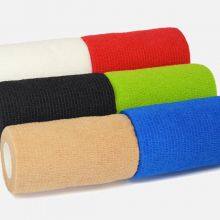
Medical Bandage
As projected, the bandage is fast being accepted by many users because of the convenience it offers. For instance, cohesive bandages stick only to the material, as opposed to the skin, therefore optimum for delicate body parts, or areas which should not be taped.
Hydrocolloid Bandages
These are the modern form of wound care bandages, hence the increase in their search as compared to regular bandages. These are ideal for wound care since they can effectively cover blisters and infected wounds, promoting moist healing conditions.
Triangular Bandages
One of the most sought-after first aid materials in emergencies is the triangular bandage because of its countless uses. In first aid situations, they may be used as slings, fasten splints, or promptly attend to wounds.
According to the latest search trends, people have been looking for options that do not contain latex and are also environmentally safe a lot recently. One of the important aspects of patient care is how one chooses a proper bandage as all the aspects of wound care and treatment will be directluy affected phytotherapist mentioned Medical Bandage strips ( gel immobilizers, arch pads ) immobilization products etc. Moreover to ensure dressing efficacy one must also think about the type of dressing depending on the users skin sensitivity, type of wound and its flexion etc.
Importance of Wound Care in Healing
Influence of wound care produces healing results by creating balanced moisture at the wound, preventing contamination during dressing changes, and minimizing manual trauma to a minimum. A Medical Bandage that is modern most preferably keeps dressings secure, has light adhesion, and does not macerate, that is, it has porosity to the air. Medical bandages that are used to exert compression in cases of oedema or venous problems are those that exert medical pressure. Similarly, in a first aid application, quickly clean the wound, dress it with the proper wound dressing, and bandage the wound with a supporting bandage that will avoid some, if not all, health-associated complications. Elastic as well as conforming bandages often offer reinforcement as well as immobilization in the case of sprains and strains, although triangular bandages also double up as supports for fractures or immobiles. Overall, use materials that are latex-free, non-woven, and do not adhere to the skin for improved comfort and minimal irritation. There is an easy understanding of the necessity to keep adhesive bands, bandage tape, and gauze that helps to protect the wound anywhere and at any time in a simple first aid kit.
Types of Bandages for Effective Wound Healing
Elastic Bandages: Suppression and Support
An elastic bandage or restraint bandage, as it is sometimes known, renders support and compression in order to prevent swelling and to stabilize the tissue and the joint after a sprain or strain injury. However, these types of compression bandages are made to conform to curves and hold the applied pressure, thus aiding mobility while keeping the applied medical bandage over the skin surface wound intact. They are usually 5 yards long to suit different limb contours and can be fixed with a bandage tape or a self-grip bandage. Where there is a concern for latex, the latex–free elastic bandage increases the comfort of those patients. Layered compression medical bandages are also used in the management of an ulcer or post-surgical edema. In first aid, an elastic wrap is matched to a gauze wound covering or a non-adherent pad to contain the wound. Medline or McKesson’s quality products are also very elastic and comfortable to wear with no breathing problems.
Cosmetic Bandages: Easy Solution for Small Cuts or Abrasions
Medical bandage protects, promotes healing of small abrasions with a quick, easy application with a band aid dressing centered on the applying site. Flex treatment, band aids adapting to movement, water/fog bomb, or satisfactory activity, special films thanks to water. Nonwoven backing does not contain latex, which is better for the skin, while the pad does not adhere to skin or to wounds while removing. The self-adhering feature of the edges prevents the use of medical tape. However, bandaging tape may be needed in excessive stress areas. Moreover, the flexible fabric bandages enable easy wrapping without losing the porous aspect for an active individual. Moreover, have various sizes in a first aid box for the treatment of varying configurations of skin lesions. Well-known companies like Medline and McKesson have practical home and clinic products that are suitable for such needs as well.
Gauze Dressings: Flexible Use in Management of Wounds
It is necessary to state that, in addition to the traditional gauze bandages, there is also the improved roll gauze that is far more effective. It absorbs the fluid (exudate) well, conforms well to the shape and size, for example, the thumb or fingers, and helps in the maintenance of the exudate. In the case of fluff bandages, gauzes are used over the dressing, or an adequate size of dressing can be sandwiched if compression is used. Soft rubber-like foam bandage, as well as foam and latex bandage, can basically be used for minor support other than major external binding. Non-sterile gauze, on the other hand, can still be used to secure the dressing; however, this will be in cases where the wound is a wound healing wound or for surgery. Splinting and bandaging the triangles are exercises that include placing gauze padding at pressure point areas. There is also the use of gauze in situations where the skin is soft to stick to, and if the dressings are difficult to remove, gauze is used first, followed by other dressings. Medical Bandage tape or bandage wrap can be used to complete a dressing to keep the wound securely covered and allow good drainage of the wound.
How to Properly Apply and Use Bandages
Step-by-Step Guide for Applying Elastic Bandages
There is a safe and useful way to enable the compression bandage to do its job in supporting the injured part of the body without cutting the circulation and the skin, among other things, and it involves these major steps and considerations.
After that, raise the limb to eliminate some of the swelling and use cotton or gauze wadding in areas where there are bones to ensure there are no high-level stresses in those areas.
Now, having all this done, begin application of the stretch bandage from the most distal, narrow portion of the affected limb and work towards the body in circular spirals using half-width moves that will enable them to sit comfortably into one another.
Maintain the dressing of equal tension over and around the injury- apply more without occluding or constricting blood flow, keeping circulation in check- capillary refilling intact, and breathable.
In case of a sprain or strain, wrap around the affected joint using the figure of eight method to create a compression and splint.
When fastening the ends of the bandage, use self-stick closures or tape the bandage; in most cases, about 5 yards of cloth is needed for the different sizes.
Apply an elastic that is latex-free in order to help with the allergies.
Use compression in the treatment of ulcers or edema throughout the surgery, as it stands in medical bandage science.
If you start feeling any strange sensation on the affected part, such as numbness, warmth, tingling, or coldness, replace the Medical Bandage with a fresh one and cover the wound with a primary dressing for additional protection.
Effective Use of Adhesive Bandages
For the management of minor wounds such as abrasions and superficial cuts, always clean and dry the wound, then center and apply a non-adhesive padded dressing over the wound so as to facilitate healing and avoid further injury during the removal of the pad. Use the following guidelines and options to provide appropriate, secure, and comfortable coverage:
Secure the adhesive by pressing it from the middle outwards to avoid wrinkles and maintain adherence.
For easy positioning, use fabric stretch adhesive dressings, or better still, use even water-resistant or clear film dressings, especially when water exposure is feared.
In instances where the skin is allergic to latex, use such supplies that do not have any latexilated tissue in the back.
Where there is friction, for example around the hip, reinforce the edges and the body with tape or resort to using a self-adhesive bandage.
Change the medical bandage when it gets full or dirty, as well as stock several of them in different sizes in all-purpose first aid kits from manufacturers such as Medline or McKesson to cater to different situations.
Best Practices for Gauze and Fabric Bandages
When you use gauze bandages, you need to make sure these bandages can in their capacity to take up exudates. Therefore, choose absorbent primary dressings that match types and amounts of exudate and apply them first before layering gauze, fluff bandages, or bandage rolls. These help with padding and restricting movement while securing the dressings. Conforming and cohesive bandages may also be used and fitted over these gauzes, so there the dressing will not be so bulky. Secondary securement that is not sterile involves the use of clean materials; however, in the case of fresh or postoperative wounds, some sterile gauze is very popular. The flexible variety or fabric type bandages are the best in use on active parts of the body, where they allow ventilation, but a firm hold is also required. Whenever wrapping is required, the wrap should be secured with a bandage tape or a self-adhering wrap. Support/compression should ensure that it withstands any pressure without cutting off the blood supply. If you wish to immobilize or splint a particular location, use gauze padding together with a triangular bandage. Get Medical Bandage from Medline or McKesson, which involves non-woven, latex-free, etc., and compression bandages that sustain medical and surgical regimes.
First Aid Kits and Essential Bandage Supplies
Must-Have Bandages in Your First Aid Kit
Provide wound bandages in various kinds, in different thicknesses or sizes, to wrap the wounds properly. Provide fabric plaster and fabric dressings for day-to-day use, and provide waterproof or clear plaster where the shower or moist environment is anticipated. Provide also sterile gauzes, gauze bands, and a roll of fluff band, aiding in an action that prevents wound dressing from getting soaked and involving the use of co-adhesive bandages instead of medical tape to secure the wrap. Elastic bandage, which is used for compression or support after a sprain and strains, should be added preferably in latex-free wraps to avoid allergic reactions to latex. Conforming bandages make sure bandages are in position in the administered joints. A triangular bandage is used as a temporary sling or to keep a splint in place for a person in need. Additionally, carry out bandage tape, non-adherent pads for wound therapy, and trusted wound care such as Medline and McKesson medical bandages, for your convenience.
How to Choose the Right Bandage for Your Kit
Let’s begin with the traditional ones – these include the use of adhesive bandages for simple bruises or wounds and elastic/compression wraps for mild support, whereas active families reminisce about elastic bandages or compression bandages to pacify such situations. Messy wounds, also known as exudate wounds, will require more than just the ambulance and will need the appropriate type of gauze, while the non-adherent sheets stay in position for protection. Everyone needs to add some of the waterproof bandages and transparent film, just in case they are in contact with water. For those with sensitive skin, use latex-free soft non-woven backings possessed by these dressings. Add a cohesive bandage for securing bandages without using adhesive tape on the delicate skin. Order 5 yards of elastic wraps to aid bandaging techniques come in handy as they can be used on many limbs. Include both sterile and non-sterile products that will be employed in both post-operative as well as everyday care. Shop medical bandages, whether from Medline or McKesson, compare the features and sizes to cover a scrape, sprain, strain, or ulcer needing compression medical bandages.
Maintaining and Updating Your First Aid Supplies
Check at least four times in a year to remove worn-out or dated supplies from the first aid kit to ensure clean dressings of each required type are contained in it. Each time a package is opened or compromised, replace it with preferably sterile gauze, dressing material, or transparent film. Evaluate elastic bandages for stability, check cohesive bandages for adhesion, and examine the bandage tape and medical tape to ensure they still adhere. Supplies like flexible fabric dressings, non-stick pads, and absorbent gauze dressings used on recent slight cuts need to be replenished. Ensure that all items intended for use are clearly marked latex-free. Ensure appropriate storage of at least one triangular bandage for splinting purposes, as well as enough 5-yard length elastic wraps for use in supporting and compressing. Place your items in a dry, well-ventilated container and regularly shop for Medical Bandage from Medline or McKesson in order to replenish dressings and wounds pack content in certain medical and surgical needs.
Frequently Asked Questions (FAQs)
What is a bandage, and when should I use one?
Medical Bandage is a material that is applied to an affected region of the skin to cover a cut or a bruise, or even a small burn. For this reason, antiseptic dressings usually stay intact for as long as necessary and sometimes provide skin support for sprains and strains as well as basic wound care.
How does a medical bandage differ from regular bandages and wound care supplies?
Medical Bandage is commonly used in healthcare practices, and per the requirement, these may be either medicated bandages or general-purpose bandages required at home, post-operatively, or for securing and attending IV sites. They come in an assortment of clinical sizes and forms, including (non-stick) adhesives that provide easy dress changing capabilities.
When should I choose an elastic bandage for a sprain or strain?
Medical Bandage helps to apply pressure evenly to the injured area. It is possible to find a non-sterile compression or sport support bandage that is elastic and attainable in various sizes, which caters to modifiable compression of the bony or soft-tissue undiagnosed area of the body.
Are gauze and gauze bandages suitable for dressing post-surgical wounds?
Medical Bandage products, such as gauze and gauze bandages, serve to contain any leakage of body fluids or control dressings, mainly post-surgery but also in cases of slight injuries such as bruises, cuts, or scratches. In certain cases, they are also used in conjunction with external non-adherent dressings like sterile waterproof wound covers, by fluff bandage roll padding to provide additional protection from adherence.
What are the benefits of using an adhesive bandage for minor cuts?
Medical Bandage adheres to the surface of the skin to stay in place and protect the wound from dirt, germs while it is tending to the skin injury. Stretches fabric, medical bandages, and wide waterproof ties are sufficiently adaptive for these areas, whereby dressings can be fixed well for daily movement.
How do wound care bandages help prevent infection?
Medical Bandage prevents the infected areas from getting dirty or damaging the healing process. This is usually coupled with a nonadhesive element to avoid trauma to new cells growing. There are multiple dressings to choose from, whether they are impregnated or not; for the most part, very sensitive to skin, so they allow even the most active boy to wear them without changing very often.
What are self-adherent bandages, and when should they be used?
Medical Bandage or self-adherent bandages do not require adhesives themselves as they are going to be used to put pressure on the wounds, plaster the areas after a sprain, or even help the patient who needs medication without the risk of the tape sticking to the body or the hair. They’ve found significance specifically in sports medicine as they refrain from using any latex, which would hurt patients with latex allergy.
What are the reasons for choosing non-latex and unsterilized options of cloth bandages?
Non-latex fabric tape does not trigger allergies in people who are allergic to natural rubber latex, and is therefore very effective for such people in terms of providing wound protection. Unsterilized types of fabric tapes are applicable to minor cuts and wounds where a sterile environment is not warranted, and many of these types of bandages are of different lengths.