








 Contact Platform Support
 Help Center
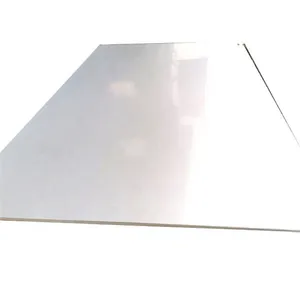
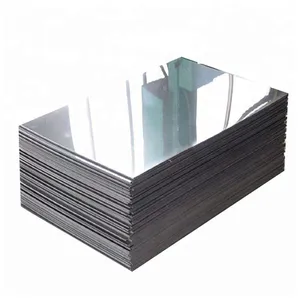
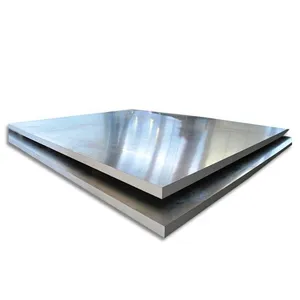
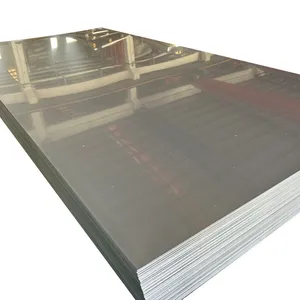
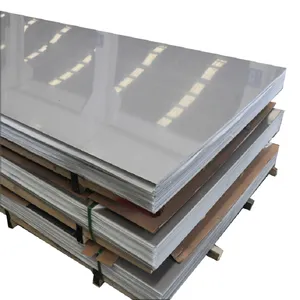
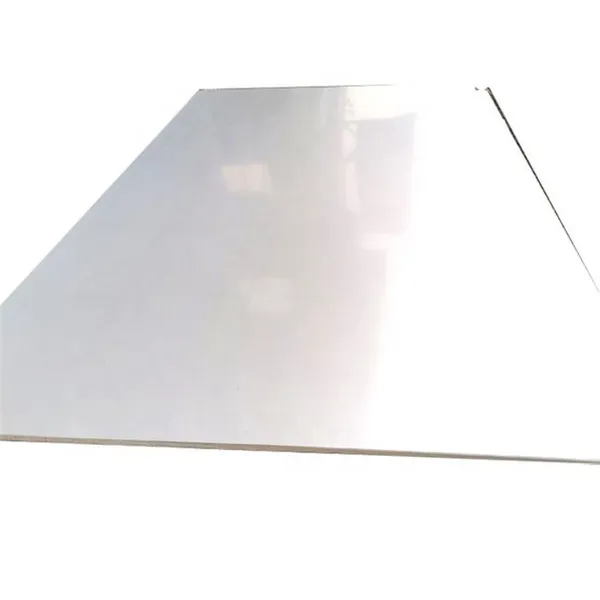
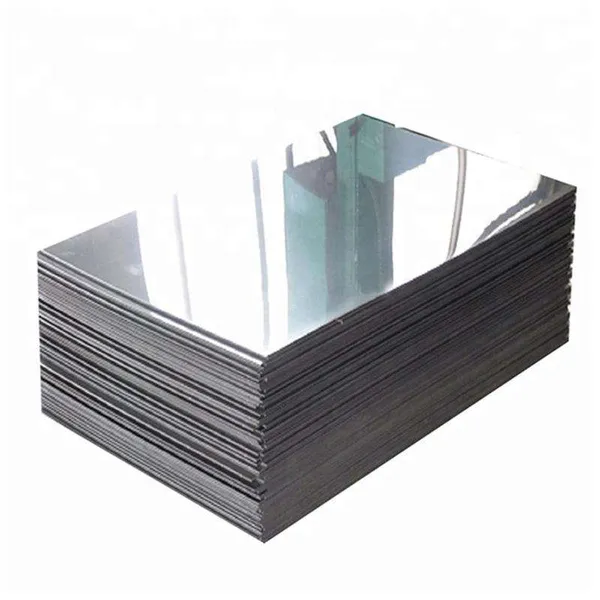
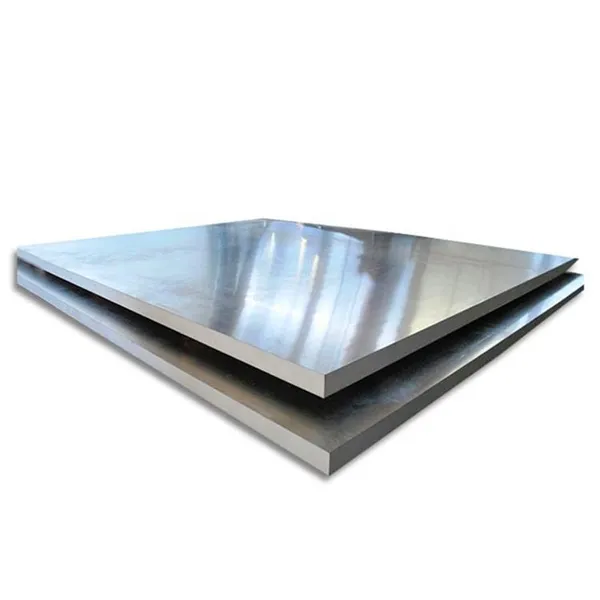
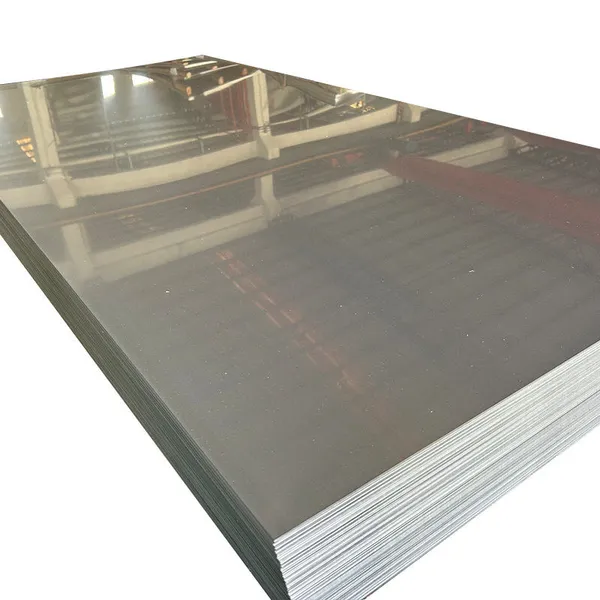
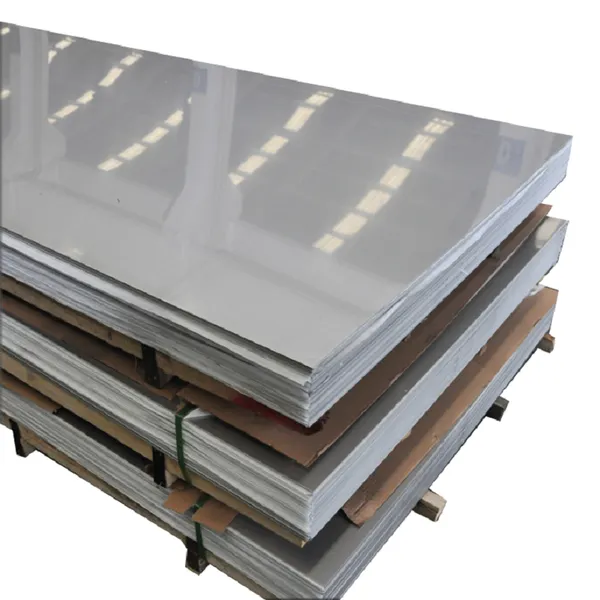
SUS301 Stainless Steel Plate | Cold Rolled 0.3-3mm | Spring Hardness
Product Spotlights



Related Products
-
 S31668 316Ti Plate | Thickness 3-50mm | Ti-Stabilized Anti-CorrosionUS$ 1.15 - 3.25MOQ: 100 Kilograms
 -
S32304 Duplex Steel Plate | 1-40mm | High Strength WeldableUS$ 1.15 - 3.25MOQ: 100 Kilograms
-
S32301 Lean Duplex Plate | 2B Finish 2-30mm | Chloride ResistantUS$ 1.15 - 3.25MOQ: 100 Kilograms
-
347/347H Stainless Plate | ASTM A240 | Heat Resistant ManufacturerUS$ 1.15 - 3.25MOQ: 100 Kilograms
-
1.4306 304L Plate | Mirror Finish 0.5-6mm | Food Grade ApplicationUS$ 1.15 - 3.25MOQ: 100 Kilograms
SUS301 Cold-Rolled Stainless Steel Plate (0.3–3mm): A Technical Guide to Spring-Hardness Grades and Their Industrial Applications
Introduction
Among austenitic stainless steels, SUS301 occupies a distinct engineering niche. While grades such as SUS304 are prized for general-purpose corrosion resistance, SUS301 is specified precisely because of its metallurgical behavior under deformation. When cold-rolled, this grade develops exceptional tensile strength and spring characteristics that few other stainless steels can match at a comparable cost. This guide examines the chemical composition, mechanical property ranges, cold-rolling process, and application scenarios of SUS301 stainless steel plate in the 0.3–3mm thickness range, with a focus on the spring-hardness tempers that make this material a preferred choice for demanding structural and elastic components.
Whether you are an engineer sourcing material for precision springs, a procurement specialist comparing grades, or a manufacturer evaluating cold-rolled sheet for stamping, understanding the technical parameters below will help you specify the correct temper and thickness for your application.
What Is SUS301 Stainless Steel?
SUS301 is a Japanese Industrial Standard (JIS) designation for a chromium-nickel austenitic stainless steel. It corresponds to AISI 301 in the American system, EN 1.4310 (X10CrNi18-8) in the European standard, and UNS S30100. The defining feature of SUS301 is its deliberately reduced chromium and nickel content relative to SUS304. By lowering the nickel content to approximately 6–8% and chromium to 16–18%, the austenite phase becomes less stable, which causes the material to work-harden rapidly during cold deformation.
This metallurgical instability is not a defect—it is the entire point. During cold rolling, some of the austenite transforms into martensite, producing a substantial increase in tensile strength and hardness. The result is a material that can be delivered in a range of controlled hardness levels, or "tempers," from soft annealed sheet through to full-hard spring stock.
Chemical Composition
The chemical composition of SUS301 is tightly controlled to ensure consistent work-hardening behavior. The table below summarizes the standard elemental ranges.
| Element | Symbol | Content (%) |
|---|---|---|
| Carbon | C | ≤ 0.15 |
| Silicon | Si | ≤ 1.00 |
| Manganese | Mn | ≤ 2.00 |
| Phosphorus | P | ≤ 0.045 |
| Sulfur | S | ≤ 0.030 |
| Chromium | Cr | 16.00 – 18.00 |
| Nickel | Ni | 6.00 – 8.00 |
| Iron | Fe | Balance |
The comparatively high carbon ceiling (up to 0.15%) contributes to the strength achievable in hardened tempers, while the balanced chromium level maintains adequate atmospheric corrosion resistance for most indoor and light industrial environments.
Mechanical Properties by Temper
The most important selection parameter for SUS301 is the temper condition, which determines the mechanical properties. Cold rolling is used to progressively increase strength and hardness. The following table presents typical minimum mechanical values across common tempers for cold-rolled SUS301 sheet.
| Temper | Tensile Strength (MPa) | 0.2% Proof Stress (MPa) | Elongation (%) | Hardness (HRC) |
|---|---|---|---|---|
| Annealed | ≥ 520 | ≥ 205 | ≥ 40 | ≤ 88 (HRB) |
| 1/4 Hard | ≥ 860 | ≥ 515 | ≥ 25 | 25 – 32 |
| 1/2 Hard | ≥ 1030 | ≥ 760 | ≥ 15 | 32 – 37 |
| 3/4 Hard | ≥ 1210 | ≥ 930 | ≥ 10 | 37 – 41 |
| Full Hard (EH) | ≥ 1300 | ≥ 965 | ≥ 8 | 41 – 45 |
As the table demonstrates, tensile strength more than doubles from the annealed to the full-hard condition, while elongation decreases correspondingly. This trade-off between strength and ductility is the core consideration when selecting a temper: springs and load-bearing clips favor higher tempers, while parts requiring deep forming or bending favor lower tempers.
Why Cold Rolling Matters
Cold rolling is performed below the recrystallization temperature of the steel. Unlike hot rolling, which is used primarily to reduce thickness at high temperature, cold rolling deliberately introduces controlled plastic deformation to refine the grain structure, achieve tight dimensional tolerances, and—crucially for SUS301—trigger strain-induced martensite formation.
The cold-rolling process delivers several measurable advantages for thin-gauge stainless plate:
Dimensional precision: Thickness tolerances of ±0.01mm are achievable in the 0.3–3mm range, essential for precision stamping and automated assembly.
Surface finish: Cold-rolled sheet is supplied in 2B (smooth, semi-reflective) or BA (bright annealed, mirror-like) finishes, meeting both functional and aesthetic requirements.
Strength control: The degree of cold reduction directly governs the final temper, enabling manufacturers to order material matched exactly to their spring-back or fatigue requirements.
Physical Properties
Beyond mechanical strength, several physical constants govern how SUS301 behaves in service. These are stable across tempers because they are determined by base composition rather than deformation state.
| Property | Value | Unit |
|---|---|---|
| Density | 7.93 | g/cm³ |
| Melting range | 1400 – 1420 | °C |
| Modulus of elasticity | 193 | GPa |
| Thermal conductivity (100°C) | 16.3 | W/m·K |
| Specific heat (0–100°C) | 500 | J/kg·K |
| Electrical resistivity | 0.72 | µΩ·m |
| Coefficient of thermal expansion | 17.0 | µm/m·°C |
The relatively high coefficient of thermal expansion and low thermal conductivity are typical of austenitic grades and should be accounted for in welded assemblies and applications subject to thermal cycling.
SUS301 vs SUS304: Choosing the Right Grade
Buyers frequently weigh SUS301 against the more common SUS304. The two grades share an austenitic structure but serve different engineering priorities. The comparison below clarifies the distinction.
| Parameter | SUS301 | SUS304 |
|---|---|---|
| Chromium | 16–18% | 18–20% |
| Nickel | 6–8% | 8–10.5% |
| Work-hardening rate | High | Moderate |
| Max tensile (full hard) | ~1300 MPa | ~1000 MPa |
| Corrosion resistance | Good | Superior |
| Typical use | Springs, structural clips | Kitchenware, tanks, general fabrication |
The practical takeaway: choose SUS301 when high strength, fatigue resistance, and spring properties are the priority; choose SUS304 when maximum corrosion resistance is paramount and high strength is secondary.
Thickness and Tolerance Specifications
For the 0.3–3mm range, tight dimensional control is a defining commercial requirement. The table below outlines representative supply specifications.
| Parameter | Specification |
|---|---|
| Thickness range | 0.3 – 3.0 mm |
| Thickness tolerance | ±0.01 – ±0.03 mm |
| Standard width | 1000 / 1219 / 1250 / 1500 mm |
| Coil / sheet | Both available |
| Surface finish | 2B, BA, No.4 |
| Edge | Mill edge or slit edge |
| Standards | JIS G4305, ASTM A666, EN 10088-2 |
Typical Applications
The combination of high strength, elastic recovery, and corrosion resistance makes SUS301 a versatile material across multiple industries. Common applications include:
Springs and spring clips: Flat springs, contact springs, and constant-force springs benefit from the high tensile strength and fatigue endurance of hardened tempers.
Automotive components: Seatbelt parts, wiper components, and structural brackets where weight-saving high-strength steel is required.
Electronics and connectors: Battery contacts, EMI shielding, and precision stamped parts that demand consistent spring-back behavior.
Rail transit and aerospace: Structural reinforcements and interior fittings where strength-to-weight ratio and corrosion resistance both matter.
Kitchen and consumer hardware: Hose clamps, fasteners, and formed panels requiring durability.
The choice of temper is application-driven: full-hard material is reserved for springs and clips requiring maximum elasticity, while quarter- and half-hard tempers suit components that must still undergo moderate forming after delivery.
Quality Assurance and Certification
Reliable sourcing of SUS301 plate depends on documented quality control. Reputable suppliers provide a Mill Test Certificate (MTC) that verifies chemical composition and mechanical properties for each batch. Typical quality documentation and testing includes:
Spectrometric analysis confirming elemental composition against JIS/ASTM limits.
Tensile and hardness testing validating the delivered temper.
Surface inspection for finish uniformity and freedom from scratches or roll marks.
Dimensional verification of thickness, width, and flatness.
Third-party certification such as SGS or BV, plus ISO 9001 quality-management compliance and RoHS documentation where required.
Requesting an MTC and specifying the applicable standard (JIS G4305, ASTM A666, or EN 10088-2) in the purchase order is the most effective way to ensure the material matches design requirements.
How to Select the Correct SUS301 Plate
To specify SUS301 cold-rolled plate accurately, define the following parameters in your inquiry:
Temper condition — annealed, 1/4H, 1/2H, 3/4H, or full hard, based on required strength and formability.
Thickness and tolerance — specify the gauge and acceptable deviation.
Width and length or coil form — sheet or coil, with dimensions.
Surface finish — 2B for general use, BA for reflective or decorative applications.
Certification — MTC, third-party inspection, and applicable standard.
Providing these five parameters allows a supplier to quote precisely and eliminates the most common causes of specification mismatch.
Wuxi Zhongxin Special Steel Co., Ltd. – One-Stop Global Special Steel Export Service Provider
Wuxi Zhongxin Special Steel Co., Ltd. – One-Stop Global Special Steel Export Service Provider
Wuxi Zhongxin Special Steel Co., Ltd. is located in Xishan District, Wuxi City, nestled in the core special steel distribution hub of the Yangtze River Delta. Benefiting from a complete steel industrial chain and convenient marine logistics with easy access to Shanghai and Ningbo ports, we are an integrated special steel foreign trade enterprise integrating direct mill procurement, spot inventory storage, precision metal processing, and global steel import & export. We hold full self-operated import and export qualifications, and provide one-stop supporting solutions of full-range steel products and non-ferrous metals for global industrial purchasers and overseas engineering projects.
With years of experience in steel export, we have established long-term strategic cooperation as authorized distributors with leading domestic steel manufacturers including TISCO, Baosteel, JISCO and Dongfang Special Steel. All goods are supplied directly from original factories with stable supply, and manufactured in strict compliance with international standards such as ASTM, ASME, EN, DIN, JIS and GB to meet customs clearance and engineering inspection requirements worldwide.
Full Range of Main Export Steel Products
1. Stainless Steel Series: Hot-rolled & cold-rolled stainless steel sheets, coils and strips in grades 304/316L/321/2205 duplex steel; BA bright seamless pipes, EP electrolytic polished seamless pipes, industrial welded pipes; stainless steel round bars, angle steels, flanges and pipe fittings. Custom surface finishes including 8K mirror polishing, wire drawing, matte finishing and embossing are available.
2. Carbon Steel & Seamless Pipe Series: ASTM A106 Gr.B seamless carbon steel pipes in SCH40/SCH80, API 5L oil & gas casings, hot/cold rolled carbon steel sheets & coils, medium plates, checkered plates, round bars, H-beams, channel steels and angle steels for construction engineering.
3. Electrical Silicon Steel Series: Grain-oriented & non-oriented silicon steel sheets and coils, ultra-thin silicon steel specially for transformers, suitable for export orders of motors, transformers and new energy electrical equipment.
4. Coated Anti-Corrosion Steel: Hot-dip galvanized sheets & coils, color coated steel and weathering steel, widely used in overseas factory buildings, photovoltaic power stations and steel structure infrastructure projects.
5. Special Alloys & Non-Ferrous Metals: Nickel-based alloys, copper and aluminum sheets, pipes and bars to satisfy supporting demands of high-end chemical and new energy industries.
Supporting Precision Export Processing Capacity
We own a 10,000-square-meter-level warehousing and processing center equipped with imported laser cutting machines, waterjet cutting equipment, high-precision slitting & leveling lines and CNC polishing production lines. We provide one-stop deep processing services including pipe beveling, plate cutting, bending and mirror polishing to fixed lengths. All delivered goods can be supplied with EN 10204 3.1 Material Test Certificates, SGS/BV third-party inspection reports, together with hydrostatic testing, non-destructive testing and full heat number traceability documents.
Core Advantages of Foreign Trade Export
1. Mass Spot Inventory: Thousands of tons of conventional specifications are kept in stock for quick order arrangement of standard 4m/6m/12m fixed-length pipes and various sheets & coils. Special steel grades and non-standard sizes can be scheduled directly from steel mills, supporting both small-batch inquiries and bulk supply for large engineering projects.
2. Mature Global Sales Network: Our professional multilingual foreign trade team exports products to over 40 countries covering the Middle East, Southeast Asia, Europe, Africa, South America and Australia, serving customers from petrochemical, pressure vessel, photovoltaic new energy, food & pharmaceutical, electric power, overseas infrastructure, engineering machinery and other sectors.
3. One-Stop Quotation under All Trade Terms: We offer complete quotations on FOB China port, CFR and CIF overseas destination port basis, supporting full container load and less-than-container load shipments. We can issue certificates of origin, inspection certificates and a full set of customs clearance documents, and track marine logistics throughout the whole process.
4. Standardized Seaworthy Export Packaging: Steel pipes are fitted with plastic end caps, bundled with steel straps and wrapped in waterproof films; steel sheets are covered with anti-rust films. Each bundle is clearly marked with specification, wall thickness, material grade, heat number and country of origin to realize anti-rust protection during long-distance ocean transportation.
5. Transparent & Comprehensive Commercial Services: Quotation validity period, payment terms, loading/unloading fees, inspection charges, bank commissions and other extra costs are fully listed without hidden charges. Our technical team provides 24-hour online support for material selection, standard interpretation and delivery schedule follow-up, along with long-term after-sales guarantee.
Upholding the business philosophy of Quality First, Sincerity for Win-Win, Global-Oriented Service, we strive to be your long-term trusted partner for special steel export with a complete product portfolio, stable original factory supply, professional processing supporting capacity and mature foreign trade delivery system.
Q1:Do you offer sample orders?
A:Yes, samples are available for quality evaluation. Sample cost is charged but refundable upon bulk order.
Q2:What is your MOQ?
A:Our standard MOQ is 100 kg per specification. For common grades and standard sizes, we accept small batch orders. Mixed orders for different products are also welcome.
Q3:Can you provide custom sizes?
A:Yes, we can produce any length, width, thickness, or diameter based on your drawings. Cutting, slitting, and other processing services are available with tolerance as required.
Q4:What certifications do you provide?
A:Each shipment comes with EN 10204 3.1 mill test certificate (MTC). Third-party inspection reports (SGS/BV/TÜV) can be arranged upon request.
Q5:What is your lead time?
A:7–15 working days for stock items. 20–30 days for custom orders, depending on quantity and specification.
Q6:What surface treatments are available?
A:Various surface treatments are available upon request, including pickled, polished, coated, oiled, or as required.
Q7:What payment terms do you accept?
A:T/T (30% deposit + 70% against BL copy), L/C at sight, Western Union, etc.
Q8:What about packaging for export?
A:Standard seaworthy packaging with waterproof protection, steel straps, corner protectors, and ISPM 15 fumigation certification. Custom packaging is available as required.

Send Inquiry to This Supplier



You May Also Like
-
304 Stainless Steel Plate | 2mm 4x8ft | 2B Cold Rolled | KitchenwareUS$ 1.15 - 3.25MOQ: 100 Kilograms
-
316L Marine Grade Plate | 3mm | ASTM A240 | Corrosion ResistantUS$ 1.15 - 3.25MOQ: 100 Kilograms
-
2205 Duplex Stainless Plate | 5mm | High Strength | Chemical TankUS$ 1.15 - 3.25MOQ: 100 Kilograms
-
904L Ferritic Steel Sheet Plate | 1.5mm | No.4 Brushed | ApplianceUS$ 1.15 - 3.25MOQ: 100 Kilograms
-
2205 Duplex Stainless Plate | 5mm | High Strength | ASTM A240US$ 1.15 - 3.25MOQ: 100 Kilograms
-
ASTM A240 304 Stainless Steel Sheet, 0.3-100mm Thickness, 4x8ftUS$ 1.75 - 2.55MOQ: 100 Kilograms
-
Stainless Steel Sheet 304/316/321 ASTM A240 JIS G4305 Thickness 1-50mmUS$ 1.85 - 4.15MOQ: 100 Kilograms
-
316L Stainless Steel Sheet Corrosion-Resistant Plate 2-20mm for Industry UseUS$ 2.85 - 4.2MOQ: 100 Kilograms
-
304 Stainless Steel Sheet Mirror Finish 0.5-6mm DIN ASTM Standard PlateUS$ 1.85 - 2.55MOQ: 100 Kilograms
-
High-Strength Stainless Steel Plate 310S 1-25mm for Heat-Resistant ApplicationsUS$ 5.75 - 7.15MOQ: 100 Kilograms


