








 Contact Platform Support
 Help Center
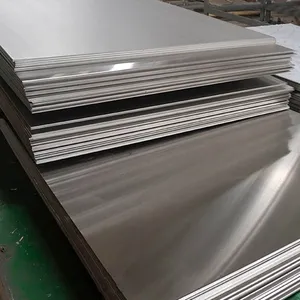
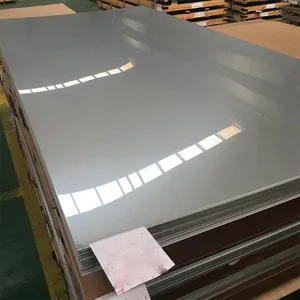
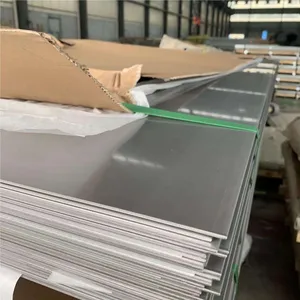
S31668 316Ti Plate | Thickness 3-50mm | Ti-Stabilized Anti-Corrosion
Product Spotlights



Related Products
-
 S32304 Duplex Steel Plate | 1-40mm | High Strength WeldableUS$ 1.15 - 3.25MOQ: 100 Kilograms
 -
S32301 Lean Duplex Plate | 2B Finish 2-30mm | Chloride ResistantUS$ 1.15 - 3.25MOQ: 100 Kilograms
-
347/347H Stainless Plate | ASTM A240 | Heat Resistant ManufacturerUS$ 1.15 - 3.25MOQ: 100 Kilograms
-
1.4306 304L Plate | Mirror Finish 0.5-6mm | Food Grade ApplicationUS$ 1.15 - 3.25MOQ: 100 Kilograms
-
304 Stainless Steel Plate | 2mm 4x8ft | 2B Cold Rolled | KitchenwareUS$ 1.15 - 3.25MOQ: 100 Kilograms
S31668 316Ti Plate: A Complete Technical Guide to Titanium-Stabilized Stainless Steel
Titanium-stabilized austenitic stainless steel occupies a specialized position in the materials market, bridging the gap between standard 316 grades and higher-cost superaustenitic alloys. The S31668 plate—known internationally as 316Ti and designated 1.4571 under European standards—is engineered for environments where welded joints must retain corrosion resistance and where operating temperatures exceed the safe threshold for conventional grades. This guide examines the metallurgy, mechanical behavior, and application scope of 316Ti plate in thicknesses from 3mm to 50mm.
Understanding the S31668 Designation
The material carries several equivalent designations across global standards bodies, a fact that often creates confusion during procurement. Buyers sourcing internationally should recognize that S31668, 316Ti, 1.4571, and X6CrNiMoTi17-12-2 all refer to the same fundamental alloy family, with only minor variations in permissible composition ranges between the standards.
| Standard / Region | Designation |
|---|---|
| UNS (United States) | S31668 |
| AISI / Trade Name | 316Ti |
| EN (Europe) | 1.4571 |
| EN Full Name | X6CrNiMoTi17-12-2 |
| GB (China) | 06Cr17Ni12Mo2Ti |
| JIS (Japan) | SUS316Ti |
The unifying characteristic across all these designations is the deliberate addition of titanium as a stabilizing element. This single metallurgical decision defines the grade's performance envelope and separates it from the more common 316 and 316L variants.
Chemical Composition and the Role of Titanium
The base composition of S31668 mirrors that of standard 316 molybdenum-bearing stainless steel, with the critical difference being the controlled titanium content. Titanium is added at a ratio calculated relative to the carbon content, typically five times the carbon percentage, up to a maximum of 0.70%.
| Element | Composition Range (%) |
|---|---|
| Carbon (C) | ≤ 0.08 |
| Chromium (Cr) | 16.5 – 18.5 |
| Nickel (Ni) | 10.5 – 14.0 |
| Molybdenum (Mo) | 2.0 – 3.0 |
| Titanium (Ti) | 5 × C to 0.70 |
| Manganese (Mn) | ≤ 2.0 |
| Silicon (Si) | ≤ 1.0 |
| Phosphorus (P) | ≤ 0.045 |
| Sulfur (S) | ≤ 0.030 |
The molybdenum content is what provides the base corrosion resistance in chloride-bearing environments, while chromium establishes the passive oxide layer common to all stainless steels. The titanium, however, performs a distinct function that becomes apparent only under specific service conditions.
Why Titanium Stabilization Matters
The central engineering advantage of 316Ti lies in its resistance to a phenomenon called sensitization. When conventional austenitic stainless steels are heated within the range of approximately 450°C to 850°C—a condition that occurs unavoidably during welding, hot forming, or prolonged high-temperature service—chromium and carbon combine to form chromium carbides at the grain boundaries. This depletes the surrounding metal of chromium, dropping local concentrations below the threshold needed to maintain the passive protective layer. The result is intergranular corrosion, where the material fails along grain boundaries even though the bulk composition appears sound.
Titanium interrupts this mechanism because it has a stronger affinity for carbon than chromium does. During thermal exposure, carbon preferentially combines with titanium to form stable titanium carbides, leaving chromium free to remain in solution and continue protecting the alloy. This is why 316Ti is described as a stabilized grade, and why it is frequently specified for fabricated assemblies with extensive welding or for equipment operating continuously at elevated temperature.
This distinguishes 316Ti from the low-carbon alternative, 316L. While 316L avoids sensitization by restricting carbon content to very low levels, it does so at the cost of reduced high-temperature strength. 316Ti retains carbon for strength while neutralizing its detrimental effects through stabilization, making it the preferred choice where both weldability and elevated-temperature performance are required.
Mechanical Properties
The mechanical characteristics of S31668 plate reflect its austenitic structure, which provides a favorable combination of strength, ductility, and toughness across a wide temperature range. The values below represent typical minimum requirements for plate product in the solution-annealed condition.
| Property | Value |
|---|---|
| Tensile Strength | ≥ 515 MPa |
| Yield Strength (0.2% offset) | ≥ 205 MPa |
| Elongation | ≥ 40% |
| Hardness (Brinell) | ≤ 217 HB |
| Density | 8.0 g/cm³ |
| Melting Range | 1370 – 1400°C |
| Modulus of Elasticity | 193 GPa |
The retained elongation of 40% or higher indicates that the material can undergo significant cold forming, bending, and deep drawing without cracking. This formability, combined with weldability, makes 316Ti suitable for complex fabricated components such as expansion joints, bellows, and pressure vessel sections.
Corrosion Resistance in Service
The corrosion performance of 316Ti closely follows that of 316 in most media, owing to the shared molybdenum content. The molybdenum improves resistance to pitting and crevice corrosion in chloride environments compared with molybdenum-free grades such as 304. In practical terms, 316Ti performs reliably in marine atmospheres, chemical processing streams, pulp and paper bleaching lines, and equipment handling organic acids.
Where 316Ti differentiates itself is in welded and heat-affected zones. Standard 316 may exhibit reduced corrosion resistance in these regions after fabrication, whereas the stabilized grade maintains its protective characteristics throughout the weldment. For assemblies that cannot be post-weld solution annealed—which describes the majority of large fabricated structures—this consistency is a decisive procurement factor.
It is worth noting the practical limits of the grade. Like all standard 316-family alloys, 316Ti remains susceptible to stress corrosion cracking in hot chloride environments and offers limited resistance to strongly reducing acids such as concentrated hydrochloric acid. For these severe conditions, higher-alloy grades or duplex stainless steels are more appropriate.
High-Temperature Performance
One of the primary reasons engineers specify 316Ti is its performance at elevated temperature. The titanium stabilization allows the material to be used for extended periods in the sensitization range without degradation, and the grade retains useful mechanical strength at temperatures where lower-carbon variants would soften. Continuous service up to approximately 600°C is common, with intermittent exposure tolerated at higher temperatures depending on the application and the acceptable rate of oxidation.
This high-temperature capability makes the grade a frequent selection for heat exchangers, exhaust systems, furnace components, and expansion bellows in power generation and petrochemical facilities.
Comparison with 316 and 316L
For buyers weighing options, a direct comparison clarifies where each grade fits.
| Characteristic | 316 | 316L | 316Ti (S31668) |
|---|---|---|---|
| Carbon Content | ≤ 0.08% | ≤ 0.03% | ≤ 0.08% |
| Stabilizing Element | None | None | Titanium |
| Intergranular Corrosion Resistance (post-weld) | Moderate | High | High |
| High-Temperature Strength | Moderate | Lower | Higher |
| Recommended Max Service Temp | ~425°C sustained | ~425°C sustained | ~600°C sustained |
| Typical Use Case | General fabrication | Welded assemblies, low temp | Welded assemblies at high temp |
The pattern is clear: 316L solves the sensitization problem for lower-temperature applications by removing carbon, while 316Ti solves it for higher-temperature applications by neutralizing carbon with titanium. Selection therefore depends on the operating temperature more than on any single property in isolation.
Thickness Range, Rolling, and Surface Finish
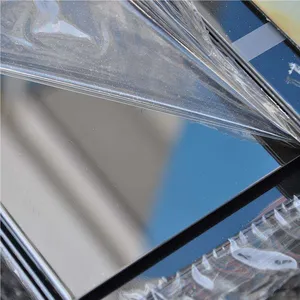
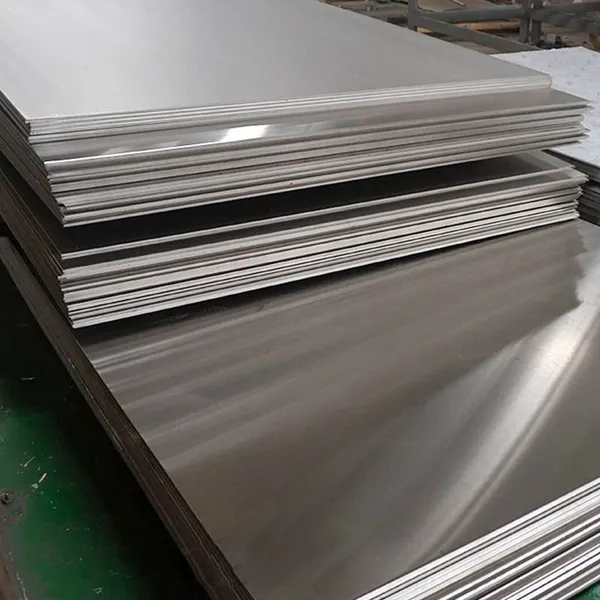
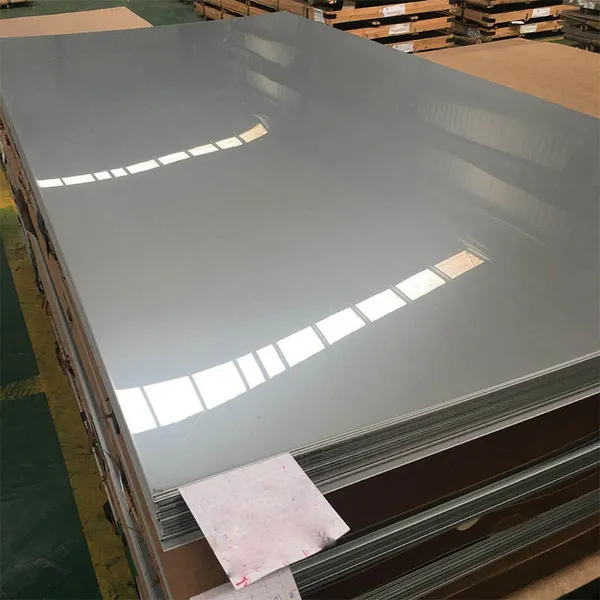
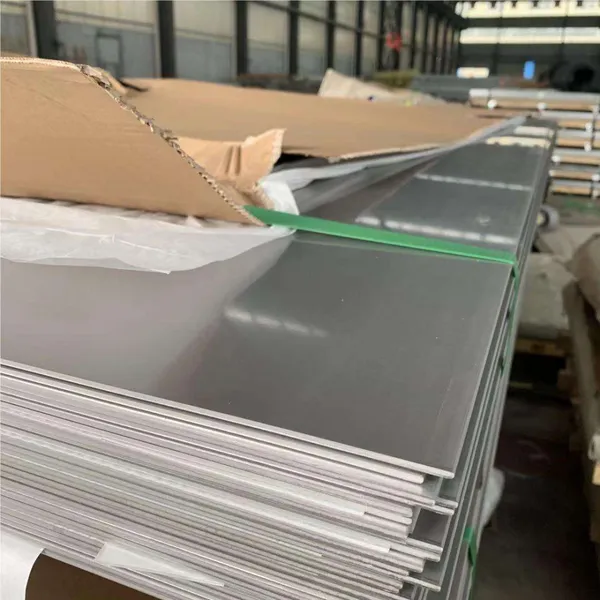
S31668 plate is supplied across a broad thickness spectrum from 3mm through 50mm, covering the requirements of both light fabrication and heavy structural work. Thinner plate in the 3mm to 8mm range is typically produced by cold rolling, delivering tighter dimensional tolerances and smoother surface finishes suited to visible or hygiene-critical applications. Heavier plate above roughly 8mm is hot rolled, then solution annealed and pickled to restore the corrosion-resistant surface condition.
| Parameter | Specification |
|---|---|
| Thickness Range | 3 – 50 mm |
| Width | Up to 2500 mm (mill dependent) |
| Length | Up to 12000 mm (mill dependent) |
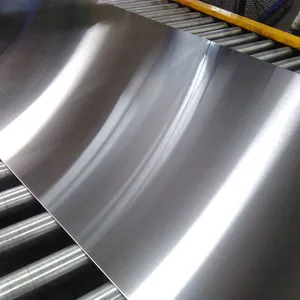
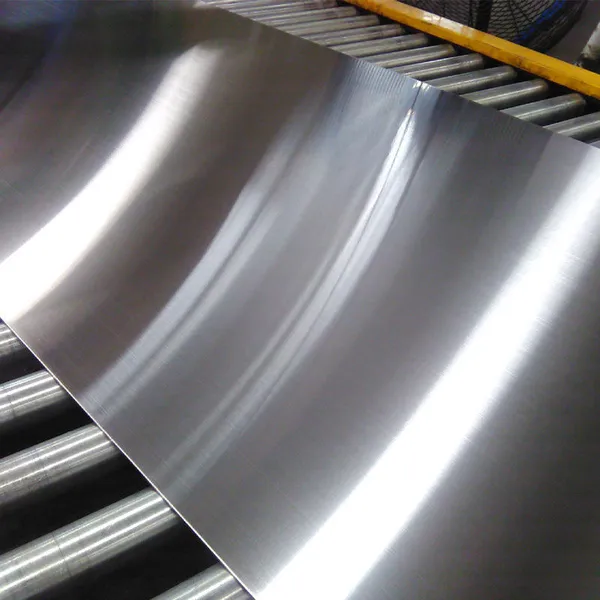
| Surface Finish | No.1, 2B, hot-rolled pickled |
| Delivery Condition | Solution annealed |
| Edge | Mill edge or trimmed edge |
Solution annealing is a mandatory processing step. The plate is heated above the carbide dissolution temperature and rapidly cooled, ensuring that any carbides formed during production are dissolved and the microstructure is fully austenitic before delivery.
Common Applications
The combination of weldability, elevated-temperature stability, and molybdenum-enhanced corrosion resistance directs 316Ti toward a defined set of industries and components.
| Industry | Typical Applications |
|---|---|
| Petrochemical | Heat exchangers, reactor vessels, piping |
| Power Generation | Expansion joints, exhaust components |
| Chemical Processing | Storage tanks, acid-handling equipment |
| Pulp & Paper | Bleaching plant equipment, digesters |
| Marine | Structural components, fittings |
| Aerospace | Exhaust and high-temperature parts |
Quality Assurance and Documentation
Procurement of stainless steel plate for engineering service requires verifiable documentation. Reputable suppliers provide a mill test certificate conforming to EN 10204 3.1, which records the actual chemical composition and mechanical test results traceable to the specific heat of steel. This documentation is essential for pressure equipment, regulated industries, and any application subject to third-party inspection. Buyers should confirm that plate is supplied with certification, that dimensional tolerances meet the relevant standard such as EN 10029 or ASTM A480, and that the material has been properly solution annealed and pickled.
Wuxi Zhongxin Special Steel Co., Ltd. – One-Stop Global Special Steel Export Service Provider
Wuxi Zhongxin Special Steel Co., Ltd. – One-Stop Global Special Steel Export Service Provider
Wuxi Zhongxin Special Steel Co., Ltd. is located in Xishan District, Wuxi City, nestled in the core special steel distribution hub of the Yangtze River Delta. Benefiting from a complete steel industrial chain and convenient marine logistics with easy access to Shanghai and Ningbo ports, we are an integrated special steel foreign trade enterprise integrating direct mill procurement, spot inventory storage, precision metal processing, and global steel import & export. We hold full self-operated import and export qualifications, and provide one-stop supporting solutions of full-range steel products and non-ferrous metals for global industrial purchasers and overseas engineering projects.
With years of experience in steel export, we have established long-term strategic cooperation as authorized distributors with leading domestic steel manufacturers including TISCO, Baosteel, JISCO and Dongfang Special Steel. All goods are supplied directly from original factories with stable supply, and manufactured in strict compliance with international standards such as ASTM, ASME, EN, DIN, JIS and GB to meet customs clearance and engineering inspection requirements worldwide.
Full Range of Main Export Steel Products
1. Stainless Steel Series: Hot-rolled & cold-rolled stainless steel sheets, coils and strips in grades 304/316L/321/2205 duplex steel; BA bright seamless pipes, EP electrolytic polished seamless pipes, industrial welded pipes; stainless steel round bars, angle steels, flanges and pipe fittings. Custom surface finishes including 8K mirror polishing, wire drawing, matte finishing and embossing are available.
2. Carbon Steel & Seamless Pipe Series: ASTM A106 Gr.B seamless carbon steel pipes in SCH40/SCH80, API 5L oil & gas casings, hot/cold rolled carbon steel sheets & coils, medium plates, checkered plates, round bars, H-beams, channel steels and angle steels for construction engineering.
3. Electrical Silicon Steel Series: Grain-oriented & non-oriented silicon steel sheets and coils, ultra-thin silicon steel specially for transformers, suitable for export orders of motors, transformers and new energy electrical equipment.
4. Coated Anti-Corrosion Steel: Hot-dip galvanized sheets & coils, color coated steel and weathering steel, widely used in overseas factory buildings, photovoltaic power stations and steel structure infrastructure projects.
5. Special Alloys & Non-Ferrous Metals: Nickel-based alloys, copper and aluminum sheets, pipes and bars to satisfy supporting demands of high-end chemical and new energy industries.
Supporting Precision Export Processing Capacity
We own a 10,000-square-meter-level warehousing and processing center equipped with imported laser cutting machines, waterjet cutting equipment, high-precision slitting & leveling lines and CNC polishing production lines. We provide one-stop deep processing services including pipe beveling, plate cutting, bending and mirror polishing to fixed lengths. All delivered goods can be supplied with EN 10204 3.1 Material Test Certificates, SGS/BV third-party inspection reports, together with hydrostatic testing, non-destructive testing and full heat number traceability documents.
Core Advantages of Foreign Trade Export
1. Mass Spot Inventory: Thousands of tons of conventional specifications are kept in stock for quick order arrangement of standard 4m/6m/12m fixed-length pipes and various sheets & coils. Special steel grades and non-standard sizes can be scheduled directly from steel mills, supporting both small-batch inquiries and bulk supply for large engineering projects.
2. Mature Global Sales Network: Our professional multilingual foreign trade team exports products to over 40 countries covering the Middle East, Southeast Asia, Europe, Africa, South America and Australia, serving customers from petrochemical, pressure vessel, photovoltaic new energy, food & pharmaceutical, electric power, overseas infrastructure, engineering machinery and other sectors.
3. One-Stop Quotation under All Trade Terms: We offer complete quotations on FOB China port, CFR and CIF overseas destination port basis, supporting full container load and less-than-container load shipments. We can issue certificates of origin, inspection certificates and a full set of customs clearance documents, and track marine logistics throughout the whole process.
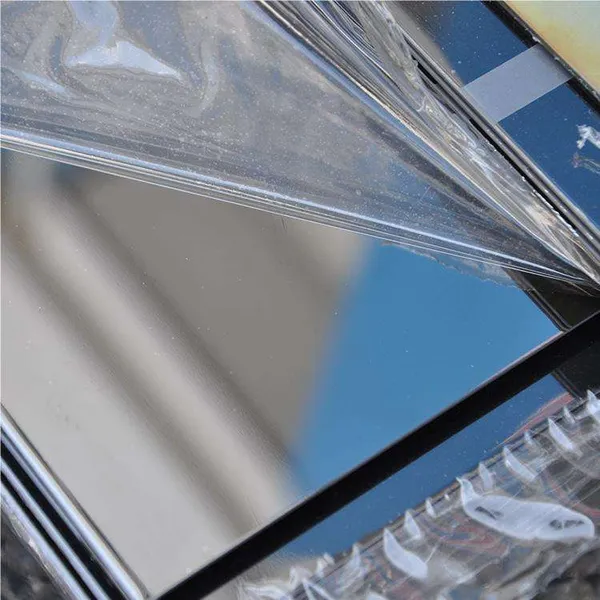
4. Standardized Seaworthy Export Packaging: Steel pipes are fitted with plastic end caps, bundled with steel straps and wrapped in waterproof films; steel sheets are covered with anti-rust films. Each bundle is clearly marked with specification, wall thickness, material grade, heat number and country of origin to realize anti-rust protection during long-distance ocean transportation.
5. Transparent & Comprehensive Commercial Services: Quotation validity period, payment terms, loading/unloading fees, inspection charges, bank commissions and other extra costs are fully listed without hidden charges. Our technical team provides 24-hour online support for material selection, standard interpretation and delivery schedule follow-up, along with long-term after-sales guarantee.
Upholding the business philosophy of Quality First, Sincerity for Win-Win, Global-Oriented Service, we strive to be your long-term trusted partner for special steel export with a complete product portfolio, stable original factory supply, professional processing supporting capacity and mature foreign trade delivery system.
Q1:Do you offer sample orders?
A:Yes, samples are available for quality evaluation. Sample cost is charged but refundable upon bulk order.
Q2:What is your MOQ?
A:Our standard MOQ is 100 kg per specification. For common grades and standard sizes, we accept small batch orders. Mixed orders for different products are also welcome.
Q3:Can you provide custom sizes?
A:Yes, we can produce any length, width, thickness, or diameter based on your drawings. Cutting, slitting, and other processing services are available with tolerance as required.
Q4:What certifications do you provide?
A:Each shipment comes with EN 10204 3.1 mill test certificate (MTC). Third-party inspection reports (SGS/BV/TÜV) can be arranged upon request.
Q5:What is your lead time?
A:7–15 working days for stock items. 20–30 days for custom orders, depending on quantity and specification.
Q6:What surface treatments are available?
A:Various surface treatments are available upon request, including pickled, polished, coated, oiled, or as required.
Q7:What payment terms do you accept?
A:T/T (30% deposit + 70% against BL copy), L/C at sight, Western Union, etc.
Q8:What about packaging for export?
A:Standard seaworthy packaging with waterproof protection, steel straps, corner protectors, and ISPM 15 fumigation certification. Custom packaging is available as required.

Send Inquiry to This Supplier



You May Also Like
-
316L Marine Grade Plate | 3mm | ASTM A240 | Corrosion ResistantUS$ 1.15 - 3.25MOQ: 100 Kilograms
-
2205 Duplex Stainless Plate | 5mm | High Strength | Chemical TankUS$ 1.15 - 3.25MOQ: 100 Kilograms
-
904L Ferritic Steel Sheet Plate | 1.5mm | No.4 Brushed | ApplianceUS$ 1.15 - 3.25MOQ: 100 Kilograms
-
2205 Duplex Stainless Plate | 5mm | High Strength | ASTM A240US$ 1.15 - 3.25MOQ: 100 Kilograms
-
ASTM A240 304 Stainless Steel Sheet, 0.3-100mm Thickness, 4x8ftUS$ 1.75 - 2.55MOQ: 100 Kilograms
-
Stainless Steel Sheet 304/316/321 ASTM A240 JIS G4305 Thickness 1-50mmUS$ 1.85 - 4.15MOQ: 100 Kilograms
-
316L Stainless Steel Sheet Corrosion-Resistant Plate 2-20mm for Industry UseUS$ 2.85 - 4.2MOQ: 100 Kilograms
-
304 Stainless Steel Sheet Mirror Finish 0.5-6mm DIN ASTM Standard PlateUS$ 1.85 - 2.55MOQ: 100 Kilograms
-
High-Strength Stainless Steel Plate 310S 1-25mm for Heat-Resistant ApplicationsUS$ 5.75 - 7.15MOQ: 100 Kilograms
-
Stainless Steel Sheet 430 Cold Rolled 0.8-10mm GB/JIS Standard Metal PlateUS$ 1.85 - 3.95MOQ: 100 Kilograms


