








 Contact Platform Support
 Help Center
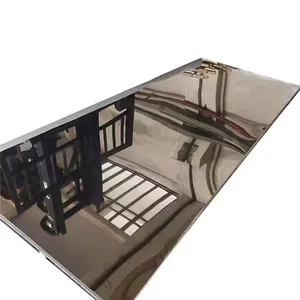
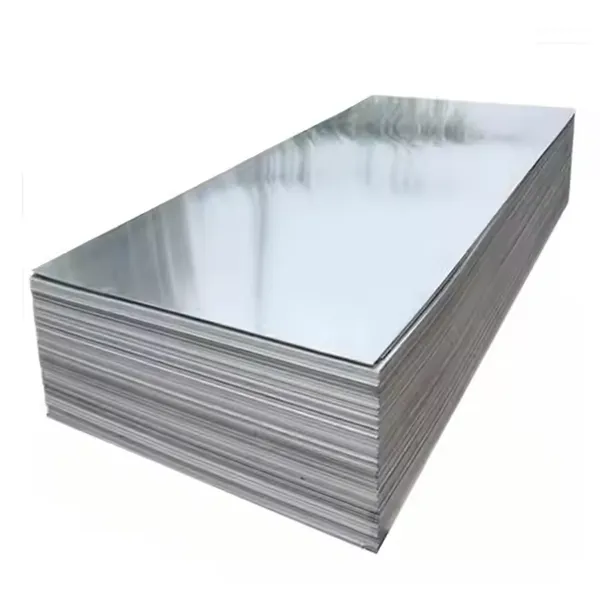
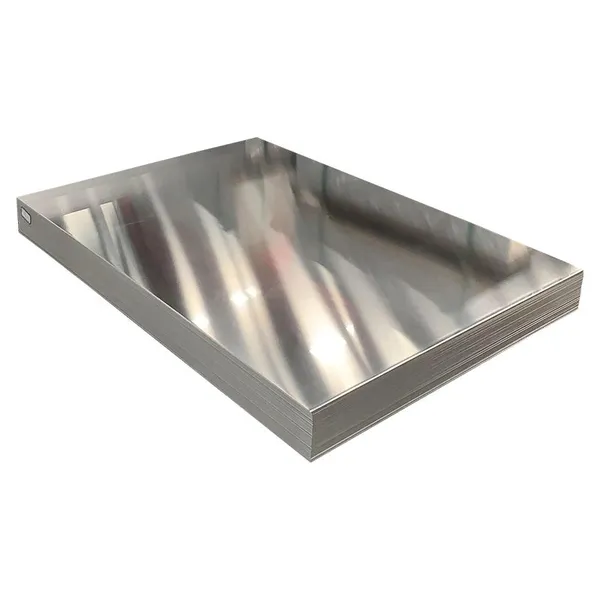
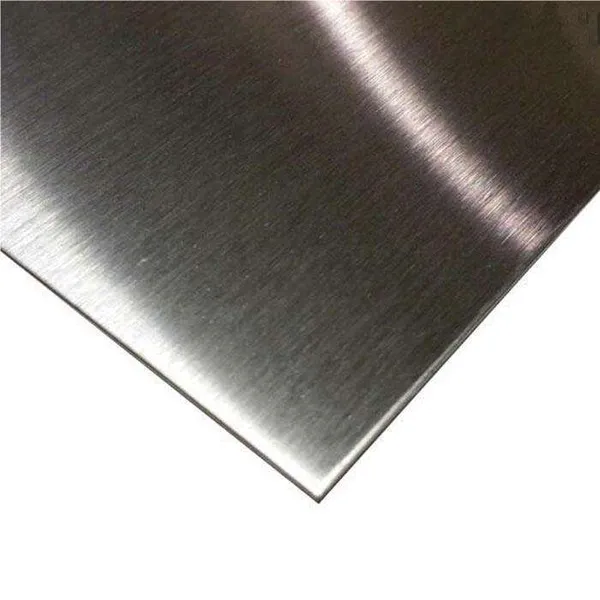
316L Marine Grade Plate | 3mm | ASTM A240 | Corrosion Resistant
Product Spotlights



Related Products
-
 2205 Duplex Stainless Plate | 5mm | High Strength | Chemical TankUS$ 1.15 - 3.25MOQ: 100 Kilograms
 -
904L Ferritic Steel Sheet Plate | 1.5mm | No.4 Brushed | ApplianceUS$ 1.15 - 3.25MOQ: 100 Kilograms
-
2205 Duplex Stainless Plate | 5mm | High Strength | ASTM A240US$ 1.15 - 3.25MOQ: 100 Kilograms
-
ASTM A240 304 Stainless Steel Sheet, 0.3-100mm Thickness, 4x8ftUS$ 1.75 - 2.55MOQ: 100 Kilograms
-
Stainless Steel Sheet 304/316/321 ASTM A240 JIS G4305 Thickness 1-50mmUS$ 1.85 - 4.15MOQ: 100 Kilograms
316L Marine Grade Plate (3mm, ASTM A240): A Complete Technical Buyer's Guide
When a metal component must survive constant contact with seawater, de-icing salts, chlorinated process fluids, or coastal humidity, the choice of alloy is not a detail — it is the difference between a structure that lasts decades and one that fails within a few seasons. Among the austenitic stainless steels, the 316L grade in 3mm plate form, manufactured to ASTM A240, has become the reference material for marine and chemically aggressive environments. This guide explains what makes the grade perform, how to interpret its specification, and how to select and use it correctly across shipbuilding, offshore, architectural, and processing applications.
Why 316L Is the Standard for Marine Environments
The corrosion resistance of any stainless steel comes from a self-repairing passive chromium-oxide film on its surface. Standard grades such as 304 rely almost entirely on chromium for this protection, which is adequate in mild atmospheric conditions but breaks down when chloride ions are present. Seawater, coastal air, and many industrial chemicals are rich in chlorides, and these ions attack the passive layer locally, producing pitting and crevice corrosion.
316L solves this problem through the addition of molybdenum. At 2 to 3 percent, molybdenum stabilizes the passive film against chloride penetration and dramatically improves resistance to localized attack. The "L" in the designation signals a controlled low-carbon content, capped at 0.03 percent. This matters during and after welding: when standard grades are heated in the 425–815°C range, carbon combines with chromium to form chromium carbides at grain boundaries, a process called sensitization that leaves those zones chromium-depleted and vulnerable to intergranular corrosion. By keeping carbon low, 316L retains its corrosion resistance even in the heat-affected zone of a weld, which is why it is specified for fabricated marine assemblies rather than only for as-rolled parts.
Chemical Composition
The performance of the plate is rooted in its composition. The table below shows the typical elemental ranges for 316L under ASTM A240, expressed as weight percent.
| Element | Symbol | Typical Range (wt %) | Functional Role |
|---|---|---|---|
| Chromium | Cr | 16.0 – 18.0 | Forms the passive oxide film; base corrosion resistance |
| Nickel | Ni | 10.0 – 14.0 | Stabilizes austenitic structure; ductility and toughness |
| Molybdenum | Mo | 2.0 – 3.0 | Pitting and crevice resistance in chlorides |
| Carbon | C | ≤ 0.030 | Kept low to prevent weld sensitization |
| Manganese | Mn | ≤ 2.00 | Deoxidizer; austenite stabilizer |
| Silicon | Si | ≤ 0.75 | Deoxidizer during melting |
| Phosphorus | P | ≤ 0.045 | Residual; kept low for weldability |
| Sulfur | S | ≤ 0.030 | Residual; kept low for corrosion and formability |
| Nitrogen | N | ≤ 0.10 | Strengthens and supports pitting resistance |
| Iron | Fe | Balance | Base metal |
The combination of chromium and molybdenum is commonly summarized in a single index, the Pitting Resistance Equivalent Number (PREN), calculated as %Cr + 3.3 × %Mo + 16 × %N. For 316L this typically lands between 24 and 28, compared with roughly 18 to 20 for 304. That numerical gap explains, in practical terms, why 316L withstands splash zones and brackish exposure that would rapidly degrade a 304 component.
Mechanical Properties
ASTM A240 defines minimum mechanical requirements that the plate must meet in the annealed condition. These values govern how the material behaves structurally under load.
| Property | Value | Unit |
|---|---|---|
| Tensile strength (min) | 485 (typ. 485–620) | MPa |
| Yield strength, 0.2% offset (min) | 170 | MPa |
| Elongation in 50mm (min) | 40 | % |
| Hardness (max) | 217 HBW / 95 HRB | — |
| Density | 8.0 | g/cm³ |
| Modulus of elasticity | 193 | GPa |
The high elongation figure reflects the excellent formability of the austenitic structure, which allows the 3mm plate to be bent, rolled, and deep-drawn without cracking. Because 316L is non-magnetic in the annealed state and cannot be hardened by heat treatment, its strength is a function of the annealed microstructure and any subsequent cold work.
Understanding the ASTM A240 Specification
ASTM A240 is the umbrella standard covering chromium and chromium-nickel stainless steel plate, sheet, and strip intended for pressure vessels and general structural use. When a plate is certified to A240, the buyer is assured of several things at once: the chemical composition falls within defined limits, the mechanical properties meet minimum thresholds, the material has been solution-annealed and pickled, and each heat is traceable through a mill test certificate (MTC), typically issued to EN 10204 3.1. For projects requiring documentation — classification-society-approved vessels, offshore modules, or regulated food and pharmaceutical equipment — this traceability is not optional but a compliance requirement.
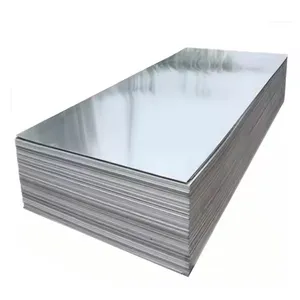
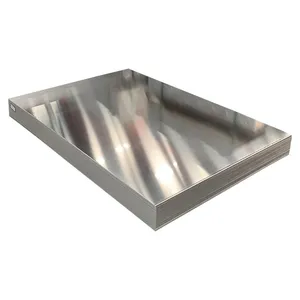
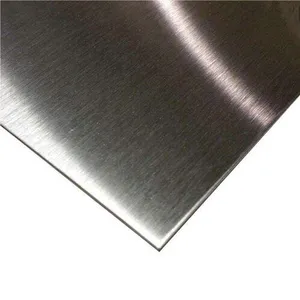
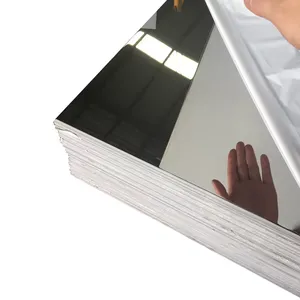
Surface Finish Options for 3mm Plate
Finish affects both appearance and, in aggressive service, corrosion behavior, because a smoother surface offers fewer sites for contaminants to lodge. Common options for 3mm plate are summarized below.
| Finish | Description | Typical Use |
|---|---|---|
| No. 1 | Hot-rolled, annealed, pickled; matte | Structural, non-cosmetic parts |
| 2B | Cold-rolled, bright, smooth | General fabrication, most common |
| 2D | Cold-rolled, dull matte | Formed parts where grip is needed |
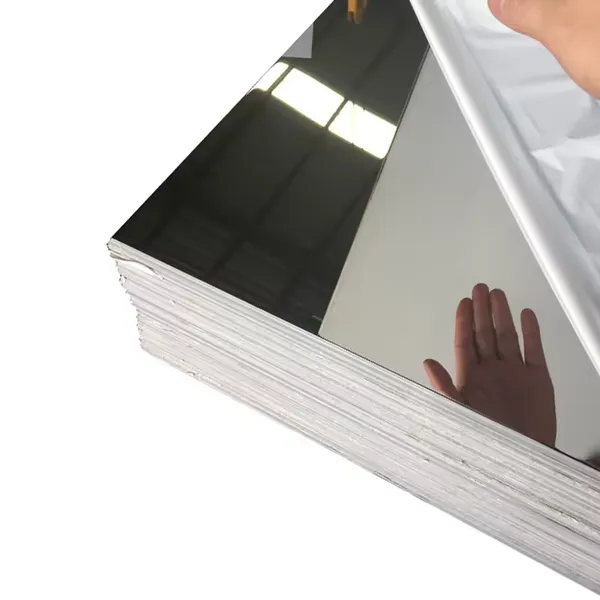
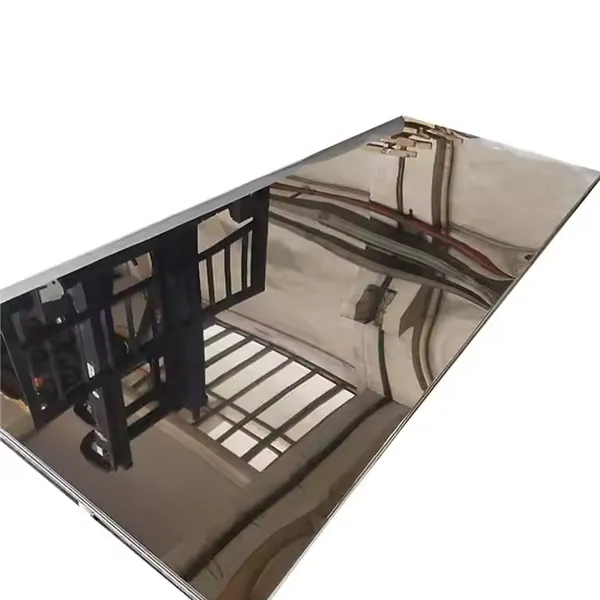
| BA (Bright Annealed) | Highly reflective | Decorative and hygienic surfaces |
| No. 4 | Brushed, uniform grain | Architectural and visible marine trim |
Primary Applications
The 3mm gauge occupies a useful middle ground — light enough to form and handle, substantial enough to carry meaningful load and resist wear. This makes 316L plate at this thickness a workhorse across several sectors.
In marine and offshore applications, it is used for boat and yacht hardware, railings, cleats, hull fittings, deck plates, and splash-zone brackets, where continuous salt exposure is a given. In chemical and process industries, it forms tank walls, ductwork, heat-exchanger components, and liners exposed to chlorides and mild acids. In food, beverage, and pharmaceutical production, its cleanability and resistance to sanitizing chemicals suit vessels, work surfaces, and hygienic enclosures. In coastal architecture, it appears as cladding, balustrades, canopies, and street furniture, where the surrounding salt air would corrode lesser grades. Desalination plants, swimming-pool structures, and wastewater facilities round out the picture, all sharing a common thread of chloride exposure.
316L Compared With Neighboring Grades
Selecting a grade is a balance of performance and cost. The comparison below places 316L against the two alloys buyers most often weigh it against.
| Attribute | 304 / 304L | 316L | 2205 Duplex |
|---|---|---|---|
| Molybdenum | None | 2–3% | ~3% |
| PREN (approx.) | 18–20 | 24–28 | 34–38 |
| Chloride resistance | Moderate | High | Very high |
| Yield strength | ~170 MPa | ~170 MPa | ~450 MPa |
| Relative cost | Lower | Moderate | Higher |
| Best fit | Indoor / mild | Marine / chemical | High-strength marine |
For most coastal and marine service, 316L represents the practical optimum: it provides the chloride resistance that 304 lacks, without the price premium and fabrication considerations of duplex grades. Duplex becomes worthwhile only when both high strength and extreme chloride resistance are required simultaneously, such as in structural offshore members exposed to warm seawater.
Fabrication and Welding Guidance
The plate cuts cleanly by laser, plasma, waterjet, and shear. Waterjet is often preferred for the highest edge quality because it introduces no heat, preserving corrosion performance right up to the cut line. For welding, TIG and MIG processes are standard, using matching 316L or 316LSi filler to keep the weld metal's carbon low and its molybdenum content intact. Because 316L resists sensitization, post-weld solution annealing is generally unnecessary for thin plate, though post-weld cleaning is essential: pickling and passivation must remove weld heat tint and embedded iron, since heat-tint zones and free iron contamination are the most common origins of premature corrosion in otherwise sound stainless assemblies.
A practical caution during handling and storage: never use carbon-steel tools, brushes, or work tables in contact with the plate. Iron particles transferred from these sources will rust on the stainless surface and can trigger localized pitting. Dedicated stainless tooling and clean handling protect the very corrosion resistance the grade was chosen for.
How to Specify When Ordering
To ensure the delivered material matches the intended application, a clear specification should state the grade and standard (316L to ASTM A240), the thickness (3mm) with the required tolerance, the plate dimensions, the surface finish, the edge condition (mill or cut), and the certification level (EN 10204 3.1 MTC as a minimum). Confirming these points up front avoids the two most frequent sourcing errors: receiving 316 rather than the low-carbon 316L, and receiving material without traceable documentation.
Wuxi Zhongxin Special Steel Co., Ltd. – One-Stop Global Special Steel Export Service Provider
Wuxi Zhongxin Special Steel Co., Ltd. – One-Stop Global Special Steel Export Service Provider
Wuxi Zhongxin Special Steel Co., Ltd. is located in Xishan District, Wuxi City, nestled in the core special steel distribution hub of the Yangtze River Delta. Benefiting from a complete steel industrial chain and convenient marine logistics with easy access to Shanghai and Ningbo ports, we are an integrated special steel foreign trade enterprise integrating direct mill procurement, spot inventory storage, precision metal processing, and global steel import & export. We hold full self-operated import and export qualifications, and provide one-stop supporting solutions of full-range steel products and non-ferrous metals for global industrial purchasers and overseas engineering projects.
With years of experience in steel export, we have established long-term strategic cooperation as authorized distributors with leading domestic steel manufacturers including TISCO, Baosteel, JISCO and Dongfang Special Steel. All goods are supplied directly from original factories with stable supply, and manufactured in strict compliance with international standards such as ASTM, ASME, EN, DIN, JIS and GB to meet customs clearance and engineering inspection requirements worldwide.
Full Range of Main Export Steel Products
1. Stainless Steel Series: Hot-rolled & cold-rolled stainless steel sheets, coils and strips in grades 304/316L/321/2205 duplex steel; BA bright seamless pipes, EP electrolytic polished seamless pipes, industrial welded pipes; stainless steel round bars, angle steels, flanges and pipe fittings. Custom surface finishes including 8K mirror polishing, wire drawing, matte finishing and embossing are available.
2. Carbon Steel & Seamless Pipe Series: ASTM A106 Gr.B seamless carbon steel pipes in SCH40/SCH80, API 5L oil & gas casings, hot/cold rolled carbon steel sheets & coils, medium plates, checkered plates, round bars, H-beams, channel steels and angle steels for construction engineering.
3. Electrical Silicon Steel Series: Grain-oriented & non-oriented silicon steel sheets and coils, ultra-thin silicon steel specially for transformers, suitable for export orders of motors, transformers and new energy electrical equipment.
4. Coated Anti-Corrosion Steel: Hot-dip galvanized sheets & coils, color coated steel and weathering steel, widely used in overseas factory buildings, photovoltaic power stations and steel structure infrastructure projects.
5. Special Alloys & Non-Ferrous Metals: Nickel-based alloys, copper and aluminum sheets, pipes and bars to satisfy supporting demands of high-end chemical and new energy industries.
Supporting Precision Export Processing Capacity
We own a 10,000-square-meter-level warehousing and processing center equipped with imported laser cutting machines, waterjet cutting equipment, high-precision slitting & leveling lines and CNC polishing production lines. We provide one-stop deep processing services including pipe beveling, plate cutting, bending and mirror polishing to fixed lengths. All delivered goods can be supplied with EN 10204 3.1 Material Test Certificates, SGS/BV third-party inspection reports, together with hydrostatic testing, non-destructive testing and full heat number traceability documents.
Core Advantages of Foreign Trade Export
1. Mass Spot Inventory: Thousands of tons of conventional specifications are kept in stock for quick order arrangement of standard 4m/6m/12m fixed-length pipes and various sheets & coils. Special steel grades and non-standard sizes can be scheduled directly from steel mills, supporting both small-batch inquiries and bulk supply for large engineering projects.
2. Mature Global Sales Network: Our professional multilingual foreign trade team exports products to over 40 countries covering the Middle East, Southeast Asia, Europe, Africa, South America and Australia, serving customers from petrochemical, pressure vessel, photovoltaic new energy, food & pharmaceutical, electric power, overseas infrastructure, engineering machinery and other sectors.
3. One-Stop Quotation under All Trade Terms: We offer complete quotations on FOB China port, CFR and CIF overseas destination port basis, supporting full container load and less-than-container load shipments. We can issue certificates of origin, inspection certificates and a full set of customs clearance documents, and track marine logistics throughout the whole process.
4. Standardized Seaworthy Export Packaging: Steel pipes are fitted with plastic end caps, bundled with steel straps and wrapped in waterproof films; steel sheets are covered with anti-rust films. Each bundle is clearly marked with specification, wall thickness, material grade, heat number and country of origin to realize anti-rust protection during long-distance ocean transportation.
5. Transparent & Comprehensive Commercial Services: Quotation validity period, payment terms, loading/unloading fees, inspection charges, bank commissions and other extra costs are fully listed without hidden charges. Our technical team provides 24-hour online support for material selection, standard interpretation and delivery schedule follow-up, along with long-term after-sales guarantee.
Upholding the business philosophy of Quality First, Sincerity for Win-Win, Global-Oriented Service, we strive to be your long-term trusted partner for special steel export with a complete product portfolio, stable original factory supply, professional processing supporting capacity and mature foreign trade delivery system.
Q1:Can I get a sample before placing a large order?
A:Absolutely. We offer free samples for existing stock items, but the shipping cost will be at your side. The sample fee will be fully deducted from your first bulk order.
Q2:Is there a minimum order quantity?
A:We are flexible. While our MOQ is typically 1 ton per size, we welcome trial orders as low as 200 kg for first-time cooperation. Mixed sizes in one container are also acceptable.
Q3:Do you offer cutting or machining services?
A:Yes. We provide precision cutting, slitting, edge milling, and drilling per your technical drawings. Tolerances can be controlled within ±0.05mm if required.
Q4:What quality documents do you supply?
A:We supply full traceability documents including EN 10204 3.1 certificates, heat analysis, and mechanical property reports. Independent lab test reports are also available upon request at extra cost.
Q5:How fast can you ship?
A:For standard items, we can dispatch within 5–10 days. For made-to-order products, production usually takes 15–25 days. Urgent orders can be expedited with prior notice.
Q6:What finishes do you support?
A:We offer a wide range of finishes: 2B, BA, No.4, mirror, pickled, sandblasted, powder-coated, and oiled. Just tell us your end-use, and we’ll recommend the best option.
Q7:What are your payment methods?
A:We accept T/T, L/C, D/P, and flexible terms like 30% deposit + 70% before shipment or against BL copy. For regular clients, we can also discuss credit terms.
Q8:How do you pack products for ocean freight?
A:All products are packed in sturdy wooden crates or steel-framed bundles with waterproof wrapping, edge protectors, and export-standard fumigation. Custom branding and labeling are also available.

Send Inquiry to This Supplier



You May Also Like
-
316L Stainless Steel Sheet Corrosion-Resistant Plate 2-20mm for Industry UseUS$ 2.85 - 4.2MOQ: 100 Kilograms
-
304 Stainless Steel Sheet Mirror Finish 0.5-6mm DIN ASTM Standard PlateUS$ 1.85 - 2.55MOQ: 100 Kilograms
-
High-Strength Stainless Steel Plate 310S 1-25mm for Heat-Resistant ApplicationsUS$ 5.75 - 7.15MOQ: 100 Kilograms
-
Stainless Steel Sheet 430 Cold Rolled 0.8-10mm GB/JIS Standard Metal PlateUS$ 1.85 - 3.95MOQ: 100 Kilograms
-
Precision Stainless Steel Sheet 316Ti 0.3-12mm Industrial Plate SuppliersUS$ 2.85 - 4.25MOQ: 100 Kilograms
-
304 Stainless Steel Sheet Brushed Finish 1-20mm Corrosion Resistant MaterialUS$ 1.85 - 2.45MOQ: 100 Kilograms
-
Stainless Steel Sheet 201/304/316 Stainless Plate Coil 0.5-12mm ThicknessUS$ 1.05 - 4.3MOQ: 100 Kilograms
-
SUS316 Stainless Steel Sheet Annealed Finish 2-25mm DIN JIS GB StandardsUS$ 2.9 - 4.35MOQ: 100 Kilograms
-
Stainless Steel Sheet 2205 Duplex Alloy 1-10mm Corrosion Resistant PlateUS$ 3.15 - 4.5MOQ: 100 Kilograms
-
304 Stainless Steel Sheet Polished Finish 0.8-12mm for Construction ProjectsUS$ 1.85 - 2.55MOQ: 100 Kilograms


