








 Contact Platform Support
 Help Center
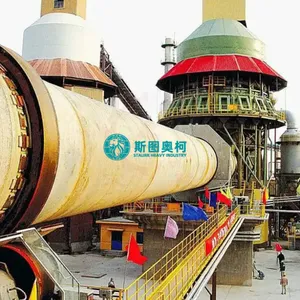
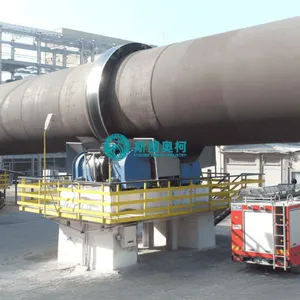
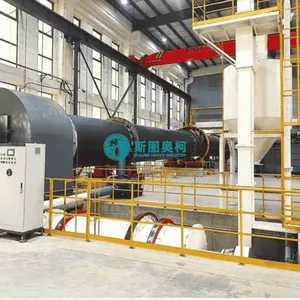
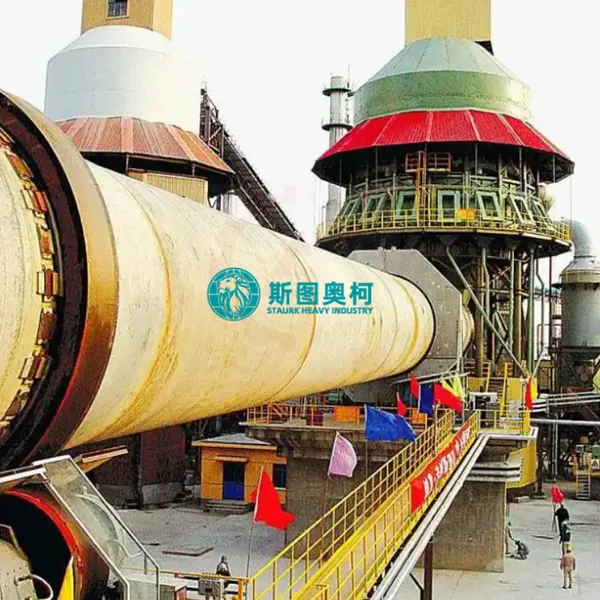
Rotary Kiln for Rare Earth Ore Roasting 100 Tpd


Related Products
-
 Rotary Kiln for Cement Clinker Production 2000 TpdNegotiableMOQ: 1 Set
 -
Rotary Kiln Installation Commissioning 800 TpdUS$ 2000 - 80000MOQ: 1 Ton
-
Rotary Kiln Equipment Customization 500 TpdUS$ 2000 - 80000MOQ: 1 Ton
-
Rotary Kiln Mining Project Solution 1000 TpdUS$ 2000 - 80000MOQ: 1 Ton
-
Rotary Kiln Global Mining EPC 800 TpdUS$ 2000 - 80000MOQ: 1 Ton
rotary kiln for rare earth ore roasting 100 tpd
1. Introduction
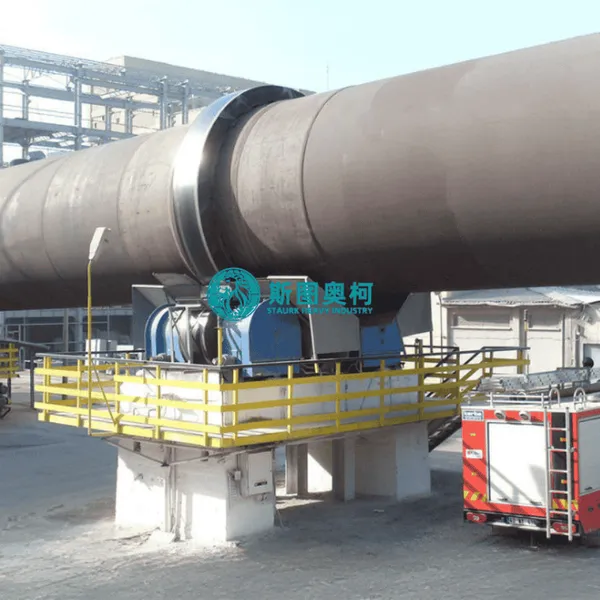
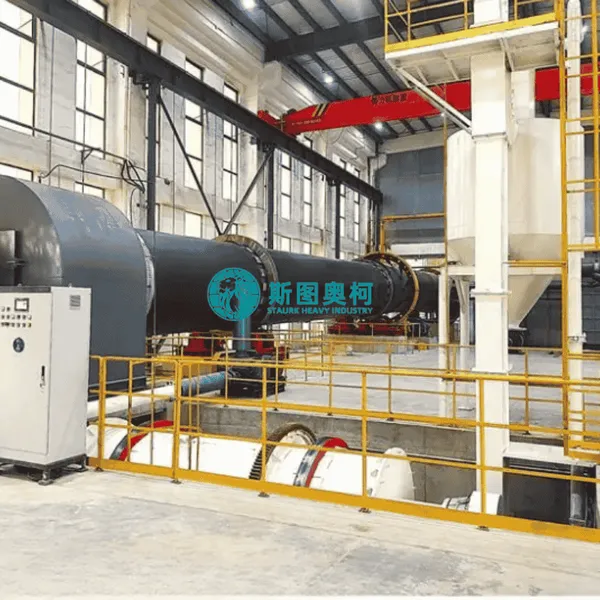
The 100 TPD (Tons Per Day) Rotary Kiln for Rare Earth Ore Roasting is a highly advanced, precision-engineered pyrometallurgical reactor. It plays a foundational role in the upstream cracking and processing of rare earth concentrates (such as bastnaesite, monazite, or xenotime) to prepare them for subsequent hydrometallurgical leaching and solvent extraction.
With a highly controlled 100 TPD capacity—perfectly optimized for the high-value, high-precision nature of rare earth refining—this rotary kiln subjected minerals to extreme thermal chemical cracking. It breaks down the tough fluorocarbonate or phosphate crystal lattices, transforming insoluble rare earth minerals into highly soluble sulfates or oxides, making it a critical asset for the global clean energy, electronics, and defense manufacturing supply chains.
2. Working Principle
The extraction of rare earth elements using a roasting rotary kiln typically follows the widely adopted concentrated sulfuric acid roasting process, operating as a continuous thermochemical operation:
Acidification and Feeding: High-grade rare earth ore concentrate powder is thoroughly mixed with concentrated sulfuric acid in a precise ratio to form a thick, reactive slurry. This acidic paste is continuously introduced into the kiln tail (the elevated feed end) via a heavy-duty, corrosion-resistant alloy screw conveyor.
Multi-Stage Thermal Roasting : As the inclined kiln cylinder rotates slowly, the mineral paste moves downward through strictly monitored thermal zones, typically heated indirectly or via a specialized clean gas burner:
Low-Temperature Drying: Moisture is driven off, and the initial chemical reaction begins, forming a dense mud.
High-Temperature Roasting : The chemical cracking reaction peaks. The concentrated acid destroys the mineral matrix, converting the rare earth elements into water-soluble rare earth sulfates, while impurities like thorium, iron, and aluminum are converted into specific oxides or basic sulfates. Simultaneously, toxic fluorine and phosphorus components are driven off into the gas phase as hydrofluoric acid and silicon tetrafluoride .
Gas Exhaust and Scrubbing: The volatile, corrosive gases generated during roasting are drawn out through the kiln tail under negative pressure and routed to high-efficiency absorption towers to recover fluorine and neutralize acid mists.
Soluble Clinker Discharge: The roasted, dry solid clinker continuously discharges from the kiln head through an airtight valve, moving directly to the water-leaching stage where the rare earth elements are easily dissolved into solution.
3. Advantages
Exceptional Cracking & Leaching Efficiency: The dynamic, continuous rolling action of the rotary kiln ensures perfect mass transfer and uniform contact between the sulfuric acid molecules and the rare earth mineral grains. This completely eliminates the raw-material nesting common in static furnaces, ensuring a rare earth cracking efficiency that regularly exceeds .
Precise Multi-Zone Temperature Regulation: Rare earth roasting requires an incredibly narrow thermal window. If the temperature is too low, the ore will not crack; if it is too high, the rare earth sulfates decompose back into insoluble oxides. The kiln features advanced PLC/DCS automation with multi-point thermocouple feedback to keep temperatures accurate to within .
Superior Acid and High-Heat Resistance: The combination of concentrated sulfuric acid and generated hydrofluoric gas at is incredibly destructive to standard metallurgy. The kiln shell is engineered from heavy structural steel and lined with specialty high-alumina, anti-permeability refractory brick arrays, or built entirely from exotic acid-resistant alloys in unlined sections to prevent structural decay.
Dynamic Internal Scraper Systems: Rare earth-acid pastes become highly sticky and plastic during the mid-stages of roasting, which can lead to severe ring formation (wall caking) inside the drum. The kiln is outfitted with internal heavy-duty alloy scraper devices or dynamic cascading weight bars that continuously clear the internal walls, maintaining optimal heat transfer.

Send Inquiry to This Supplier



You May Also Like
-
Rotary Kiln South America Mining Project 500 TpdUS$ 2000 - 80000MOQ: 1 Ton
-
Rotary Kiln for Cement Plant 1000 TpdNegotiableMOQ: 1 Set
-
Rotary Kiln Peru Copper Project 300 TpdUS$ 2000 - 80000MOQ: 1 Ton
-
Rotary Kiln for Cement Production Line 1500 TpdNegotiableMOQ: 1 Set
-
Rotary Kiln Chile Mining Plant 500 TpdUS$ 2000 - 80000MOQ: 1 Ton
-
Rotary Kiln Africa Mining Project 800 TpdUS$ 2000 - 80000MOQ: 1 Ton
-
Rotary Kiln International Mining Plant 1000 TpdUS$ 2000 - 80000MOQ: 1 Ton
-
Rotary Kiln for Clinker Burning System 2000 TpdNegotiableMOQ: 1 Set
-
Rotary Kiln for Cement Raw Meal Calcination 1500 TpdNegotiableMOQ: 1 Set
-
Rotary Kiln for Mini Cement Plant 300 TpdNegotiableMOQ: 1 Set


