








 Contact Platform Support
 Help Center
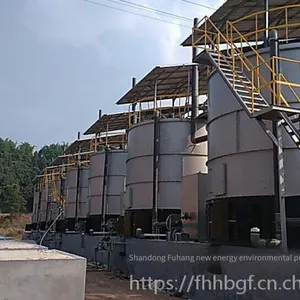
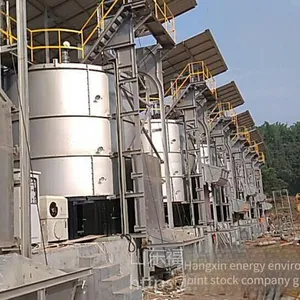
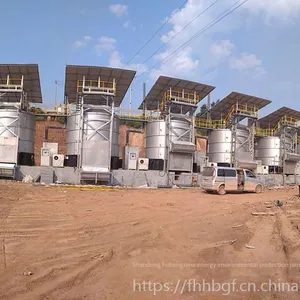
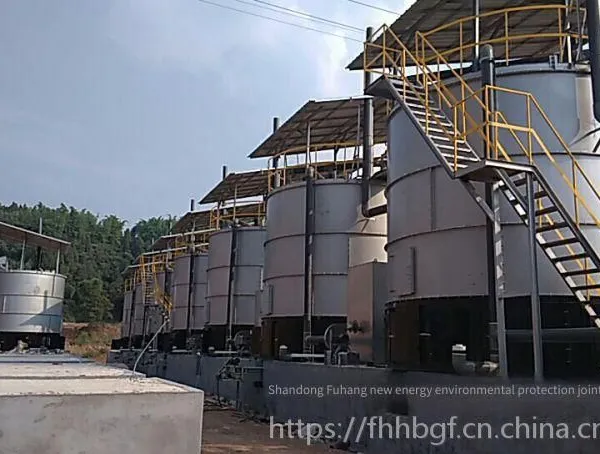
Sludge Fermentation Equipment - Resource Utilization Through Fermentation for Fertilizer Production



Related Products
-
 Sludge Treatment Equipment - Fuhang Brand Fw20 Drying-type Sludge Treatment EquipmentNegotiableMOQ: 0 Unit
 -
Sludge Treatment Equipment - Fuhang Environmental Protection Solar Sludge Drying EquipmentNegotiableMOQ: 0 Unit
-
New Energy Sludge Treatment Equipment Creates a New Blueprint for Sludge DryingNegotiableMOQ: 0 Unit
-
Livestock and Poultry Manure Fermenter - Tower-type Fermentation EquipmentNegotiableMOQ: 0 Unit
-
Fuhang Livestock and Poultry Manure Fermentation Tower F116saNegotiableMOQ: 0 Unit
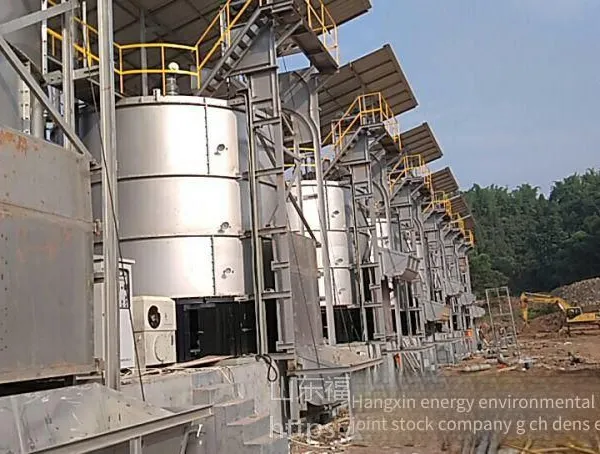
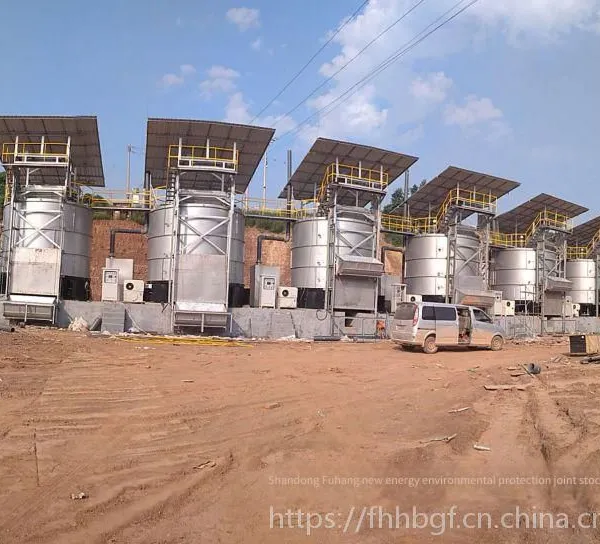
The intelligent high-temperature aerobic sludge treatment equipment is a high-efficiency sludge fermentation treatment equipment newly developed by Shandong Fuhang New Energy & Environmental Protection Co., Ltd. in 2013. The intelligent high-temperature aerobic fermentation equipment is a complete set of equipment specially designed to process organic waste such as livestock and poultry manure, kitchen waste, and domestic sludge. Through high-temperature aerobic fermentation, utilizing the activity of microorganisms, the organic matter in the waste is biologically decomposed and composted, ultimately converting the organic waste into organic fertilizer for soil improvement and landscaping, thus realizing the resource utilization of organic waste.
The working principle of the intelligent high-temperature aerobic sludge treatment equipment is to mix waste (livestock and poultry manure, kitchen waste, domestic sludge, etc.), biomass (straw, sawdust, etc.), and recycled materials in a certain proportion to make the moisture content reach the designed requirement of 60 - 65%, and then the mixture enters the three-dimensional aerobic system. By adjusting the moisture, oxygen content, and temperature of the raw materials, the materials undergo sufficient aerobic fermentation and decomposition. The heat released during the decomposition process can increase the temperature of the sludge itself, reaching up to 80°C. As the temperature rises, the moisture in the sludge evaporates, and part of the organic matter is decomposed, thus reducing the volume of the sludge pile and achieving the reduction treatment of sludge. The intelligent high-temperature aerobic sludge treatment equipment controls the temperature between 55 - 60°C through ventilation, oxygen supply, and stirring to reach the temperature for sludge fermentation treatment. At this temperature, a large number of pathogens and parasites in the sludge pile can be killed. At the same time, the deodorization system is used to remove the biological odor of the discharged gas, achieving the goal of harmless treatment of sludge. The product obtained after high-temperature aerobic fermentation of sludge can be used for soil improvement, landscaping, and landfill cover soil.
The technological process of intelligent high-temperature aerobic fermentation treatment includes three processes: material mixing, high-temperature aerobic fermentation, and automatic material collection.
(1) Material mixing part
In the material mixing part, organic waste such as sludge with a moisture content of 80% is fully mixed with recycled materials, conditioners, or high-temperature biological fermentation bacteria in a mixer in a certain proportion to meet the fermentation conditions. Organic waste such as livestock and poultry manure can be directly fermented.
The main purpose of material mixing is to meet the high-temperature aerobic fermentation conditions through mixing and to make the materials have good permeability.
(2) High-temperature aerobic fermentation part
This process can be divided into a rapid heating stage, a high-temperature stage, and a cooling stage. When the materials enter the fermentation chamber, they are rapidly decomposed within 1 - 2 days. The released heat causes the temperature of the materials to rise rapidly, usually reaching 50 - 65℃ and can reach up to 80℃. Oxygen is evenly supplied to the fermentation chamber through the air supply system to meet the oxygen demand during the fermentation process, enabling the materials to be fully fermented and decomposed. The high-temperature stage lasts for 5 - 7 days. When the decomposition speed slowly decreases, the temperature gradually drops. The entire fermentation process lasts for 9 - 10 days. The increase in temperature and ventilation and oxygenation accelerate the evaporation of moisture in the materials, thereby reducing the volume of the materials and achieving the goals of material reduction and stabilization treatment;
Maintaining the temperature in the fermentation chamber above 50℃ for 5 - 7 days can effectively kill insect eggs, pathogens, and weed seeds. It meets the requirements of the national "Standard for Harmless Treatment of Livestock and Poultry Manure" (GB7959 - 87) and achieves the goal of harmless treatment of sludge.
(3)Automatic material collection part
The sludge or other waste in the fermentation chamber falls layer by layer under the action of the main shaft mixing and gravity, and is discharged after fermentation. The fermented materials are sold as raw materials for organic fertilizers, realizing resource utilization.

Send Inquiry to This Supplier

You May Also Like
-
Solar Sludge Drying Equipment - Model Fw20 Sludge Treatment EquipmentNegotiableMOQ: 0 Unit
-
New Equipment for Municipal Sludge Treatment - Solar Sludge Drying EquipmentNegotiableMOQ: 0 Unit
-
Fuhang Solar Sludge Treatment Equipment, Model Fw30 Sludge Drying EquipmentNegotiableMOQ: 0 Unit
-
Tower-type Feces Fermentation Equipment: New Technology Leads the Direction of Feces TreatmentNegotiableMOQ: 0 Unit
-
90% New Used Chicken Manure Fermentation Tank, Chicken Manure Organic Fertilizer Production EquipmentNegotiableMOQ: 1 Combo
-
Livestock and Poultry Manure Fermentation Equipment,Livestock Farm Waste Fermentation TankUS$ 100000 - 150000MOQ: 1 Combo
-
Chicken Manure Air-drying Equipment--Chicken Manure Drying EquipmentUS$ 120000MOQ: 1 Combo
-
Chicken Manure Drying Equipment----Stacked Chicken Manure Air Drying EquipmentUS$ 90000MOQ: 1 Combo
-
Low-temperature Sludge Drying Equipment - Shandong Sludge Treatment Equipment ManufacturerNegotiableMOQ: 0
-
Shandong Fuhang Environmental Protection - Manure Treatment Equipment, Organic Fertilizer Fermentation Equipment, Fermentation TankNegotiableMOQ: 0 Set