








 Contact Platform Support
 Help Center
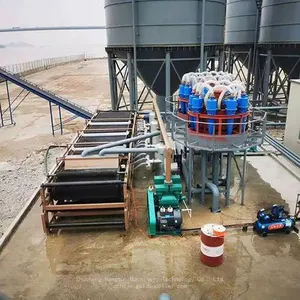
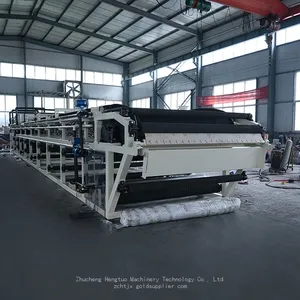
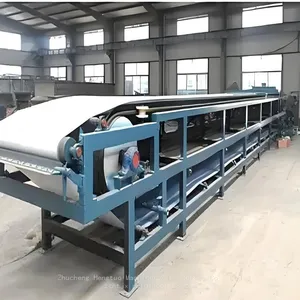
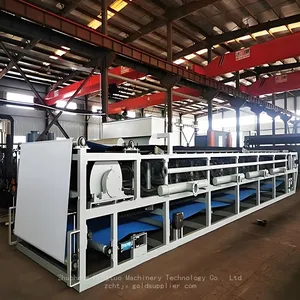
High-Efficiency Continuous Operation! Belt Vacuum Filter Boosts Production Efficiency by Over 50%
Product Spotlights


Related Products
-
 Fined for Exceeding Ammonia Limits at Your Hatchery? This A/O + MBR Combo Easily Gets You EPA/environmental CompliantUS$ 4080 - 5800MOQ: 1 Combo
 -
Say Goodbye to Foul Odors and Clogs! Customized Integrated Hatchery Wastewater Treatment Saves You Time and Money.NegotiableMOQ: 1 Combo
-
Direct From Weifang Manufacturer: Full Range of Package WWTPs With Customization Support—Factory Price, No Middlemen!NegotiableMOQ: 1 Combo
-
Consistently Meets Class 1A Standards! AO+MBR Integrated Equipment Delivers >90% Ammonia Nitrogen Removal.NegotiableMOQ: 1 Combo
-
Frozen French Fries Production LineUS$ 30000 - 80000MOQ: 1 Combo
1、Core Technical Principles & Operating Mechanisms
The core working principle of a vacuum filter relies on the negative pressure (pressure difference) generated by a vacuum pump as the driving force to accelerate the solid-liquid separation process. A complete filtration cycle typically consists of four continuous zones:
Cake Formation Zone:The filter medium contacts the slurry; vacuum suction draws away the liquid while solid particles accumulate on the surface to form a filter cake.
Dewatering Zone):As the drum or disc rotates, the filter cake leaves the liquid level and is further dewatered under continuous vacuum.
Washing Zone - Optional):Wash liquor is sprayed through nozzles to displace residual solutions or contaminants.
(Discharge Zone):The vacuum is released, and the dried filter cake is peeled off using scraper blades, reverse air blowing, or belt systems, followed by cleaning and regeneration.
2、 Mainstream Equipment Types & Application Areas
Based on their structures and media, mainstream vacuum filtration equipment can be categorized into three main types:
Disc/Ceramic Vacuum Filters:Composed of multiple fan-shaped sectors forming a disc, utilizing microporous ceramic or high-strength engineering plastic plates. These highly automated devices feature extremely low energy consumption (saving 80%-90% compared to traditional equipment) and require no expensive filter cloths. They are widely used in metal concentrate dewatering, FGD gypsum processing, and tailings dry stacking.
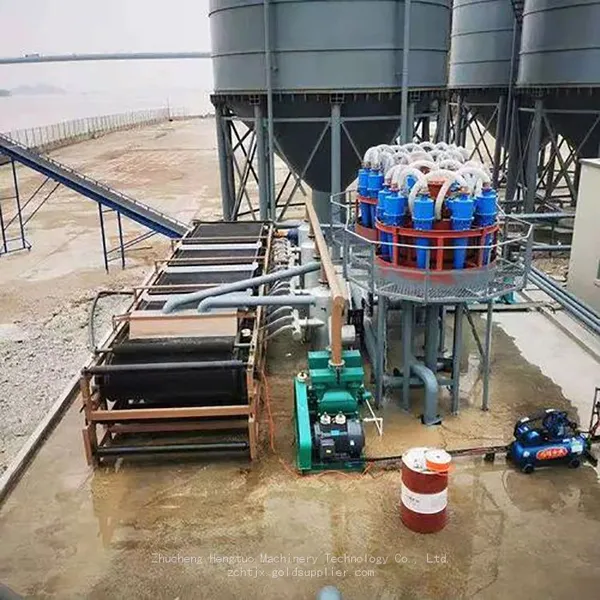
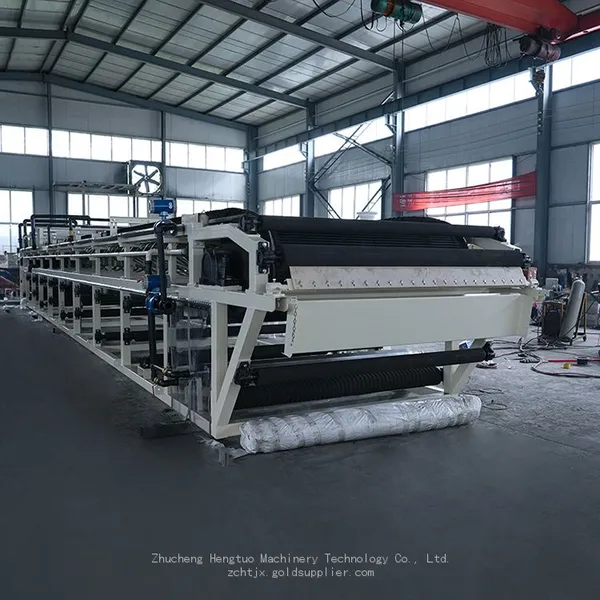
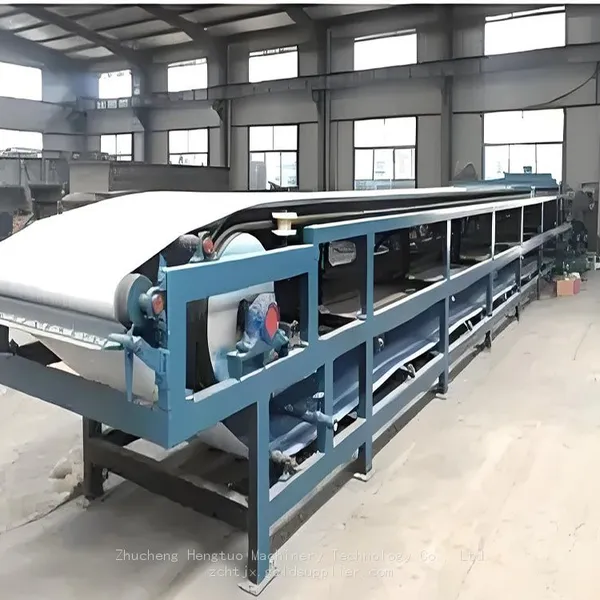
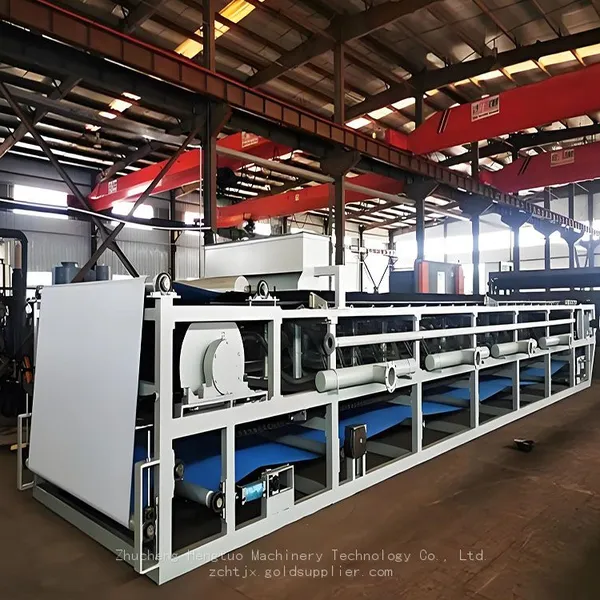
Belt Vacuum Filters:Using an endless filter belt as the medium and arranged horizontally, these filters fully utilize gravity and vacuum suction. They support multi-stage cross-current or counter-current washing, allowing separate collection of mother liquor and wash liquor. Ideal for hydrometallurgy, fertilizers, pharmaceutical fermentation broth filtration, and deep municipal sludge dewatering.
Rotary Drum Vacuum Filters):A hollow drum partially submerged in a sludge tank, suitable for fine particles that do not settle easily. Commonly used for primary and digested sludge treatment, featuring automatic liquid level control.
3、Key Parameters Affecting Efficiency & Optimization Strategies
In actual operation, filtration performance is affected by multiple factors. Mastering these parameters is key to boosting production capacity:
Material Properties:High content of fine particles or high-viscosity slurries reduces permeability. Adding flocculants to promote particle agglomeration or using hydrocyclones for pre-treatment can reduce filter cake resistance.
Vacuum Level Control:Higher vacuum levels result in thicker cakes with lower moisture content; however, excessive vacuum can cause filter cloth clogging/damage and increase power consumption. Modern equipment often employs segmented vacuum control to achieve balance.
Rotational Speed & Submersion Depth:Excessive speed leads to thin cakes with high moisture, while slow speeds reduce throughput. Deeper drum submersion increases yield but raises cake moisture. VFD (Variable Frequency Drive) speeds must be dynamically adjusted based on material characteristics.
Maintenance & Cleanin:Air permeability of filter cloths or ceramic plates is crucial. Using composite anti-clogging media, auto backwash systems, or ultrasonic combined chemical cleaning after prolonged operation effectively maintains stable permeability.

Send Inquiry to This Supplier


You May Also Like
-
Prefabricated Integrated Sewage Treatment Equipment Skid-mounted With PLC Control SystemUS$ 5500 - 6500MOQ: 1 Combo
-
Containerized MBR Wastewater Treatment Plant 100m³/d for Hotel and Residential SewageUS$ 4080 - 5800MOQ: 1 Combo
-
Integrated Domestic Sewage Treatment Plant for Village and Rural Area With A2O TechnologyUS$ 3000 - 4500MOQ: 1 Combo
-
Dissolved Air Flotation (DAF) System for Slaughterhouse Wastewater With High Oil and Grease RemovalUS$ 2010 - 3500MOQ: 1 Combo
-
High Efficiency DAF Unit for Textile Dyeing Wastewater With COD ReductionUS$ 2026 - 3500MOQ: 1 Combo
-
Skid-mounted Filter Press Sludge Dewatering System With PLC Automatic ControlUS$ 3024 - 4020MOQ: 1 Combo
-
Energy Saving Sludge Dewatering Press Save 30% Electricity Cost Automatic Control SystemUS$ 3024 - 4020MOQ: 1 Combo
-
Compact Volumetric Dewatering Press Non-clogging Sludge Treatment Machine With Low Operation CostUS$ 3024 - 4020MOQ: 1 Combo
-
Automatic Dissolved Air Flotation Machine Stainless Steel Low Energy Consumption for Municipal SewageUS$ 2010 - 3500MOQ: 1 Combo
-
Commercial Crinkle Wavy Ripple Potato Chip Slicer With Adjustable Thickness for Frozen French Fries Production LineUS$ 3980 - 4980MOQ: 1 Combo


