








 Contact Platform Support
 Help Center
Lug-Type vs Wafer-Type Butterfly Valve: Key Differences and Selection Guide
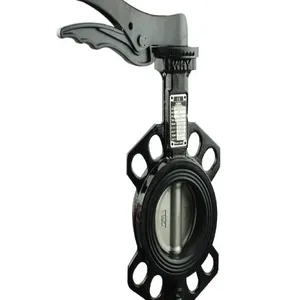
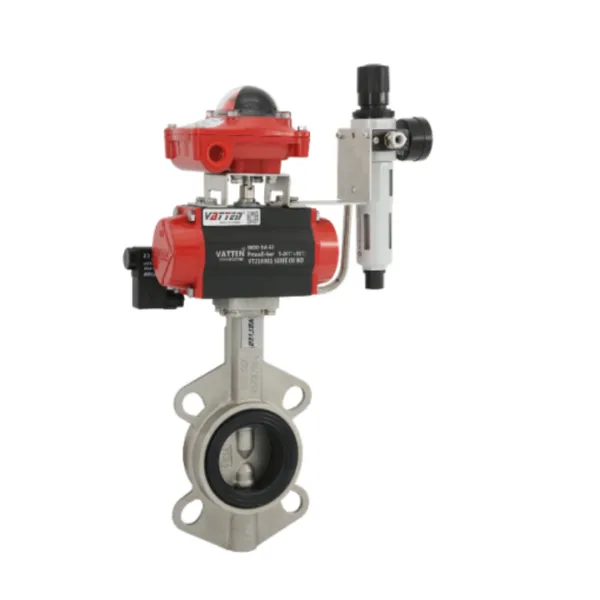
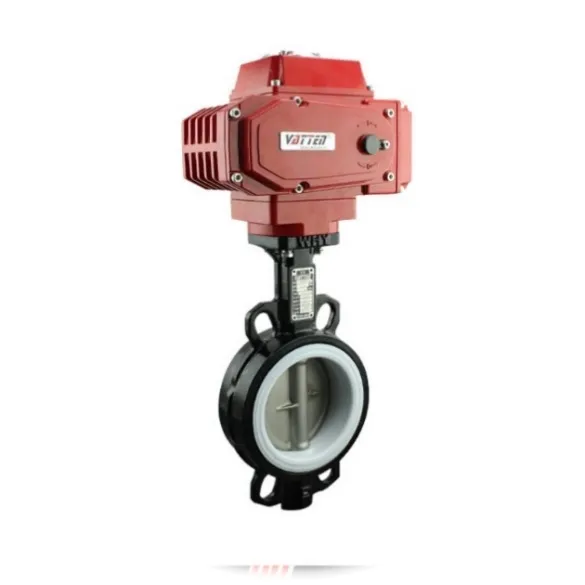
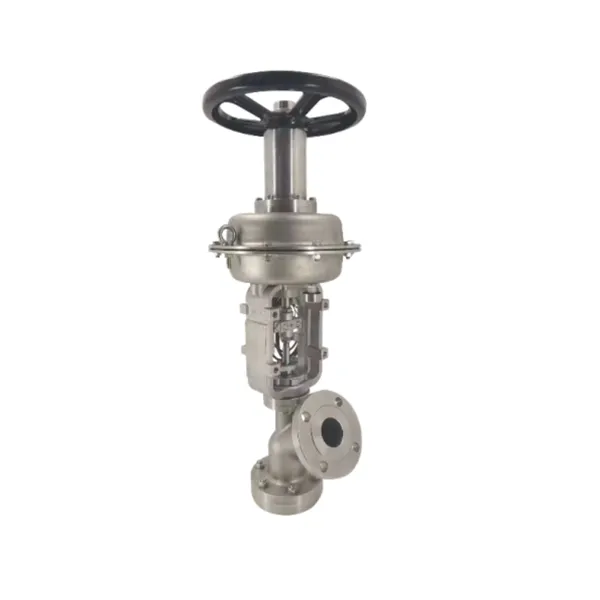
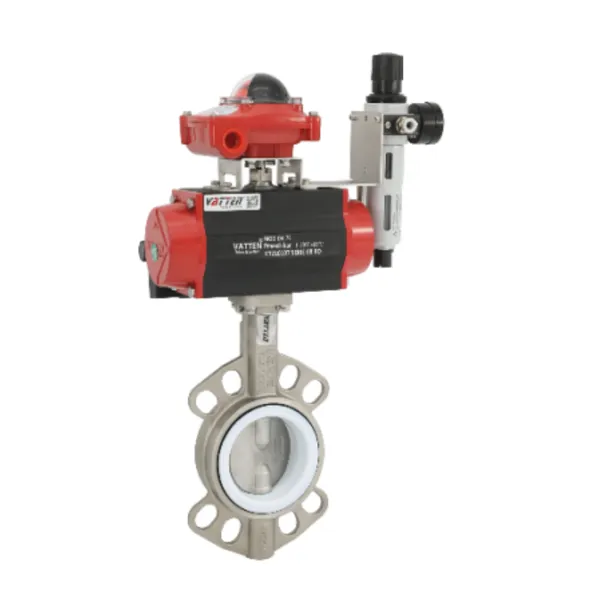
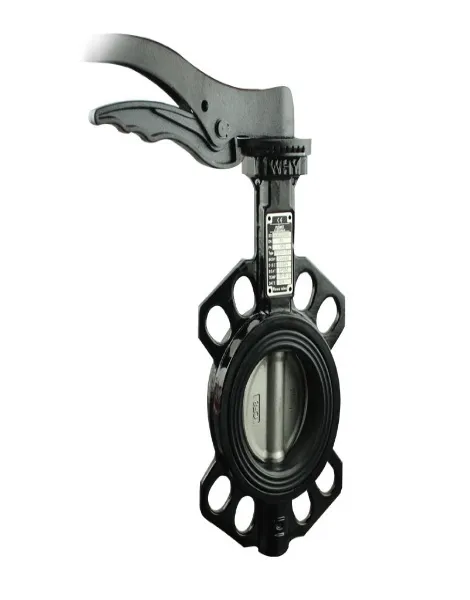
Product Spotlights



Related Products
-
 Pneumatic High Performance Butterfly Valve DN50-1200mm With RTFE Seat for Nitrogen GeneratorsNegotiableMOQ: 50 Pieces
 -
Double Offset Pneumatic Butterfly Valve for HVAC and Power Plant ApplicationsNegotiableMOQ: 50 Pieces
-
High-Performance Pneumatic Actuated Butterfly Valve for Chemical Processing PipelinesNegotiableMOQ: 50 Pieces
-
Stainless Steel Pneumatic Butterfly Valve for Food & Pharmaceutical IndustriesNegotiableMOQ: 50 Pieces
-
Double Eccentric Pneumatic Butterfly Valve 0.6-4.0MPa for Water Treatment PlantsNegotiableMOQ: 50 Pieces
Since 2015, Shanghai CAMP Environmental Protection Technology has been providing engineered valve solutions to clients across North America, South America, Europe, Asia, and Oceania. Our comprehensive comparison guide demystifies the selection between lug-type and wafer-type butterfly valves, helping engineers and procurement specialists make informed decisions for piping systems. This technical resource combines practical industry knowledge with specifications from leading manufacturers we represent.
Understanding the structural differences is crucial for proper valve selection:
- Lug-Style Design: Features threaded inserts (lugs) for bolt-on installation between flanges
- Wafer-Style Design: Uses through-bolts across the entire valve body
| Feature | Lug-Type | Wafer-Type |
|---|---|---|
| Installation | Supports end-of-line applications | Requires full flange pairs |
| Pipe Stress | Absorbs pipeline thrust | Relies on flange bolts |
| Weight | Heavier construction | Lighter profile |
| Cost | Higher material cost | More economical |
Technical specifications for both valve types:
- Temperature Range: -20°C to 120°C (standard elastomers)
- Flow Efficiency: Low pressure drop design
- Actuation Compatibility: ISO 5211 mounting pad
- Fire-Safe Option: Available with graphite seats
With distribution networks spanning Eastern Europe to Southeast Asia, we've supplied valve solutions to over 3,000 facilities worldwide. Our technical team provides application-specific recommendations to ensure optimal valve performance in water treatment plants, HVAC systems, and industrial processes. Request your customized selection checklist today to simplify procurement decisions.
FAQ Section
Q: Can wafer valves handle end-of-line service?
A: Wafer valves require continuous flange support. For dead-end applications, lug-style valves are recommended.
Q: Which offers better maintenance access?
A: Lug-type designs allow easier removal for maintenance without disturbing adjacent piping.
Q: Are both types compatible with automation?
A: Yes, both lug and wafer valves feature standardized mounting for pneumatic/electric actuators.
Q: How do pressure ratings compare?
A: Both typically offer 150 PSI ratings, though specific models may vary based on materials.
Q: Which is more suitable for high-vibration systems?
A: Lug-type construction provides superior vibration resistance due to its structural rigidity.
Q: Can I retrofit an existing system?
A: Our technicians can assess flange spacing and provide retrofit solutions with appropriate adapters.

Send Inquiry to This Supplier


You May Also Like
-
Wafer Butterfly Valve With Stainless Steel Body, EPDM Seal, and Compact Design for High-Pressure SystemsNegotiableMOQ: 1 Set
-
Industrial Pneumatic Butterfly Valve Compatible With Food, Chemical, and Petrochemical Pipeline ApplicationsNegotiableMOQ: 1 Set
-
Pneumatic Actuator-Ready Wafer Butterfly Valve Featuring Compact Design and Multiple Material Options for Gas and WaterNegotiableMOQ: 1 Set
-
Electric Wafer Butterfly Valve With Stainless Steel Disc & EPDM Seal for Industrial Fluid ControlNegotiableMOQ: 1 Set
-
Electric Actuator-Operated Wafer Butterfly Valve With Multi-Voltage OptionsNegotiableMOQ: 1 Set
-
Zero Leakage Full Fluorine-Lined Butterfly Valve Featuring Superior Corrosion Resistance and Long Service LifeNegotiableMOQ: 1 Set
-
Pneumatic or Electric Actuator Compatible Full Fluorine-Lined Butterfly Valve With On/Off and Smart Regulating OptionsNegotiableMOQ: 1 Set
-
Pneumatic or Electric Actuator Compatible Full Fluorine-Lined Butterfly Valve With On/Off and Smart Regulating OptionsNegotiableMOQ: 1 Set
-
Adjustable and Shut-off Pneumatic High Performance Butterfly Valve With Low Torque Design for Gas and Liquid MediaNegotiableMOQ: 1 Set
-
Industrial Grade Pneumatic Butterfly Valve With Pressure Ratings up to 4.0MPa and Temperature Range -60°C to 450°CNegotiableMOQ: 1 Set


