








 Contact Platform Support
 Help Center
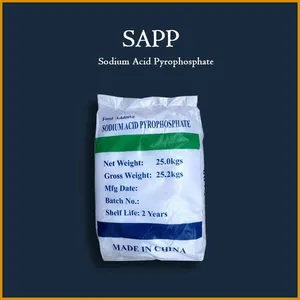
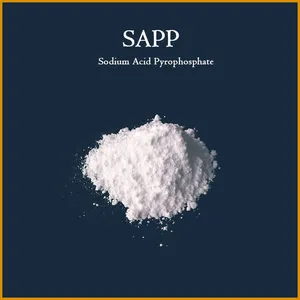
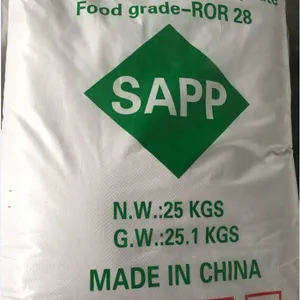
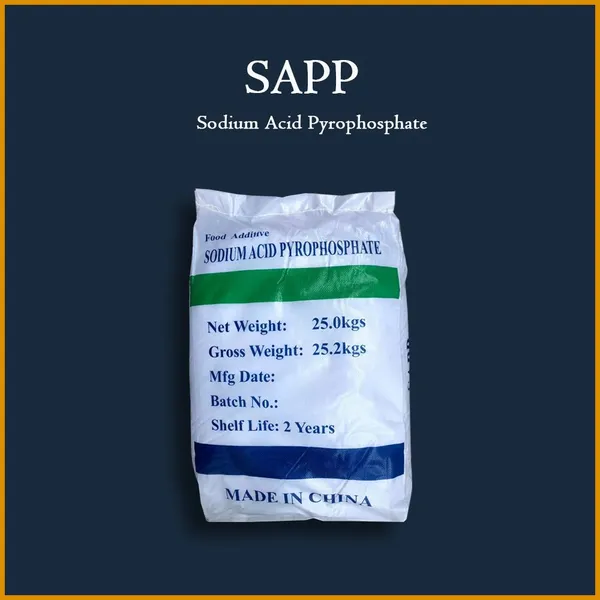
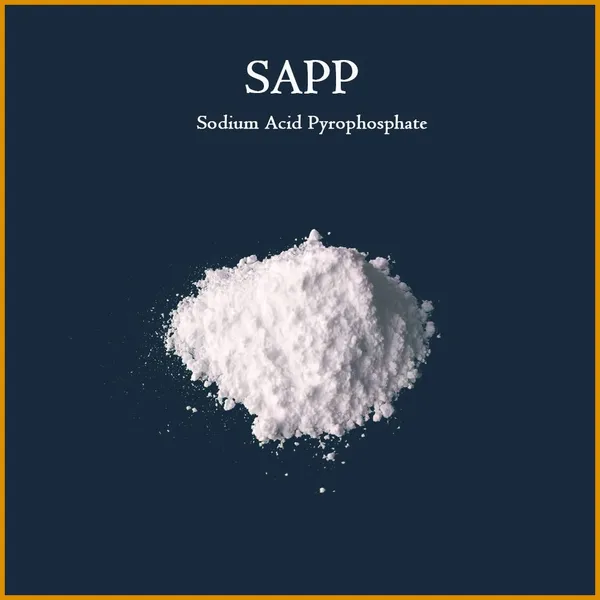
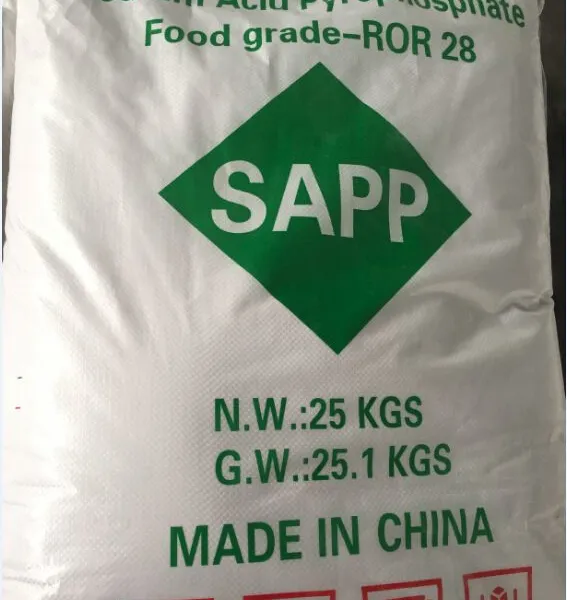
E450(i)-SAPP-SODIUM ACID PYROPHOSPHATE
Product Spotlights


Related Products
-
 E339(i)-MSP-Mono Sodium PhosphateUS$ 1.85MOQ: 1000 Kilograms
 -
Dihydrate-Dodecahydrate-Anhydrous-Di Sodium Phosphate-E339(ii)US$ 1.85MOQ: 1000 Kilograms
-
E339(iii)-TRI SODIUM PHOSPHATE-Dodecahydrate-AnhydrousUS$ 1.85MOQ: 1000 Kilograms
-
MGSO4-Magnesium Sulfate Heptahydrate-feed GradeUS$ 0.7MOQ: 26000 Kilograms
-
SLES 70%-SODIUM LAURYL ETHER SULFATE-INDUSTRY APPLICATIONUS$ 2.5MOQ: 20000 Kilograms
SODIUM ACID PYROPHOSPHATE (SAPP) and the previously mentioned monosodium phosphate are two different substances. Its core characteristic is acidity (1% aqueous solution pH approximately 4.0–4.5), and it can slowly release gas and chelate metal ions when heated or in contact with water, which makes its applications very specific.
Food Industry: leavening agent, moisture retention agent, quality improver
Baked Goods: As the acidic component of a synthetic leavening agent, it reacts with sodium bicarbonate to produce carbon dioxide. Its reaction rate is relatively slow, allowing prolonged gas release, which is especially suitable for low-moisture foods such as bread, biscuits, and frying powders, making the texture light and soft.
Meat Products: Used as an effective moisture retention agent, often combined with alkaline phosphates to improve water retention and tenderness in processed meats such as lunch meat and ham.
Seafood Processing: Utilizes its metal ion chelating properties to inhibit crystal formation, used in seafood and frozen products to maintain color and quality.
Others: It can also be used for peeling fruits and vegetables and preventing discoloration in products such as potatoes.
Industrial Fields
Chelating agent, pH regulator, detergents: As an additive to chelate calcium and magnesium ions in water, soften water quality, and improve detergent cleaning efficiency.
Water Treatment: Used as a water treatment agent to control metal ions and prevent equipment scaling.
Electroplating: Serves as a stabilizer in electroplating solutions.
Other Fields: Nutritional fortifier, laboratory reagent
Feed Industry: Used as a nutritional fortifier, providing phosphorus and enhancing the bioavailability of feed through chelation.
Laboratory Research: Used as a reagent in biochemistry or as a stabilizer in enzyme and protein research.
Note: As a food additive, the use of disodium dihydrogen diphosphate is strictly regulated by national standards (e.g., GB 2760). For example, the maximum usage in bread and biscuits is generally 3.0 g/kg, and in frying powders, 5.0 g/kg. The acceptable daily intake is 0–70 mg/kg body weight (calculated as phosphorus).

Send Inquiry to This Supplier


You May Also Like
-
Sodium Trimetaphosphate Manufactuer/STMP/For VC Phosphate /for Gypsum Board ProductionUS$ 1245 - 1260MOQ: 25 Tons
-
Sodium Hexametaphosphate Manufactuer /SHMP/food AdditiveUS$ 880 - 890MOQ: 25 Tons
-
E451(I)-STPP-SODIUM TRIPOLYPHOSPHATE-FOOD GRADEUS$ 1.85MOQ: 1000 Kilograms
-
E450(iii)-TSPP-TETRA SODIUM PYROPHOSPHATE-FOOD GRADEUS$ 1.85MOQ: 1000 Kilograms
-
MCP-FEED GRADE-MONO CALCIUM PHOSPHATEUS$ 1.2MOQ: 20000 Kilograms
-
MDCP-Mono-Di Calcium Phosphate-feed GradeUS$ 1.2MOQ: 26000 Kilograms
-
DCP-Di Calcium Phosphate-feed GradeUS$ 0.9MOQ: 26000 Kilograms
-
TCP-TRI CALCIUM PHOSPHATEUS$ 0.7MOQ: 26000 Kilograms
-
MAP 12-61-00-Mono Ammonium Phosphate Food-inustry-reagent GradeUS$ 1.2MOQ: 20000 Kilograms
-
DAP-21-53-00-Di Ammonium Phosphate for Wine Making FermentationUS$ 1.2MOQ: 26000 Kilograms


