








 Contact Platform Support
 Help Center
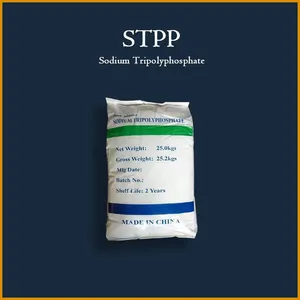
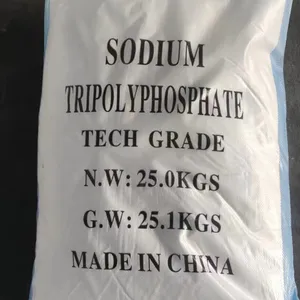
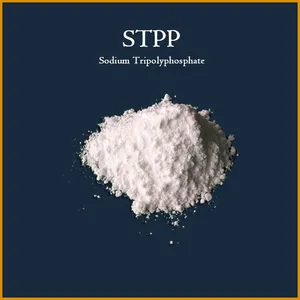
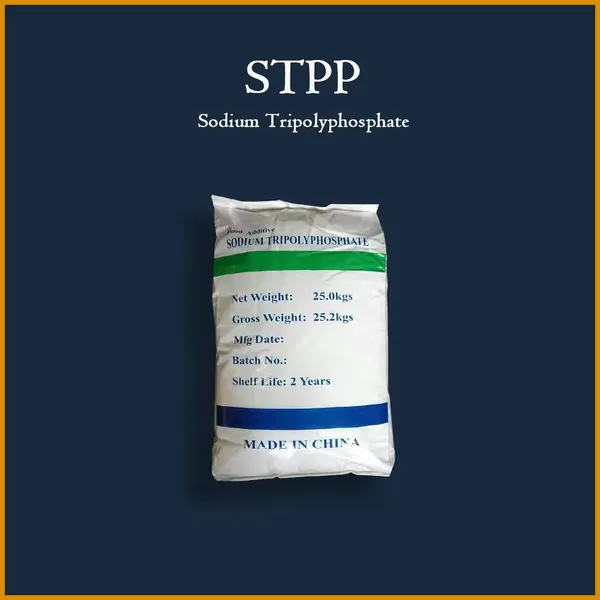
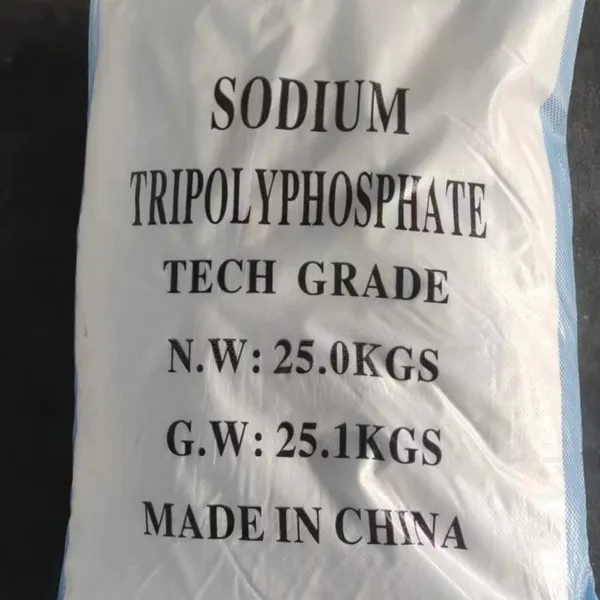
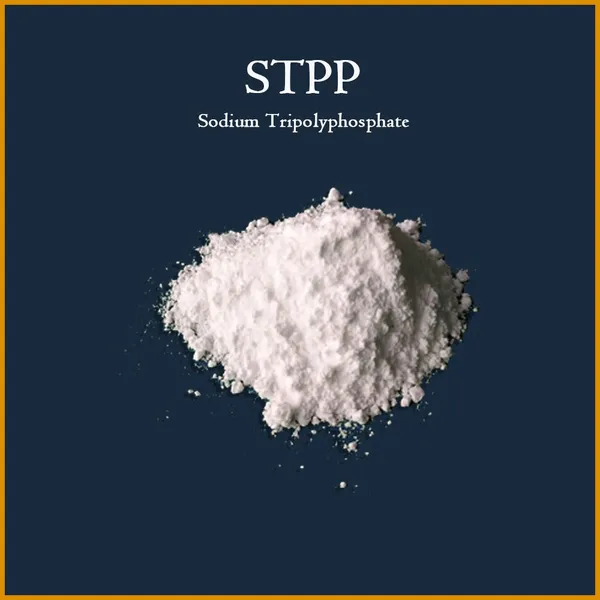
E451(I)-STPP-SODIUM TRIPOLYPHOSPHATE-FOOD GRADE
Product Spotlights


Related Products
-
 E450(i)-SAPP-SODIUM ACID PYROPHOSPHATEUS$ 1.85MOQ: 1000 Kilograms
 -
E339(i)-MSP-Mono Sodium PhosphateUS$ 1.85MOQ: 1000 Kilograms
-
Dihydrate-Dodecahydrate-Anhydrous-Di Sodium Phosphate-E339(ii)US$ 1.85MOQ: 1000 Kilograms
-
E339(iii)-TRI SODIUM PHOSPHATE-Dodecahydrate-AnhydrousUS$ 1.85MOQ: 1000 Kilograms
-
MGSO4-Magnesium Sulfate Heptahydrate-feed GradeUS$ 0.7MOQ: 26000 Kilograms
Sodium tripolyphosphate (STPP) is a very widely used phosphate whose core functions are to chelate metal ions, disperse, emulsify and buffer pH. It plays an important role in both industry and food, but different uses have different purity requirements for products, mainly divided into two categories: industrial grade and food grade.
Applications:
Washing and daily chemicals: washing aids, water softeners, anti-caking agents, which are the core and largest application areas of sodium tripolyphosphate. It can chelate calcium and magnesium ions in water, soften hard water, and improve the decontamination effect of detergents. At the same time, it emulsifies, disperses dirt, and prevents detergent powder from absorbing moisture and clumping, keeping it dry and smooth. Most detergents can contain up to 10-50%.
Food processing: quality improvers, moisture retention agents, softeners, food-grade products play an important role in this field. When used in meat products (such as ham and canned food), it can improve water holding capacity, make the meat tender and smooth slices; When used in canned vegetables such as broad beans, it can soften the bean skin and improve the taste; In addition, it is also widely used in dairy products, fruit drinks, ice cream, etc., to play a stabilizing and emulsifying role.
Industrial additives: dispersants, suspension agents, oil stain repellents, corrosion inhibitors. Using its dispersibility, it is used as an additive in ceramic production, preventing pigment precipitation in paints and coatings, and controlling viscosity as a dispersant in drilling mud. It is also used in industrial water treatment to prevent scaling, in the paper industry to prevent oil stains, as well as as in pre-tanning for tanning and dyeing aids for textiles.
Key characteristics: chelation and dispersion
Sodium tripolyphosphate significantly chelates metal ions such as calcium, magnesium, and iron, converting them into soluble stable complexes that soften hard water or prevent adverse effects from metal ions. At the same time, as an inorganic surfactant, it has a strong emulsifying and dispersing effect on oil and solid particles, which can prevent the re-deposition of dirt.
Standard amount for food additives
As a food additive, its use must strictly comply with the GB 2760 standard. The maximum amount used in different foods varies, usually in terms of phosphate, e.g. 5.0 g/kg in dairy products, meat products, ice cream, up to 15.0 g/kg in baked foods, and 20.0 g/kg in some cases for compound seasonings. When using compound phosphate, the total amount must also meet the corresponding standards.

Send Inquiry to This Supplier


You May Also Like
-
SLES 70%-SODIUM LAURYL ETHER SULFATE-INDUSTRY APPLICATIONUS$ 2.5MOQ: 20000 Kilograms
-
Sodium Trimetaphosphate Manufactuer/STMP/For VC Phosphate /for Gypsum Board ProductionUS$ 1245 - 1260MOQ: 25 Tons
-
Sodium Hexametaphosphate Manufactuer /SHMP/food AdditiveUS$ 880 - 890MOQ: 25 Tons
-
E450(iii)-TSPP-TETRA SODIUM PYROPHOSPHATE-FOOD GRADEUS$ 1.85MOQ: 1000 Kilograms
-
MCP-FEED GRADE-MONO CALCIUM PHOSPHATEUS$ 1.2MOQ: 20000 Kilograms
-
MDCP-Mono-Di Calcium Phosphate-feed GradeUS$ 1.2MOQ: 26000 Kilograms
-
DCP-Di Calcium Phosphate-feed GradeUS$ 0.9MOQ: 26000 Kilograms
-
TCP-TRI CALCIUM PHOSPHATEUS$ 0.7MOQ: 26000 Kilograms
-
MAP 12-61-00-Mono Ammonium Phosphate Food-inustry-reagent GradeUS$ 1.2MOQ: 20000 Kilograms
-
DAP-21-53-00-Di Ammonium Phosphate for Wine Making FermentationUS$ 1.2MOQ: 26000 Kilograms


