








 Contact Platform Support
 Help Center
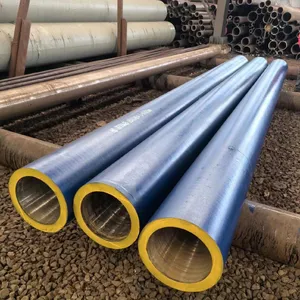
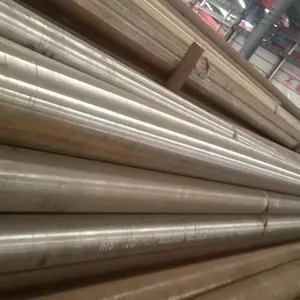
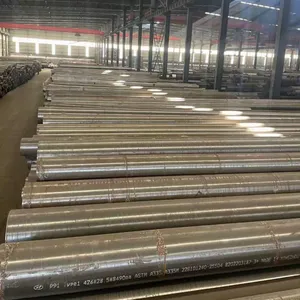
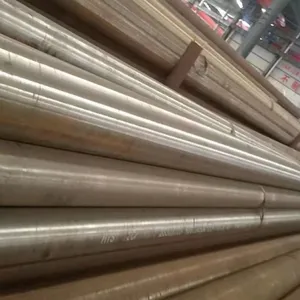
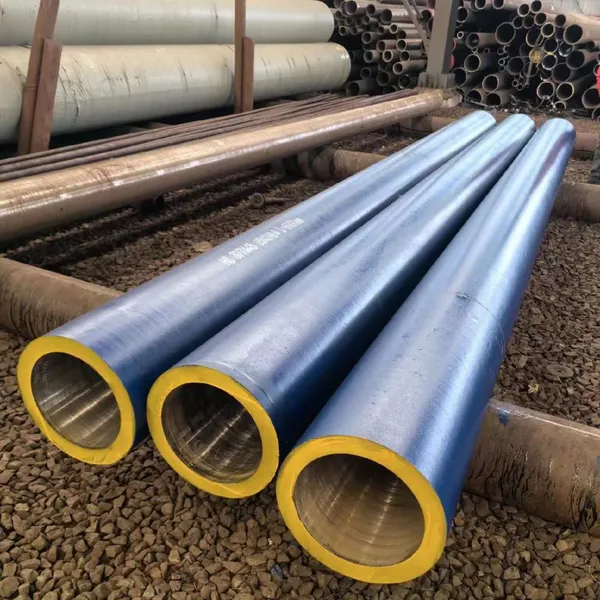
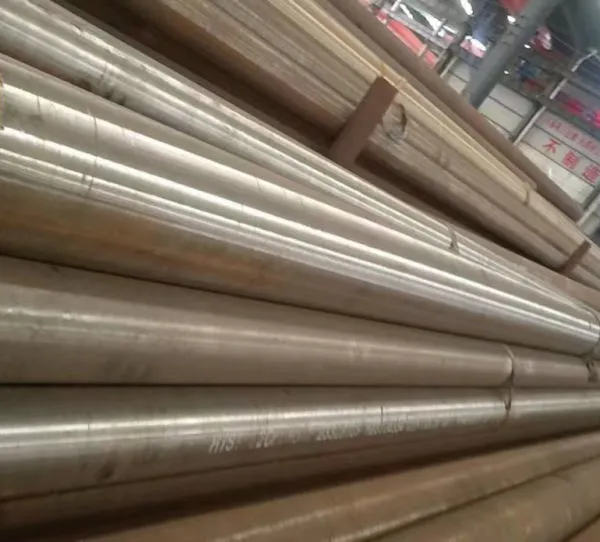
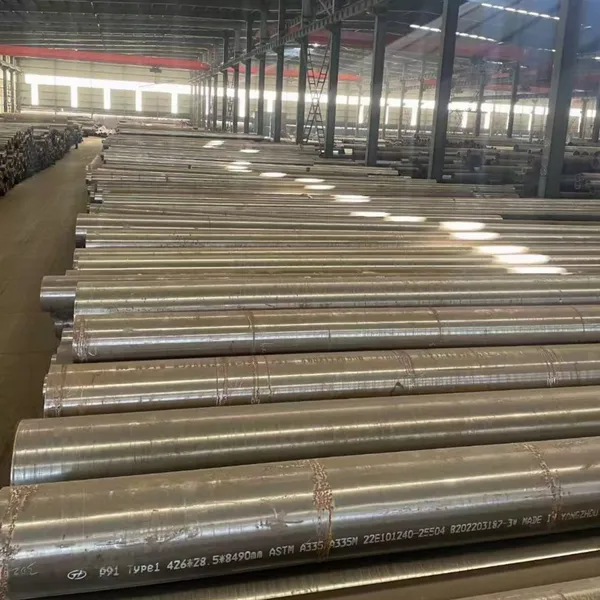
Steel Pipe & Tube & Alloy Steel Pipe,12Cr1MoV、15CrMo、1Cr5Mo、42CrMo、10CrMo910、20CrMnTi、35CrMo、Cr5Mo、12Cr2Mo1


Related Products
-
 Steel H Beam & Load-Bearing H Beam,Q235B、Q355B、 Q420B、Q235C/DNegotiableMOQ: 5 Metric Tons
 -
Steel Angle & Steel Structure Angle Steel,GB/T 706-2016、GB/T 700-2006、GB/T 1591-2018NegotiableMOQ: 5 Metric Tons
-
Flat Steel & Steel Structure Flat Steel,Q195、Q235、Q345、45#、40Cr、65Mn、20CrMnTiNegotiableMOQ: 5 Metric Tons
-
Steel Wire & Round Steel Wire,Q195、Q235、10#、20#、35#、45#、65#、70#、80#、T8A、T10ANegotiableMOQ: 5 Metric Tons
-
Steel Rebar & Ribbed Steel Bar,12、14、16、18、20、22、25、28、32NegotiableMOQ: 5 Metric Tons
I. Product Definition
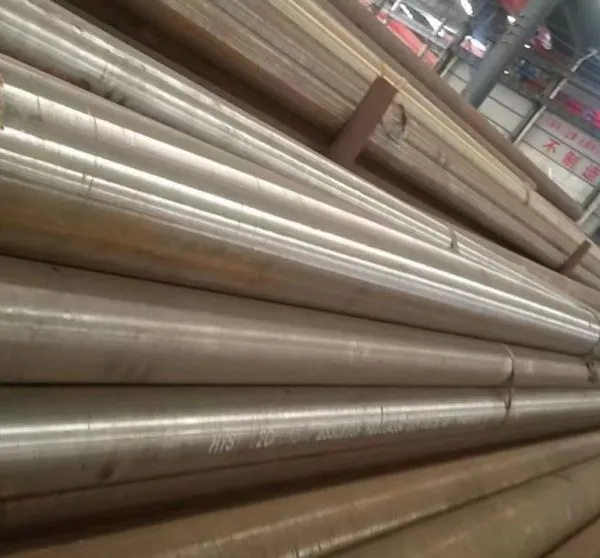
Alloy steel pipes are seamless steel pipes made from high-quality low-carbon steel and medium-carbon steel as the base material, with one or more alloying elements such as chromium (Cr), molybdenum (Mo), nickel (Ni), vanadium (V), manganese (Mn), and titanium (Ti) accurately added according to the requirements of the application scenario, processed by professional hot rolling, cold rolling or cold drawing processes. The total content of alloying elements usually exceeds 5%, and the alloying element content of some high-end materials can reach more than 20%. With excellent comprehensive performance, different from ordinary carbon steel pipes, they have become indispensable core conveying and structural pipes in high-end industrial fields and extreme working conditions, and are widely used in various scenarios with strict requirements on pipe strength, temperature resistance and corrosion resistance.
II. Material and Chemical Composition
(I) Common Material Grades
According to different implementation standards, the material grades of alloy steel pipes are divided into national standard, American standard, European standard, etc., which are suitable for the use needs of different countries and industries. The common grades are as follows:
National Standard (GB): 12Cr1MoV, 15CrMo, 1Cr5Mo, 42CrMo, 10CrMo910, 20CrMnTi, 35CrMo, Cr5Mo, 12Cr2Mo1, etc., covering multiple segmented scenarios such as structural use, high-pressure boiler use, and petroleum cracking use.
American Standard (ASTM/API): ASTM A335 P11, P22, P91, P92 (for high temperature and high pressure), API 5L X42-X80 (for pipelines), ASTM A333 Grade 6, Grade 3 (for low temperature), ASTM A213 T91, T22 (for boilers), etc., widely used in international projects, oil and gas and other fields.
Other Standards: European Standard EN 10216-2, Japanese Standard JIS G3458, etc., which can be customized and produced according to customers' export needs or project-specified standards.
(II) Functions of Core Alloying Elements
The addition of alloying elements is the core determining the performance of alloy steel pipes. The proportion of different elements can specifically optimize the strength, toughness, temperature resistance, corrosion resistance and other properties of the pipes. The specific functions are shown in the following table:
Alloying Elements |
Core Functions |
Supplementary Application Scenarios |
Chromium (Cr) |
Improve the oxidation resistance and corrosion resistance of the pipe. A dense chromium oxide protective film can be formed in high temperature environments above 600℃ to prevent oxidative failure of the pipe; at the same time, it enhances the hardenability of the pipe and improves the overall strength. |
High-temperature boilers, chemical corrosion medium conveying scenarios |
Molybdenum (Mo) |
It plays a role of solid solution strengthening, significantly improves the high-temperature strength and creep performance of the pipe, inhibits temper brittleness, improves the stability of the pipe under high temperature and high pressure, and extends the service life. |
High-pressure steam pipelines, petroleum cracking equipment |
Vanadium (V) |
Refine the grain structure of the pipe, reduce grain defects, enhance the toughness and high-temperature stability of the pipe, and at the same time improve the wear resistance and fatigue resistance of the pipe. |
Construction machinery, precision machinery pipelines |
Nickel (Ni) |
Significantly improve the low-temperature toughness of the pipe, enabling the pipe to maintain stable performance in low-temperature environments from -40℃ to -196℃, and at the same time enhance the resistance to acid-base and chloride ion corrosion. |
Low-temperature refrigeration, marine engineering, acid-base medium conveying |
Manganese (Mn) |
Improve the strength and hardness of the pipe, improve the plasticity and toughness of the steel, promote the rolling and processing performance of the steel, and reduce the production cost. |
General structural use, mechanical processing pipes |
(III) Typical Material Composition (Taking 42CrMo as an Example)
42CrMo is one of the most widely used alloy steel pipe materials, which has high strength, high toughness and good processing performance, and is often used in mechanical manufacturing, high-pressure hydraulic and other scenarios. Its specific chemical composition (implementing GB/T 3077-2015 standard) is as follows:
Carbon (C): 0.38%-0.45%, which determines the basic strength and hardness of the pipe; excessive content is likely to increase the brittleness of the pipe.
Chromium (Cr): 0.90%-1.20%, improves corrosion resistance and oxidation resistance, and enhances hardenability.
Molybdenum (Mo): 0.15%-0.25%, strengthens high-temperature strength, inhibits temper brittleness, and improves toughness.
Silicon (Si): 0.17%-0.37%, plays a deoxidation role, and improves the oxidation resistance and strength of the pipe.
Manganese (Mn): 0.50%-0.80%, improves the plasticity and processing performance of the pipe, and assists in improving strength.
Phosphorus (P): ≤0.035% (impurity), the content must be strictly controlled, otherwise it will reduce the toughness of the pipe and cause cold brittleness.
Sulfur (S): ≤0.035% (impurity), excessive content will affect the welding performance and toughness of the pipe.
III. Manufacturing Process
According to the product specifications, precision requirements and application scenarios, the manufacturing process of alloy steel pipes is mainly divided into two types: hot rolling (extrusion) and cold drawing (rolling), combined with professional heat treatment processes to ensure that the pipe performance meets the standards. The specific processes and characteristics are as follows:
(I) Hot Rolling (Extrusion) Process
Hot rolling (extrusion) process is the mainstream production process of alloy steel pipes, suitable for the production of medium and large diameter, thick-walled pipes, with high production efficiency and reasonable cost. The specific process and characteristics are as follows:
Core Process: Billet inspection → Heating (temperature controlled at 1100-1250℃) → Piercing (using a skew rolling piercing machine to ensure uniform billet forming) → Rolling/Extrusion (adjusting rolling force according to the diameter to ensure uniform wall thickness) → Sizing (accurately controlling the outer diameter size) → Cooling (natural cooling or forced cooling to avoid coarse grains) → Straightening (using a professional straightening machine to correct pipe bending deformation) → Heat treatment (annealing, normalizing, etc.) → Finishing (grinding the surface, removing burrs) → Quality inspection → Packaging.
Process Characteristics: High production efficiency, capable of mass production of medium and large diameter (outer diameter ≥114mm) and thick-walled (wall thickness ≥6mm) pipes; the pipe has good toughness and stable mechanical properties, suitable for high-pressure and heavy-load working conditions; the outer diameter tolerance is controlled at ±0.8mm, and the wall thickness tolerance is ±10%, meeting the needs of conventional industrial scenarios; there is slight oxide scale on the surface, which can be optimized by subsequent derusting treatment.
(II) Cold Drawing (Rolling) Process
Cold drawing (rolling) process is mainly used for the production of small-diameter, thin-walled, high-precision alloy steel pipes, suitable for scenarios with strict requirements on dimensional accuracy and surface finish. The specific process and characteristics are as follows:
Core Process: Billet inspection → Piercing → Annealing (eliminating internal stress of the billet, reducing hardness, facilitating cold drawing) → Pickling (removing surface oxide scale and impurities to prevent scratching the pipe during cold drawing) → Oiling (applying special lubricating oil to reduce friction during cold drawing) → Multi-pass cold drawing (gradually reducing the pipe diameter and wall thickness to improve precision) → Heat treatment (quenching and tempering to optimize the grain structure) → Finishing (precision grinding the surface, calibrating the size) → Quality inspection → Packaging.
Process Characteristics: High dimensional accuracy, the outer diameter tolerance can be controlled at ±0.1mm, and the wall thickness tolerance is ±5%, meeting the needs of high-end scenarios such as precision machinery and aerospace; good surface finish, which can reach high surface quality without additional grinding; the pipe has high strength and uniform size, but the production efficiency is lower than that of the hot rolling process, and the cost is relatively high, suitable for small-batch and high-precision orders.
(III) Key Heat Treatment Processes
Heat treatment is the core link to optimize the performance of alloy steel pipes. By controlling the heating temperature, holding time and cooling rate, the grain structure of the pipe is adjusted, the strength and toughness are balanced, and the use needs of different scenarios are met. The common heat treatment methods are as follows:
Annealing: Heat the pipe to 700-800℃, hold it for a period of time, and then cool it slowly to eliminate internal stress generated during the production process, reduce the hardness of the pipe, and improve processing performance.
Normalizing: Heat the pipe to 30-50℃ above Ac3, hold it, and then cool it in air to refine grains, improve the strength and toughness of the pipe, and improve the uniformity of the structure.
Quenching + Tempering (Modulation): Heat the pipe to the quenching temperature (850-950℃), hold it, and then cool it quickly (quenching) to obtain a high-strength structure; then heat it to 450-650℃, hold it, and then cool it (tempering) to eliminate quenching stress, balance strength and toughness, so that the pipe has both high strength and good impact resistance, which is the core heat treatment method for high-end alloy steel pipes.
IV. Core Performance Advantages
Compared with ordinary carbon steel pipes, alloy steel pipes have significant advantages in strength, temperature resistance, corrosion resistance and other aspects due to the reasonable proportion of alloying elements and professional manufacturing processes, and can adapt to various extreme working conditions. The specific advantages are as follows:
High Strength and High Toughness: The tensile strength of alloy steel pipes can reach 800-2000MPa, which is much higher than that of ordinary carbon steel pipes (400-600MPa), with a strength increase of more than 30%-50%; at the same time, it has excellent impact resistance and fatigue resistance, with an impact toughness of ≥40J/cm², which can withstand long-term heavy loads, repeated impacts and other working conditions, and is not prone to fracture, deformation and other problems, suitable for mechanical structures, high-pressure conveying and other scenarios.
High Temperature Resistance and Oxidation Resistance: Alloy steel pipes of different materials can adapt to different temperature scenarios. Ordinary chromium-molybdenum steel (such as 15CrMo) can be used stably for a long time below 550℃, high-end chromium-molybdenum-vanadium steel (such as 12Cr1MoV, P91) can operate for a long time at 600-700℃, and nickel-based alloys (such as Inconel 625) can withstand temperatures above 800℃; at the same time, a dense oxidation protective film can be formed in high-temperature environments, effectively preventing oxidative corrosion of the pipe and extending the service life.
Corrosion Resistance and Wear Resistance: By adding alloying elements such as chromium and nickel, alloy steel pipes have excellent resistance to acid-base, chloride ion, atmospheric corrosion and other properties, and can be used for a long time in corrosive scenarios such as acid media, alkaline solutions, and marine environments; at the same time, the pipe has high hardness (Brinell hardness ≥200HB) and good wear resistance, which can effectively resist the loss caused by medium scouring and mechanical friction, suitable for petrochemical, marine engineering and other scenarios.
Strong High Pressure Resistance: Alloy steel pipes have uniform wall thickness and dense structure, with excellent compression performance, and the maximum pressure bearing capacity can reach more than 30MPa. Thick-walled alloy steel pipes (wall thickness ≥10mm) can bear higher pressure, suitable for high-pressure steam conveying, high-pressure hydraulic systems, high-pressure gas cylinders and other scenarios, and are not prone to leakage, explosion and other safety hazards during long-term pressure-bearing operation.
Excellent Low Temperature Toughness: Nickel-containing alloy steel pipes (such as ASTM A333 Grade 6) can maintain stable toughness in low-temperature environments from -40℃ to -196℃ without cold brittle fracture, suitable for low-temperature refrigeration, polar engineering, low-temperature fluid conveying and other scenarios, solving the pain point that ordinary carbon steel pipes are prone to brittleness at low temperatures.
Good Processing Performance: It can be cut, welded, bent, drilled and other processed according to needs, with excellent welding performance. Using appropriate welding processes (such as argon arc welding, submerged arc welding), the strength and tightness of the welding joint can be guaranteed, meeting the installation and use needs of different equipment.
V. Specification Parameters
The specification parameters of alloy steel pipes can be customized according to customer needs, covering multiple dimensions such as outer diameter, wall thickness and length, and at the same time follow strict implementation standards to ensure that the product quality meets the standards. The specific parameters are as follows:
(I) Size Range
Outer Diameter: 4-720mm, which can be divided into three grades: small diameter (4-114mm), medium diameter (114-325mm), and large diameter (325-720mm). Among them, small diameter is mainly produced by cold drawing process, and medium and large diameter are mainly produced by hot rolling process.
Wall Thickness: 0.2-60mm, which can be divided into thin-walled (≤6mm) and thick-walled (≥6mm, or wall thickness/outer diameter ≥0.1). Thin-walled pipes are suitable for precision conveying, instrument pipelines and other scenarios, and thick-walled pipes are suitable for high-pressure, high-temperature, heavy-load and other scenarios.
Length: The conventional fixed length is 6-12m, and the double length (such as 18m, 24m) or random length can be customized according to customer needs. The customized length needs to be communicated in advance to ensure the feasibility of production and transportation.
Tolerance Range: The outer diameter tolerance of hot-rolled pipes is ±0.8mm, and the wall thickness tolerance is ±10%; the outer diameter tolerance of cold-drawn pipes is ±0.1mm, and the wall thickness tolerance is ±5%, which can be further optimized according to customer precision requirements.
(II) Implementation Standards
The production of alloy steel pipes strictly follows national, industrial and international standards to ensure that the product performance and size meet the use requirements. The common implementation standards are as follows:
National Standard (GB): GB/T 8162-2018 "Seamless Steel Pipes for Structural Use", GB/T 8163-2018 "Seamless Steel Pipes for Fluid Conveyance", GB 5310-2017 "Seamless Steel Pipes for High Pressure Boilers", GB 9948-2013 "Seamless Steel Pipes for Petroleum Cracking", GB/T 3077-2015 "Alloy Structural Steels".
American Standard (ASTM/API): ASTM A335/A335M "Seamless Ferritic Alloy Steel Pipes for High Temperature Service", ASTM A333/A333M "Seamless and Welded Steel Pipes for Low Temperature Service", API 5L "Specification for Line Pipe", ASTM A213/A213M "Seamless Ferritic and Austenitic Alloy Steel Pipes for Boilers, Superheaters, and Heat Exchangers".
Other Standards: European Standard EN 10216-2 "Non-alloy and Alloy Steel Pipes - Part 2: Non-alloy Steel Pipes with Specified Room Temperature Properties", Japanese Standard JIS G3458 "Carbon Steel and Alloy Steel Pipes for High Pressure Boilers", which can be selected according to customer project requirements for production.
VI. Main Applications
With excellent comprehensive performance, alloy steel pipes are widely used in many high-end industrial fields such as energy and power, petrochemical, mechanical manufacturing, aerospace, military industry, and marine engineering. The specific applications are as follows:
Energy and Power Field: As core pipes, they are used in superheaters, reheaters, economizer pipelines of high-pressure boilers, nuclear power cooling systems, nuclear reactor pipelines, high-temperature air intake pipelines and steam conveying pipelines of gas turbines, high-temperature and high-pressure water pipes and steam pipes of thermal power plants, and high-pressure pipelines supporting new energy (photovoltaic, wind power), etc., which can withstand high-temperature and high-pressure working conditions and ensure the stable operation of energy production.
Petrochemical Field: Used in oil well pipes and oil pipelines in oil exploration and exploitation, high-temperature and high-pressure cracking pipes and reactor pipelines of petroleum cracking equipment, acid medium conveying pipes and alkaline solution conveying pipes of refineries, and heat exchange pipes and circulating water pipes of chemical equipment, etc., which can resist corrosive media such as acid-base and oil-gas, and extend the service life of equipment.
Mechanical Manufacturing Field: Used in hydraulic cylinders, hydraulic oil pipes, excavator bucket rod pipelines of construction machinery, half shafts, drive shafts, exhaust pipes of the automotive industry, instrument pipelines and high-pressure hydraulic system pipelines of precision machinery, and structural parts of machine tools and molds, etc., which meet the heavy load and impact requirements in mechanical movement by virtue of high strength and high toughness.
Aerospace Field: Used in high-temperature gas guide pipes and afterburner tail nozzles of aircraft engines, hydraulic pipelines and fuel conveying pipes of aerospace vehicles, and precision steel pipes of aviation instruments, etc., which require high dimensional accuracy, high temperature resistance and light weight to meet the strict requirements of aerospace.
Military Equipment Field: Used in hydraulic pipelines and fuel pipelines of military vehicles and warships, gun barrels and gun frame structural parts of artillery, and supporting pipelines of missiles and radars, etc., which require high strength, impact resistance and corrosion resistance to adapt to complex battlefield environments.
Other Fields: Seawater desalination pipelines and subsea oil and gas pipelines in marine engineering, cold storage pipelines and low-temperature fluid conveying pipes in low-temperature engineering, high-pressure gas cylinder manufacturing (such as seamless gas cylinder liners), and high-end structural pipes in the construction field, etc.
VII. Product Advantages
Compared with ordinary carbon steel pipes and other pipes on the market, the alloy steel pipes produced by our company have the following core competitive advantages, which can fully meet the diverse needs of customers:
Stable and Reliable Performance: Adopt high-quality base materials and precise proportion of alloying elements, combined with professional manufacturing processes and strict heat treatment processes, to ensure that the mechanical properties, temperature resistance, corrosion resistance and other indicators of the pipe are stably up to standard, and can operate stably for a long time under extreme working conditions (high temperature, high pressure, corrosion, low temperature), reducing the failure rate.
Strict Quality Control: Establish a full-process quality inspection system from billet procurement, production and processing to finished product delivery. Each batch of products undergoes hydrostatic test, non-destructive testing (UT/RT/MT), chemical composition analysis, mechanical performance testing (tensile, compressive, impact) and other tests, with authoritative quality certificates to ensure qualified products.
Strong Customization Capability: According to the customer's specific application scenarios and working conditions, we can customize the material composition, size specifications (outer diameter, wall thickness, length), precision grade, surface treatment (rust prevention, anti-corrosion coating), etc., to meet the personalized needs of different industries and projects, and flexibly adapt to various complex working conditions.
Long Service Life: With excellent temperature resistance, corrosion resistance, creep resistance and aging resistance, the service life of alloy steel pipes is 2-3 times that of ordinary carbon steel pipes, which can reduce the frequency of pipe replacement, reduce the customer's maintenance cost and downtime loss, and improve the overall operation efficiency.
Environmental Protection and Energy Saving: Alloy steel pipes are made of recyclable materials, which can be 100% recycled after scrapping, in line with national environmental protection and energy saving policies, reducing resource consumption and environmental pollution; at the same time, the efficient conveying performance of the pipes can reduce energy loss and achieve energy saving and consumption reduction.
High Cost Performance: Compared with imported alloy steel pipes, our products have more advantages in price on the premise of ensuring quality and performance; at the same time, perfect after-sales service and fast delivery cycle can further reduce the customer's procurement cost and time cost.
VIII. Packaging and Delivery
(I) Packaging Method
To ensure that the products do not suffer from collision, rust, blockage and other problems during transportation and storage, targeted packaging methods are adopted, as follows:
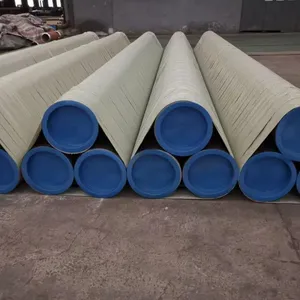
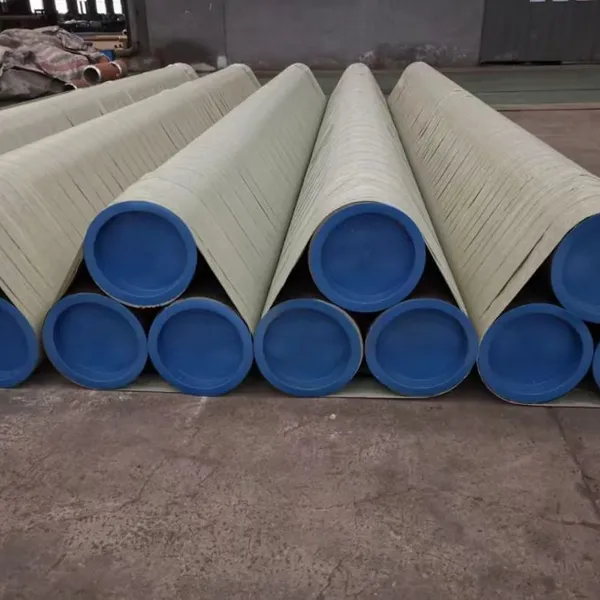
Small-diameter alloy steel pipes (outer diameter ≤114mm): Bundled packaging is adopted, with each bundle weighing 1-2 tons, firmly bundled, and wrapped with waterproof plastic film on the outside to prevent moisture and rust; plastic protective caps are sleeved at both ends of the pipes to prevent foreign objects from entering the pipes and blocking, and to protect the pipe orifices from collision damage.
Medium and large-diameter alloy steel pipes (outer diameter >114mm): Single-piece packaging is adopted, each pipe is coated with anti-rust oil on the surface, wrapped with waterproof plastic film on the outside, and thickened plastic protective caps are sleeved at both ends; for pipes with thin wall thickness and high precision, an additional foam buffer layer is added to prevent deformation during transportation.
Customized specification pipes: According to the size and precision requirements of the pipes, customized packaging methods such as wooden box packaging and steel frame fixing are adopted to ensure the safe delivery of products.
(II) Delivery Status
According to customer use needs, various delivery statuses are provided, which can be directly used for installation without additional processing:
Processing Status: Hot rolling, cold rolling, cold drawing, products with corresponding processing status can be provided according to customer requirements.
Heat Treatment Status: Annealing, normalizing, quenching + tempering (modulation), the default is modulation treatment status, and the heat treatment method can be adjusted according to working conditions.
Surface Status: The default is derusting and anti-rust oil coating treatment; anti-corrosion coating (such as coal tar epoxy coating, polyurethane coating), galvanizing treatment, etc. can be added according to customer needs to improve corrosion resistance.
(III) Quality Inspection and Certificates
Each batch of products undergoes strict quality inspection before leaving the factory to ensure that the products meet the implementation standards and customer requirements, and complete quality certificates are provided at the same time:
Inspection Items: Hydrostatic test (test pressure is 1.5 times the working pressure), non-destructive testing (UT ultrasonic testing, RT ray testing, MT magnetic particle testing), chemical composition analysis (spectral analysis), mechanical performance testing (tensile strength, yield strength, impact toughness, hardness).
Quality Certificates: Each batch of products is accompanied by a quality certificate, indicating the product name, specification, material, implementation standard, chemical composition, mechanical performance, test results, production date, batch number and other information; third-party test reports can be provided (if needed).
(IV) Delivery Cycle
To ensure that customers receive goods in a timely manner and improve procurement efficiency, our company optimizes the production and logistics processes, and the delivery cycle is clearly defined as follows:
Conventional Specification Products (In Stock): After placing an order, packaging and inspection will be completed within 1-2 days, and delivery will be made immediately.
Customized Specification Products (Need Production): According to the order quantity and production difficulty, the delivery cycle is 5-7 days. After placing an order, the production progress will be fed back in a timely manner to ensure that production, inspection and delivery are completed within the promised cycle without delaying the customer's construction period.
IX. After-Sales Service
Technical Support: Provide professional technical consulting services to answer customers' questions about material selection, specification selection, installation and use, maintenance and other aspects; according to customer project needs, provide customized pipe solutions.
After-Sales Response: After receiving customer feedback, respond within 24 hours, timely handle customer complaints, consultations and needs, and ensure that problems are solved quickly.
Long-Term Cooperation: For long-term cooperative customers, provide preferential purchase prices, priority production, priority delivery and other rights and interests, and establish long-term and stable cooperative relations.

Send Inquiry to This Supplier



You May Also Like
-
Steel Sheet & Plate & Steel Sheet Pile,Q235B、Q345B、SY390NegotiableMOQ: 5 Metric Tons
-
Steel Sheet & Plate & Boiler Plate,SA516 Gr60/65/70、SA387 Gr11/22、P265GH、P355GH、16Mo3NegotiableMOQ: 5 Metric Tons
-
Steel Sheet & Plate & Ship Steel Plate,Grade A/B/D/ENegotiableMOQ: 5 Metric Tons
-
Steel Sheet & Plate & Checkered Steel Plate,2.5、3.0、3.5、4.0、4.5、5.0、6.0、7.0、8.0、10、12NegotiableMOQ: 5 Metric Tons
-
Steel Sheet & Plate & Pressure Vessel Plate,ASME SA516(Gr60/65/70)、SA537、SA387;EN 10028-2(P265GH、P355GH、16Mo3)NegotiableMOQ: 5 Metric Tons
-
Steel Coil & Strip & Hot Rolled Coil,Q235B、SS400、Q355B/C/D/E、SPA‑H、SAPH370/440、X42/X52/X65/X70NegotiableMOQ: 5 Metric Tons
-
Steel Coil & Strip & Cold Rolled Coil,DC01~DC07、SPCC/SPCD/SPCE、St12~St15、Q195~Q345NegotiableMOQ: 5 Metric Tons
-
Steel Coil & Strip & Color Coated Coil,EN 10169、AAMA 2605、ASTM D7869NegotiableMOQ: 5 Metric Tons
-
Steel Pipe & Tube & Precision Steel Pipe,ASTM A519、ASTM B881、DIN 2391、GB/T 3639-2009、GB/T 8162-2018、GB/T 8163-2018NegotiableMOQ: 5 Metric Tons
-
Steel Pipe & Tube & High Pressure Boiler Pipe,ASME SA-106/SA-213M/SA-335M、DIN 17175NegotiableMOQ: 5 Metric Tons


