








 Contact Platform Support
 Help Center
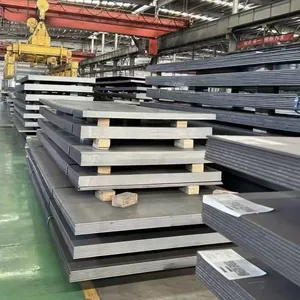
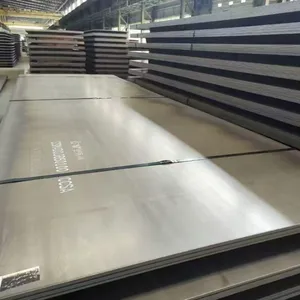
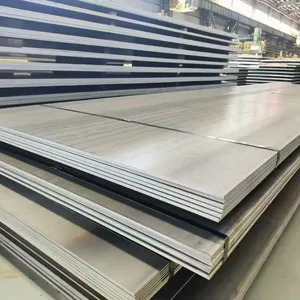
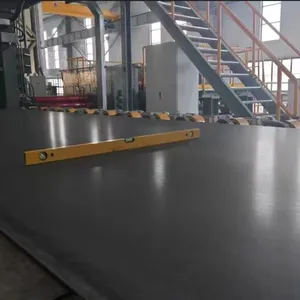
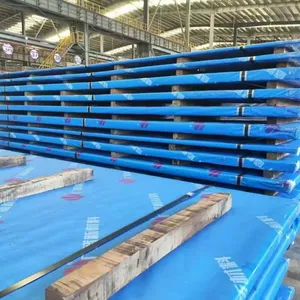
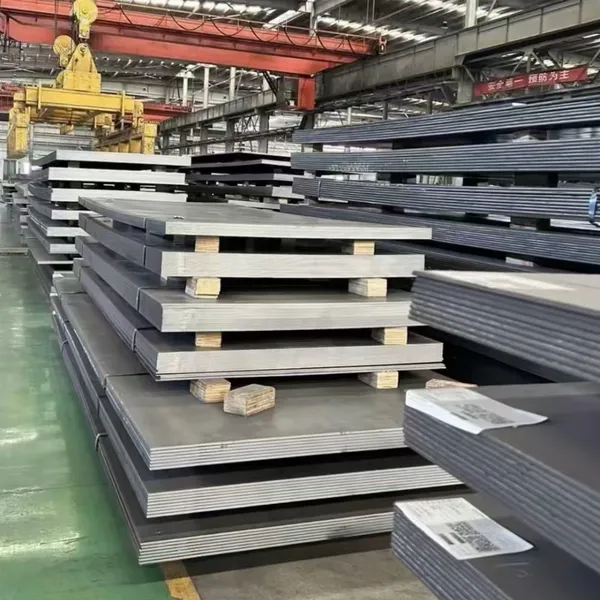
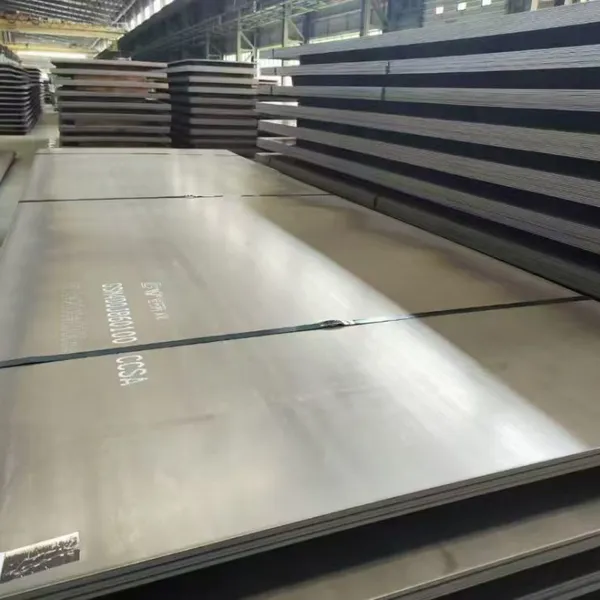
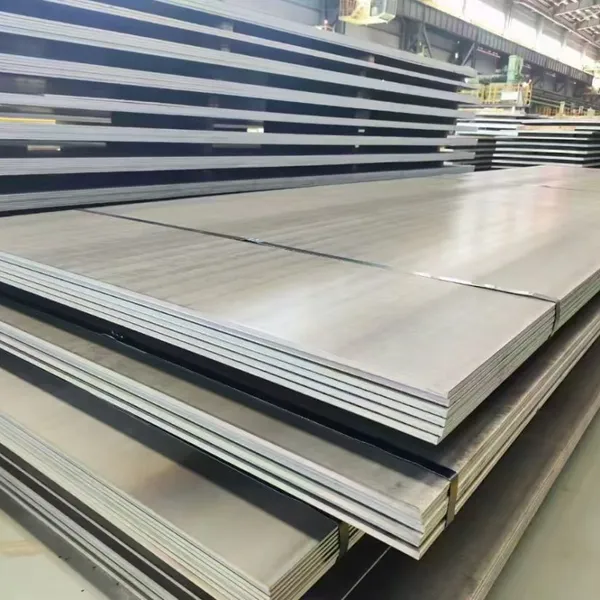
Steel Sheet & Plate & Boiler Plate,SA516 Gr60/65/70、SA387 Gr11/22、P265GH、P355GH、16Mo3



Related Products
-
 Steel Sheet & Plate & Ship Steel Plate,Grade A/B/D/ENegotiableMOQ: 5 Metric Tons
 -
Steel Sheet & Plate & Checkered Steel Plate,2.5、3.0、3.5、4.0、4.5、5.0、6.0、7.0、8.0、10、12NegotiableMOQ: 5 Metric Tons
-
Steel Sheet & Plate & Pressure Vessel Plate,ASME SA516(Gr60/65/70)、SA537、SA387;EN 10028-2(P265GH、P355GH、16Mo3)NegotiableMOQ: 5 Metric Tons
-
Steel Coil & Strip & Hot Rolled Coil,Q235B、SS400、Q355B/C/D/E、SPA‑H、SAPH370/440、X42/X52/X65/X70NegotiableMOQ: 5 Metric Tons
-
Steel Coil & Strip & Cold Rolled Coil,DC01~DC07、SPCC/SPCD/SPCE、St12~St15、Q195~Q345NegotiableMOQ: 5 Metric Tons
Detailed Description of Boiler Plate Products
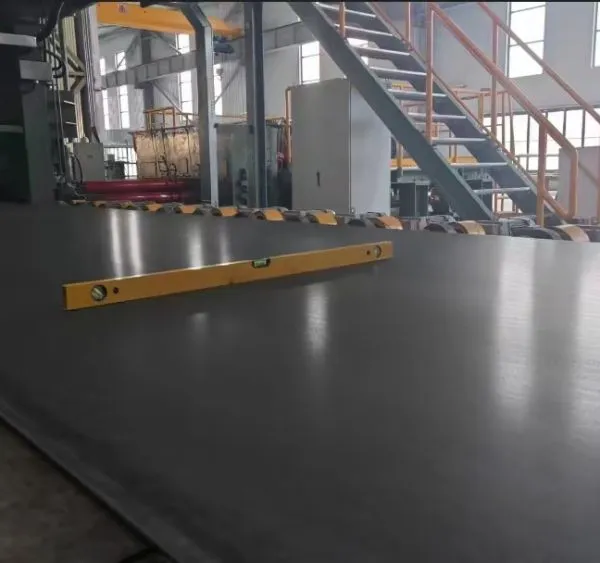
Boiler Plate is a special steel plate designed and produced specifically for boilers, pressure vessels, and various high-temperature and high-pressure pressure-bearing equipment. It is mainly suitable for long-term service under medium-temperature and high-pressure conditions, with strict requirements on the material's strength, toughness, high-temperature resistance, weldability, and corrosion resistance. It is the core basic material ensuring the safe and stable operation of boilers and pressure vessels. Currently, domestic production and acceptance strictly implement the national standard GB 713-2014 "Steel Plates for Boilers and Pressure Vessels", while the international market widely follows relevant standards such as American standards and European standards, which can meet the customized needs of different industries and working conditions.
I. Core Definition and Application Scenarios (Expanded Details)
1.1 Product Definition
Boiler plate belongs to carbon structural steel or low-alloy high-strength structural steel. Through precise control of chemical composition, rolling process, and heat treatment process, it has the ability to work stably for a long time under high-temperature, high-pressure, alternating load, and corrosive environments. It is mainly used to manufacture key pressure-bearing components such as boiler drums, pressure vessel shells, heat exchanger tube sheets, steam pipes, and headers. Its quality directly determines the operational safety, service life, and operational efficiency of the equipment. Compared with ordinary steel plates, boiler plates have stricter standards in terms of composition control (such as strict limits on the content of harmful elements like sulfur and phosphorus), stability of mechanical properties, and welding adaptability.
1.2 Working Condition Characteristics
The service environment of boiler plates is complex and harsh, with the following core working condition characteristics: ① Temperature condition: Long-term operation in a medium-high temperature environment (conventional working condition ≤ 560℃, special high-pressure boilers can reach above 600℃). Some equipment needs to withstand frequent cold and heat alternation, which is prone to thermal fatigue damage; ② Pressure condition: Withstand continuous high-pressure load (low pressure ≤ 2.5MPa, medium pressure 2.5-10MPa, high pressure > 10MPa, ultra-high pressure can reach above 100MPa), requiring sufficient compressive strength and creep resistance; ③ Medium condition: Contact with water, steam, flue gas, acid-base media, etc., which is prone to water vapor corrosion and oxidation corrosion. In some petrochemical fields, it also needs to resist hydrogen-induced cracking (HIC) and stress corrosion cracking (SCC); ④ Load condition: Withstand alternating loads and impact loads, requiring excellent toughness to prevent brittle fracture.
1.3 Core Application Scenarios (Subdivided and Expanded)
Power Station Boiler Field: As the core material for power stations such as thermal power generation, nuclear power (conventional island), and biomass power generation, it is mainly used to manufacture drums (the "heart" of the boiler, storing saturated steam and separating water and steam), superheater tube sheets, reheater tube sheets, headers (distributing steam and collecting working fluid), high-pressure steam pipes, etc. Among them, large power station boilers (300MW and above) have extremely high requirements on the high-temperature resistance and creep resistance of boiler plates, and low-alloy high-strength boiler plates are mostly used.
Industrial Boiler Field: Widely used in industrial boilers in industries such as chemical industry, metallurgy, building materials, textiles, and food, it is used to manufacture boiler drums, furnaces, furnace liners, steam distribution cylinders, economizers, and other components. Such boilers are mostly under medium and low pressure conditions, and ordinary carbon steel or ordinary low-alloy boiler plates are commonly used, balancing cost performance and practicality.
Other Special Fields: Including marine boilers, offshore platform boilers, waste heat recovery boilers, garbage incineration boilers, etc. In addition to conventional requirements, such scenarios also need to consider special needs such as marine environment corrosion and flue gas corrosion, so specially modified boiler plates should be selected.
II. Implementation Standards and Common Grades
2.1 Domestic Standards (Core + Supporting)
Core Standard: GB 713-2014 "Steel Plates for Boilers and Pressure Vessels", which replaces the original GB 713-2008. It clarifies the core contents such as chemical composition, mechanical properties, heat treatment requirements, and inspection rules of boiler plates, and is the fundamental basis for domestic production, inspection, and acceptance.
Supporting Standards: GB 709-2016 "Dimensions, Shape, Weight and Allowable Deviations of Hot-Rolled Steel Plates and Strips" (specifying dimensional accuracy); GB/T 228.1-2010 "Metallic Materials - Tensile Testing - Part 1: Method of Test at Room Temperature" (mechanical property testing); GB/T 229-2020 "Metallic Materials - Charpy Pendulum Impact Test Method" (impact property testing); GB/T 6402-2018 "Steel Forgings - Ultrasonic Testing and Classification" (internal quality flaw detection).
2.2 International Standards (Subdivided Grades and Applications)
American Standard (ASTM/ASME):
SA516 Gr60/65/70: Carbon steel boiler plates, suitable for medium and low pressure boilers and pressure vessels. Gr70 has the highest strength and is widely used in petrochemical storage tanks and conventional industrial boilers;
SA387 Gr11/22: Chromium-molybdenum alloy boiler plates, with excellent high-temperature resistance and creep resistance, suitable for high-temperature and high-pressure power station boilers and hydrogenation reactors;
SA285 GrC/D: Low-carbon steel boiler plates, suitable for low-pressure and low-temperature pressure vessels and heat exchangers, with high cost performance.
European Standard (EN):
P265GH, P355GH: Carbon structural steel boiler plates, corresponding to national standard Q245R and Q345R, suitable for medium and low pressure boilers and pressure vessels, and widely used in European and Southeast Asian markets;
16Mo3: Molybdenum alloy boiler plates, with better high-temperature resistance than ordinary carbon steel, suitable for boiler drums and pipes under 400-500℃ working conditions;
13CrMo4-5: Chromium-molybdenum alloy boiler plates, with excellent creep resistance and corrosion resistance, suitable for high-pressure power station boilers and chemical reaction equipment.
Other Standards: Japanese standard JIS G3103 (SB410, SB450), Russian standard GOST 5520, mainly used for export to corresponding countries or foreign-funded projects.
2.3 Common Grades (National Standard, Supplementary Characteristics and Applications)
Carbon Steel Boiler Plates:
Q245R (original 20G): Minimum yield strength 245MPa, excellent plasticity and weldability, low cost, suitable for low-pressure boilers (≤2.5MPa) and ordinary pressure vessels, and is currently the most widely used carbon steel boiler plate;
Q345R (original 16MnG): Low-alloy carbon steel, yield strength 345MPa, higher strength than Q245R, suitable for medium and low pressure boilers (2.5-10MPa) and medium pressure vessels, balancing strength and cost performance;
Q370R: High-strength carbon steel, yield strength 370MPa, suitable for medium and high pressure boilers and large pressure vessels, can replace some low-alloy boiler plates to reduce costs.
Low-Alloy Boiler Plates:
15CrMoR: Chromium-molybdenum alloy plate, containing Cr and Mo elements, with excellent high-temperature resistance and creep resistance, suitable for medium and high pressure boilers (450-500℃), hydrogenation reactors, and heat exchangers;
12Cr1MoVR: Adding V element on the basis of 15CrMoR to enhance high-temperature strength and toughness, suitable for high-pressure boilers (>10MPa, 500-560℃), power station boiler drums, and superheater headers;
13MnNiMoR: Manganese-nickel-molybdenum alloy plate, with high strength and high toughness, strong resistance to hydrogen-induced cracking, suitable for large high-pressure vessels, spherical tanks, and equipment under low-temperature and high-pressure working conditions;
18MnMoNbR: Adding Nb element to refine grains and improve strength and toughness, suitable for ultra-high pressure boilers, large hydrogenation reactors and other high-end equipment.
Low-Temperature Special Boiler Plates:
16MnDR: Low-temperature carbon steel, minimum service temperature -40℃, suitable for low-temperature pressure vessels and liquefied petroleum gas storage tanks;
09MnNiDR: Low-temperature low-alloy steel, minimum service temperature -70℃, suitable for liquefied natural gas (LNG) storage tanks and cryogenic equipment, with excellent resistance to low-temperature brittle fracture;
06Ni9DR: Ultra-low temperature boiler plate, minimum service temperature -196℃, suitable for ultra-low temperature storage and transportation equipment such as liquid nitrogen and liquid oxygen.
III. Chemical Composition
The chemical composition of boiler plates directly determines their mechanical properties, high-temperature resistance, and weldability. The following are the typical chemical compositions (wt%, according to GB 713-2014 standard, allowable deviations meet national standard requirements) of common grades, along with explanations of the role of core elements:
Grade |
C (Carbon) |
Si (Silicon) |
Mn (Manganese) |
P (Phosphorus) |
S (Sulfur) |
Cr (Chromium) |
Mo (Molybdenum) |
Other Elements |
Q245R |
≤0.20 |
0.15-0.40 |
0.50-1.00 |
≤0.025 |
≤0.010 |
- |
- |
Cu≤0.30 |
Q345R |
≤0.20 |
0.15-0.60 |
1.20-1.60 |
≤0.025 |
≤0.010 |
- |
- |
V≤0.12, Nb≤0.05 |
15CrMoR |
0.12-0.18 |
0.15-0.40 |
0.40-0.70 |
≤0.025 |
≤0.010 |
0.80-1.20 |
0.45-0.60 |
Cu≤0.30 |
12Cr1MoVR |
0.08-0.15 |
0.17-0.37 |
0.40-0.70 |
≤0.025 |
≤0.010 |
0.90-1.20 |
0.25-0.35 |
V 0.10-0.20 |
13MnNiMoR |
≤0.15 |
0.15-0.40 |
1.20-1.60 |
≤0.020 |
≤0.008 |
≤0.30 |
0.20-0.30 |
Ni 0.60-1.00, Nb≤0.04 |
16MnDR |
≤0.18 |
0.15-0.50 |
1.20-1.60 |
≤0.020 |
≤0.008 |
- |
- |
Ni≤0.30 |
09MnNiDR |
≤0.10 |
0.15-0.50 |
1.20-1.60 |
≤0.020 |
≤0.008 |
- |
- |
Ni 0.30-0.80 |
IV. Mechanical Properties
The mechanical properties of boiler plates are the core indicators ensuring equipment safety. The following are the typical values of room temperature mechanical properties of common grades (according to GB 713-2014 standard), along with supplementary high-temperature mechanical properties and test requirements to ensure comprehensive content:
Grade |
Yield Strength (MPa) ≥ |
Tensile Strength (MPa) |
Elongation (%) ≥ |
Impact Energy (J) ≥ (0℃) |
High-Temperature Yield Strength (MPa) ≥ (400℃) |
Hardness (HB) ≤ |
Q245R |
245 |
400-520 |
25 |
31 |
180 |
170 |
Q345R |
345 |
510-640 |
21 |
34 |
270 |
180 |
15CrMoR |
295 |
450-590 |
19 |
34 |
230 |
197 |
12Cr1MoVR |
345 |
470-630 |
19 |
34 |
280 |
217 |
13MnNiMoR |
390 |
570-720 |
20 |
47 |
320 |
229 |
16MnDR |
315 |
490-620 |
21 |
34 (-40℃) |
260 |
180 |
09MnNiDR |
345 |
510-640 |
22 |
34 (-70℃) |
270 |
180 |
Supplementary Notes: ① Impact Test: Conventional grades adopt 0℃ Charpy pendulum impact, and low-temperature grades conduct impact tests at the minimum service temperature (e.g., 16MnDR at -40℃, 09MnNiDR at -70℃). The average impact energy is ≥34J, and the individual value is not less than 24J; ② High-Temperature Performance: The high-temperature yield strength is a typical value at 400℃. For high-temperature and high-pressure boiler plates, it is also necessary to test the creep strength and endurance strength at 500-560℃ to ensure no obvious plastic deformation during long-term service; ③ Hardness Test: Brinell Hardness (HB) is used to evaluate the processing performance and heat treatment effect of steel plates. Excessively high hardness will affect welding and stamping; ④ Tensile Test: Standard samples are used for testing at room temperature. Elongation reflects the plasticity of the steel plate to ensure no fracture during processing.
V. Specification and Dimensions
The specification and dimensions of boiler plates must strictly follow the GB 709-2016 standard, and special specifications can be customized according to customer needs. The following are the conventional specifications and supplementary explanations:
5.1 Conventional Specifications
Thickness: 6–200mm, common specifications 8–100mm; among them, 6-14mm is mostly used for heat exchangers and small pressure vessels; 16-50mm is mostly used for industrial boiler drums and headers; 50-200mm is mostly used for large power station boiler drums and high-pressure vessel shells.
Width: 1500–3000mm, common specifications 1800–2500mm; the width can be customized according to the equipment size, and the maximum can reach 3800mm (special rolling required).
Length: 3000–12000mm, common specifications 6000–10000mm; the longest can be customized to 18000mm, reducing equipment welding joints and improving safety.
5.2 Dimensional Tolerance
Thickness tolerance: According to the different thickness of the steel plate, the tolerance range is ±0.3mm (6-10mm) to ±1.5mm (100-200mm), which meets the GB 709-2016 Class B tolerance requirements; width tolerance: ±5mm; length tolerance: ±10mm, and higher precision tolerance (Class A) can be provided according to customer needs.
5.3 Delivery Status (Supplementary Process Description)
Normalizing (N): Heat the steel plate to 30-50℃ above Ac3, hold for heat preservation and then air cool to refine grains and improve strength and toughness, suitable for most medium and low pressure boiler plates (such as Q245R, Q345R).
Controlled Rolling (TMCP): Refine grains by controlling rolling temperature and reduction, no subsequent heat treatment is required, energy-saving and efficient, suitable for medium and thin gauge boiler plates (6-30mm).
Tempering (T): Heat the normalized steel plate to below Ac1, hold for heat preservation and then cool to eliminate internal stress and improve toughness and weldability, often used for low-alloy boiler plates.
Normalizing + Tempering (N+T): The main delivery status for high-pressure, ultra-high pressure boiler plates and thick-gauge steel plates (>50mm) to ensure stable structure, qualified high-temperature strength and toughness, such as 12Cr1MoVR, 13MnNiMoR.
VI. Core Performance Requirements
The performance requirements of boiler plates are directly related to equipment safety. In addition to conventional mechanical properties, they also need to meet special requirements such as high temperature, corrosion, and welding, which are specifically expanded as follows:
6.1 High-Temperature Strength and Creep Resistance
Core Requirement: Under 350–560℃ (special working conditions can reach 600℃), when bearing high-pressure load for a long time, it needs to have sufficient creep strength and endurance strength to ensure no obvious plastic deformation (creep deformation ≤0.2%) within the 100,000-hour service period. Test Method: According to GB/T 2039-2012 "Metallic Materials - Uniaxial Tensile Creep Test Method", conduct creep test at the corresponding working temperature to determine creep limit and endurance strength; high-temperature and high-pressure boiler plates also need to conduct high-temperature tensile test to determine high-temperature yield strength and tensile strength.
6.2 Toughness and Plasticity (Preventing Brittle Fracture)
Core Requirement: It should have excellent room temperature and low-temperature toughness and plasticity to prevent brittle fracture of equipment during start-up, shutdown, and load fluctuation. Specific Requirements: Elongation ≥19%, impact energy ≥34J (low-temperature grades meet the impact energy standard at the corresponding low temperature); thick-gauge steel plates (>30mm) need to conduct Z-direction performance test (Z15/Z25/Z35) to ensure toughness in the thickness direction and prevent lamellar tearing (Z-direction reduction of area ≥15%/25%/35%). Test Methods: Room temperature tensile test, Charpy pendulum impact test, Z-direction tensile test.
6.3 Aging Resistance and Weldability
Aging Resistance: After cold working (plate rolling, stamping) and long-term service, the toughness and strength of the boiler plate should not decrease significantly, and the impact energy loss after aging ≤20%. Test Method: Conduct impact test after aging treatment and compare the impact energy before and after aging.
Weldability: Boiler plates need to have good weldability. After welding, the strength and toughness of the joint are not lower than the base metal, and the welding crack sensitivity is small (carbon equivalent Ceq ≤0.45%). Test Methods: Conduct welding crack test (such as inclined Y-groove welding crack test) and welding joint mechanical property test to ensure welding quality.
6.4 Corrosion Resistance
According to different service media, boiler plates need to have corresponding corrosion resistance: ① Water Vapor Corrosion: In high-temperature and high-pressure water vapor environment, it needs to have good oxidation resistance and hydrogen corrosion resistance. Low-alloy boiler plates (such as 15CrMoR) improve corrosion resistance by adding Cr and Mo elements; ② Hydrogen-Induced Cracking (HIC): Boiler plates in petrochemical fields need to pass HIC test to ensure no cracking in hydrogen-containing media; ③ Stress Corrosion Cracking (SCC): Boiler plates used in acidic media and marine environments need to conduct SCC test to improve corrosion resistance and toughness. Test Methods: HIC test, SCC test, oxidation test.
6.5 Surface and Internal Quality
Surface Quality: No cracks, laminations, bubbles, scale, scars, folds and other defects on the surface, and the surface roughness meets the requirements (Ra≤12.5μm); slight pitting and scratches are allowed, with depth not exceeding 5% of the steel plate thickness and not more than 0.5mm.
Internal Quality: 100% ultrasonic flaw detection (UT) is adopted, graded according to GB/T 6402-2018 standard. Conventional boiler plates are Grade Ⅱ, and high-pressure and ultra-high pressure boiler plates are Grade Ⅰ; no shrinkage holes, looseness, inclusions and other defects inside to ensure uniform and dense internal structure of the steel plate.
VII. Selection Guide
The selection of boiler plates should be combined with equipment working conditions (pressure, temperature, medium), industry needs and cost performance. The following is a subdivided selection guide to ensure accurate selection:
7.1 Selection According to Pressure and Temperature Working Conditions
Low-Pressure Boilers/Vessels (≤2.5MPa, ≤450℃): The working conditions are mild, and carbon steel boiler plates are preferred for high cost performance. Recommended Grades: Q245R (conventional first choice), Q345R (selected when strength needs to be improved); suitable for small industrial boilers and ordinary storage tanks.
Medium-Pressure Boilers/Vessels (2.5–10MPa, 450–500℃): It needs certain high-temperature strength and creep resistance, and low-alloy boiler plates are recommended. Recommended Grades: Q345R (conventional medium pressure), 15CrMoR (high-temperature medium pressure, such as chemical reactors); suitable for medium-sized power station boilers and hydrogenation heat exchangers.
High-Pressure Boilers/Vessels (>10MPa, 500–560℃): The working conditions are harsh, requiring high high-temperature strength and high toughness, and high-end low-alloy boiler plates are recommended. Recommended Grades: 12Cr1MoVR (power station boiler drum), 13MnNiMoR (large high-pressure vessels), 18MnMoNbR (ultra-high pressure equipment); suitable for large power station boilers and ultra-high pressure reactors.
Low-Temperature Working Conditions (-20℃~-196℃): It needs to resist low-temperature brittle fracture, and low-temperature special boiler plates are selected. Recommended Grades: 16MnDR for -20℃~-40℃; 09MnNiDR for -40℃~-70℃; 06Ni9DR for -70℃~-196℃; suitable for LNG storage tanks and cryogenic equipment.
7.2 Selection According to Industry Subdivision
Power Station Industry: For power station boilers of 300MW and above, 12Cr1MoVR and 13MnNiMoR are selected for drums; 15CrMoR is selected for headers and pipes; Q245R and Q345R are selected for low-pressure auxiliary equipment.
Petrochemical Industry: 15CrMoR and 12Cr1MoVR are selected for hydrogenation reactors; Q345R and 13MnNiMoR are selected for spherical tanks and storage tanks; 16MnDR and 09MnNiDR are selected for low-temperature storage and transportation equipment.
Metallurgical Industry: For waste heat recovery boilers with high temperature (450-500℃), 15CrMoR and Q345R are selected; Q245R is selected for pressure vessels supporting steelmaking and ironmaking.
Pharmaceutical/Food Industry: Pressure vessels need to be clean and free of impurities, so Q245R and Q345R are selected, and the surface is polished to meet hygiene standards.
Marine/Shipbuilding Industry: For marine boilers and offshore platform boilers, which need to resist marine corrosion, Q345R (surface anti-corrosion treatment) and 15CrMoR (high temperature and corrosion resistance) are selected.
7.3 Selection Notes
① Priority is given to products complying with the national standard GB 713-2014, and corresponding international standard grades can be selected for export projects; ② Thick-gauge steel plates (>50mm) need to be delivered in normalizing + tempering state to ensure uniform internal structure; ③ For equipment in contact with corrosive media, the medium composition should be clarified, and corresponding corrosion-resistant grades should be selected (such as 13MnNiMoR for hydrogen-containing media); ④ The processing technology should be considered. For example, boiler plates for plate rolling and stamping should be selected with good plasticity (such as Q245R, Q345R).
VIII. Production and Delivery (Supplementary Production Process + Packaging Details)
8.1 Production Process (Core Flow)
The production process of boiler plates is strictly controlled to ensure qualified quality. The core flow is as follows: Raw Material Procurement (high-quality scrap steel, pig iron) → Converter/Electric Furnace Smelting (control chemical composition, adopt external refining to reduce harmful element content) → Continuous Casting (billet quality inspection, no shrinkage holes, inclusions) → Hot Rolling (control rolling temperature and reduction to refine grains) → Heat Treatment (normalizing, tempering or normalizing + tempering, adjust process according to grade) → Surface Treatment (remove scale, grind defects) → Ultrasonic Flaw Detection (100% UT detection) → Mechanical Property Detection → Dimensional Inspection → Packaging and Storage.
8.2 Packaging and Transportation
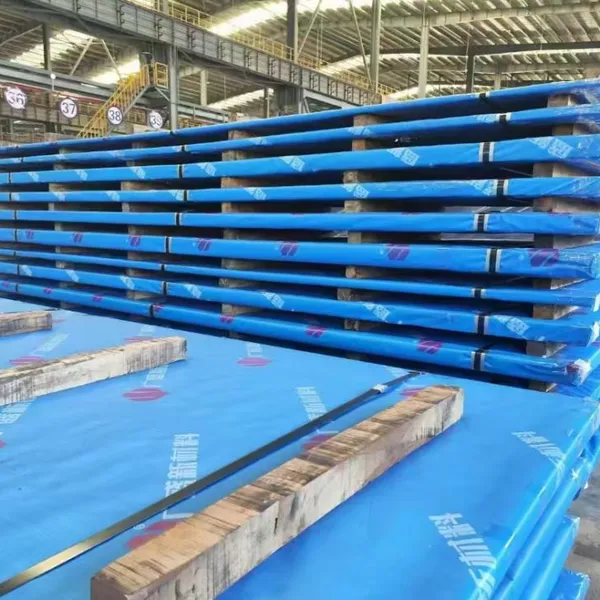
Packaging: Conventional packaging is bare packaging + strapping, fixed with steel straps to prevent deformation during transportation; the surface needs anti-rust treatment, and anti-rust paint and waterproof film can be applied according to customer needs; each bundle of steel plates is attached with material certificate, flaw detection report and other data, marked with heat number, grade, specification, weight and other information.
Transportation: Flatbed trucks and containers are used for transportation. Thick-gauge steel plates (>50mm) need special transportation tools to prevent bending deformation; avoid collision and rain during transportation to ensure surface quality; customs declaration and inspection services can be provided for direct port shipment to meet foreign trade needs.
8.3 Delivery Time and Spot Status
Spot: Common specifications are in sufficient stock, with a delivery time of 5–7 days, which can be shipped directly.
IX. Quality Assurance and Acceptance
9.1 Quality Assurance System
All manufacturers have passed ISO9001 quality management system certification, and some manufacturers have passed ISO14001 environmental management system and ISO45001 occupational health and safety management system certification; the production process strictly follows the GB 713-2014 standard, and each link from raw material procurement to finished product delivery is inspected to ensure qualified product quality.
9.2 Inspection Items (Full-Process Inspection)
Chemical Composition Inspection: Chemical composition analysis is carried out for each heat of steel, using spectral analysis and chemical analysis methods to ensure that the element content meets the standard;
Mechanical Property Inspection: Tensile, impact and hardness tests are sampled for each batch of steel plates, and Z-direction performance tests are added for thick-gauge steel plates.

Send Inquiry to This Supplier



You May Also Like
-
Steel Coil & Strip & Color Coated Coil,EN 10169、AAMA 2605、ASTM D7869NegotiableMOQ: 5 Metric Tons
-
Steel Pipe & Tube & Precision Steel Pipe,ASTM A519、ASTM B881、DIN 2391、GB/T 3639-2009、GB/T 8162-2018、GB/T 8163-2018NegotiableMOQ: 5 Metric Tons
-
Steel Pipe & Tube & High Pressure Boiler Pipe,ASME SA-106/SA-213M/SA-335M、DIN 17175NegotiableMOQ: 5 Metric Tons
-
Steel Pipe & Tube & Petroleum Steel Pipe,H40、J55、K55、C90、T95、P110、Q125、V140、V150NegotiableMOQ: 5 Metric Tons
-
Steel Pipe & Tube & Cast Steel Pipe,Q235、20#、35#、45#、16Mn、Q355、Cr5Mo、ZG40Cr25Ni20Si2NegotiableMOQ: 5 Metric Tons
-
Steel Pipe & Tube & Alloy Steel Pipe,15CrMoG / 12Cr1MoVG、12Cr2MoG / 10CrMo910、P91 / P92NegotiableMOQ: 5 Metric Tons
-
Steel Pipe & Tube & Galvanized Steel Pipe,Q195、Q215、Q235BNegotiableMOQ: 5 Metric Tons
-
Steel H Beam & Load-Bearing H Beam,Q235B、Q355B、 Q420B、Q235C/DNegotiableMOQ: 5 Metric Tons
-
Steel Angle & Steel Structure Angle Steel,GB/T 706-2016、GB/T 700-2006、GB/T 1591-2018NegotiableMOQ: 5 Metric Tons
-
Flat Steel & Steel Structure Flat Steel,Q195、Q235、Q345、45#、40Cr、65Mn、20CrMnTiNegotiableMOQ: 5 Metric Tons


