








 Contact Platform Support
 Help Center
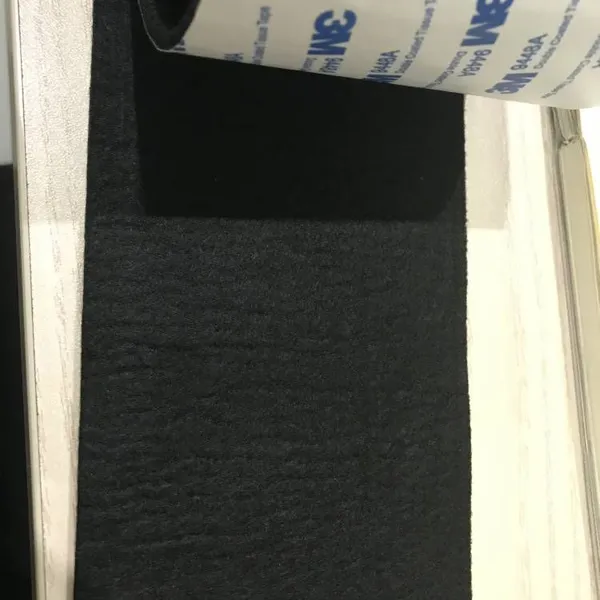
Non-woven Fabric for Automotive Interior Molded and Die-cut Structural Parts


Related Products
-
 Hns 100 Nanometer Spherical Silica PowderUS$ 1.54MOQ: 5000 Kilograms
 -
Non-woven Fabric for Industrial and Precision Instrument WipingNegotiableMOQ: 0 Meter
-
High-temperature-resistant Non-woven Fabric for Far-infrared Health Care CabinsNegotiableMOQ: 0 Meter
-
High-performance Filter Non-woven Fabric Imported From GermanyNegotiableMOQ: 0 Meter
-
Pps (polyphenylene Sulfide) Film Has High Temperature Resistance and Stable Physical Properties, and Can Replace Imported ProductsUS$ 0.38 - 0.46MOQ: 5000 Kilograms
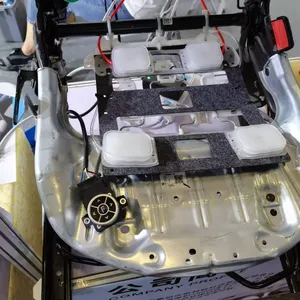
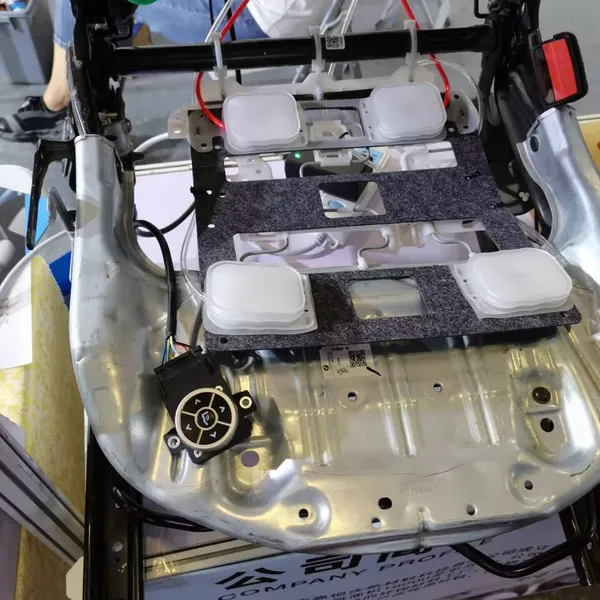
Currently, nonwoven materials have more than 40 uses inside automobiles, and the area of such materials in each car exceeds 35m². Nonwoven materials for automobiles can generally be divided into three categories: ① Decorative materials, such as needle-punched carpets and trims; ② Insulation layers with sound and vibration absorption functions; ③ Filter materials.
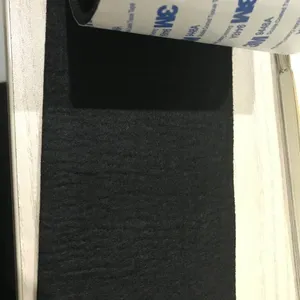
Visible nonwoven materials used in automobiles only account for about 10% (approximately 3.5m²) of the total area, and they are usually standard needle-punched velvet nonwoven materials, available in various elasticities and prices. Microfiber-based artificial leather materials like Alcantara are the most unique and profitable nonwoven materials used in automobiles. Alcantara was invented by Toray Industries in 1970. It is a "sea-island" type bicomponent fiber composed of about 60% polyester and 40% polyurethane (PU). Then it is cut into short fibers, and the "sea" component is dissolved before needle punching and dyeing.
Many leading automobile manufacturers and customers believe that nonwoven materials have better breathability, softness, dyeability, and wear resistance than natural leather.
Nonwoven materials for automobiles are developing rapidly in the following three directions: ① Continuously using natural fibers in composite nonwoven materials; ② Developing nonwoven materials based on recycled carbon fibers; ③ New hybrid filter media.
Applications of nonwoven materials for automobiles
Although woven and knitted fabrics continue to dominate the automotive textile market, nonwoven materials are being used more and more due to their key advantages such as light weight, low cost, and sound insulation. For example, Johnson Controls (a company that manufactures automotive seats, overhead systems, doors, dashboards, and interior electronics) is using more nonwoven materials in automotive components because nonwoven materials can be produced at high speed, at low cost, and are easy to mold.

Send Inquiry to This Supplier

You May Also Like
-
High-purity Quartz SandUS$ 9.23MOQ: 5000 Kilograms
-
Industrial Cleaning Non-woven Wiping Cloth, Green Industrial Wiping Paper, Dust-free Wiping Paper, Large Roll Oil-absorbing PaperUS$ 5 - 5.38MOQ: 5000 Kilograms
-
Aramid Specialty Paper, High-temperature Resistant and Flame-retardant Specialty PaperNegotiableMOQ: 0 Square Meter
-
Flame-retardant Felt Made of Molded Non-woven Fabric for Automotive InteriorUS$ 3.23 - 4MOQ: 1000 Meters
-
Flow Battery Energy Storage, Aviation Single Crystal Wafers, Carbon Fiber Felt for Thermal Insulation Buckets, Graphite FeltNegotiableMOQ: 0 Meter
-
Carbon Fiber Pre-oxidized Silk FeltUS$ 2.92 - 3.08MOQ: 5000 Meters
-
Non-woven Composite Paper for Foot PatchesUS$ 2.77 - 3.08MOQ: 5000 Kilograms
-
Elastic Ear Ropes and Ear Straps Made of Non-woven Fabric, Used for the Ear Straps of Fully Automatic Integrated Mask MachinesUS$ 1.69 - 17.69MOQ: 200 Kilograms
-
Flame-retardant and High-temperature-resistant Non-woven Fabric for tv and Computer Filter Dust ScreensNegotiableMOQ: 0 Ton
-
High-performance Non-woven Fabric, Resistant to High Temperatures and Fire RetardantNegotiableMOQ: 0 Meter