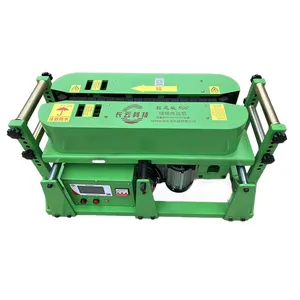
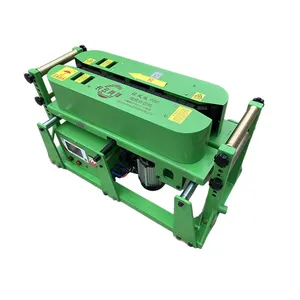
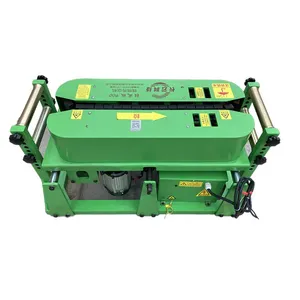
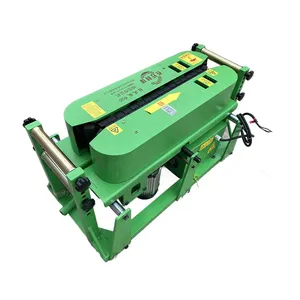
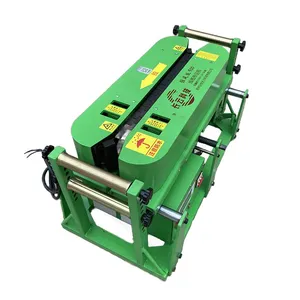
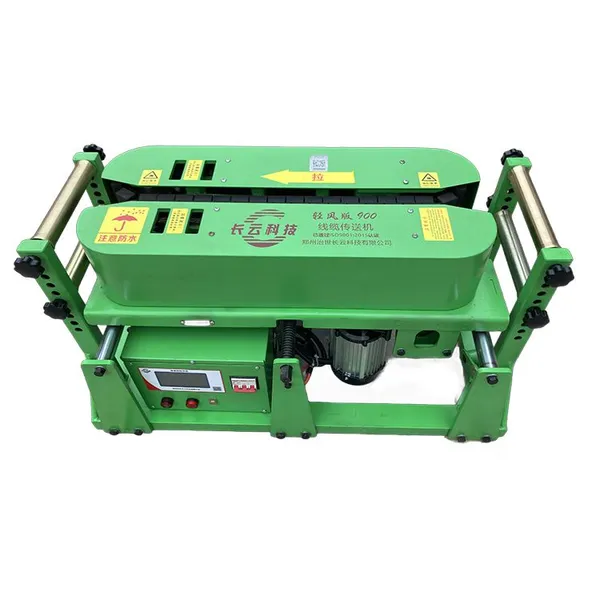
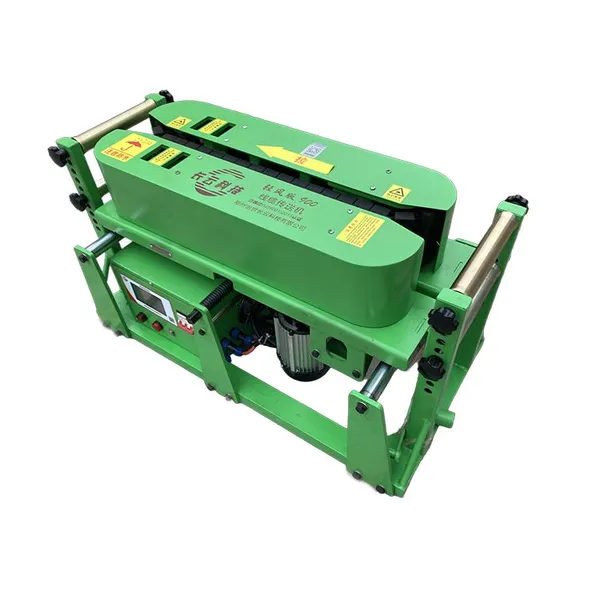
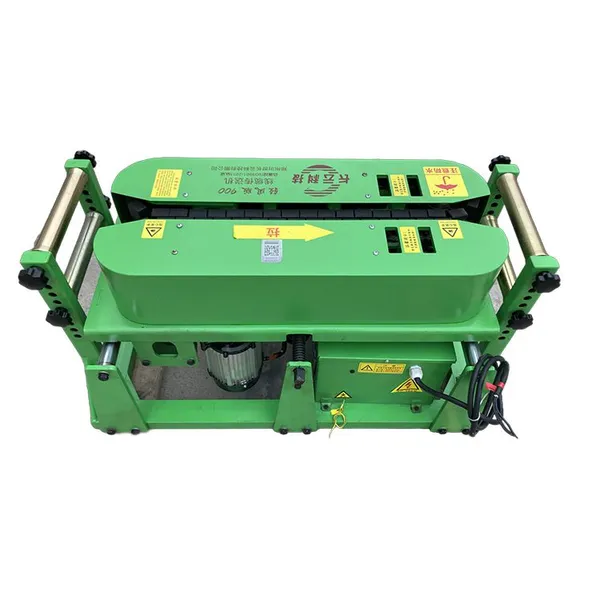
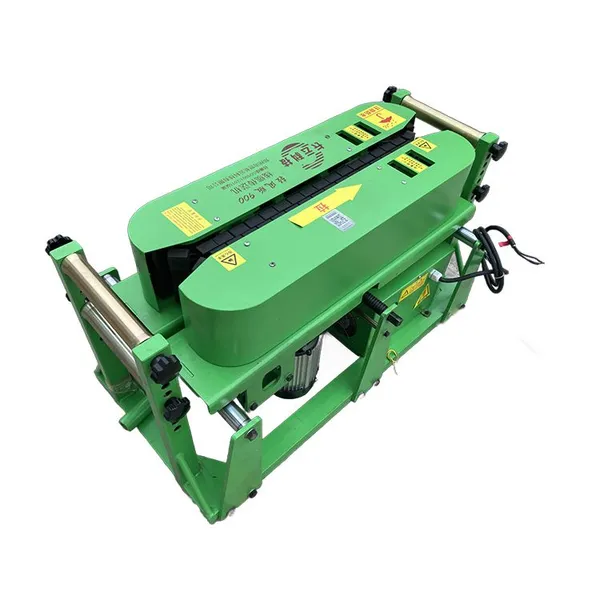
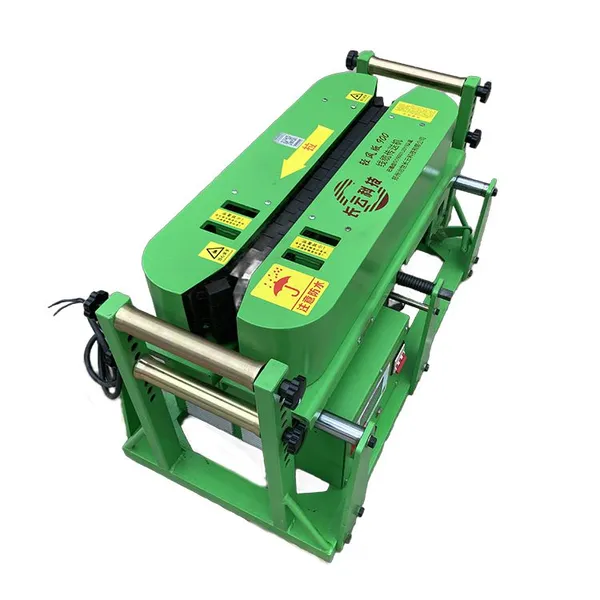
Product Details Description of Cable Feeding Machine 900 (Optimized Version)The Cable Feeding Machine 900 is a high‑performance professional device designed for large‑scale, high‑difficulty power cable installation projects. Its core purpose is to replace the inefficient methods of traditional manual hauling or small‑scale feeding machines by using mechanized and precision‑driven power transmission and tension control, thereby enabling safe, rapid, and damage‑free installation of high‑voltage (10 kV to 500 kV) and extra‑high‑voltage power cables. Specially developed to meet the challenges of installing large‑cross‑section, long‑distance, and complex‑environment cables, it is widely used in grid backbone network upgrades, new energy power stations (wind/solar PV booster stations), urban rail transit, large industrial parks, and submarine cable landing sections. As such, it is an indispensable key piece of equipment in modern cable construction.
1. Cable Compatibility & Clamping Design: Precisely Matched for Heavy‑Duty Applications
The machine is optimized for heavy‑load cables. In its standard configuration, it can stably feed single‑core or multi‑core power cables (copper or aluminum cross‑linked polyethylene insulated cables, etc.) with cross‑sectional areas ranging from 240 mm² to 2500 mm²; the maximum adaptable cross‑section can be extended to 3000 mm² with custom adjustments. For cables with outer diameters typically between Φ50 mm and Φ180 mm, it employs a dual‑wheel clamping structure — the driving and driven rollers are linked via high‑precision bearings, and the roller surfaces are coated with a high‑strength polyurethane wear‑resistant layer (balancing friction and cable sheath protection). Paired with a hydraulic or pneumatic adjustable clamping force system, the grip tightness can be flexibly adjusted according to the sheath material (e.g., PVC, PE, or cross‑linked polyethylene), preventing slippage during feeding while avoiding sheath indentation or internal conductor damage caused by excessive pressure.
2. Power & Conveying Capability: Efficient Coverage of Diverse Working Conditions
The power module delivers a rated traction force of 8 kN (approx. 0.8 tons) and a maximum adjustable tension of 10 kN, easily overcoming the cable’s self‑weight resistance in long‑distance installations (a single unit can support cable weights of up to ≤ 1000 kg, depending on the laying slope). The conveying speed range is 0.1–26 m/min (stepless speed regulation with an accuracy of ±0.05 m/min), meeting precise control requirements; in short‑distance sprint mode under low load, the instantaneous maximum speed can reach 26 m/min, significantly boosting construction efficiency. Operators can adjust speed and tension in real time via the control panel to suit different cable types, laying paths (horizontal tunnels, inclined shafts, or vertical shafts), and varying site conditions.
3. Structural Design & Environmental Adaptability: Lightweight Yet Robust
The machine features a modular design. The mainstream version uses electric drive (compatible with 220 V/380 V power supply, supporting split‑layout configurations); for applications demanding extremely high tension control precision, such as submarine cables or precision instrument connection cables, an optional servo motor drive solution is available. The overall weight is about 265 kg (lightweight aluminum alloy frame versions can be reduced to ≤ 200 kg), facilitating movement and installation in confined spaces such as narrow cable trenches, tunnels, or shafts. With an IP54 protection rating (dustproof and splash‑proof), it operates reliably in ambient temperatures from –20 °C to +50 °C and relative humidity ≤ 90 % RH (non‑condensing). It functions normally at altitudes below 3000 m (power parameters may require adjustment at higher altitudes).
4. Safety & Collaborative Functions: Multi‑Level Assurance of Construction Quality
The equipment incorporates multiple safety protections: overload automatic shutdown (to prevent cable or equipment damage from excessive traction force), hydraulic system pressure anomaly alarm, and roller temperature monitoring (to avoid overheating during prolonged operation). Some models support remote wireless control (via a handheld terminal for parameter adjustments), further enhancing construction safety and operational convenience. It can operate independently as a single unit or work collaboratively in tandem through a synchronization control system for multi‑unit coordination. As the core power unit in cable installation projects, it improves efficiency by 5–10 times compared with manual laying, significantly reducing construction time and labor costs, lowering the risk of cable damage, and representing an optimal solution for improving construction quality and progress in the power infrastructure sector.









 Contact Platform Support
 Help Center