








 Contact Platform Support
 Help Center
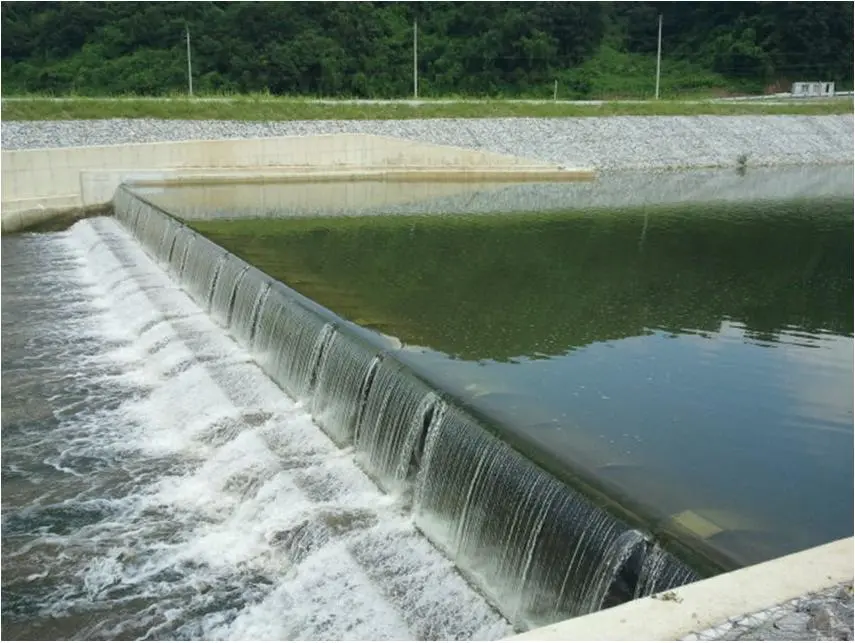
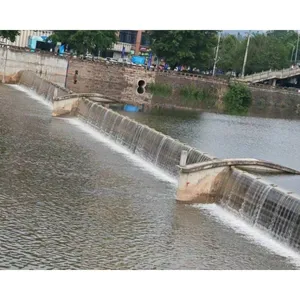
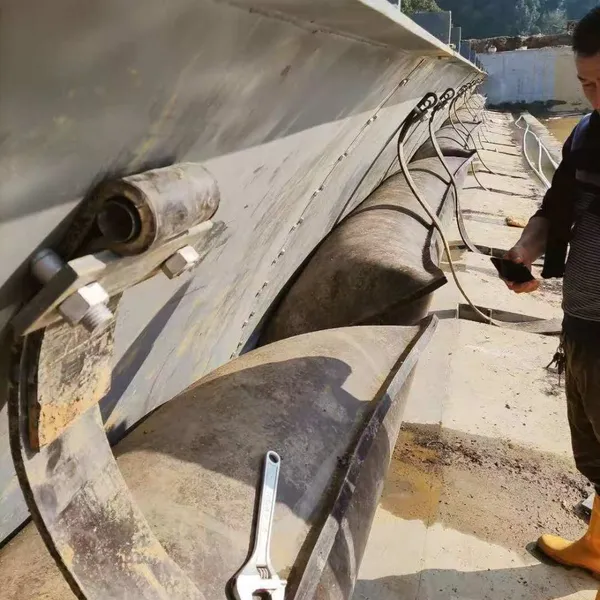
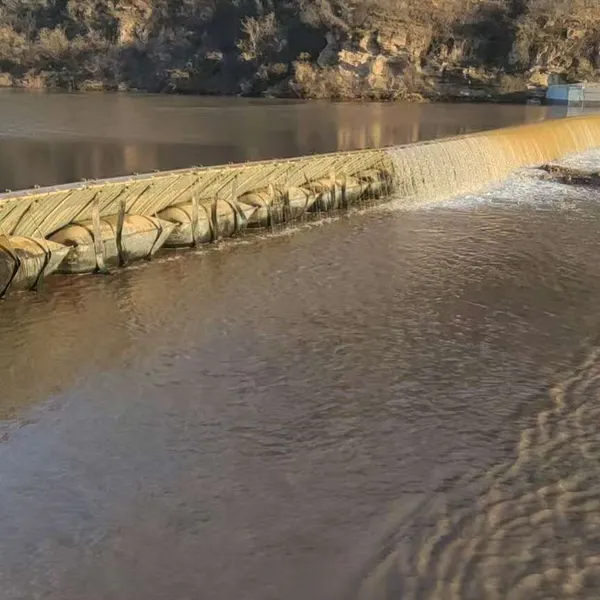
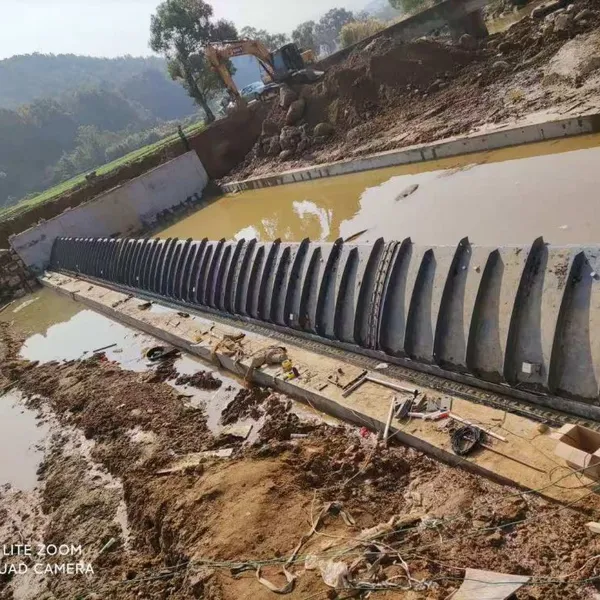
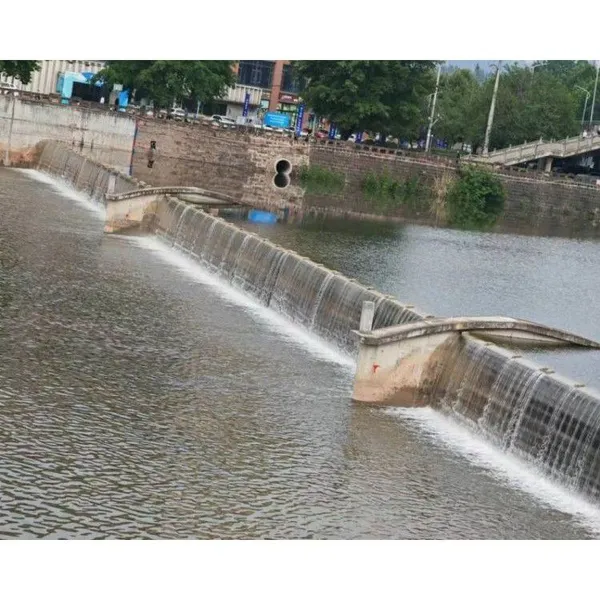
Landscape Lake Air-Shield Water-Retaining Dam Low Maintenance Long Service Life for Municipal Projects





Related Products
-
 Irrigation Canal Air-Shield Dam Design on Demand High-Quality Equipment From Direct ManufacturerUS$ 1000 - 1100MOQ: 10 Square Meters
 -
High-Efficiency Emergency Air-Shield Dam Quick Lifting Response for Flood Control & Water RetentionUS$ 1000 - 1100MOQ: 10 Square Meters
-
Urban Inland River Air-Shield Dam Cost-Effective Solution With Customizable Sizes & Installation SupportUS$ 1000 - 1100MOQ: 10 Square Meters
-
Heavy-Duty Inflatable Air-Shield Dam (Non-Rubber Dam) Suitable for River Flood Control & Irrigation SystemsUS$ 1000 - 1100MOQ: 10 Square Meters
-
Low Maintenance Ecological Air-Shield Dam Reliable Supplier for Landscape Lake & Water Conservancy ProjectsUS$ 1000 - 1100MOQ: 10 Square Meters
Functions of Air-Shield Dams
As a flexible and efficient water conservancy structure, air-shield dams integrate multiple functions to meet diverse needs in river management, water resource regulation, and ecological protection. Its core functions, driven by the inflation/deflation of the inflatable airbag and the coordination of key components, are detailed as follows:
1. Water Retention and Storage
This is the primary function of air-shield dams, focusing on capturing and storing water for various uses.
Working Principle: When water storage is required, the air compressor inflates the core airbag. The expanded airbag lifts the dam face plate vertically, forming a barrier across the river channel to block upstream water flow.
Application Scenarios:
Irrigation: Retain water in rivers or canals to maintain stable water levels for farmland irrigation, especially during dry seasons.
Urban Water Supply: Store surface water in reservoirs or artificial lakes to supplement urban domestic and industrial water needs.
Landscape Water Bodies: Create scenic lakes or waterfronts in urban parks or tourist areas by retaining water, enhancing environmental aesthetics.
2. Flood Discharge and Waterlogging Control
Air-shield dams provide a rapid and flexible solution for flood management, reducing the risk of inundation.
Working Principle: When upstream water levels rise sharply (e.g., due to heavy rainfall or floods), the control system triggers rapid deflation of the airbag. The deflated airbag shrinks horizontally, and the dam face plate lowers to lie flat on the riverbed, fully opening the channel.
Key Advantages: Unlike traditional sluice gates that require hours to adjust, air-shield dams can complete deflation and channel opening within 10–30 minutes, ensuring timely (drainage) of floodwaters.
Application Scenarios:
Small and Medium Rivers: Prevent river overtopping and rural/urban waterlogging during flood seasons.
Urban Drainage: Assist in diverting excess water from urban inland rivers to municipal drainage systems.
3. Precise Water Level Regulation
Air-shield dams enable fine-tuning of water levels to adapt to changing demands, rather than just "full retention" or "full discharge."
Working Principle: By adjusting the inflation pressure of the airbag, the height of the dam face plate can be precisely controlled (e.g., raising it by 0.5 meters or lowering it by 1 meter). This allows incremental adjustments to upstream water levels.
Application Scenarios:
Canal Navigation: Maintain a consistent water depth in inland canals to ensure the safe passage of small ships or barges.
Aquaculture: Regulate water levels in fish ponds or aquaculture zones to create optimal living conditions for aquatic organisms.
Downstream Water Supply: Stabilize the flow of water to downstream areas, avoiding sudden water shortages or surges.
4. Ecological Flow Preservation
Unlike rigid dams that often disrupt river ecosystems, air-shield dams support ecological balance by restoring natural river dynamics.
Working Principle: When not in use for water retention, the airbag is fully deflated, and the dam face plate is completely lowered to the riverbed. This eliminates physical barriers in the channel.
Ecological Benefits:
Aquatic Organism Migration: Unblocks migration paths for fish and other aquatic creatures, supporting their breeding and population maintenance.
Sediment Transport: Allows natural sediment movement downstream, preventing sediment accumulation upstream and maintaining riverbed stability.
Flow Regime Restoration: Restores the river’s natural flow velocity and pattern, preserving the habitat of riparian plants and microorganisms.
5. Landscape and Environmental Adaptation
Air-shield dams are designed to blend with surrounding environments, enhancing landscape value while fulfilling water management functions.
Working Principle: The dam face plate features a smooth, flat surface with no bulky structures (e.g., large sluice gates or piers). Its height can be adjusted to match the aesthetic needs of the area.
Application Scenarios:
Urban Waterfronts: Create adjustable water levels for waterfront plazas or promenades, allowing for seasonal landscape changes (e.g., higher water levels in summer for boating, lower levels in winter for maintenance).
Scenic Areas: Integrate with natural landscapes (e.g., mountain lakes or scenic rivers) without disrupting the visual harmony, unlike traditional concrete dams.
6. Emergency and Temporary Water Blocking
Air-shield dams serve as a reliable solution for emergency or temporary water control needs in water conservancy projects.
Application Scenarios:
Dam/Canal Maintenance: Temporarily block water in a section of a dam or canal to facilitate repair work (e.g., fixing leaks in concrete structures or cleaning sediment).
Emergency Water Diversion: Quickly raise the dam to divert water to drought-stricken areas or away from areas at risk of landslides.
In essence, the functions of air-shield dams revolve around flexibility and multi-purpose adaptability—it not only fulfills basic water retention and flood control needs but also balances efficiency, ecology, and landscape integration, making it a versatile tool in modern water conservancy.
Advantages of Air-Shield Dams
Air-shield dams have gained wide application in water conservancy projects (such as river flood control, irrigation, and urban landscape water systems) due to their unique structural design and functional advantages. Compared with traditional rigid dams (e.g., concrete gravity dams) and other flexible dams (e.g., rubber dams), their core strengths are as follows:
1. Lightweight Structure with Low Foundation Requirements
Unlike heavy concrete dams that demand solid and deep foundations to bear massive weight, air-shield dams rely on the inflatable airbag (the core component) for water retention. The overall structure is lightweight, and the load on the foundation is evenly distributed. This eliminates the need for complex and costly foundation reinforcement, making it particularly suitable for areas with poor geological conditions (e.g., soft soil or sandy riverbeds) and reducing both construction difficulty and initial investment.
2. Flexible and Rapid Water Level Adjustment
The operation of air-shield dams is controlled by inflation and deflation of the airbag, allowing for highly flexible water level regulation:
When water retention is needed (e.g., for irrigation or landscape), the airbag inflates quickly (usually within 10–30 minutes) to lift the dam face plate, forming a stable water storage area.
In case of flood risks or when water discharge is required, the airbag deflates rapidly, and the dam face plate lowers to open the river channel for unobstructed flood discharge. This rapid response is far more efficient than traditional dams, which require hours to adjust sluice gates.
3. Low Maintenance Costs and Long Service Life
Air-shield dams have a simple structural composition with fewer moving mechanical parts (e.g., no complex hoisting systems or gear transmissions). Their key components are designed for durability:
The inflatable airbag is made of high-strength composite rubber (with anti-abrasion, anti-aging, and anti-corrosion properties) that can withstand long-term immersion in water and resist damage from floating debris.
The dam face plate and anchoring system are treated with anti-corrosion processes (e.g., hot-dip galvanization for steel plates), reducing rust and wear.Routine maintenance mainly involves checking airtightness, cleaning the surface, and replacing sealing strips—tasks that are simple, low-cost, and do not require long-term shutdowns. With proper maintenance, the service life of an air-shield dam can exceed 20 years.
4. High Safety and Strong Anti-Impact Performance
Safety is a core advantage of air-shield dams, supported by multiple protective designs:
Emergency deflation function: In case of unexpected failures (e.g., airbag leakage, excessive upstream water level), the control system can trigger automatic or manual rapid deflation to lower the dam, avoiding risks such as dam overtopping.
Flexible anti-impact capability: The inflatable airbag has elastic properties, which can buffer the impact of floating objects (e.g., branches, stones) in the water. Unlike rigid dams, which may crack or deform under impact, the airbag absorbs energy through slight deformation, protecting the overall structure from damage.
Pressure safety protection: A safety valve is installed in the inflation system to automatically release excess air if the airbag pressure exceeds the design limit, preventing airbag burst.
5. Ecological and Landscape Compatibility
Air-shield dams have minimal impact on the river ecosystem and good landscape integration:
Unobstructed river channel when lowered: When the airbag is deflated, the dam face plate lies flat on the riverbed, restoring the natural flow of the river. This does not block the migration path of aquatic organisms (e.g., fish) or affect the transportation of sediment, protecting the river’s ecological balance.
Aesthetic appearance: The dam face plate has a smooth, flat surface, and the height can be adjusted to match the surrounding landscape (e.g., urban waterfronts or scenic lakes). Unlike traditional dams with bulky structures, air-shield dams blend naturally with the environment, enhancing the overall landscape quality.
6. Adaptability to Diverse Climatic and Hydraulic Conditions
Air-shield dams can be customized to adapt to different working environments:
Cold region adaptation: For areas with low temperatures (below 0°C), the airbag and pipelines can be wrapped with thermal insulation layers, and anti-freezing agents can be added to the compressed air system to prevent freezing and cracking.
Low-water-head suitability: They are optimized for low-water-head scenarios (usually 1–6 meters), which is more cost-effective than traditional sluice gates that are designed for high water heads but inefficient in low-head applications.
Bidirectional water retention (optional): Special designs can enable the dam to retain water on both the upstream and downstream sides, making it suitable for complex water conservancy projects (e.g., tidal rivers or inland lake regulation).
In summary, air-shield dams combine flexibility, economy, safety, and ecological friendliness, making them an ideal choice for modern small and medium-sized water conservancy projects that require efficient water regulation and low long-term costs.

Send Inquiry to This Supplier



You May Also Like
-
High-Performance Air-Shield Dam Manufacturer Supply Lightweight & Flexible Dam for Irrigation & Flood ControlUS$ 1000 - 1100MOQ: 10 Square Meters
-
Municipal Landscape Air-Shield Dam Long Service Life Low Foundation Requirement for Urban Water ProjectsUS$ 1000 - 1100MOQ: 10 Square Meters
-
Emergency Response Air-Shield Dam Fast Lifting & Low Maintenance for Urban Inland River Flood ControlUS$ 1000 - 1100MOQ: 10 Square Meters
-
Custom Emergency Flood Discharge Air-Shield Dam Fast Lifting Response From Direct ManufacturerUS$ 1000 - 1100MOQ: 10 Square Meters
-
Lightweight Air-Shield Water-Retaining Dam Low Foundation Requirement for Municipal Landscape Lake UseUS$ 1000 - 1100MOQ: 10 Square Meters
-
Air Filled Rubber Dam for Tide Barrier and Flood ControlUS$ 1000 - 1100MOQ: 10 Square Meters
-
High Water Flow Stop Flooding Safety Filled Barriers Shield Type Flood Control Barrier Air Fillable Rubber Water Dam PriceUS$ 1000 - 1100MOQ: 10 Square Meters
-
Gas Shield Dam/Air Shield Dam/Spillway Gate/Ecological Air-Bladder Support Gate on SaleUS$ 1000 - 1100MOQ: 10 Square Meters
-
Pneumatic Shield Type River Dam | Innovative Water Control SolutionUS$ 1000 - 1100MOQ: 10 Square Meters
-
Pneumatic Shield Type River DamUS$ 1000 - 1100MOQ: 10 Square Meters


