








 Contact Platform Support
 Help Center
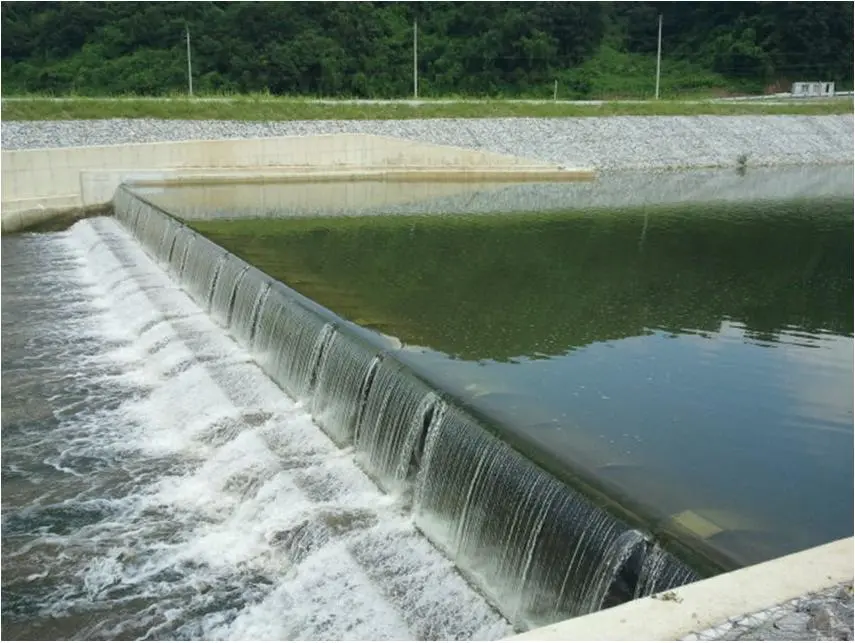
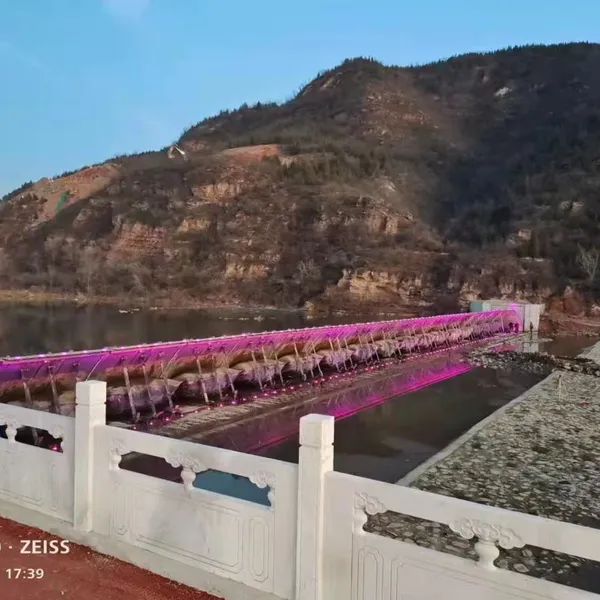
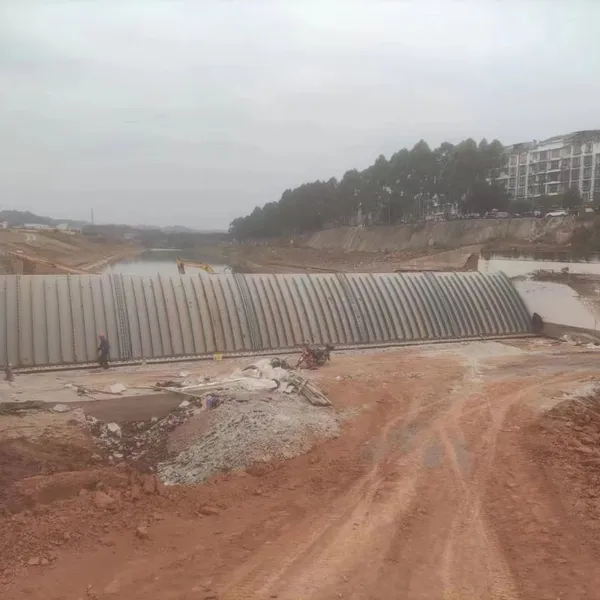
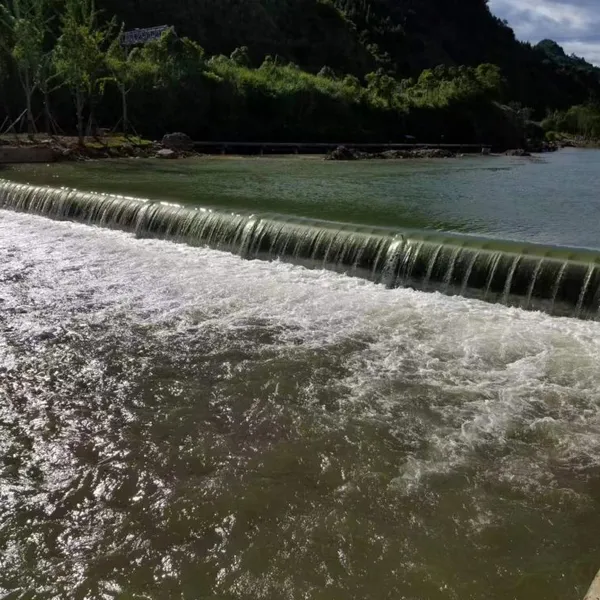
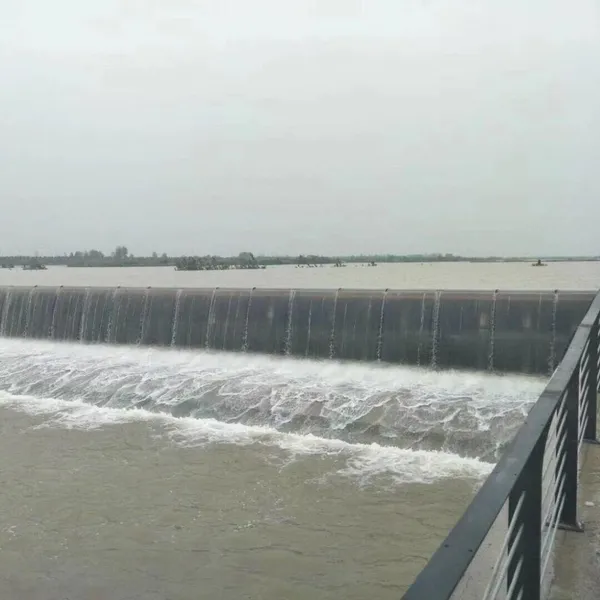
Urban Inland River Air-Shield Dam Cost-Effective Solution With Customizable Sizes & Installation Support





Related Products
-
 Heavy-Duty Inflatable Air-Shield Dam (Non-Rubber Dam) Suitable for River Flood Control & Irrigation SystemsUS$ 1000 - 1100MOQ: 10 Square Meters
 -
Low Maintenance Ecological Air-Shield Dam Reliable Supplier for Landscape Lake & Water Conservancy ProjectsUS$ 1000 - 1100MOQ: 10 Square Meters
-
High-Performance Air-Shield Dam Manufacturer Supply Lightweight & Flexible Dam for Irrigation & Flood ControlUS$ 1000 - 1100MOQ: 10 Square Meters
-
Municipal Landscape Air-Shield Dam Long Service Life Low Foundation Requirement for Urban Water ProjectsUS$ 1000 - 1100MOQ: 10 Square Meters
-
Emergency Response Air-Shield Dam Fast Lifting & Low Maintenance for Urban Inland River Flood ControlUS$ 1000 - 1100MOQ: 10 Square Meters
Composition of Air-Shield Dam
The air-shield dam is a lightweight, flexible water-retaining structure, whose performance depends on the coordinated work of its core components. The main compositions and their functions are as follows:
1. Inflatable Airbag (Core Load-Bearing Component)
As the "power core" of the air-shield dam, it is usually made of high-strength composite rubber (e.g., neoprene or ethylene-propylene-diene monomer rubber) with multiple layers of reinforcing fabric (such as nylon or polyester cord) inside. When inflated with compressed air, it expands vertically to support the dam face plate and resist upstream water pressure; when deflated, it shrinks horizontally to lower the dam for flood discharge or water level adjustment. Its airtightness and anti-abrasion performance directly determine the dam’s water-retaining efficiency and service life.
2. Dam Face Plate (Water-Retaining and Protective Component)
It is a rigid or semi-rigid panel installed on the top of the inflatable airbag, mainly made of steel plates (hot-dip galvanized for anti-corrosion) or reinforced concrete slabs. Its main functions include:
Directly blocking upstream water to prevent water from seeping into the airbag;
Protecting the airbag from damage by floating debris (e.g., branches, stones) in the water;
Maintaining a flat, stable water-retaining surface to reduce water flow turbulence.
3. Anchoring System (Fixing and Stabilizing Component)
This system is used to fix the inflatable airbag and dam face plate to the dam foundation, ensuring the structure does not shift under water pressure or wind load. It mainly includes:
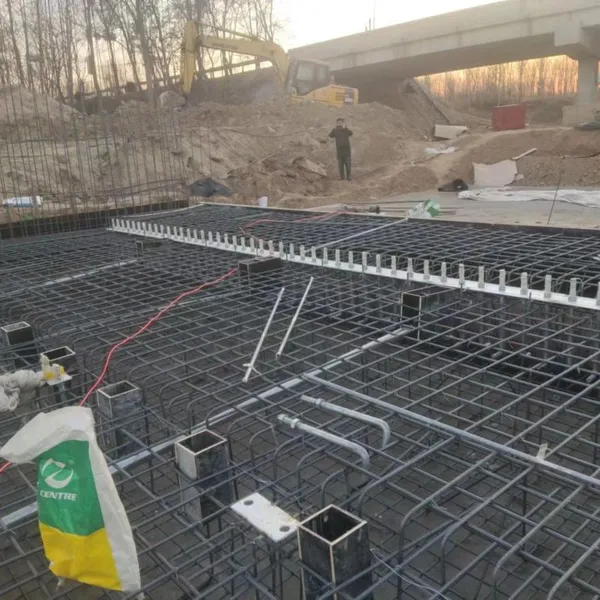
Bottom Anchors: Embedded in the concrete dam foundation, connected to the bottom edge of the airbag via high-strength bolts to limit horizontal movement;
Top Anchors: Fixed on the upstream or downstream bank, connected to the top of the dam face plate to prevent the panel from tipping over when the airbag is fully inflated.
4. Inflation/Deflation System (Power Control Component)
It controls the expansion and contraction of the airbag, consisting of:
Air Compressor Unit: Provides compressed air (usually with pressure stabilization and filtration functions to avoid impurities damaging the airbag);
Air Pipes and Valves: High-pressure resistant pipelines (e.g., steel or polyurethane pipes) and electromagnetic control valves, used to transport air and adjust inflation/deflation speed;
Pressure Gauge and Safety Valve: Monitors the air pressure inside the airbag in real time; the safety valve automatically releases excess air if pressure exceeds the design limit, preventing the airbag from bursting.
5. Control System (Intelligent Operation Component)
It realizes automatic or remote control of the dam, mainly composed of:
PLC Controller (Programmable Logic Controller): The "brain" of the system, which receives signals from sensors (e.g., water level, air pressure) and issues commands to the inflation/deflation system;
Human-Machine Interface (HMI): A touchscreen or computer terminal that displays real-time data (e.g., airbag pressure, upstream water level) and allows manual operation (e.g., starting/stopping inflation);
Emergency Stop Module: In case of faults (e.g., air leakage, excessive water level), it can quickly trigger deflation to ensure the dam’s safety.
6. Sealing System (Anti-Leakage Component)
To prevent water from seeping through gaps between components, it includes:
Edge Seals: Flexible rubber strips installed between the dam face plate and the airbag, as well as between the airbag and the dam foundation, which deform with the airbag’s expansion to seal gaps;
Joint Seals: For multi-segment air-shield dams, sealing gaskets are used between adjacent airbags to avoid water leakage at the connection points.
7. Support and Protection Structures
Guide Rails: Installed on both banks of the river, they limit the lateral movement of the dam face plate and ensure it rises/falls along a fixed path;
Debris Screen: A grid-like structure set upstream of the dam to block large floating objects, preventing them from colliding with the dam face plate or airbag;
Anti-Freezing Layer (for cold regions): Insulation materials wrapped around the airbag and pipelines to prevent freezing damage in low temperatures.
These components work together: the inflation system expands the airbag, the airbag supports the dam face plate to retain water, and the control system adjusts the air pressure according to water level changes—realizing the air-shield dam’s flexible water-retaining and flood-discharge functions.

Send Inquiry to This Supplier



You May Also Like
-
Custom Emergency Flood Discharge Air-Shield Dam Fast Lifting Response From Direct ManufacturerUS$ 1000 - 1100MOQ: 10 Square Meters
-
Lightweight Air-Shield Water-Retaining Dam Low Foundation Requirement for Municipal Landscape Lake UseUS$ 1000 - 1100MOQ: 10 Square Meters
-
Air Filled Rubber Dam for Tide Barrier and Flood ControlUS$ 1000 - 1100MOQ: 10 Square Meters
-
High Water Flow Stop Flooding Safety Filled Barriers Shield Type Flood Control Barrier Air Fillable Rubber Water Dam PriceUS$ 1000 - 1100MOQ: 10 Square Meters
-
Gas Shield Dam/Air Shield Dam/Spillway Gate/Ecological Air-Bladder Support Gate on SaleUS$ 1000 - 1100MOQ: 10 Square Meters
-
Pneumatic Shield Type River Dam | Innovative Water Control SolutionUS$ 1000 - 1100MOQ: 10 Square Meters
-
Pneumatic Shield Type River DamUS$ 1000 - 1100MOQ: 10 Square Meters
-
Airshield Dam, Overflow Dam, Airbag Support, Expansion BagUS$ 1000 - 1100MOQ: 10 Square Meters
-
Air Shield Dam | Inflatable Rubber Dam With Steel Facing for Landscape and Flood ManagementUS$ 1000 - 1100MOQ: 10 Square Meters
-
Find Similar Icon Professional OEM Supplier of Customized Size Air Shield Dam for River ManagementUS$ 1000 - 1100MOQ: 10 Square Meters


