Water Hose Insights & Buyer's Guide
Maintaining elegance in your garden, keeping your lawn in perfect green condition, or even managing commercial landscaping systems on a robust scale, requires proper tools, and the most important of these is the water hose. Regardless of whether you aim for gardening for leisure, maintaining a flawless backyard, or irrigating a vast area of commercial space, the decision of what garden hose to buy should align with the purpose one is buying. In this write-up, the reader will understand the essentials, particularly the choice of functions, and the type of each category of water hose with specific emphasis on both irrigation and commercial purposes. Each element, from its capacity to withstand external forces to its bendability and even the form it takes, will be examined to ensure you have healthy green areas.
Categories of Water Hoses
Hoses for The Garden
One of the most commonly used hoses, perhaps out of all types’ water hoses, is the garden hose for the function of watering and cleaning homes. Most of these hoses are made of light materials, thus facilitating movement around the home or yard. It reduces the chance of kinking further down the hose, as most low-end types do not have this feature. The following are some of the basic considerations when purchasing a garden hose:
Size: There is a wide selection of garden hoses, with most of them measuring between 25 ft and 100 ft, depending on the size and design of the garden.
Composition: The composition of the hose material is usually represented with several layers of tough rubber or vinyl, making it last longer and more resistant to changes in the water pressure.
Management: Most garden hoses incorporate a hose reel, which allows convenient storage and keeps the hose from bending or getting tangled up in a mess.
Functionality: Various types of hose nozzles can be attached to them, while different spraying methods for watering plants and landscaping can be applied.
It is important to note that when selecting a garden hose, different factors will make the decision easier for you, depending on how you use your garden or backyard. These factors include the length of the hose you need, the type of material that the hose is made of, and whether or not the water hose that you select will fit in with the existing irrigation infrastructure.
Expandable Water Hose
Expandable water hoses have become increasingly popular in recent years. This is particularly true in domestic applications because of their ingenious form and convenience. Inside the hose, there is a pipe held by two layers of fabric, one of which is elastic, while the other is protective, and this extends up three meters and back to its original shape when there is no water. This allows saving, placing, and increasing the convenience, as after the usage of the hose, it shrinks back to a smaller form. The expandable hose weighs less, and good alternatives for it are bulky and heavy hoses that make it difficult to manage. Such hoses are often kink-free, unlike normal hoses, and the water flows very easily. Such a design of expandable hoses makes them fit for use in small or even medium gardens, car washing, and other tasks where it’s convenient and confined. Nonetheless, it is important to note that these hoses are not designed for any high pressure or commercial use, given that they are mainly intended for moderate water requirements around the house. It is very important to check the compatibility of an expandable hose with a variety of hose nozzles and fittings, as this extends its capabilities to fulfill most if not all, watering purposes.
Industrial and Commercial Hoses
Industrial and commercial hoses are built to withstand the abuses of tough applications with the aid of components far superior to a garden hose assembly. The hoses are made out of hard materials like reinforced rubber or polyurethane to enable the applied pressure of water and the unyielding conditions of the environment. Such hoses are particularly needed in environments where there is a need to ensure an adequate supply of water for cleaning, in construction sites, or in commercial irrigation works. Due to the large areas, the diameters of such hoses are challenged so that larger volumes of the liquid substance can be held, which is important for the operation of work processes in industrial settings. In addition to this, industrial hoses are designed for use with other services like abrasive compounds and chemicals, along with high temperatures, therefore suitable for any application except domestic. Some have soaker designs, wetting the ground instead, as in agricultural situations. This can water a big surface but in a gentle manner. Therefore, when purchasing industrial and commercial hoses, one should keep in mind all the basic features of the application, including the length, pressure range, and the ability to attach heavy-duty hose nozzles and attachments. Such considerations ensure that the water hose works perfectly and lasts a long time even in harsh environments.
Features and Benefits of Different Hoses
Material Durability
The component durability one can expect from a water hose is a key factor that dictates the longevity and performance of the product. In most cases, garden hoses come in different manufacturing materials that include rubber, vinyl, and a blend of both materials, and each option comes with its pros. On the other hand, rubber hoses provide strong housings that can endure high and low temperatures as well as high-pressure water within the pipes; these pipes, without any doubt, are for heavy piping. Vinyl, on the other extreme, is a lot easier to handle and cheaper, making it usable for lower-grade household chores. Choosing a material determines how flexible the hose will be and how it can resist kinking. This is why hoses that are ready to use also add reinforcement layers. When money and efficiency matter, there ARE specially designed hoses for drinking purposes - they are free from lead and other harmful materials and contain no toxins. The hoses usually used in industrial and official instances are of high-quality polyurethane or rubber to cope with prolific, rough, and tough uses. This is not a dull thing, as an understanding of what a hose is manufactured from will offer wise knowledge of whether or not the hose being used is suitable for irrigated farming or dishwashing, be it in the house or a business place.
Length and Flexibility
The hose length and flexibility are two essential elements that must be taken into consideration when deciding what tasks we want to use a hose for. The length of what are the watering hoses ranges between 25 ft to 100 ft. Within that range, the user can decide the size they need, whether it is for a small backyard or connecting to a very far placed sprinkler system. Expandable garden hoses bring added convenience because they can extend a water-filled hose and then shrink to an empty hose for It To Be storage. Consequently, they are very useful for home users, more so where the space for storage is not readily available. Particularly, hoses are often subjected to yard work, which makes flexibility an essential characteristic whenever the person is trying to move around obstacles in the yard. This is because a pipe having better flexibility can be easily handled without kinking, which may stop the flow of water. Using a hose reel also reduces the stored mass of the hose, which in turn makes its utilization and handling easier. Both the length and flexibility of the water hose must be taken care of while doing activities that require a water hose.
Pressure Ratings (PSI)
Pressure ratings, expressed in pounds per square inch (PSI), are cardinal; when too much attention is paid to the choice of water hose, which also shows the highest water pressure that a hose can withstand. Hoses found in most gardens or yards have an established pressure rate which is good enough for domestic watering, but care should be taken to ensure that the hose will be capable of the water pressure from the house supply for the length of the hose to avoid burst or breakage. Rugged hoses are manufactured to sustain higher PSI’s and therefore are suited for heavy-duty water use, such as commercial or industrial operations. When using high-pressure nozzles and systems such as power washers or irrigation systems, it is important to note that the hose to be used has a pressure rating that suits the application. This is important since taking the wrong pressure capacity in the hose to the application does more harm than good. This concept of pressure ratings results in ensuring the selection of the appropriate Al water hose for each application, thus maximizing the performance and service life, be it domestic or the more intense occupational interventions.
Practical Water Hose Applications
Irrigation and Landscaping
In instances where irrigation and landscaping are needed, water hoses tend to be some of the most useful pieces of equipment, and they come in handy for a wide range of activities that involve the sustenance of plants and grass. Most of these gardening activities include household chores that involve the use of garden hoses, as it is more convenient and effective. The following considerations and choices have to be ensured when purchasing a garden hose:
Unlike before, where all hoses used to be the same length, homeowners are now able to buy as short as 25 ft and as long as 100 ft water hoses based on the size of the yards and gardens.
Expandable garden hoses are interesting because they can be stretched to the required distance for use and yet be stored compactly as they are short when not in use. This helps them a lot when one has to work around things such as flower gardens or garden walkways.
Supplementing the system with a suitable hose nozzle or a sprinkler head allows for more precise irrigation, as it enables customizing the pattern of watering to the different kinds of plants. Whether it’s a small home garden or something larger in scale, better results are achieved when the correct garden hoses are employed. With the right water hoses, an optimal water supply is made possible, helping the plants to thrive even more.
Cleaning and Maintenance Tasks
The water hose is an essential tool, not only for gardening purposes but for many other household or commercial cleaning and maintenance work. For instance, it is possible to connect a hose with a nozzle to use it as a powerful cleaner that can reach out to wash cars and patios, and even outdoor furniture. The pressure rating or PSI (pounds per square inch) of the hose becomes an important factor in these applications to ensure that the hose can channel high-pressure water without bursting. Lightweight and heavy-duty garden hoses are generally chosen for indoor cleaning of patios or vehicles because they are easily portable and simple to use. When it comes to other, more stringent cleaning applications involving an office or industrial set-up, a heavy-duty hose with reinforced construction increases longevity to meet the expected level of use. One effective way of storing the hoses to preserve them for a long time is to keep them on the hose reel. And performing the necessary maintenance measures, such as making sure there are no leaks or loose connections, will prepare the hose for any field cleaning purpose.
Heavy-Duty Applications
A water hose used frequently for industrial and residential purposes is likely constructed differently and has more appropriate hardware than that of another within the residential or domestic setting as the requirement for the latter is on a different level. Hoses that contain pressurized water meant for construction, paper, cleaning, and irrigation purposes are called building and overall hoses. Made of heavy-duty materials in most cases, PDF reinforced rubber and polyurethane, these hoses are resistant to wear and tear, abrasion, and chemicals, as well as temperature extremes. Thus, hoses are rather wide as a wider diameter is vital for higher water supply and is required for heavy-duty purposes. Furthermore, a certain heavy-duty hose facility is a soaker hose that provides water over an extended surface area, i.e., agriculture. It should be noted that the ability to fit heavy-duty nozzles and adaptors is very important, as without them, the system can register decreases in strength and performance. However, in deciding on a house to use in heavy-duty applications, it will be essential to bear in mind the duration, pressure limits, and factors relating to the house in question without hurting the effectiveness and efficiency of its work. As a result, these designs combine the pump and the water hose to drive efficiency while maintaining quality.
Frequently Asked Questions (FAQs)
How important is length when selecting a water hose for home use?
Usually, the selection of a water hose for home use depends on the nature of the watering task to be performed and the arrangement of the garden. It is common to find domestic users opting for a 50 ft or 100 ft long water hose, as such sizes provide a comfortable range of reach. In the case of larger gardens or watering several areas, you can also use many hoses joined together. Nevertheless, it should be noted that each hose also has a maximum working pressure, and if such a hose is very long, then the pressure will be significantly reduced. In compact areas, you may require a short hose that is less cumbersome and easier to pack away. Moreover, one would do well to select a hose that does not kink to facilitate its application.
Which is the best duty water hose for your backyard?
Complaints regarding tires may vary, as it depends on the reduction of air levels in magnitude in the tubeless and the lessened grip in the case of tires filled with air. Water hoses are also of different kinds: heavy duty, light duty, premium duty, etc. This argument shall not be prolonged since the focus of this paper is not the modalities of horticulture. However, those aimed at more extensive objectives of work may consider a hose of a bigger diameter. However, for those gardening tasks you have described, a hose of medium duty shall be sufficient. What you also have to do is see that you can attach a hose that can go with those components. Also, ensure that the hose purchased is not prone to kinks or cuts and at the same time protected from the sun, and does not turn brittle easily.
How does a sprinkler system with a weeping inner surface benefit agricultural activities?
In gardens and borders, a great alternative for effective watering is the use of a soaker hose. The hose allows the water to flow below the surface by direct seepage of water into the soil without loss due to evaporation. Deep-rooted plants that require humidity must be maintained and are bound to gain more than others with such an irrigation strategy. Soaker hoses also provide ease of covering large areas, and when used for a long period, they can be fitted with a smart timer. Besides, they are made of hardware, showcasing the ability to handle a wide range of weather. When operating a soaker hose, make sure that the proper water pressure is achieved to maximize the delivery of water.
What should I do to store my water hose well?
A water hose should be kept properly, or else its quality and service life will be compromised. The hose should be vertically drained after use to allow no water to remain inside it and freeze after some time, causing damage. A reel or a hanger that can hold the hose is an impressive feature that any house with an outside water source should have. It is advisable to store it in the shade to shield it from UV rays to ensure that the material is not weakened due to wear and tear. However, the presence of a kink-resistant hose helps to solve some storage issues. For persons who use storage for less space, it is better to look for compactor options that apply to the user.
How much pressure should I be looking for in a commercial water hose?
When choosing a commercial water hose, the pressure rating of the hose is an important consideration. A hose with a higher psi (pounds per square inch) rating can withstand higher pressures and hence is used for well-known activities such as pressure washing and more extensive irrigation. Most commercial hoses have a psi rating of 300 and above. Also, try looking for hoses that are built out of high-quality materials so that they may last for long periods. The diameter of the hose is also an important factor to consider, as wider hoses tend to handle higher pressures better. Always opt for hoses that have a warranty.









 Contact Platform Support
 Help Center
 Perkins 3482T046 Water Hose CAT/ FGWilsonGEP55-1 342-257 for 1104D EngineNegotiableMOQ: 1 PieceBrand Name: Water HoseModel Number: 3482T046 342-257Ningbo Qiuning Trading Co., Ltd
 3 Yrs
3 Yrs 15FT Rv Heated Water Hose Cold Weather Heated Drinking Water HoseUS$ 10 - 50MOQ: 1 SetPlace of Origin: Anhui, ChinaAnhui Youyu Electric Heating Equipment Co., Ltd.
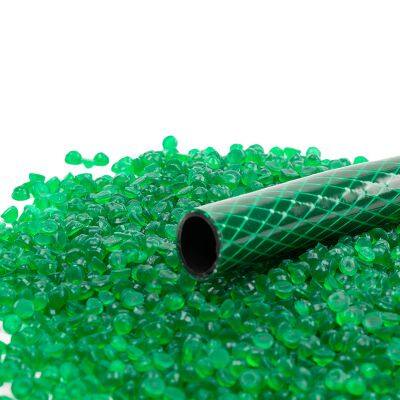 PVC Water Hose Pipe Granules Compound PVC Raw MaterialUS$ 1099.00 - 1199.00MOQ: 5 Tonscolor: Customized ColorShape: GranulesTongxiang Small Boss Special Plastic Products Co.,Ltd.
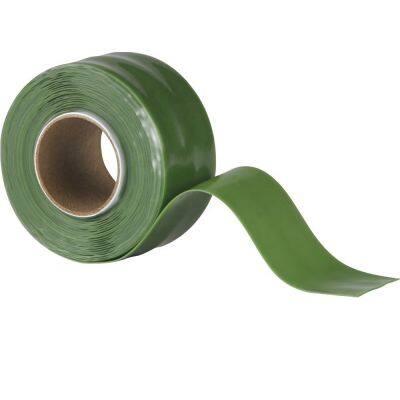 Emergency Pipe Plumbing Water Hose Quick Repair TapeUS$ 3.2 - 5.8MOQ: 1 RollBrand Name: MOCAPPlace of Origin: Missouri, United StatesModel Number: TPE SeriesAdhesive: SiliconeZhongshan MOCAP Industry Co.,LTD
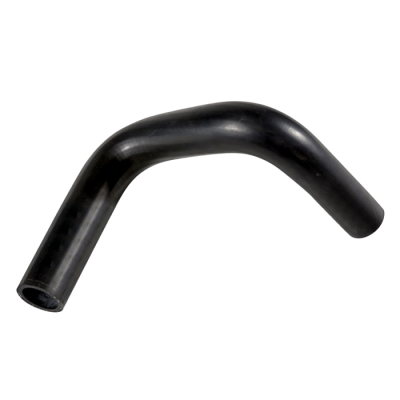 Genuine SANY SY245C Excavator Hydraulic Hose Kit 13684299 | OEM Water Hose Assembly for SY215 SY265 SY305 ModelsUS$ 42.08 - 56.11MOQ: 1 PieceWarranty: UnavailableCondition: NewVideo outgoing-inspection: ProvidedMachinery Test Report: ProvidedHS Electrical Technology Co,LTD
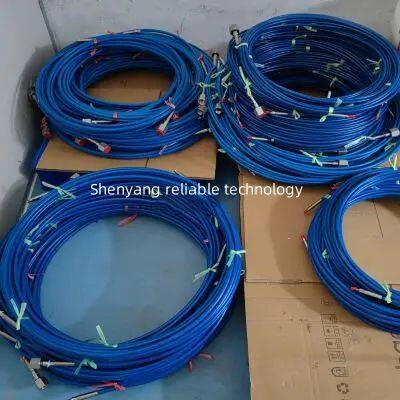 Flexible Lance With Nozzle for Narrow Tube Cleaning High Water Pressure Industrial Pipe Cleaning LanceUS$ 10.00 - 15.00MOQ: 10 Meterswarranty: 3 Monthsweight (kg): 1place of origin: shenyang, Chinabrand name: RELIABLEShenyang Reliable Technology Co., Ltd.
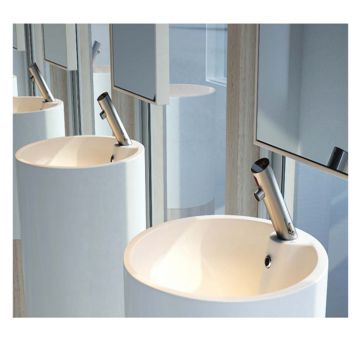 Touch Water Faucet With 304ss Inlet HoseUS$ 1 - 1000MOQ: 1 PieceZhongshan ACEYEA Sanitary Ware Co., Ltd.
 Daikin Air Conditioning Outdoor Unit Drainage Hose Joint RQ125AY3C Water Pipe Sleeve Gasket Pipe Sleeve CoverCNY 200 - 1000MOQ: 1 PieceBrand Name: DaikinPlace of Origin: ChinaModel Number: Daikin air conditioning outdoor unit drainage hose joint RQ125AY3C water pipe sleeve gasket pipe sleeve coverCertification: ULDongguan Shun Chi Mechanical And Electrical Equipment Co. , Ltd.
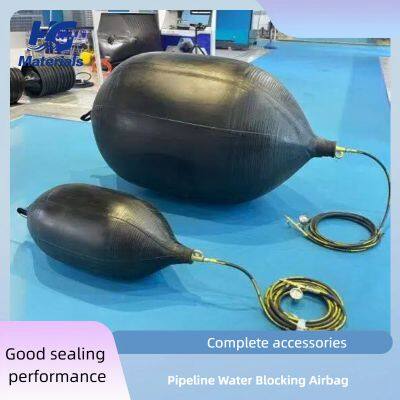 China Factory High Pressure Water Blocking Rubber Balloon Airbag All Sizes for Sewer Line All-Inclusive Hose IncludedUS$ 12 - 16MOQ: 10 CombosMaterial: Composite RubberCertification: ISO9001Shape: CylindricalFunction: Closure TypeHengshui Haogu Engineering Materials Co., Ltd.
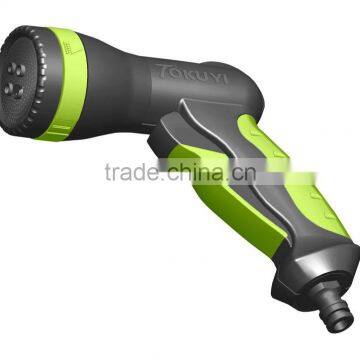 Garden Water Hose NozzleUS$ 1 - 2MOQ: 1000 SetsPlace of Origin: Guangdong, ChinaBrand Name: OEMModel Number: TO-GSA/TO-GSBGarden Water Gun Type: NozzlesFine Dragon Technology Limited
 2inch Layflat Water HoseNegotiableMOQ: 2000 MetersPlace of Origin: Shandong, ChinaBrand Name: JINYUDAModel Number: 32-110MMPlastic Modling Type: MouldLaiwu Jinyuda Plastic & Rubber Co., Ltd.
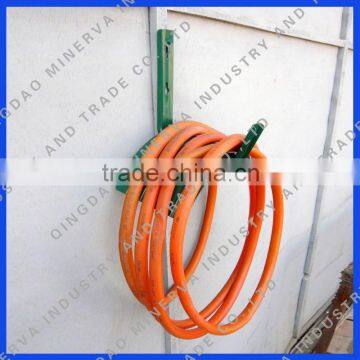 Green Color Water Hose HangerUS$ 2.1 - 3MOQ: 1000 PiecesPlace of Origin: Shandong, ChinaBrand Name: JOYModel Number: J-CY-014Material: Other, Metal, PlateQingdao Minerva Industry And Trade Co., Ltd.
 Pvc Flexible Water Hose Pvc HoseUS$ 2.1 - 3.2MOQ: 10 KilogramsPlace of Origin: Shandong, ChinaBrand Name: LUJUYONGSHENGModel Number: Pvc PipeMaterial: PVCRizhao Lanshan Yongsheng Rubber & Plastic Co., Ltd.
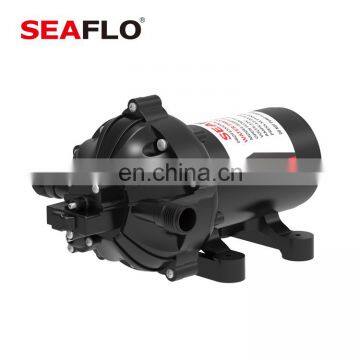 SEAFLO 12v Water Hose Filters Pump DiaphragmUS$ 31.5 - 35MOQ: 8 PiecesBrand Name: SEAFLOModel Number: SFDP1-040-060-54Fujian Aidi Electric Co., Ltd.
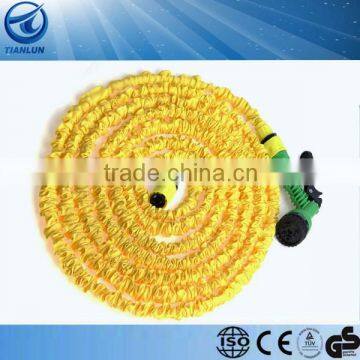 Garden Water Hose With 25ft/50ft/75ft/100ftUS$ 2.2 - 7MOQ: 500 SetsPlace of Origin: Jiangsu, ChinaBrand Name: TL Garden Water HoseModel Number: TLH-01 Garden Water HoseGarden Hose Reel Type: Water HoseZhangjiagang City Tianlun Import And Export Trade Co., Ltd.
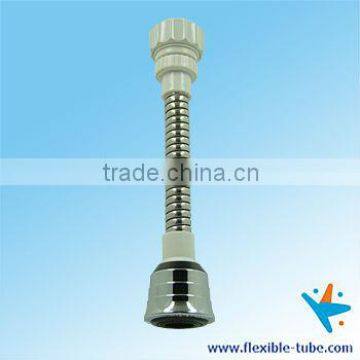 Water Hose Aerator (FA-B1-02)US$ 1.9 - 4.5MOQ: 300 PiecesPlace of Origin: Taiwan, ChinaBrand Name: KaiphoneModel Number: FA-B1-02Kitchen Faucet Accessories Type: Kitchen SprayersKaiphone Technology Co., Ltd.
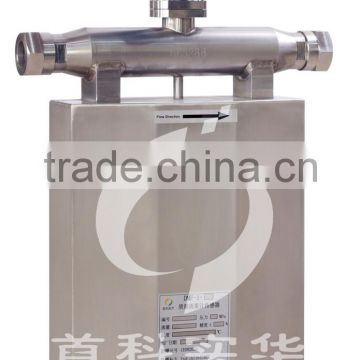 DMF-Series Mass Water Hose Flow MeterUS$ 200 - 5,000MOQ: 1 UnitPlace of Origin: Beijing, ChinaBrand Name: SincerityModel Number: DMF-SeriesBeijing Sincerity Automatic Equipment Co., Ltd.
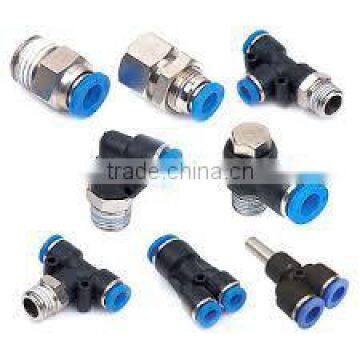 Parker Hose Airline Hose High Pressure Water HoseUS$ 1 - 10MOQ: 10 UnitsMaterial: Stainless SteelTechnics: CastingPlace of Origin: Zhejiang, ChinaModel Number: -Ningmao Hydraulic Pneumatic Components Factory
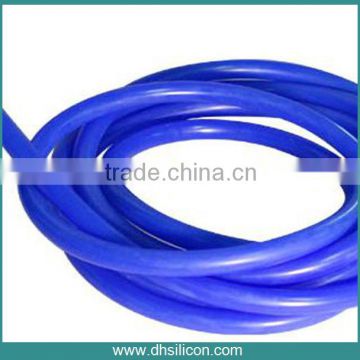 High Material/Rohs/different Size Hose / Silicone Water HoseNegotiableMOQ: 1000 MetersPlace of Origin: Fujian, ChinaBrand Name: SILICONE HOSEModel Number: Silicone water hose01Xiamen Denghong Electronics Co., Ltd.
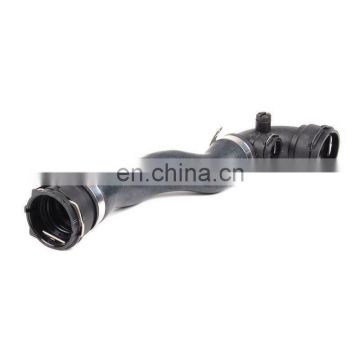 Radiator Cooling System Water Hose for BMW E46 Cabrio OEM 17127510952US$ 1 - 10MOQ: 100 PiecesBrand Name: GOGOPlace of Origin: Zhejiang, ChinaSuzhou Qqqpet Electronic Technology Co., Ltd.
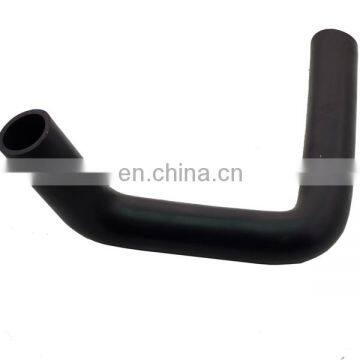 Backhoe Loader 3CX 4CX Water Hose Bottom 834/00147US$ 5 - 20MOQ: 50 PiecesBrand Name: HOLDWELLPlace of Origin: Zhejiang, ChinaModel Number: 834/00147Hangzhou Holdwell Mechanical And Electrical Co., Ltd.
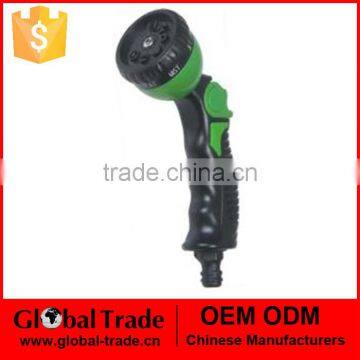 NEW Garden Watering Hose 8 Dial Way Spray Gun 550182US$ 0.75 - 1.12MOQ: 3000 PiecesPlace of Origin: Zhejiang, ChinaBrand Name: New brandModel Number: 550182Garden Water Gun Type: SprayersGlobal Trade (Chengdu) Ltd.
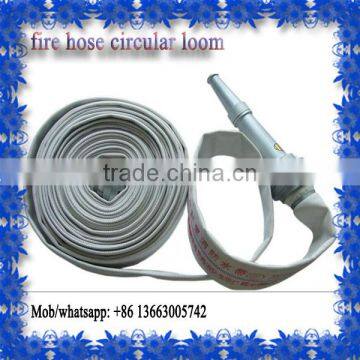 Textile Machinery Circular Loom for High-pressure Water Hose Making MachineUS$ 3,500 - 3,500MOQ: 1 SetCondition: NewMachine Type: Other, circular loomBag Type: Cement BagMaterial: PlasticHenan Yigong Machinery & Equipment Co., Ltd.
 LIUGONG FORKLIFT PARTS CLG2025H 32A0798 Water Hose IntakeUS$ 4 - 9MOQ: 1 SetPlace of Origin: Guangxi, ChinaBrand Name: LiugongModel Number: CLG2025HLiuzhou Quanlin Construction Machinery Co., Ltd.
 Purchaser verified certifications for Kalmar 923187.0001 Water Hose16 hours ago
 Procurement Lead is sourcing Garden/green hose irrigation system water pipe screw plug/pp compression fittings end cap/cover17 hours ago
 Buyer verified certifications for industrial water hose | industrial compressor air hose2025-12-19 03:12:58
 Procurement Lead requested a quote for Aluminum long handle water wash brush 10m hose car brush kit with sprayer2025-12-22 14:12:57
 Importer requested a quote for PVC/PE/NBR lining fire water hose2025-12-18 18:38:01
 Procurement Lead requested specs for Headlight Washer Pipe / Water Hose Tube OE 2048600292 FOR BENZ2025-12-19 17:45:00
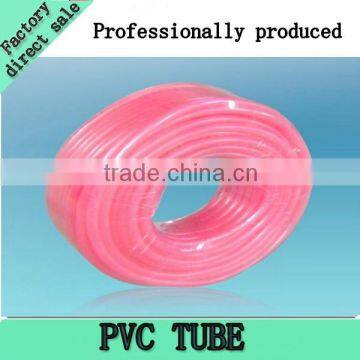 Competitive Price PVC Lay Flat Water Hose in ChinaUS$ 0.05 - 0.3MOQ: 1 RollPlace of Origin: Guangdong, ChinaBrand Name: vastType: FlexibleMaterial: PVCDongguan Weishida Insulation Materials Co., Ltd.
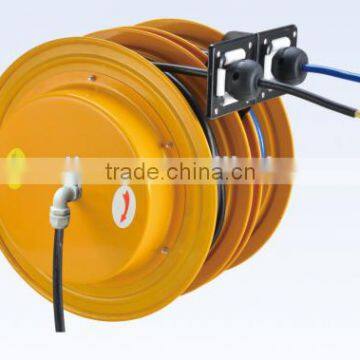 Combination Air/Water Hose Reel Dual Purpose ReelUS$ 20 - 50MOQ: 1Place of Origin: Shanghai, ChinaBrand Name: CowellModel Number: DB310Theory: OtherShanghai Cowell Machinery Co., Ltd.
 Kaifeng Sprayer High Quality Garden Water Hose SprayerNegotiableMOQ: 500 PiecesPlace of Origin: Zhejiang, ChinaBrand Name: kunfunSprayer Type: KnapsackMaterial: PlasticTaizhou Kaifeng Plastic & Steel Co., Ltd.
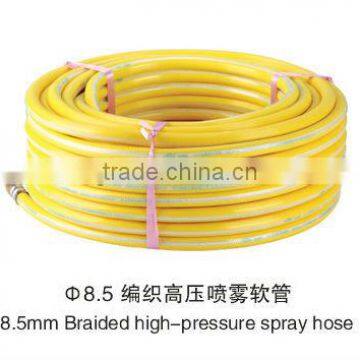 8.5mm-braided High-pressure Sprayer Hose,dog Hose,gates Garden Hose,canvas Garden Water HoseUS$ 3.1 - 3.3MOQ: 100 MetersPlace of Origin: Zhejiang, ChinaBrand Name: RuiJiuGarden Hose Reel Type: Water HoseMaterial: RubberTaizhou Ruijiu Elec-Mech Co., Ltd.
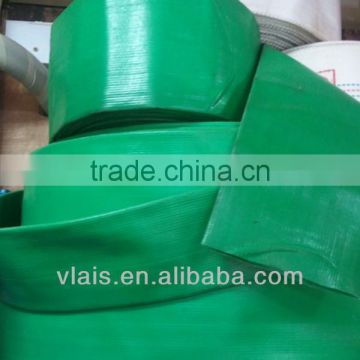 PE Water Belt, Heavy-duty Water Pipe for Wholesale, PVC Layflat Water HoseNegotiableMOQ: 1000 MetersPlace of Origin: Guangdong, ChinaBrand Name: VLAISModel Number: PVC PEGuangdong Vlais Industrial Co., Ltd.
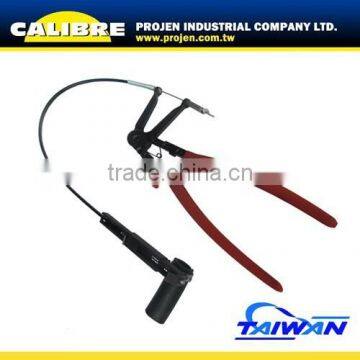 CALIBRE Universal Water Hose Clamp Wire Long Reach Hose Clamp PliersNegotiableMOQ: 200 PiecesPlace of Origin: Taiwan, ChinaBrand Name: Customized Packaging or CALIBREModel Number: CAB0059Warranty: 1 YearsProjen Industrial Company Ltd.
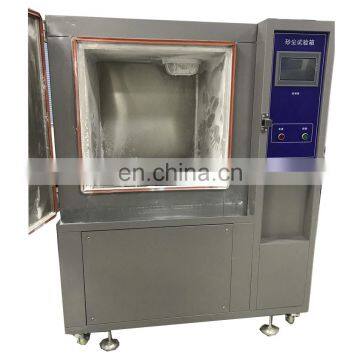 Straight Rubber Water Hose Product/Blowing Dust Environmental Test Chamber/Test MachineUS$ 2,800 - 3,500MOQ: 1 SetBrand Name: HONGJINModel Number: HJ-894Power: ElectronicHongjing Test Instrument Co., Ltd.