








 Contact Platform Support
 Help Center
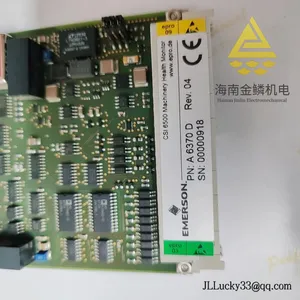
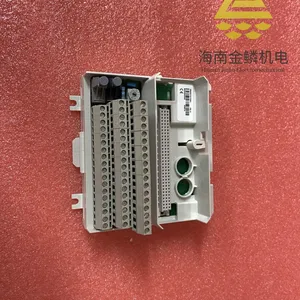
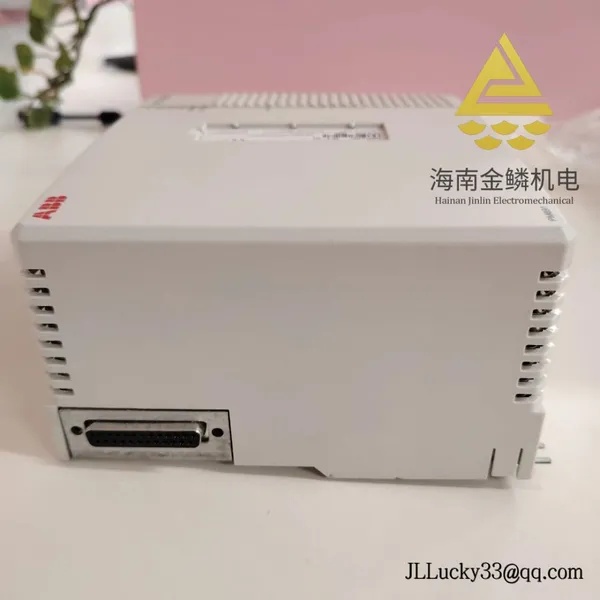
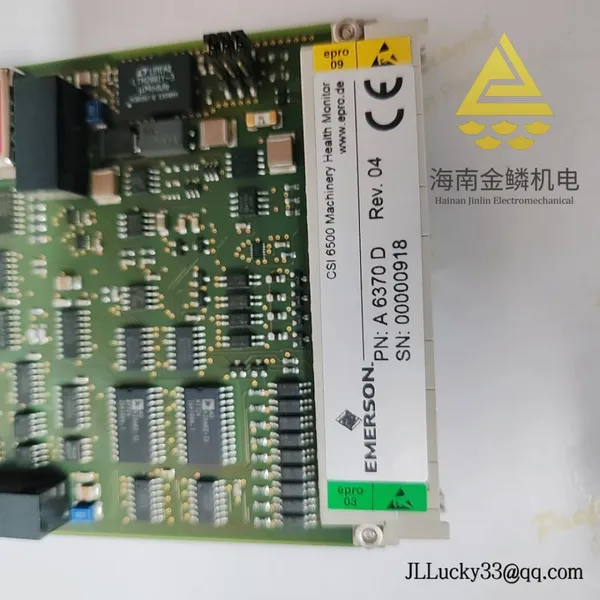
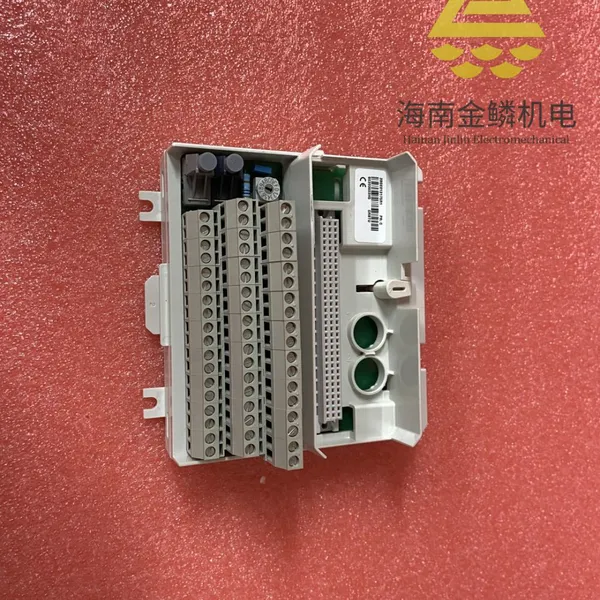
ABB SPHSS13 – High‑speed Serial Interface Module for Linking Legacy Devices to Modern Control




Related Products
-
 ABB 1TGE120021R0610 – Panel Builder 800 (PB610) Engineering License for Panel 800 HMIsNegotiableMOQ: 1 Combo
 -
GE 04240FD11234A – OEM Replacement Module for GE Industrial Control SystemsNegotiableMOQ: 1 Combo
-
ABB RED670 – High‑speed Line Differential Protection for Transmission Lines and CablesNegotiableMOQ: 1 Combo
-
ABB LD800HSEEX 3BSE073314R1 – Ex-rated FOUNDATION Fieldbus H1 to HSE Linking Device for System 800xANegotiableMOQ: 1 Combo
-
ABB CR-U230AC3L (1SVR405622R3100) – 230 VAC Plug-in Control Relay for Reliable 3CO SwitchingNegotiableMOQ: 1 Combo
The ABB SPHSS13 is commonly deployed as a high‑speed serial communications module within Symphony Plus/Harmony‑class control systems, designed to bridge RS‑232/RS‑485 field devices—like relays, drives, and RTUs—into the plant network. From my experience, it’s used when you need reliable, deterministic serial data exchange without rewriting the whole control architecture. You might notice that it simplifies brownfield integration where Modbus or proprietary serial links are still the backbone.
Dual serial channels (typical) – Supports RS‑232/RS‑485 connections to multiple third‑party devices without extra interface hardware.
Protocol flexibility – Commonly used with Modbus RTU; site engineers often map registers straight into the controller database for fast commissioning.
Electrical isolation – Channel-to-backplane isolation helps reduce ground loop issues in mixed vendor panels.
Deterministic polling – Tunable scan rates and retry logic to keep time‑critical links stable during plant upsets.
Onboard diagnostics – Status LEDs and basic counters for link health, making field troubleshooting quicker.
Backplane powered – No separate PSU wiring; installation is cleaner and typically quicker.
Lifecycle-friendly – Fits established ABB rack formats, so it tends to drop into existing cabinets with minimal rework.
| Brand / Model | ABB SPHSS13 |
| System compatibility | Typically used within ABB Symphony Plus / Harmony rack-based control systems |
| Power requirements | Backplane‑supplied (no external power); refer to the host rack/controller manual |
| Signal I/O types | Asynchronous serial data; RS‑232/RS‑485 (half/full‑duplex depending on configuration) |
| Communication interfaces | Typically two independent serial channels; common baud rates up to 115.2 kbps |
| Operating temperature | 0 to +55 °C (typical control cabinet environments) |
| Installation method | Plug‑in rack module; fixed with standard retaining hardware; wiring to terminal base/field blocks |
| Diagnostics | Front‑panel LEDs for module and channel status; basic error counters via engineering tool |
| Dimensions & weight | Standard single‑slot form factor for the target ABB rack (consult rack datasheet) |
The SPHSS13 tends to shine in brownfield plants where a mix of serial and Ethernet devices must coexist. Typical deployments include:
Power generation – Interface protection relays (Modbus RTU) and turbine subsystems to the DCS.
Oil & gas – Tie in compressor panels, analyzers, and legacy RTUs over RS‑485 multi‑drop.
Water & wastewater – Connect remote pump stations and instrument clusters without re‑cabling.
Metals, mining, pulp & paper – Link variable speed drives and OEM skids that still rely on serial links.
Field note: a utility client told us they kept a fleet of legacy relays online during a DCS upgrade by using this module to poll Modbus registers at stable intervals—no extra converter boxes, and commissioning stayed on schedule.
Advantages & ValueLower retrofit cost – Keep proven serial devices while modernizing controls; less panel rework and less downtime.
Reliability under load – Deterministic polling and isolation typically reduce nuisance comms faults during start‑ups.
Compatibility – Fits ABB rack ecosystems; engineering teams generally configure it with standard ABB tools.
Service lifecycle – Stable part family with longterm spares and support channels, which matters for regulated plants.
Cabinet & environment – Mount in a clean, ventilated control cabinet. Keep ambient within 0–55 °C and maintain clearance for airflow.
Wiring practices – Use shielded twisted pair for RS‑485; terminate the bus at both ends and keep stubs short. Separate signal from power cabling.
Grounding & isolation – Bond shields at one end to avoid loops; leverage channel isolation when interfacing mixed ground potentials.
Configuration – Set baud, parity, and polling in the engineering tool. Map registers/tags with clear naming to ease maintenance.
Routine checks – Inspect connectors, verify LEDs, and review comms error counters during PM rounds. Firmware updates should be scheduled during planned outages.
Spares strategy – Keep at least one spare module on site for critical loops; label channel configurations for fast swap‑outs.
CE‑marked and RoHS compliant in most shipments; UL/CSA listings are commonly available depending on region.
Manufactured under ISO 9001 quality systems (typical for ABB industrial modules).
Standard manufacturer’s limited warranty, often 12 months from delivery; extended service options may be available on request.
Note: Specific port counts, baud limits, and environmental ratings can vary by hardware revision. If you share your rack type and controller version, I can confirm the exact compatibility and recommended field terminals for SPHSS13 in your setup.

Send Inquiry to This Supplier


You May Also Like
-
ABB DO880 (3BSE028602R1) – High‑integrity Digital Output Module for S800 I/O and AC 800MNegotiableMOQ: 1 Combo
-
ABB REF615 HBFFAEAGNBA1ANB1XD – Feeder Protection & Control for Medium-Voltage DistributionNegotiableMOQ: 1 Combo
-
ABB 520PSD01 – Power Distribution Module for Stable Backplane Power in Process AutomationNegotiableMOQ: 1 Combo
-
ABB CI854AK01 (3BSE030220R1) – PROFIBUS DP Interface Module for AC 800M ControllersNegotiableMOQ: 1 Combo
-
GE IC200GBI001 – VersaMax Genius Bus Interface for Reliable Remote I/O on Legacy and Mixed NetworksNegotiableMOQ: 1 Combo
-
ABB SD812F (3BDH000014R1) – System Power Supply for AC 800F / Freelance Controller StationsNegotiableMOQ: 1 Combo
-
ABB FPR3203526R1002A – OEM Replacement Module for Industrial Control and Drives SystemsNegotiableMOQ: 1 Combo
-
ABB 3BHB012873R0004 – Drive Power/IGBT Interface Board for ABB Low-Voltage AC DrivesNegotiableMOQ: 1 Combo
-
ABB PFEA111-65 (3BSE050090R65) – Tension Electronics for Reliable Web and Strip MeasurementNegotiableMOQ: 1 Combo
-
ABB PCD235A101 (3BHE032025R0101) – High‑speed Control Processor for AC 800PECNegotiableMOQ: 1 Combo


