








 Contact Platform Support
 Help Center
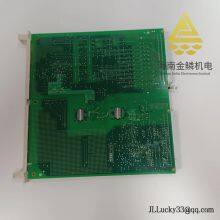
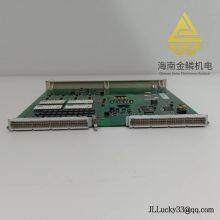
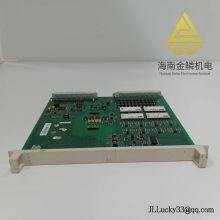
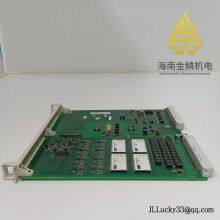
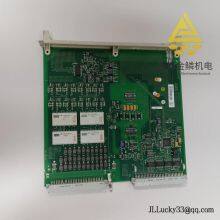
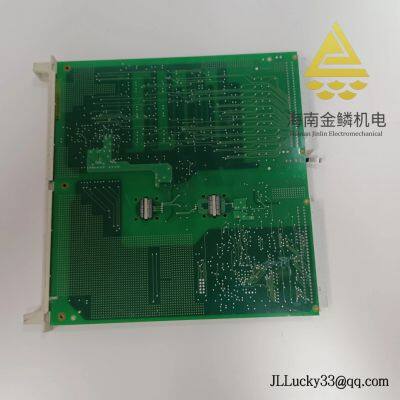
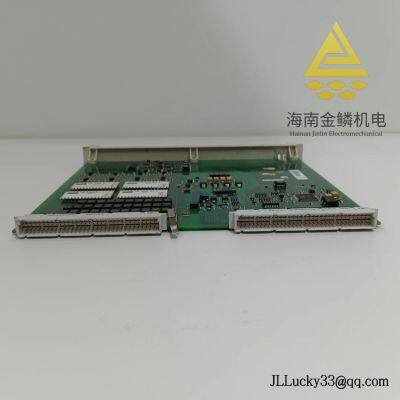
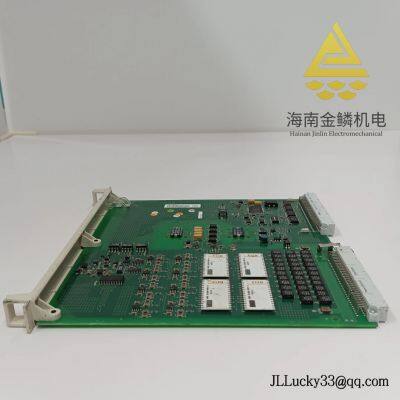
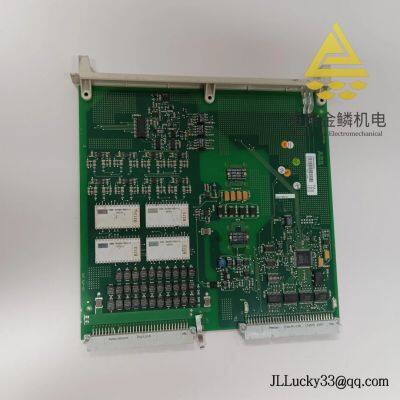
ABB DSAI130A (3BSE018292R1) – Multi‑channel Analog Input Module for Process Automation Systems



Related Products
-
 ABB SPHSS13 – High‑speed Serial Interface Module for Linking Legacy Devices to Modern ControlNegotiableMOQ: 1 Combo
 -
ABB 1TGE120021R0610 – Panel Builder 800 (PB610) Engineering License for Panel 800 HMIsNegotiableMOQ: 1 Combo
-
GE 04240FD11234A – OEM Replacement Module for GE Industrial Control SystemsNegotiableMOQ: 1 Combo
-
ABB RED670 – High‑speed Line Differential Protection for Transmission Lines and CablesNegotiableMOQ: 1 Combo
-
ABB LD800HSEEX 3BSE073314R1 – Ex-rated FOUNDATION Fieldbus H1 to HSE Linking Device for System 800xANegotiableMOQ: 1 Combo
The ABB DSAI130A, part number 3BSE018292R1, is an analog input module designed for reliable signal acquisition in ABB control platforms. From my experience, it’s typically used to bring 4–20 mA and voltage signals from field transmitters into the control system with stable performance and low lifecycle fuss. Plants that need dependable, multi-channel AI with straightforward integration usually reach for this model as a drop‑in in existing ABB panels.
Multi‑channel analog input – Suited for common process signals (typically 4–20 mA or voltage), helping standardize transmitter wiring.
Solid signal integrity – Designed for stable measurement; good noise immunity in most cabinet environments.
Diagnostics and status indication – You might notice clear module status LEDs, which make field checks faster during commissioning.
Backplane‑powered – No separate electronics PSU in most cases; simplifies cabinet design and spares.
Compatible with ABB control systems – Integrates into ABB’s distributed I/O architecture for seamless engineering and maintenance.
Compact, serviceable design – Plug‑in form factor typically allows quick replacement to reduce downtime.
| Brand / Model | ABB DSAI130A – 3BSE018292R1 |
| Function | Analog Input Module (multi‑channel) for process signals |
| Signal Input Types | Current and/or voltage analog signals (typical process ranges) |
| Power Requirements | Supplied via system backplane (no external electronics power, typically) |
| Communication Interface | Connects through ABB I/O bus/backplane to the controller |
| Installation Method | Plug‑in module on ABB terminal/base unit; DIN‑rail cabinet mounting |
| Operating Temperature | Typically 0…+55 °C (refer to device datasheet for exact limits) |
| Dimensions & Weight | Compact module format; consult ABB datasheet for precise values |
You’ll typically see the DSAI130A in process automation where clean analog measurement matters: chemical reactors (temperature and pressure transmitters), boiler and burner management skids (fuel flow, draft), water treatment (pH/ORP transmitters and flowmeters), and balance‑of‑plant utilities like air compressors and chillers.
Oil & Gas – transmitter loops for pressure, level, and pipeline flow.
Chemicals & Pharma – dosing and batch analog feedback with consistent scaling.
Power & Utilities – feedwater, condenser vacuum, and auxiliary process signals.
Food & Beverage – CIP/SIP temperature and conductivity monitoring.
Water/Wastewater – lift station level, turbidity, and reagent flow control.
Reliability – Stable readings over time; customers often mention fewer nuisance trips after swapping to a fresh DSAI130A.
Compatibility – Fits into ABB control ecosystems, so no surprises with engineering tools or diagnostics.
Lifecycle & Spares – Standardized module footprint helps keep spares lean and changeouts quick.
Cost Control – Minimal cabinet rework and wiring changes reduce installation overhead.
Support – Access to ABB documentation and global support channels eases FAT/SAT and long‑term maintenance.
For a clean install, mount the module on the designated ABB terminal/base unit within an IP20 or better panel. Allow ventilation space around the I/O row; in most cases, vertical airflow helps. Use shielded twisted pairs for low‑level signals and ground shields at one end to reduce noise. Keep analog and high‑voltage wiring separated in the duct.
Cabinet – DIN‑rail mounting; keep ambient within the specified temperature range and humidity non‑condensing.
Wiring – Label channel assignments; verify loop polarity for current inputs before powering.
Safety – Isolate power and de‑energize loops before module replacement. Follow site lockout/tagout.
Routine Care – Periodic loop checks and transmitter calibration (annually or per QA policy). Inspect terminals for looseness or corrosion.
Firmware/Configuration – Where applicable, keep firmware and I/O definitions aligned with your engineering database and management‑of‑change records.
One thing I appreciate is how quickly a technician can swap the card and restore service—on running plants this saves a lot of night‑shift stress.
Quality & CertificationsCE compliant; UL recognition is commonly available for ABB I/O (verify per site documentation).
RoHS alignment for electronic components in most markets.
Manufacturing under ISO‑certified quality systems.
Manufacturer warranty: typically 12 months; extended coverage available through ABB channels.

Send Inquiry to This Supplier


You May Also Like
-
ABB CR-U230AC3L (1SVR405622R3100) – 230 VAC Plug-in Control Relay for Reliable 3CO SwitchingNegotiableMOQ: 1 Combo
-
ABB DO880 (3BSE028602R1) – High‑integrity Digital Output Module for S800 I/O and AC 800MNegotiableMOQ: 1 Combo
-
ABB REF615 HBFFAEAGNBA1ANB1XD – Feeder Protection & Control for Medium-Voltage DistributionNegotiableMOQ: 1 Combo
-
ABB 520PSD01 – Power Distribution Module for Stable Backplane Power in Process AutomationNegotiableMOQ: 1 Combo
-
ABB CI854AK01 (3BSE030220R1) – PROFIBUS DP Interface Module for AC 800M ControllersNegotiableMOQ: 1 Combo
-
GE IC200GBI001 – VersaMax Genius Bus Interface for Reliable Remote I/O on Legacy and Mixed NetworksNegotiableMOQ: 1 Combo
-
ABB SD812F (3BDH000014R1) – System Power Supply for AC 800F / Freelance Controller StationsNegotiableMOQ: 1 Combo
-
ABB FPR3203526R1002A – OEM Replacement Module for Industrial Control and Drives SystemsNegotiableMOQ: 1 Combo
-
ABB 3BHB012873R0004 – Drive Power/IGBT Interface Board for ABB Low-Voltage AC DrivesNegotiableMOQ: 1 Combo
-
ABB PFEA111-65 (3BSE050090R65) – Tension Electronics for Reliable Web and Strip MeasurementNegotiableMOQ: 1 Combo


