Home > Electrical & Electronics > Electrical Control System > GE 489-P1-H1-A20-T Motor Management Relay Series Module

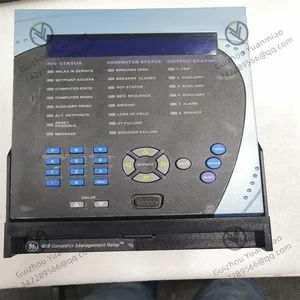
GE 489-P1-H1-A20-T Motor Management Relay Series Module

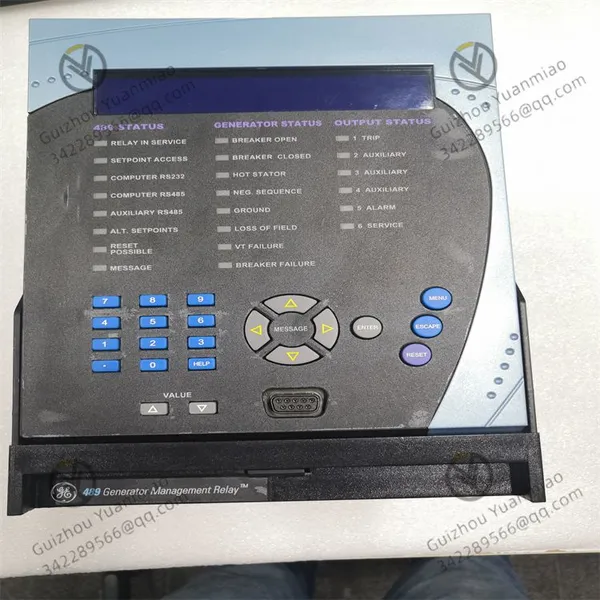
GE 489-P1-H1-A20-T Motor Management Relay Series Module photo-1
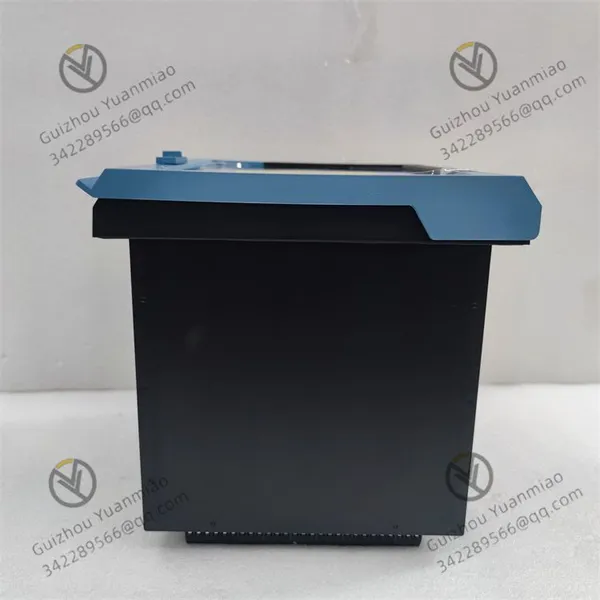
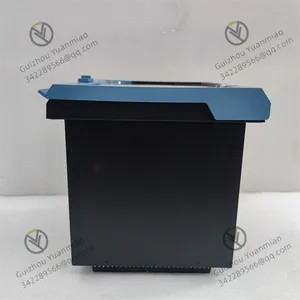
GE 489-P1-H1-A20-T Motor Management Relay Series Module photo-2
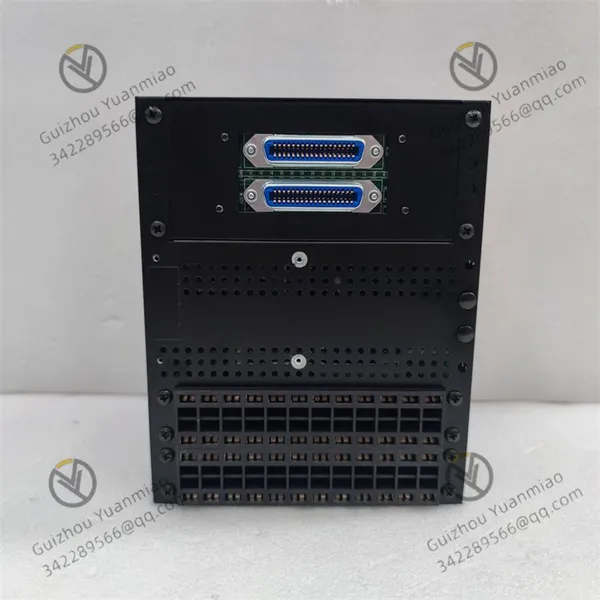
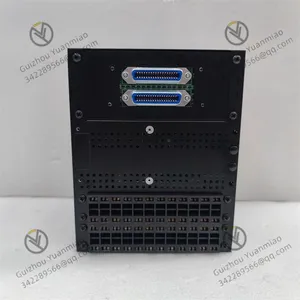
GE 489-P1-H1-A20-T Motor Management Relay Series Module photo-3
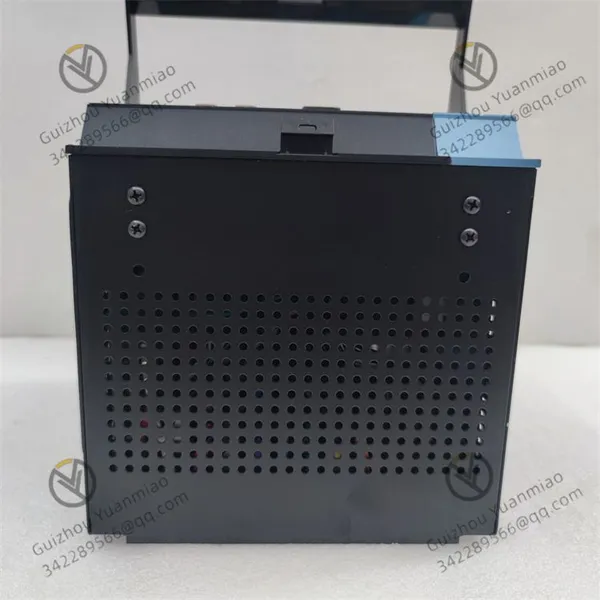
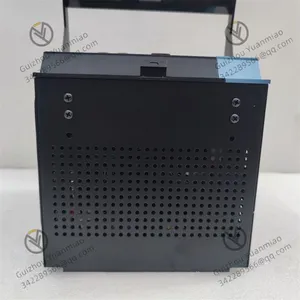
GE 489-P1-H1-A20-T Motor Management Relay Series Module photo-4
Negotiable MOQ: 1 Piece (Price negotiable depending on order volume and customization)
Key Specifications
Get Latest Price
Material:
Other
Certification:
Other
Function:
Other

Payment & Shipping
Payment Methods:
Port of Shipment:
China
Delivery Detail:
Delivery time depends on order quantity.
Material Other
Certification Other
Function Other
Condition Other
Task Other
Mathematical Model Other
Signal Other
Customized Other
Structure Other

GE  489-P1-H1-A20-T  motor management relay series module

SR489-P5-HI-A20-E—05


I. Core Technical and Functional Differentiation AdvantagesWide-Range Power Adaptability

  • Stronger Voltage Compatibility: The control power range is 70-265VAC (AC) and 90-300VDC (DC), covering a wider range than similar modules (e.g., some products only support 100-240VAC). It is particularly suitable for industrial scenarios with large voltage fluctuations (such as mines and metallurgical sites), reducing downtime risks caused by unstable power supplies.

  • Wide-Temperature Design Expanding Application Scenarios: If the module has wide-temperature characteristics (e.g., operating temperature of -20°C to +70°C), it can operate stably in extreme environments (such as outdoor equipment and northern winter conditions), while similar products may only support 0°C to +50°C, limiting the application range.

Integrated Protection and Monitoring Functions

  • Upgraded Multi-Dimensional Protection Algorithms: In addition to basic overload, short-circuit, and phase-loss protection, it may include built-in adaptive thermal capacity calculation (dynamically adjusting protection thresholds based on motor load) and magnetic balance differential protection, which are more precise than traditional modules (relying only on fixed current thresholds) and reduce the probability of misoperation.

  • Full-Parameter Real-Time Monitoring: Supports the collection of more than 30 parameters, including motor acceleration time, starting current, and winding temperature (multi-channel RTD input). Similar products may only support 10-15 basic parameters, failing to meet the fine-grained monitoring needs of complex working conditions.

Communication Protocol and Compatibility Advantages

  • Seamless Integration of Multiple Protocols: Compatible with industrial protocols such as Modbus RTU/TCP and DeviceNet, it can directly access PLC/DCS systems. In contrast, some similar modules only support a single protocol (e.g., Modbus RTU), requiring additional gateway conversion, which increases costs and complexity.

  • High-Speed Communication and Real-Time Performance: Using RS485/232 or Ethernet interfaces, the communication rate can reach 115.2kbps (Modbus) or 100Mbps (TCP), with data refresh delay ≤50ms. Compared with similar products (delay of 100-200ms), it is more suitable for real-time monitoring scenarios (such as high-speed production lines).

  • SR489-P1-LO-A20-E—04

II. Hardware Design and Reliability AdvantagesProtection and Durability Design

  • High Protection Level and Environmental Adaptability: The protection level is IP20-X (possibly supporting dust or liquid splash resistance). Combined with conformal coating technology, it can resist corrosive gases in chemical scenarios and dust pollution in mines. If similar products are not coated, their service life in harsh environments may be shortened by more than 50%.

  • Anti-Interference and Stability: With built-in EMC filter circuits, it has passed the IEC 61000-6-2 industrial immunity test, operating more stably in power or metallurgical sites with strong electromagnetic interference (such as near frequency converters). In contrast, some similar modules may cause false alarms due to insufficient anti-interference capabilities.

Modularity and Maintainability

  • On-Site Upgrades and Flexible Configuration: The firmware supports online upgrades via USB or communication interfaces without returning to the factory. Parameters can be adjusted through the front-panel LCD (e.g., 40-character display) or host computer software. If similar products require firmware upgrades, professional tools may be needed, resulting in higher maintenance costs.

  • Hot Swapping and Quick Replacement: Some models support hot swapping with power (such as terminal design), eliminating the need to power off during maintenance and reducing downtime. In contrast, similar modules may require the entire unit to be powered off, affecting production continuity.


III. Cost and Usability AdvantagesIntegrated Solutions to Reduce Costs

  • Function Integration Reducing Accessory Requirements: Built-in simulation testing functions (debugging without external loads) and event recording (storing ≥1000 fault logs) replace independent testers and recorders in traditional solutions, reducing hardware costs by more than 30%.

  • Adaptive Algorithms Reducing Debugging Time: The "auto-learning" function (such as identifying motor starting current curves) automatically optimizes protection parameters, shortening debugging time by 50% compared to similar products (which require manual configuration of over 20 parameters), making it suitable for non-professional operators.

Human-Computer Interaction and Visualization Advantages

  • Intuitive Display and Diagnosis: The front-panel large LCD real-time displays motor status (such as current, temperature, and fault codes) and is equipped with LED indicators (operation/alarm/trip). If similar products only use digital tubes or have no display interface, fault troubleshooting efficiency is lower.

  • Mobile Adaptation and Remote Management: Supports remote monitoring via mobile APP (such as Bluetooth connection) or Web interface. Similar products may lack mobile functions and rely on local industrial computers, resulting in insufficient flexibility.

SR489-P1-LO-A20-E—02IV. Comparative Advantage Examples in Typical Scenarios

Application Scenario Advantages of 489-P1-H1-A20-T Module Common Limitations of Similar Modules
Petrochemical Industry Wide voltage + anti-corrosion coating, stably operating in remote oilfield sites (large voltage fluctuations) and chemical workshops (corrosive gases), reducing downtime. Narrow voltage range, no coating, prone to failure due to power abnormalities or corrosion.
Mining Conveyor Belts Multi-channel RTD monitoring of bearing temperature + mechanical blockage detection, early warning of faults to avoid production loss. Only supports single-channel temperature monitoring, unable to predict mechanical faults.
High-Speed Production Lines High-speed communication + real-time data refresh, combined with PLC to achieve dynamic motor adjustment and improve production efficiency. High communication delay, unable to adapt to high-frequency control requirements.


V. Summary: Core Competitiveness of Advantages

The core advantages of the 489-P1-H1-A20-T module lie in "wide adaptation, high integration, and easy maintenance"—expanding application boundaries through wide-power/wide-temperature design, enhancing reliability with multi-dimensional protection algorithms and full-parameter monitoring, and reducing usage costs through modular design and intelligent interaction. Compared with similar products, it is more suitable for motor management needs in complex industrial environments.


Product Tags: 489-P1-H1-A20-T

Send Inquiry to This Supplier

* Message
0/5000

Want the best price? Post an RFQ now!
Verified Business License
Business Type
Trading Company
Year Established
2014
Factory Size
1,000-3,000 square meters
Product Certifications
SA8000