








 Contact Platform Support
 Help Center
Compactor/compaction Machinery
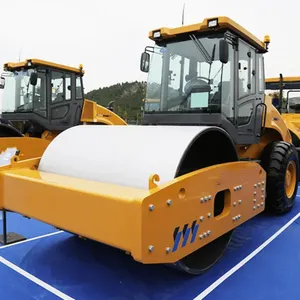
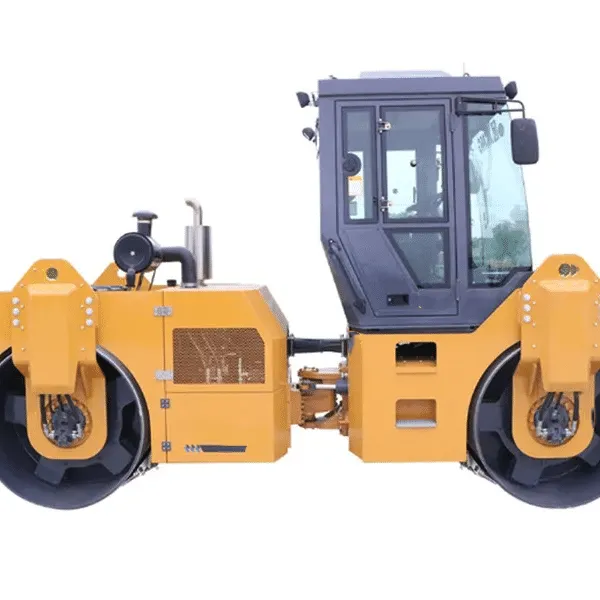
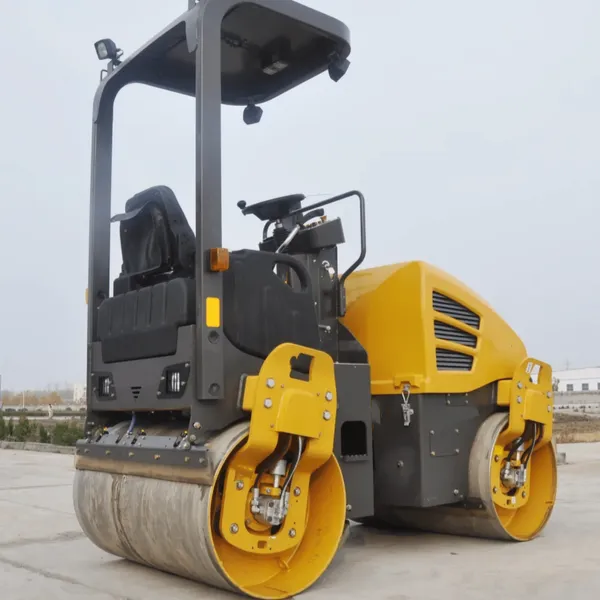
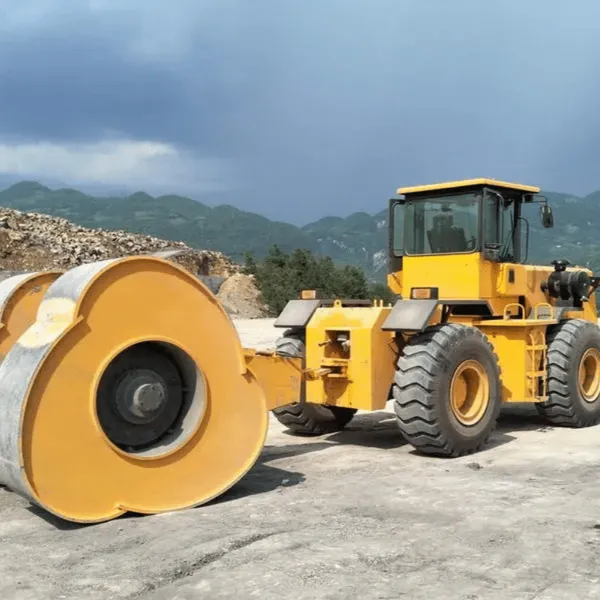



Related Products
Power system: Diesel engines are usually used as the power source to provide power for the walking, vibration, and other working devices of the compactor. The power of the engine depends on the model and operational requirements of the compactor, generally ranging from tens of kilowatts to hundreds of kilowatts.
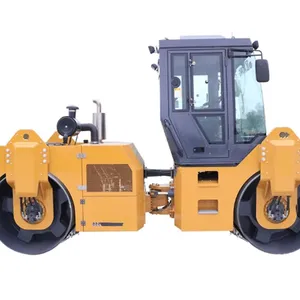
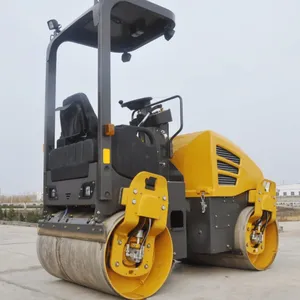
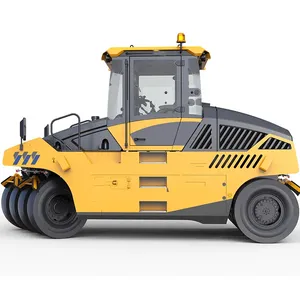
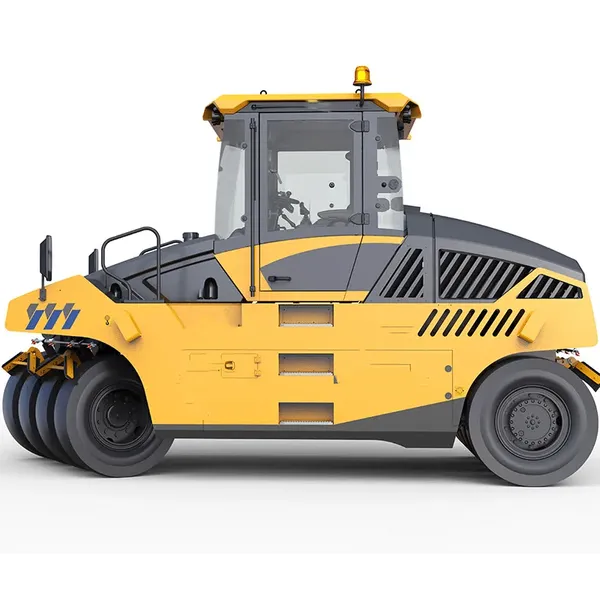
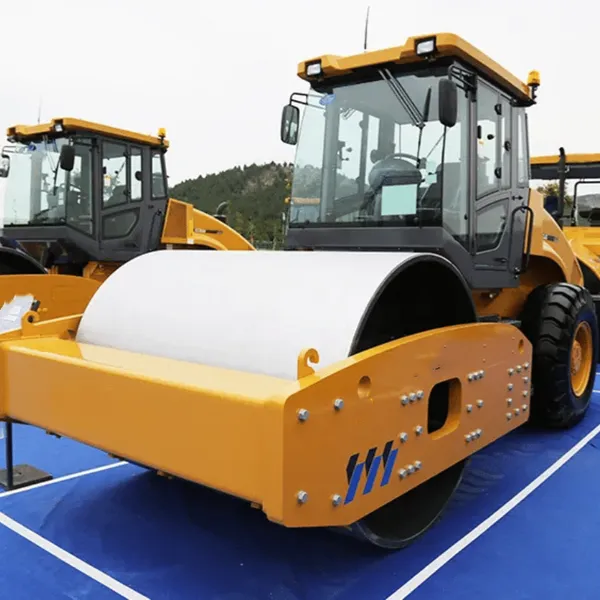
Walking system: including components such as frame, axle, wheels or tracks. The frame is the main structure of the compactor, used to support and connect other components; Axle is used to install wheels or tracks, transmit power and bear loads; The wheels or tracks are the components of the compactor that come into contact with the ground. Different types of compactors use different walking devices, such as pneumatic tires for tire compactors and tracks for track compactors, to adapt to different working environments and compaction requirements.
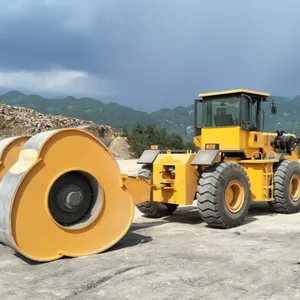
Compaction system: It is the core working component of the compactor, mainly composed of compaction wheels, vibration devices (for vibratory rollers), and impact devices (for impact rollers). The compaction wheel is a component that directly contacts the material being compacted, and its shape, size, weight, and other parameters can affect the compaction effect; The vibration device drives the eccentric block to rotate through a motor or hydraulic motor, generating high-frequency vibration and causing the compaction wheel to vibrate; The impact device uses a special mechanical structure or hydraulic system to generate impact energy from the compaction wheel, achieving impact compaction on the ground.
Operating system: including driver's seat, steering wheel, control lever, pedals and other components. The driver controls the driving direction, speed, vibration frequency, amplitude and other parameters of the compactor through the operating system to meet different compaction operation requirements. In addition, some advanced soil compactors are equipped with electronic control systems and automation devices, such as intelligent compaction systems, which can automatically adjust compaction parameters based on real-time compaction data, improving compaction quality and efficiency.
Auxiliary systems: including hydraulic system, cooling system, lubrication system, braking system, lighting system, etc. Hydraulic systems are used to drive vibration devices, steering devices, and other hydraulic working components; The cooling system is used to cool components such as the engine and hydraulic system to prevent overheating; The lubrication system is used to lubricate various moving parts and reduce wear and tear; The braking system is used to control the stopping and deceleration of the compactor, ensuring safe operation; The lighting system is used to provide illumination at night or in low visibility conditions to ensure the normal operation of the work.

Send Inquiry to This Supplier


You May Also Like
-
 Agricultural SeederUS$ 6000MOQ: 1 Pair
 -
Agricultural HarvesterUS$ 6000MOQ: 1 Pair
-
ForkliftUS$ 18000MOQ: 1 Piece
-
ShovelUS$ 18000MOQ: 1 Piece
-
Concrete MachineryUS$ 35000MOQ: 1 Pair
-
TransformerUS$ 200MOQ: 1 Piece
-
RefrigeratorUS$ 8000MOQ: 1 Piece
-
Mining VehicleUS$ 18000MOQ: 1 Piece
-
Gas CompressorUS$ 500MOQ: 1 Piece
-
Automatic Fireworks Paper Cone Production MachineUS$ 55000 - 85000MOQ: 1 Set


