








 Contact Platform Support
 Help Center
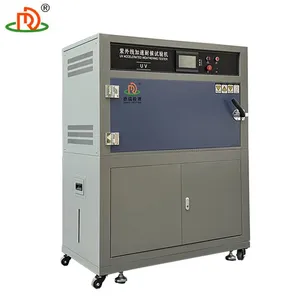
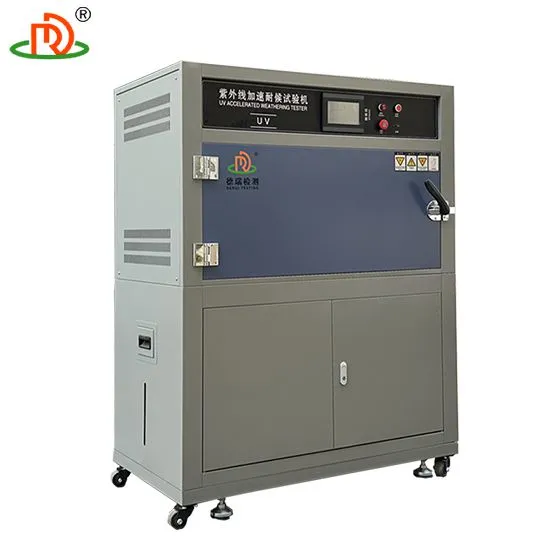
Automotive Component UV Accelerated Weathering Tester

Related Products
-
 Building Material UV Weathering Test MachineUS$ 3500 - 6000MOQ: 1 Set
 -
Packaging Material UV Accelerated Aging TesterUS$ 3500 - 6000MOQ: 1 Set
-
Packaging Material UV Accelerated Aging TesterUS$ 3500 - 6000MOQ: 1 Set
-
Rubber UV Weathering Test Equipment for Ozone ResistanceUS$ 3500 - 6000MOQ: 1 Set
-
Paints UV Accelerated Weathering Tester for DurabilityUS$ 3500 - 6000MOQ: 1 Set
SPECIFICATION
Item |
Specification |
Outside dimension |
1300W×500D×1460Hmm |
Chamber material |
Paint Spray |
Temperature range |
RT~70℃ |
Temperature fluctuation |
±2℃ |
Temperature control |
PID SSR control |
Humidity range: |
≥95%RH |
Controller |
Programmable controller, LCD touch screen |
Control mode |
Balance temperature humidity control (BTHC) |
Test cycle setting |
Exposure, condensation and water spray test cycle is programmable |
Lamp power |
40W/Piece |
Distance from sample to lamp |
50±2mm |
Centre distance between the lamp |
70mm |
Irradiance |
0.45~0.8W/m2 (optional) |
UV lamps |
Imported Atlas UV-A: 315-400nm (8pcs, 1600h lifetime) |
Standard Specimen Size |
75×290mm (24pcs) or 75x150mm (48pcs), max. thickness 5mm |
Testing time |
0~999H, adjustable |
Protection system |
Overload short circuit protection |
The Automotive Component UV Accelerated Weathering Tester is a specialized testing device designed to simulate the long-term effects of outdoor exposure on automotive components. This chamber replicates environmental conditions such as ultraviolet (UV) light, temperature fluctuations, and humidity, which are known to cause degradation in automotive parts over time. By accelerating the natural aging process, the tester allows manufacturers to evaluate the durability, performance, and overall lifespan of automotive materials in a shorter period, ensuring the reliability and safety of automotive components exposed to harsh weather conditions.
Key Features of the Automotive Component UV Accelerated Weathering TesterUV Light Simulation
The tester uses UV lamps that simulate the sun’s UV radiation, specifically UV-A and UV-B rays, which are responsible for material degradation such as fading, cracking, and weakening of components. The UV light intensity can be precisely controlled to match real-world exposure conditions.
Temperature and Humidity Control
In addition to UV light exposure, the tester includes a temperature control system that allows for both high and low temperatures to simulate seasonal fluctuations and extreme climate conditions. The chamber can also generate controlled humidity levels, which are important for simulating the effects of rain or damp environments.
Water Spray Function
Many automotive components are subjected to moisture, whether from rain, snow, or washing. The tester often includes a water spray system that simulates these effects, ensuring that automotive parts are tested for both UV exposure and the impact of water, which can contribute to corrosion and material breakdown.
Test Cycle Control
The tester offers customizable test cycles, allowing users to program the duration, intensity, and frequency of UV exposure, temperature, and water spray. This flexibility makes it possible to simulate different environmental conditions based on geographic location or specific testing requirements.
Material Testing Versatility
The tester can be used to evaluate various automotive components, such as plastics, rubber parts, coatings, paints, fabrics, and trim materials. This versatility makes it a key tool for automotive manufacturers and suppliers looking to ensure the long-term durability of their products.
Advanced Monitoring and Data Logging
The system includes advanced data logging features that allow for real-time monitoring of test conditions. Users can track temperature, humidity, UV intensity, and other factors during the testing process. This data can be used to assess the performance of components and ensure consistent testing.
Accelerated Product Development
The tester allows manufacturers to simulate years of real-world exposure in just a few weeks or months. This accelerated process helps reduce product development time by quickly identifying material weaknesses and potential issues.
Improved Durability and Performance
By subjecting automotive components to extreme conditions, the tester helps identify how materials degrade over time. Manufacturers can improve the formulation or design of materials to enhance their durability, ensuring that components retain their performance, appearance, and safety for longer.
Cost-Effective Testing
Traditional field testing for automotive components can be costly and time-consuming. The UV Accelerated Weathering Tester provides a more efficient and cost-effective way to evaluate the impact of environmental factors on automotive parts without needing to conduct prolonged outdoor exposure testing.
Compliance with Industry Standards
The tester helps ensure that automotive components meet industry standards, such as ISO 4892, ASTM G155, and SAE standards for UV exposure and weathering resistance. This guarantees that components will perform reliably in a variety of outdoor conditions.
Quality Control and Product Assurance
With accelerated weathering tests, manufacturers can ensure that the automotive components meet the desired quality standards before they reach the market. This leads to fewer warranty claims and greater customer satisfaction.
Exterior Components Testing
Automotive components such as bumpers, mirrors, body panels, exterior trim, and lights are all exposed to UV radiation, temperature extremes, and moisture. This tester ensures that these components remain strong, flexible, and colorfast over time.
Interior Components Testing
Components inside vehicles, such as dashboard materials, upholstery, door panels, and center consoles, can also degrade due to UV exposure and temperature. The tester helps evaluate the longevity of these parts, ensuring they maintain their integrity and appearance even after prolonged exposure to sunlight and heat.
Coatings and Paints
Automotive paint and coatings need to resist fading, cracking, and peeling under UV exposure. The tester is used to evaluate the weathering resistance of paint finishes and coatings, ensuring they maintain a high-quality appearance over the lifespan of the vehicle.
Rubber and Plastics Testing
Rubber parts (e.g., seals, gaskets, tires) and plastics used in automotive components are highly sensitive to UV degradation. The tester is used to evaluate their ability to resist cracking, brittleness, and discoloration when exposed to UV light, high temperatures, and moisture.
Materials Used in Electronics
Automotive electronics housed in external parts or exposed to direct sunlight (e.g., sensors, headlights) are also tested to determine how they perform in extreme weather conditions and whether UV radiation or temperature fluctuations affect their functionality.
Sample Placement: Automotive components or material samples are placed inside the test chamber.
UV Exposure: The UV lamps emit controlled UV radiation (UV-A and UV-B), simulating sunlight exposure, which accelerates material degradation.
Temperature and Humidity Control: The chamber maintains constant temperatures and can simulate humid conditions (for example, by controlling temperature and adding moisture to the air).
Water Spray Simulation: The system can activate a water spray function, replicating the effects of rain or washing.
Monitoring and Data Logging: The tester records data about the environmental conditions and any visible changes to the samples during the test period. This includes color shifts, surface cracking, delamination, and other material degradations.

Send Inquiry to This Supplier

You May Also Like
-
Electronics UV Weathering Test Chamber for PCB StabilityUS$ 3500 - 6000MOQ: 1 Set
-
ISO 4892-2 Compliant UV Weathering Test MachineUS$ 3500 - 6000MOQ: 1 Set
-
UV Accelerated Weathering Test Chamber With 0.55 W/m² IrradianceUS$ 3500 - 6000MOQ: 1 Set
-
UVA-340 Lamp UV Weathering Test Machine for Realistic SimulationUS$ 3500 - 6000MOQ: 1 Set
-
High Temperature Yellowing Resistance Testing MachineUS$ 1875 - 3500MOQ: 1 Set
-
300W UV Lamp Yellowing Resistance TesterUS$ 1875 - 3500MOQ: 1 Set
-
Inner Liner 304 Stainless Steel Yellowing Resistance TesterUS$ 1875 - 3500MOQ: 1 Set
-
Inner Liner 304 Stainless Steel Yellowing Resistance TesterUS$ 1875 - 3500MOQ: 1 Set
-
Textile Yellowing Resistance Testing InstrumentUS$ 1875 - 3500MOQ: 1 Set
-
Ink Yellowing Resistance Test Chamber ManufacturerUS$ 1875 - 3500MOQ: 1 Set


